February
1 February to 15 March 2027 (expected) · Sumba island (Lamboya, Kodi, Wanukaka and Gaura districts), with a related Bau Nyale ritual on Lombok
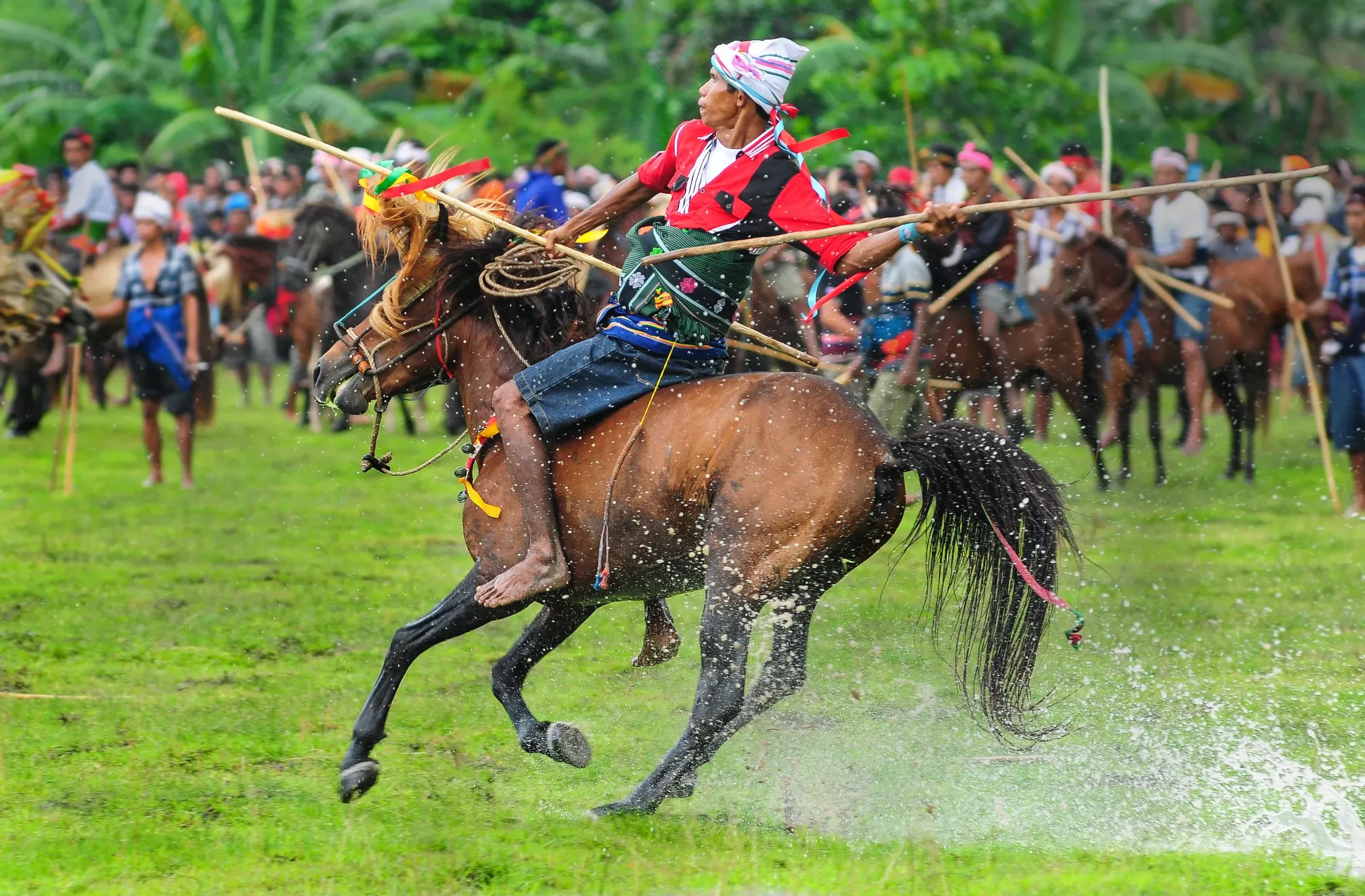
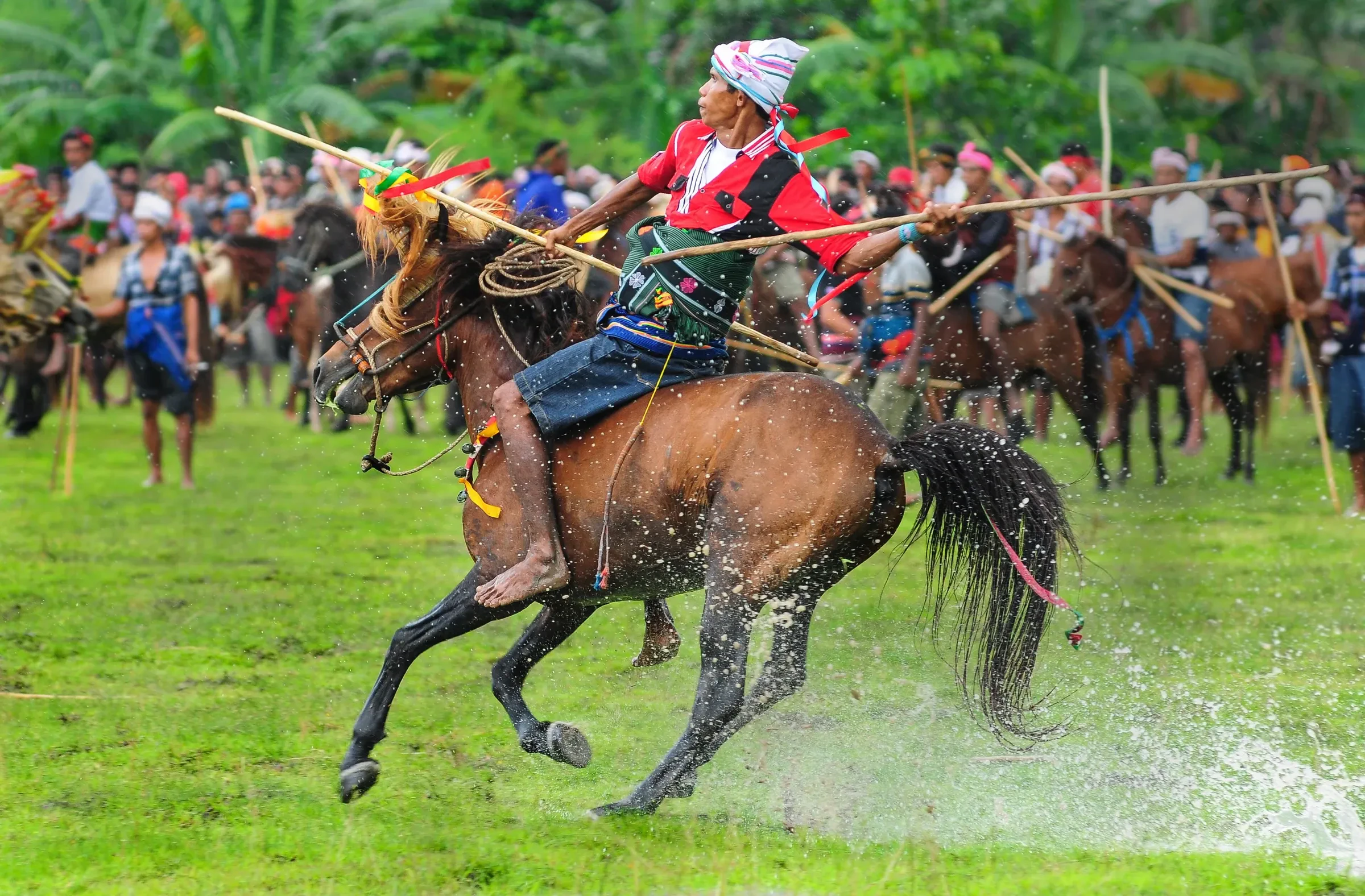
Rival villages on horseback throw blunt wooden spears at each other in a ritual battle meant to bless the harvest.
March
8 to 9 March 2027 · Island-wide, Bali (Ubud is a popular base to experience it)
A legally enforced 24-hour shutdown across Bali for the Balinese Hindu new year, with no flights, lights or travel allowed.
June
12 June to 10 July 2027 (expected) · Taman Werdhi Budaya Art Centre, Denpasar
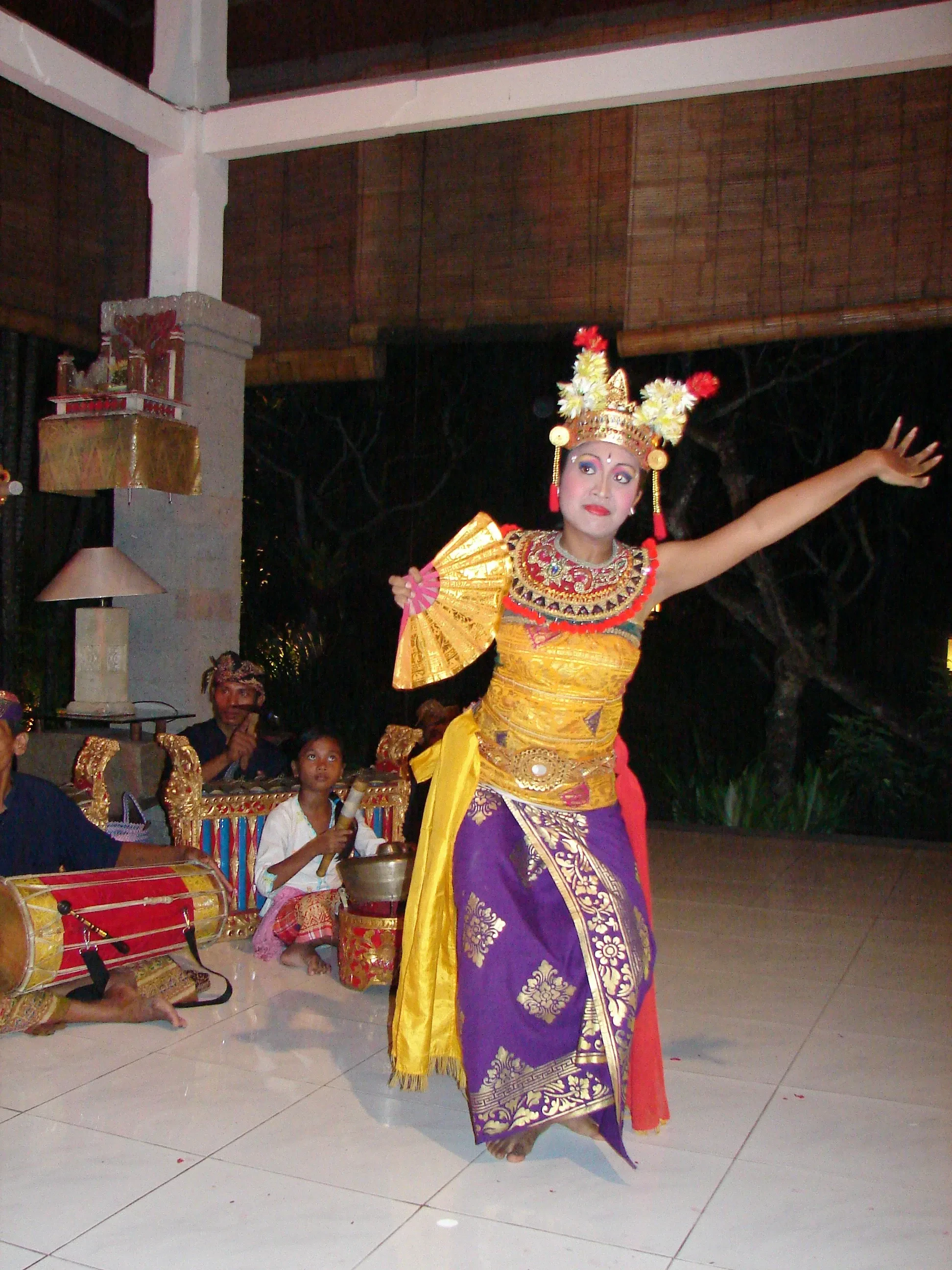
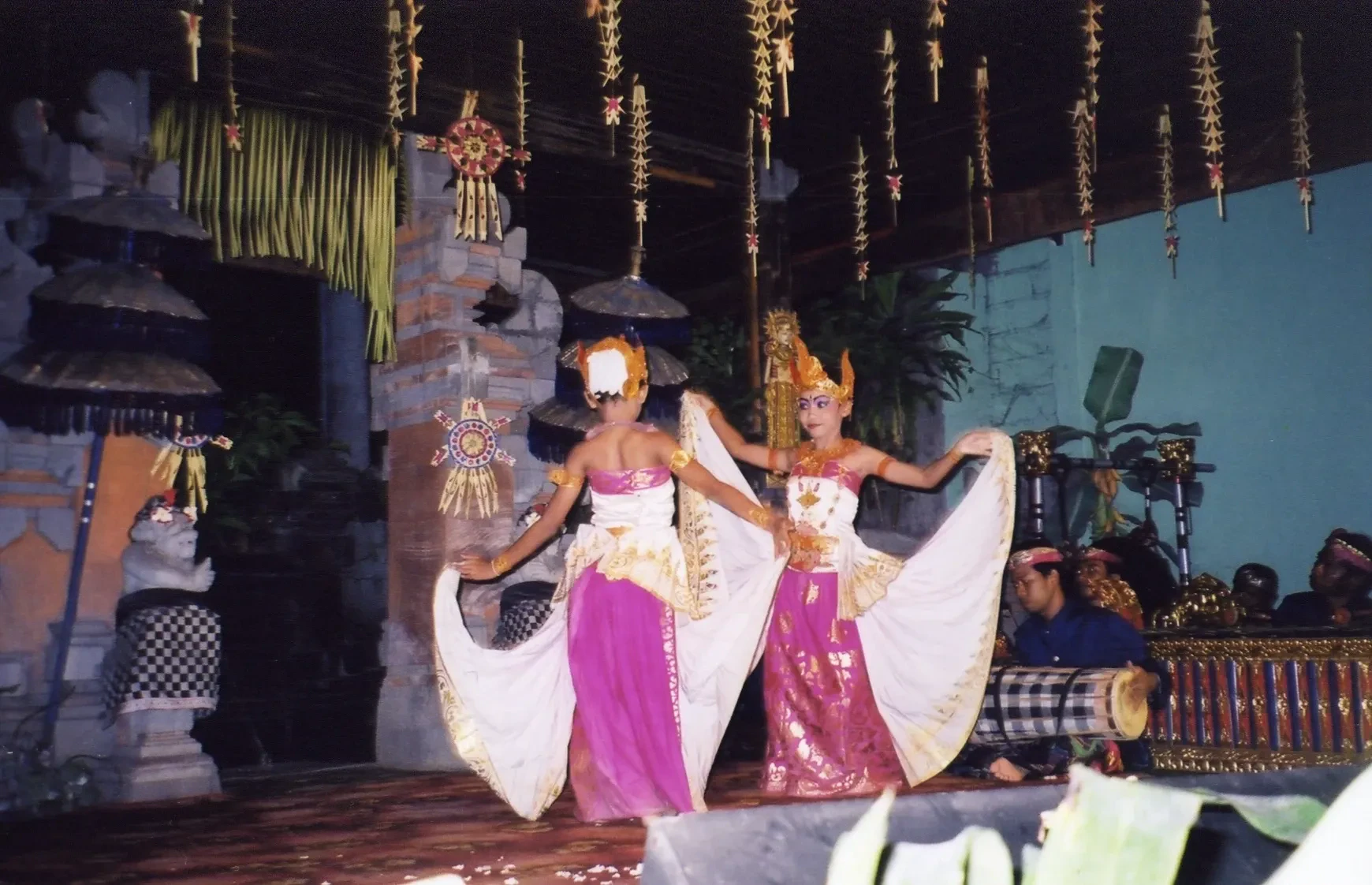
A free, month-long display of Balinese traditional dance, gamelan music and craft from villages across the island.
13 to 23 January 2027 (expected) · Island-wide, Bali, with Ubud's temples especially decorated with penjor poles
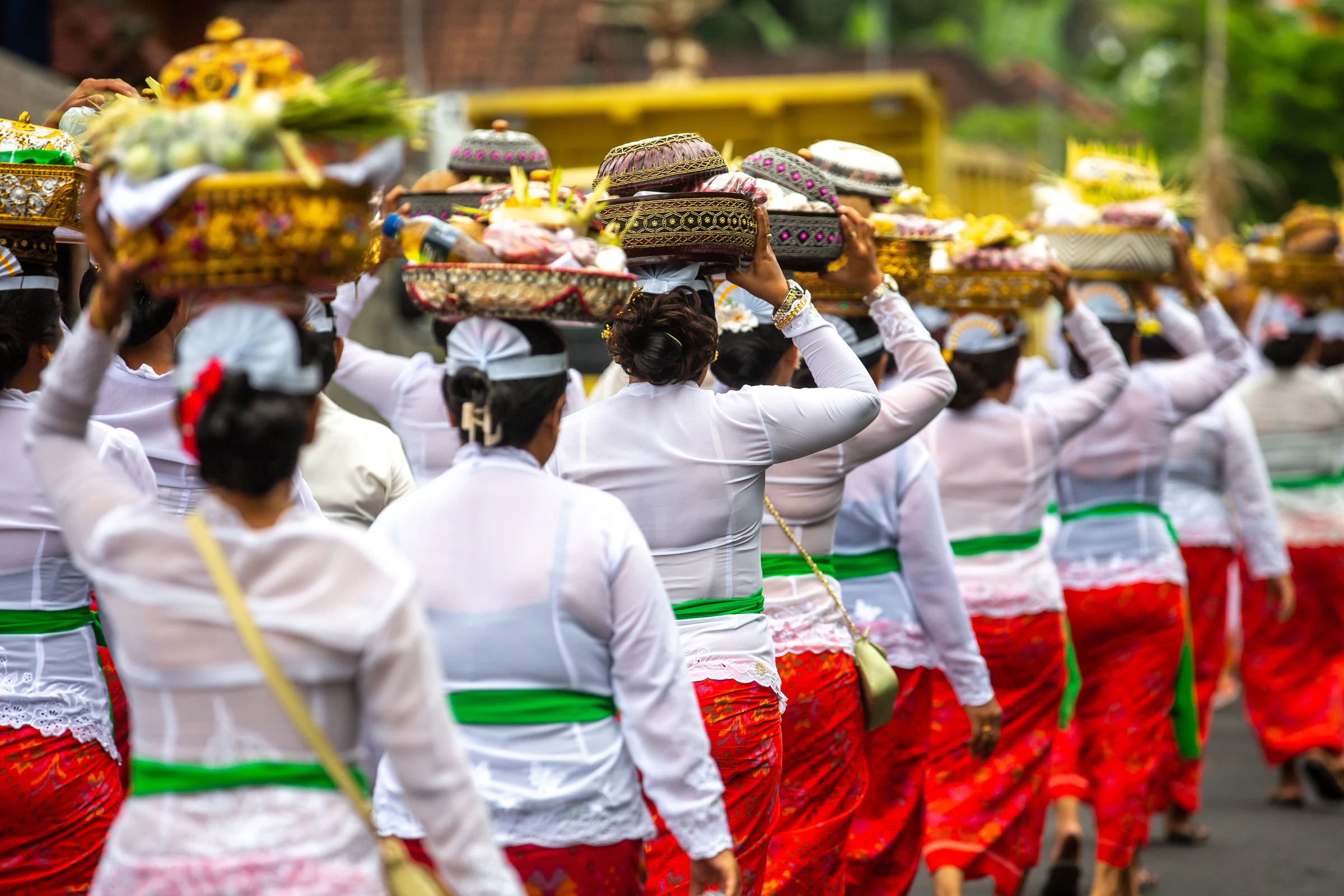
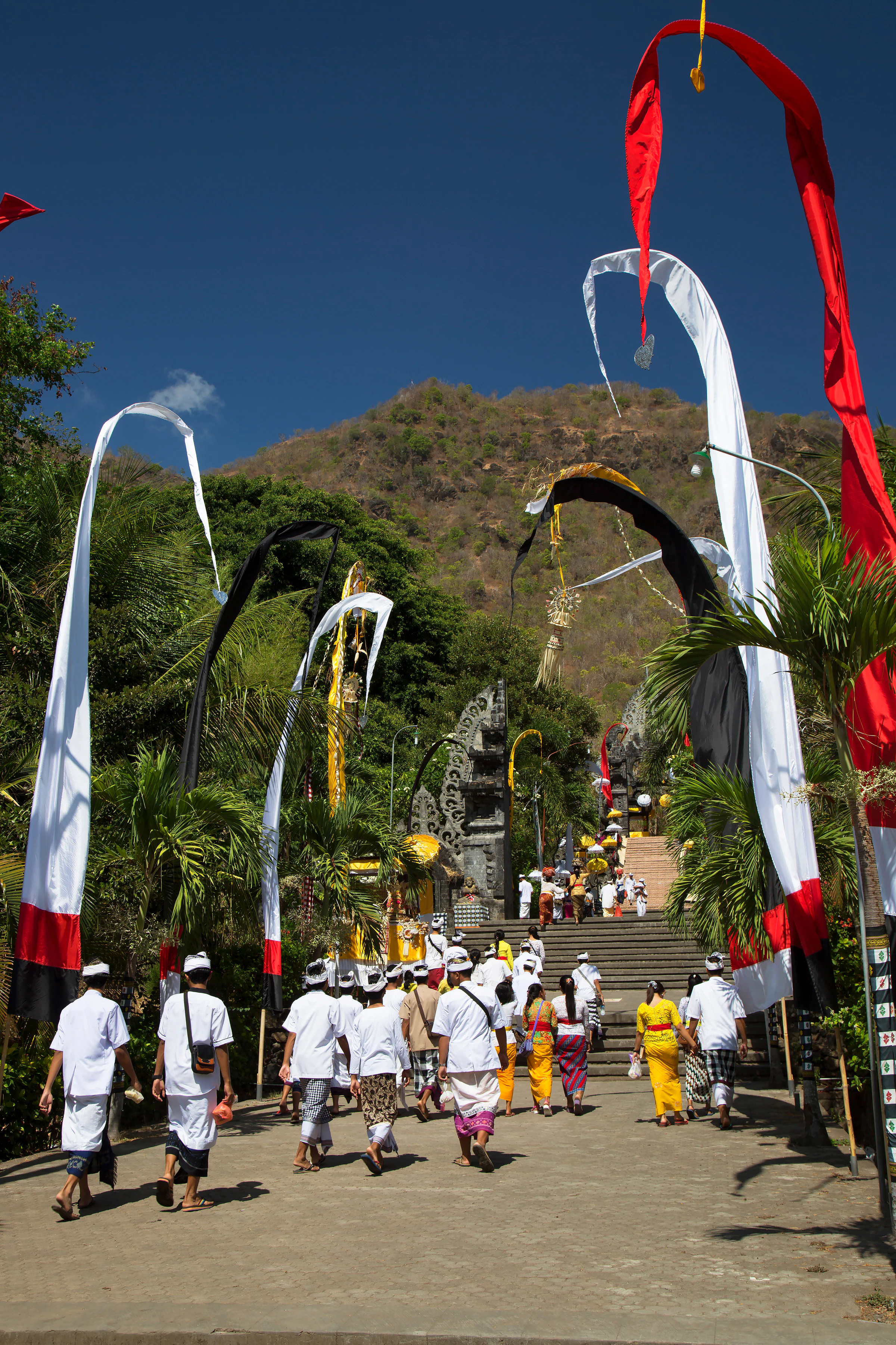
Twin holy days on Bali's 210-day calendar, when ancestral spirits are believed to visit and then return to heaven.
July
1 to 31 July 2027 (expected) · Padang Galak and Mertasari beaches, near Sanur, Denpasar
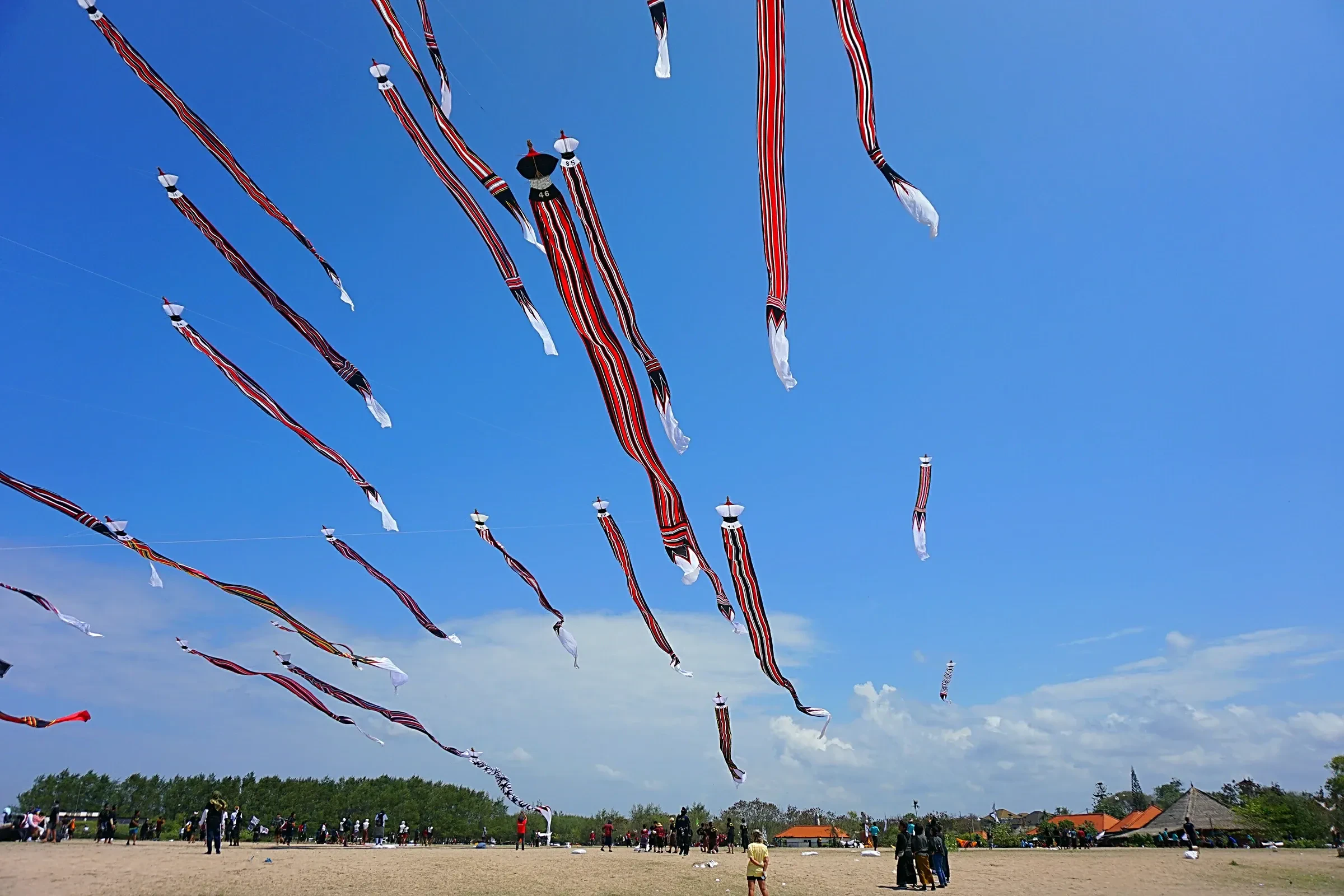
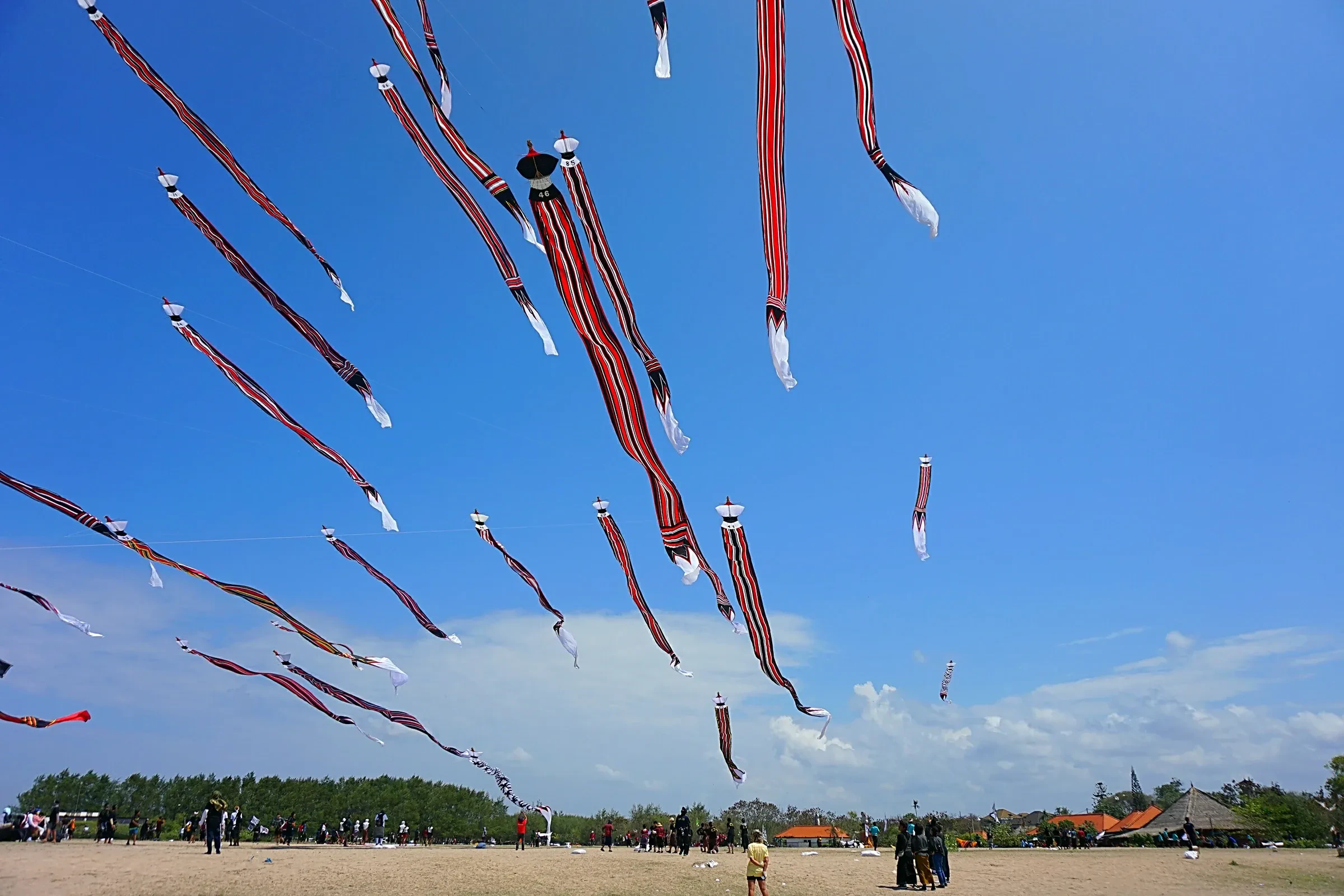
Giant traditional kites, some ten metres long, compete on Bali's beaches in what began as an offering for a good harvest.
Toraja Funeral Ceremonies (Rambu Solo)
1 July to 31 August 2027 (expected) · Tana Toraja, South Sulawesi
Elaborate, days-long Toraja funeral rites held by individual families once they can afford the ceremony and animal sacrifice.
August
Baliem Valley Festival
6 to 7 August 2027 (expected) · Wamena, Baliem Valley, Papua
Highland Dani, Lani and Yali tribes gather for mock tribal wars, traditional dress and feasting in central Papua.
October
Ubud Writers & Readers Festival
21 to 25 October 2026 · Ubud, Bali
One of Asia's leading literary festivals, with author talks and panels held across several Ubud venues.
Bali's festival calendar runs on rules unlike anywhere else on this site: one major festival is set by the moon, another recurs on a 210-day cycle that has no relationship to it at all, and a few, further out in the Indonesian archipelago, aren't set by any calendar you can look up in advance. Here's what's on, when, and what to expect if you're on the island for it.
How Bali's festival dates work
Bali runs two separate traditional calendars side by side, and mixing them up is the most common mistake in English-language guides to the island. Nyepi, the Day of Silence, is set by the Balinese Saka calendar, a lunar system, so its date shifts each year the way Diwali or Ramadan does elsewhere. Galungan and Kuningan, by contrast, follow the Pawukon calendar, a fixed 210-day cycle with no link to the moon at all. Because 210 days is shorter than a solar year, the pair usually falls twice a year. 2026 had only one, in June, while 2027 has two, in January and August. Everything else on this page, from the Bali Arts Festival to Sumba's Pasola, is set independently by its own organisers or, in Pasola's case, by local priests reading natural signs rather than any fixed calendar at all.
Dates at a glance
| Festival | 2026 | 2027 |
|---|---|---|
| Nyepi | 19 to 20 March (parades on 18 March) | Monday 8 March, a national holiday |
| Galungan | 17 June | 13 January and 11 August |
| Kuningan | 27 June | 23 January and 21 August |
| Bali Arts Festival | 13 June to 11 July (the 48th edition) | Not announced; usually mid-June to mid-July |
| Bali Kite Festival | 18 to 26 July | Not announced; usually July |
| Pasola, Sumba | 9 to 11 February and 9 to 11 March in Kodi | Rough window of February to mid-March |
| Baliem Valley Festival | 6 to 10 August | Not announced; usually early August |
| Ubud Writers & Readers Festival | 21 to 25 October | Not announced; usually late October |
The 2027 Galungan and Kuningan dates are calculated from the Pawukon cycle. Nyepi's date comes from Indonesia's official 2027 holiday list. Everything marked "not announced" is an expected pattern, so check the organisers closer to the time.
February
Far to the east on Sumba island, rival villages hold Pasola, a ritual battle where horseback riders throw blunt wooden spears at each other to bless the year's harvest. Local Rato priests set the date only when sea worms appear on the beach, so it's never announced more than a few weeks ahead, and the villages hold their battles on different days in February and March. Going with an operator who tracks the priests' announcements is close to essential. Crowds can turn rough too: in March 2026 the Pasola at Wanokaka was stopped after a clash in the crowd, so follow local guidance on where to stand. A related, gentler sea-worm ritual, Bau Nyale, happens on Lombok around the same season.
March
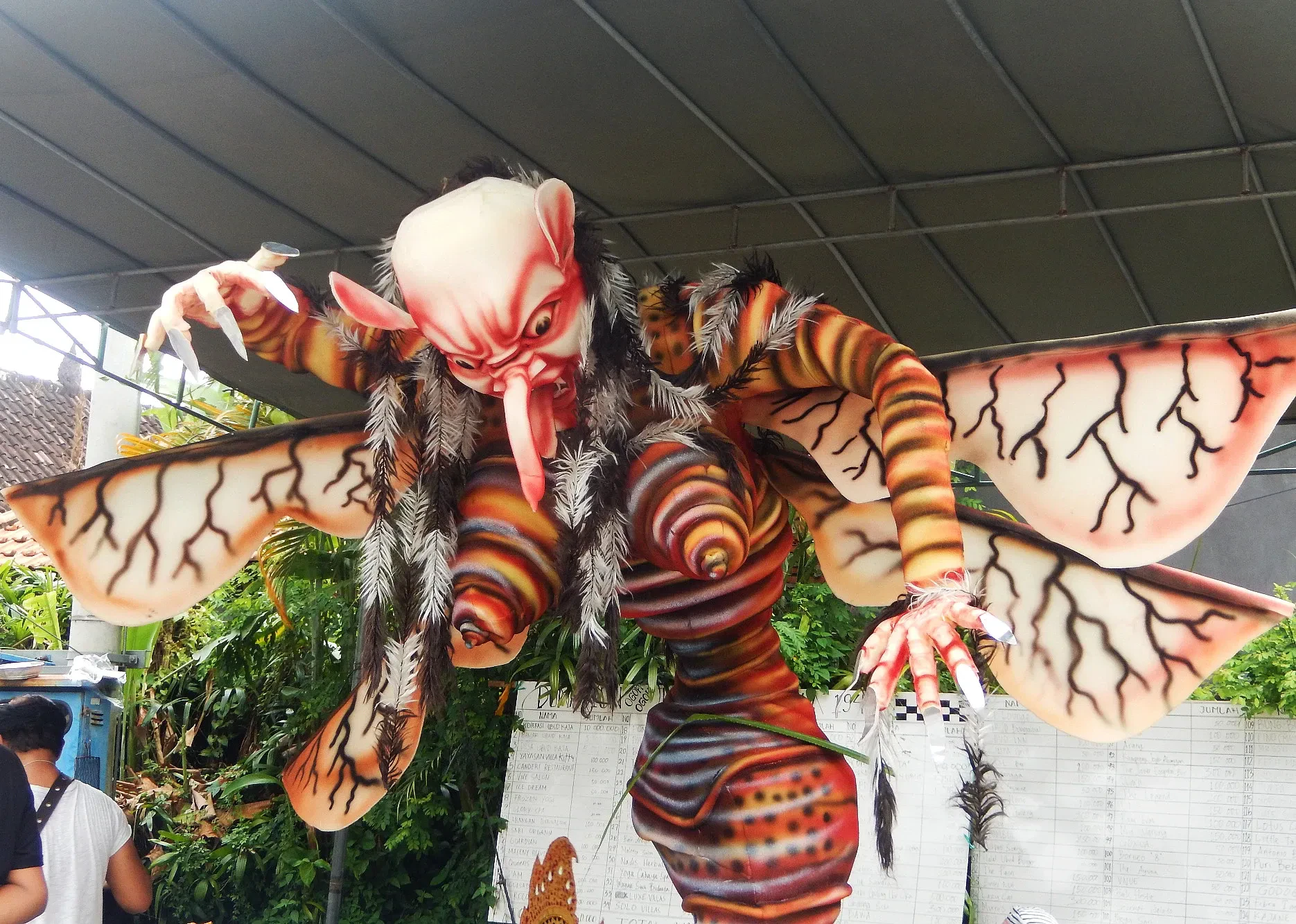
Nyepi, Bali's Day of Silence, is unlike anything else on this list: for 24 hours, the entire island shuts down. There are no flights in or out, no work, no visible lights and no travel on the streets, and traditional pecalang wardens enforce it. Hotel guests stay inside the hotel grounds and keep lights low after dark. The next Nyepi is on Monday 8 March 2027. The evening before is the opposite in every way: villages carry giant ogoh-ogoh demon effigies through the streets in loud, crowded parades. If you're in Bali around Nyepi, plan your dates around it rather than through it, because the airport closes completely.
June
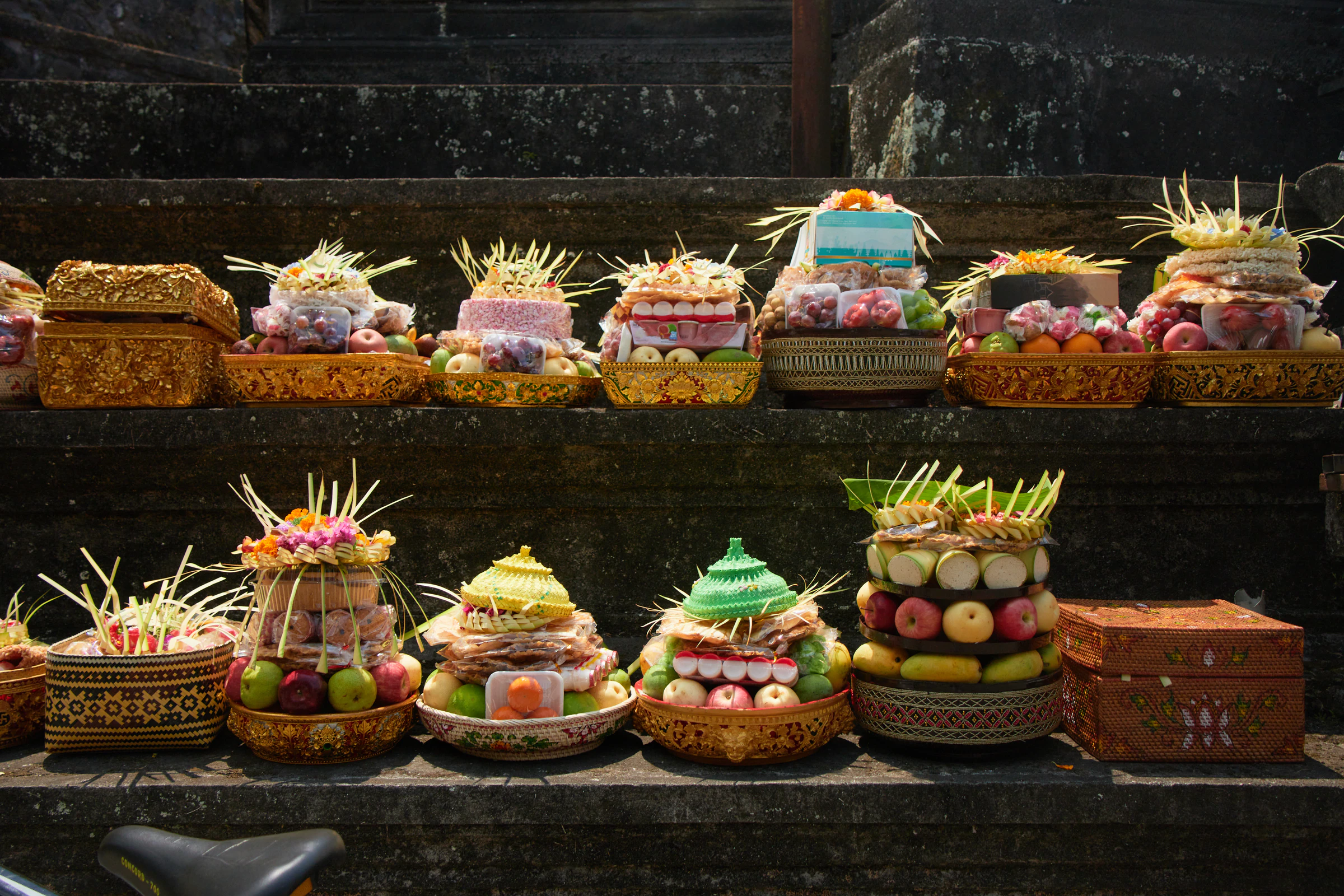
Bali's most important recurring holy days, Galungan and Kuningan, mark the belief that ancestral spirits return to visit and then go back to the heavens ten days later. Streets and temples fill with tall bamboo penjor poles and families in full ceremonial dress, with none of Nyepi's restrictions, which makes this the easier of Bali's two big festivals to build a trip around. They fell in June in 2026, but the 210-day cycle moves them: in 2027 they come in January and August. Denpasar's Taman Werdhi Budaya Art Centre also hosts the Bali Arts Festival, a free, month-long programme of traditional dance, gamelan music and craft from villages across the island. The 48th edition ran from 13 June to 11 July 2026, and the 2027 dates haven't been announced yet.
July
Bali's dry, windy season brings the Bali Kite Festival to Padang Galak and Mertasari beaches near Denpasar, where giant traditional kites, some ten metres long, compete in a tradition that began as a harvest offering. The 2026 events ran from 18 to 26 July, and the main competitions usually fall in July. It's an easy, low-risk spectator event that pairs naturally with a Sanur or Canggu beach stop already common on Bali itineraries. Further east in Sulawesi, some families hold elaborate Toraja funeral ceremonies around this time of year; these are genuine family rites rather than a tourism event, and should only ever be attended with a real invitation and a guide who has an established relationship with the family.
August
In the remote highlands of Papua, the Baliem Valley Festival (6 to 10 August in 2026) brings together Dani, Lani and Yali tribes for mock tribal wars, traditional dress and feasting, in one of Indonesia's least-visited regions. It sits well outside Bali's usual travel infrastructure and needs its own dedicated logistics, including a domestic flight to Wamena.
October
Ubud hosts the Ubud Writers & Readers Festival, one of Asia's most respected literary festivals, with author talks and panel discussions across several venues in town. The 2026 edition runs from 21 to 25 October. It draws a different, more literary crowd than the rest of Bali's festival calendar, and it's easy to attend solo since it's built around talks rather than group activities.
Planning a trip around a festival
Plan around Nyepi, not through it. The airport closes and travel on the streets is banned for 24 hours, so be settled in Bali (or have left) before it starts. Check the exact hours with your accommodation, since the rules apply to guests too.
Galungan and Kuningan need no special booking. Because they're woven into everyday Balinese life rather than staged for visitors, you can simply be in Bali when they fall and see penjor poles and temple ceremonies as a normal part of your trip.
Pasola can't be booked far ahead. If you want to see it, work with an operator in Sumba who tracks the local priests' announcements, since the date only becomes public a few weeks before.
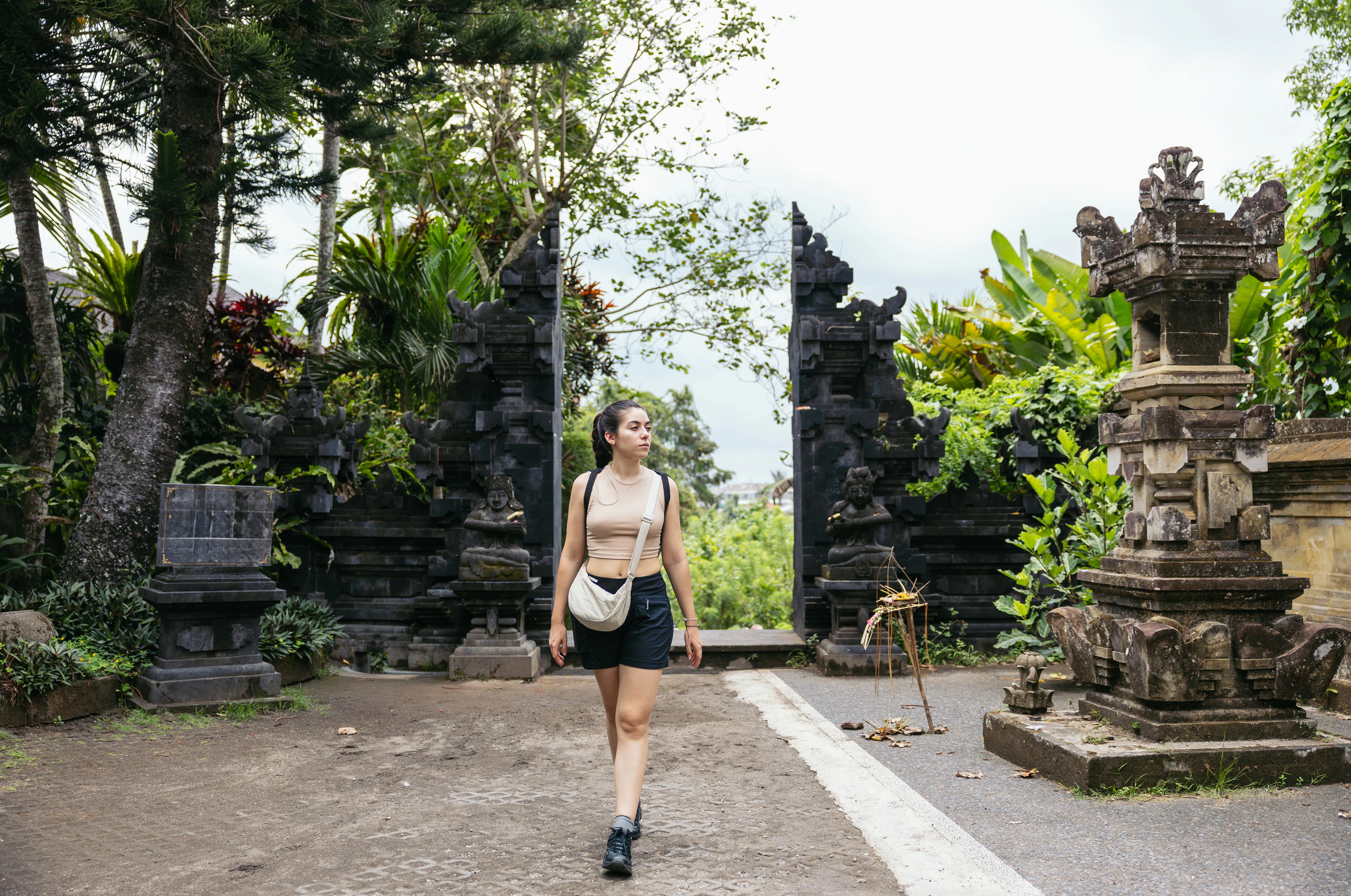
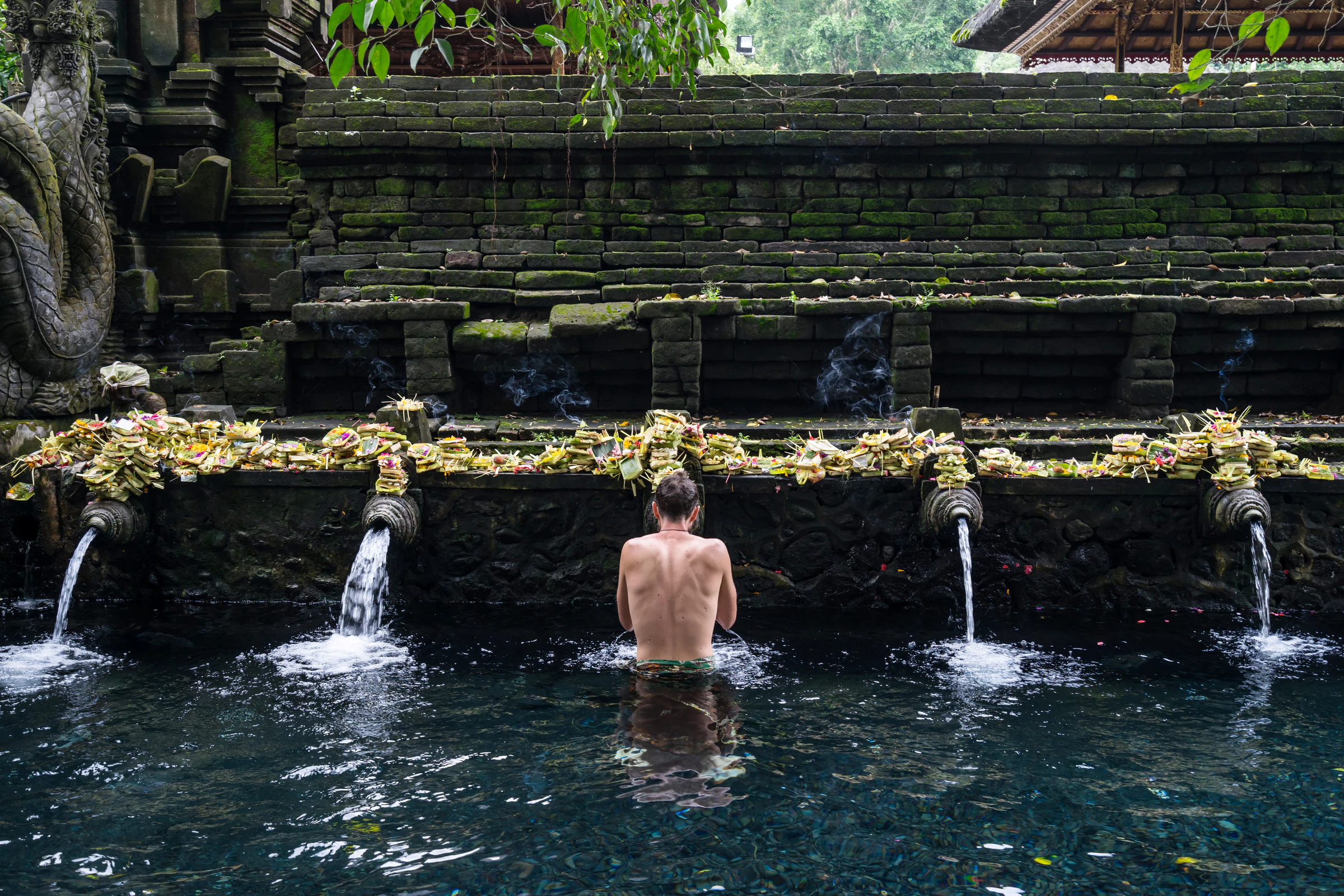
Dress with temples in mind. A sarong and sash are expected at any Balinese temple, festival or not; most temples and tour operators can lend one if you don't have your own.
Be a guest, not a spectator, at anything that isn't a public festival. Toraja's funeral ceremonies and similar family rites in the wider archipelago are not tourism products; only attend with a genuine invitation.
Which festival suits you
| You want | Try |
|---|---|
| A once-in-a-lifetime, nowhere-else-on-earth experience | Nyepi's Day of Silence, with the ogoh-ogoh parade the night before |
| Everyday Balinese culture at its most visible | Galungan and Kuningan's temple visits and penjor-lined streets |
| A free, gentle cultural evening | The Bali Arts Festival's month-long programme of dance and music |
| Something to photograph on a beach | The Bali Kite Festival at Sanur |
| A rare, adventurous sight | Pasola's horseback battles in Sumba, for travellers going further afield |