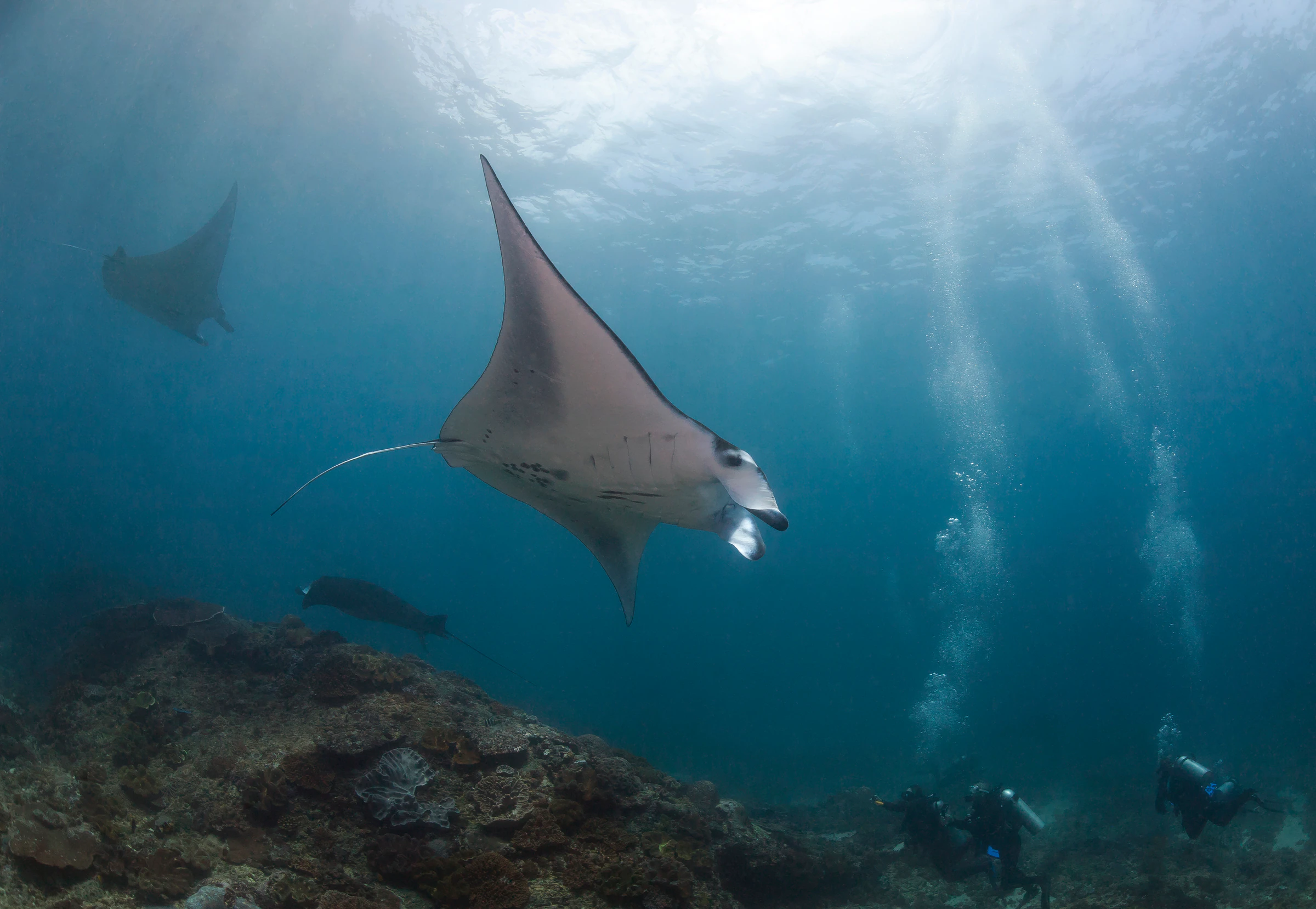
Nusa Penida gets divers and snorkellers for one reason above all others: reef manta rays, visiting cleaning stations close enough to shore that you don't need to be an experienced diver to see them. What you do need to think about is the current, which can turn a calm morning into a demanding drift by lunchtime, and from around July to October, the mola mola that draw divers to the island's deeper, colder water. This guide covers the dive and snorkel sites, how the currents and experience levels line up, the mola mola season, and 2026 prices and fees. For the rest of the island, its cliffs, getting there and where to stay, see our full Nusa Penida travel guide, which this page doesn't repeat.
The main dive and snorkel sites
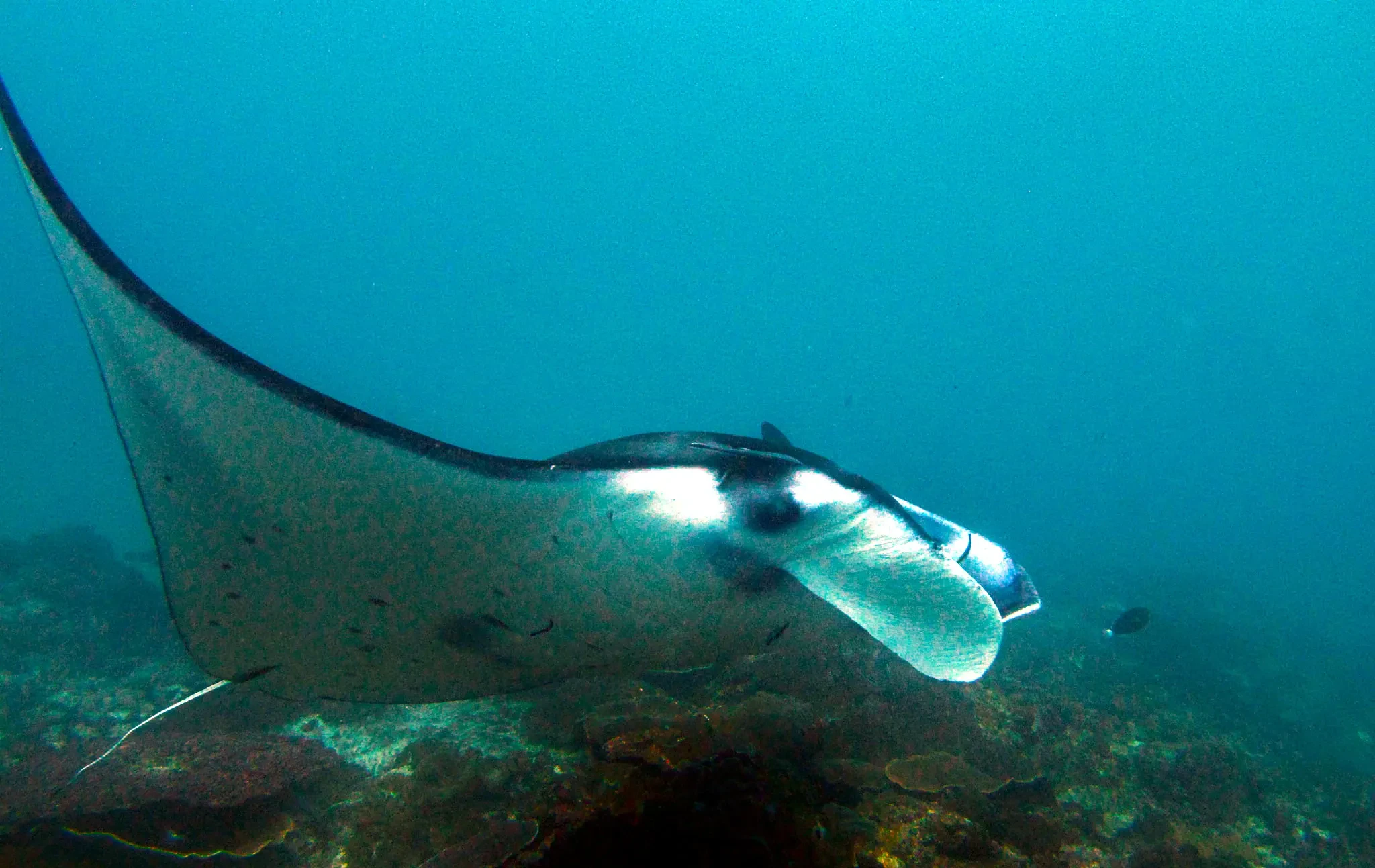
- Manta Point. The more exposed of the two manta cleaning stations, on the south-west coast. The cleaning station sits at about 10 metres, an easy depth, but the site can be cancelled when the swell picks up, and the wall below it drops to around 40 metres.
- Manta Bay. On the north coast and more sheltered than Manta Point, and the usual fallback when the swell is too big for it. Good for both diving and snorkelling.
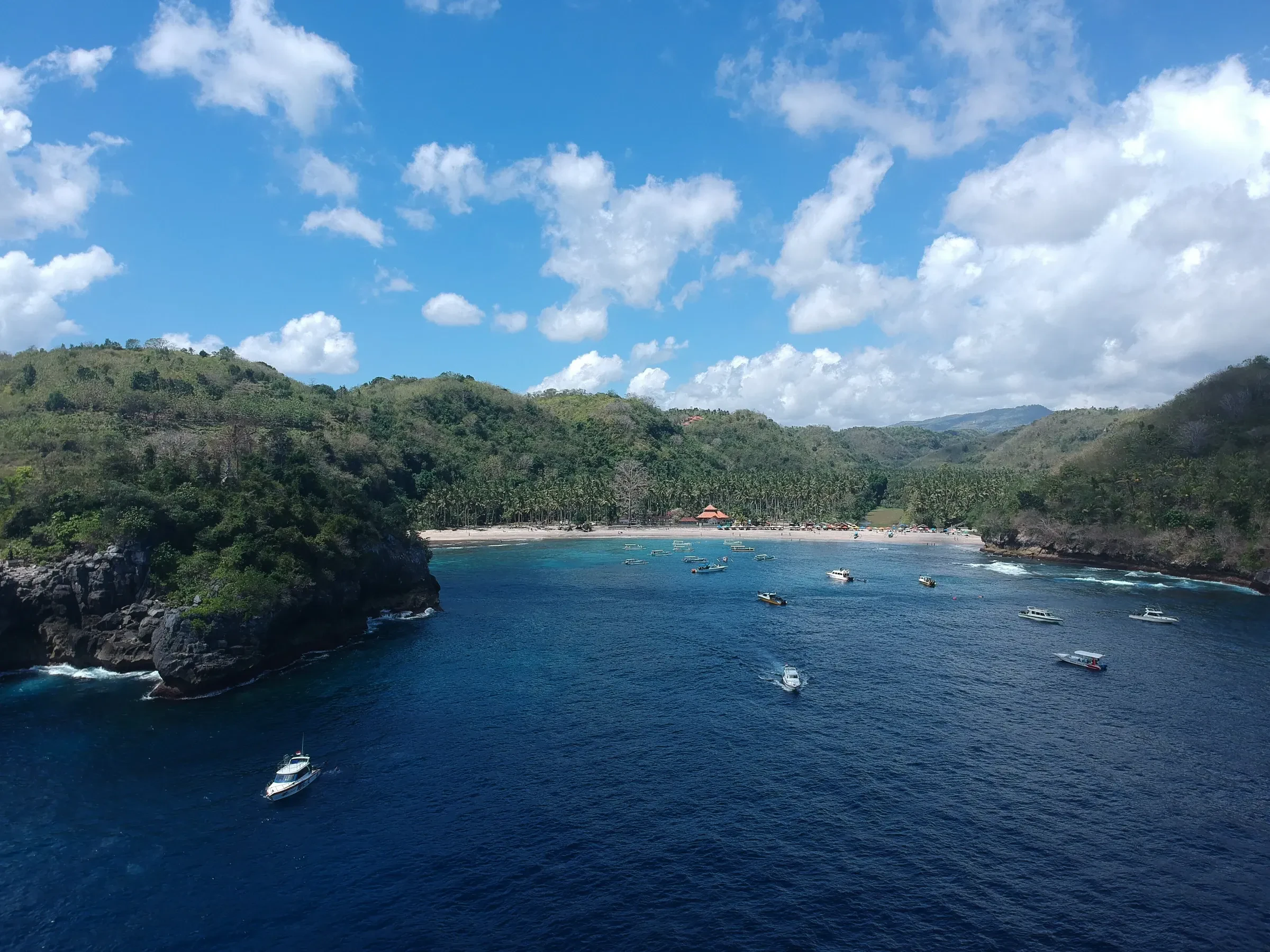
- Crystal Bay. A calmer bay on the west coast with good visibility and reef life, and the main site for mola mola in season. Also one of the better swimming beaches on the island.
- Toyapakeh. Off the north coast near the main harbour, a large site with a mix of reef fish and coral. The current can be strong here, so it suits certified divers who are comfortable in drift.
Boats typically combine two or three of these in a day, mixing a manta stop with Crystal Bay or Toyapakeh depending on conditions. Our Nusa Penida travel guide has the map of where these sites sit around the island, and where Toyapakeh fits alongside the ferry crossings.
Currents and experience levels
Nusa Penida's currents change quickly. A site that's calm in the morning can be a strong drift by the afternoon as the tide turns.
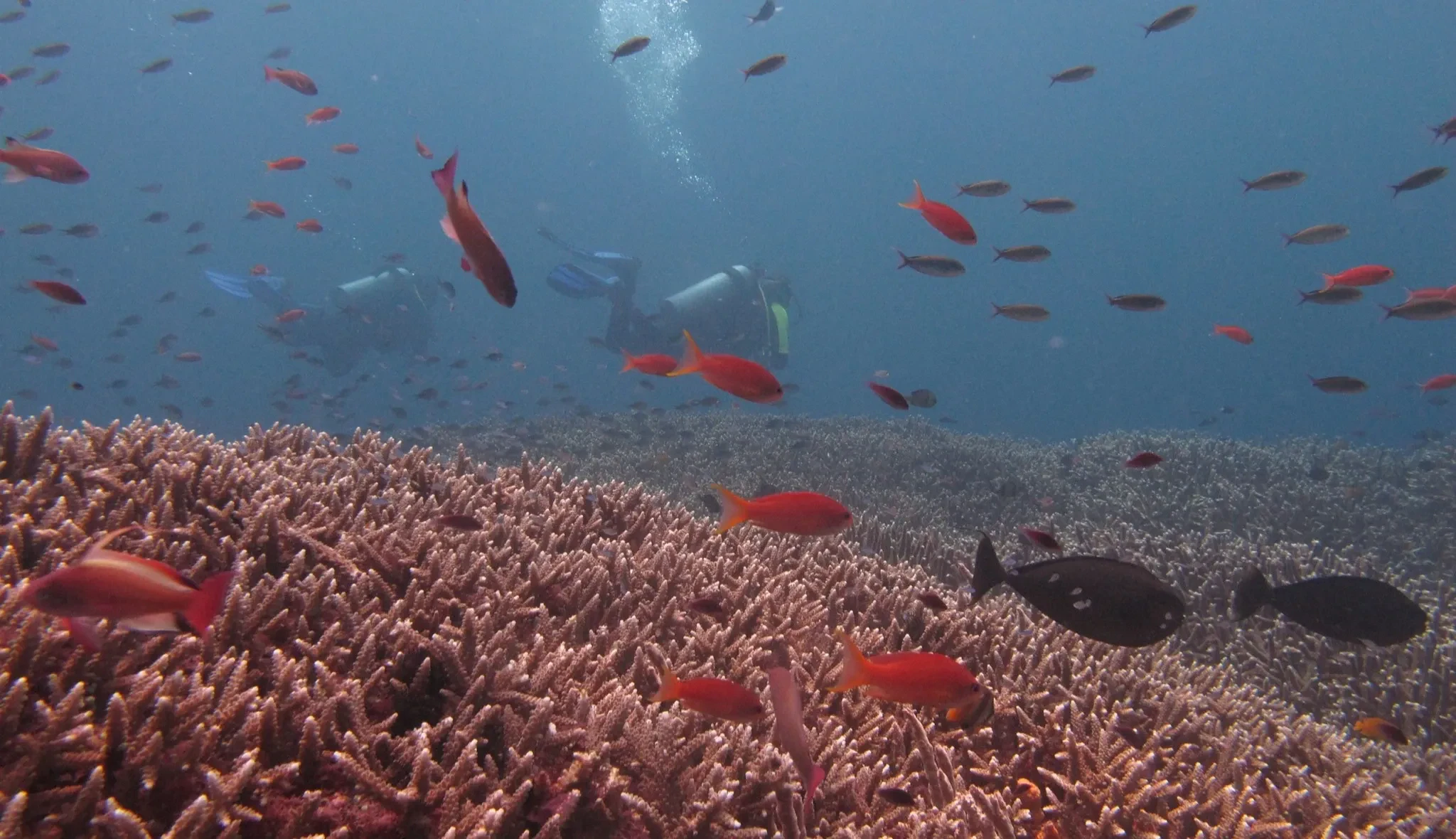
- Manta Bay and Crystal Bay are the more forgiving sites on a calm day, and the usual choice for beginner snorkel trips and newer divers.
- Manta Point needs a calmer day. Operators cancel or move to Manta Bay when the swell is too big, so build a spare day into your plans if seeing mantas matters to you.
- Toyapakeh and the sites further round the coast suit certified divers who are comfortable in current, since conditions can shift during the dive itself.
A good operator reads the day's swell and tide before choosing where to go, rather than running the same route regardless of conditions. If you fly out soon after your last dive, wait at least 18 hours after repeated dives before boarding, which is Divers Alert Network's guidance. See our cross-country diving guide for more on choosing a dive school.
Mola mola season and the thermocline
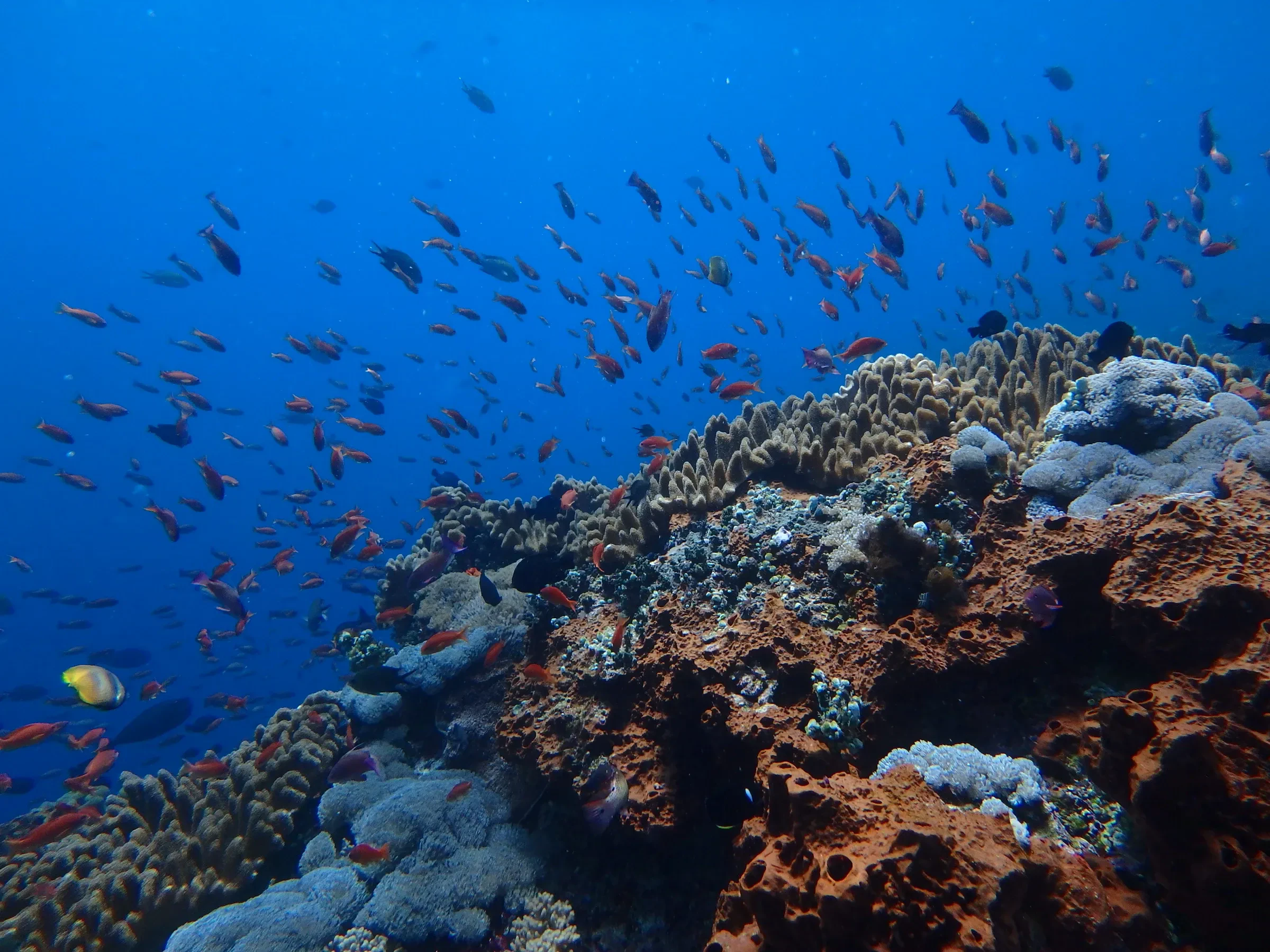
From around July to October, divers come to Nusa Penida specifically for mola mola (ocean sunfish). One local guide, updated in August 2026, puts the peak at August and September, and another centre runs its season into November. They're usually seen at 20 to 40 metres, well below the 18-metre limit of an Open Water certification, so Advanced Open Water is the usual recommendation. That certification stops at 30 metres, so the deepest sightings call for further deep-dive training. Sightings are never promised: the same guide puts the odds at roughly one sighting per ten dives across the season.
The mola mola follow cold, nutrient-rich water pushed up from the Indian Ocean through the Lombok Strait, and that cold water is what makes the dive demanding. Surface temperatures sit in the high 20s Celsius, but below the thermocline the water can fall to around 15 to 16°C, so a thick wetsuit and a hood make a real difference. Snorkellers don't reach mola mola depths, so this is a diver-only encounter.
Snorkelling with mantas
Snorkelling is the easier way to see Nusa Penida's mantas, and it's what most visitors actually do. A shared snorkel boat, booked once you're on the island, costs about IDR 250,000 to 350,000 and usually stops at Manta Bay or Manta Point plus a reef site such as Crystal Bay or Toyapakeh, depending on the swell. Sightings are common but never guaranteed, since mantas are wild animals, and a responsible operator won't chase, touch or crowd them; stay still near the surface and let them come to you. Our Nusa Penida travel guide covers boat safety and choosing an operator for the crossing from Sanur.
How much does diving and snorkelling cost at Nusa Penida in 2026?
| Item | Price (IDR) |
|---|---|
| Shared manta snorkel trip, booked on the island | 250,000 to 350,000 |
| Two boat dives (varies by centre; one centre lists this price) | 1,950,000 |
| PADI Open Water certification course | about 6.8 million |
| PADI Advanced Open Water certification course (five dives) | about 5.8 million |
These come from dive centres' own price pages in October 2026 (course prices from nusapenida.org, updated July 2026, and Purple Dive Penida, which lists IDR 6,850,000 for Open Water and 5,950,000 for a five-dive Advanced course), so they will differ at other centres. Check what a quoted price includes: equipment, the marine fee below, and transport from your accommodation on the island all vary between operators. Our cross-country diving guide compares these figures with the Gili Islands, Komodo and Thailand.
The Nusa Penida marine fee and levy
International divers and snorkellers pay a separate marine protected area fee of IDR 100,000 per person per day, in place since July 2023, on top of the general Nusa Penida levy of IDR 25,000 on arrival (charged since 2019) plus IDR 25,000 at each main sight (new since 1 September 2026). Both are separate again from the Bali tourist levy of IDR 150,000 paid on entering Bali. Ask your dive or snorkel operator whether the marine fee is already included in their price, since some quote it separately.
Diving and snorkelling on our trips
Our Gili & Bali Dive Trip takes newly certified divers straight from Gili Trawangan to a dive or snorkel at Manta Point and Crystal Bay. Both our Bali Express and Bali & Gili Islands trips include a manta snorkel trip from Nusa Penida as part of two nights on the island, without diving.