Dev Deepawali is a single evening rather than a multi-day festival, which makes it easy to build a short Varanasi trip around it. This guide covers what the festival is, where along the river to watch it from, what happens as the evening unfolds, and how to see it comfortably and safely.
What Dev Deepawali is
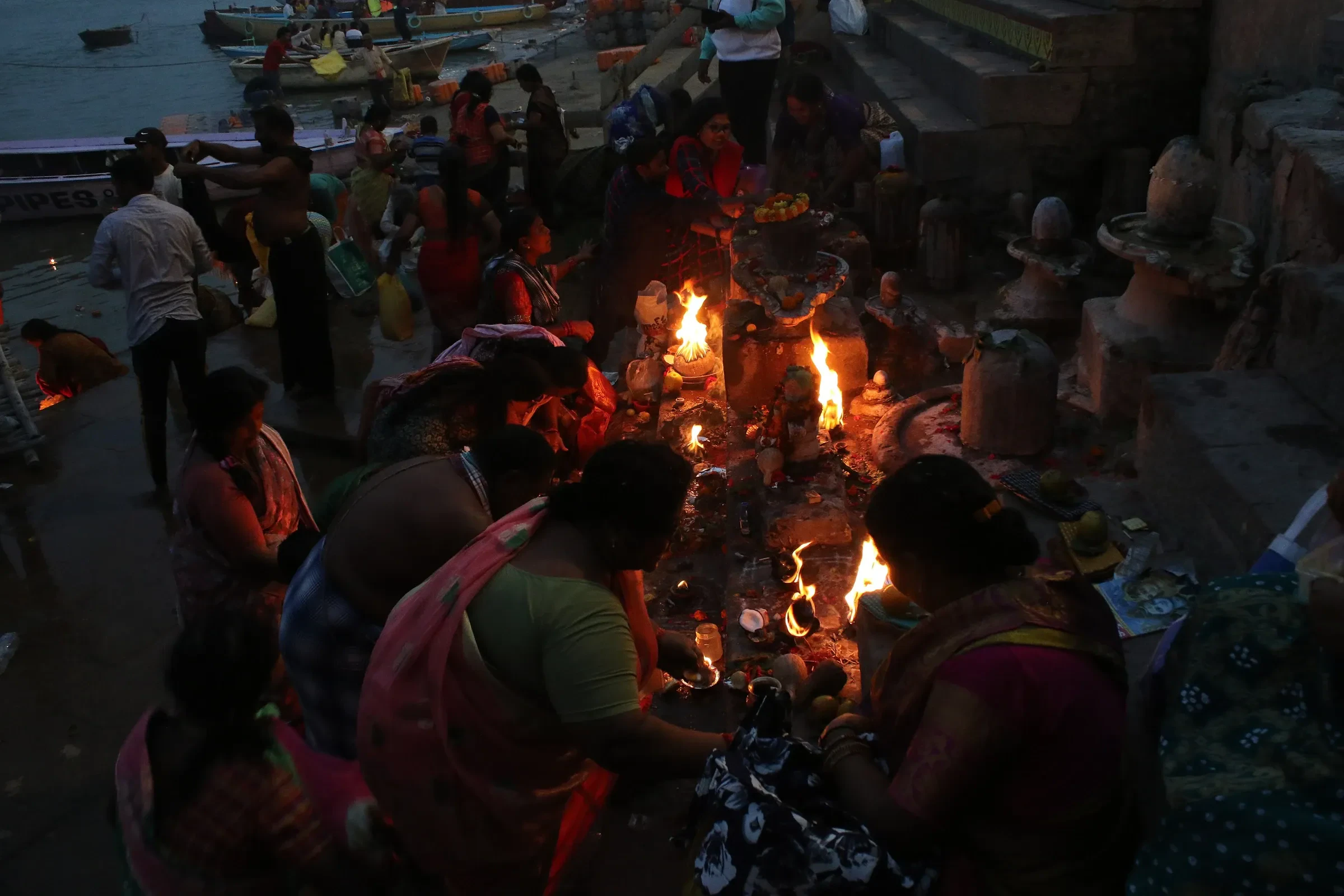
Dev Deepawali means "the Diwali of the gods." According to local tradition, the gods themselves are said to descend to the Ganges on this night to bathe and celebrate, which is why Varanasi lights the riverfront as if for a festival of its own. The night is also linked to Tripura Purnima, when Shiva is said to have defeated the demon Tripurasura, so the full moon carries a second religious meaning beyond the lamps themselves.
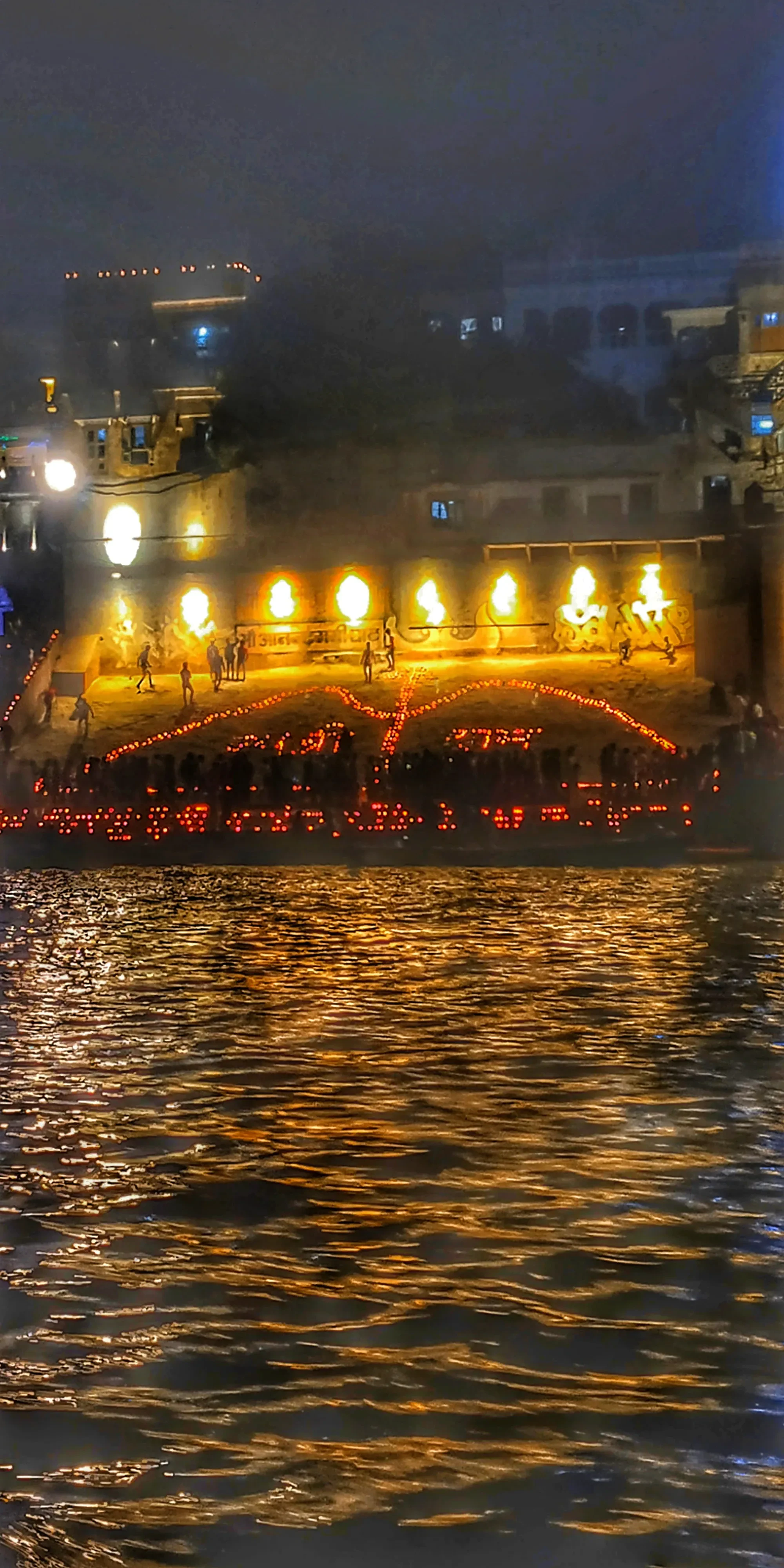
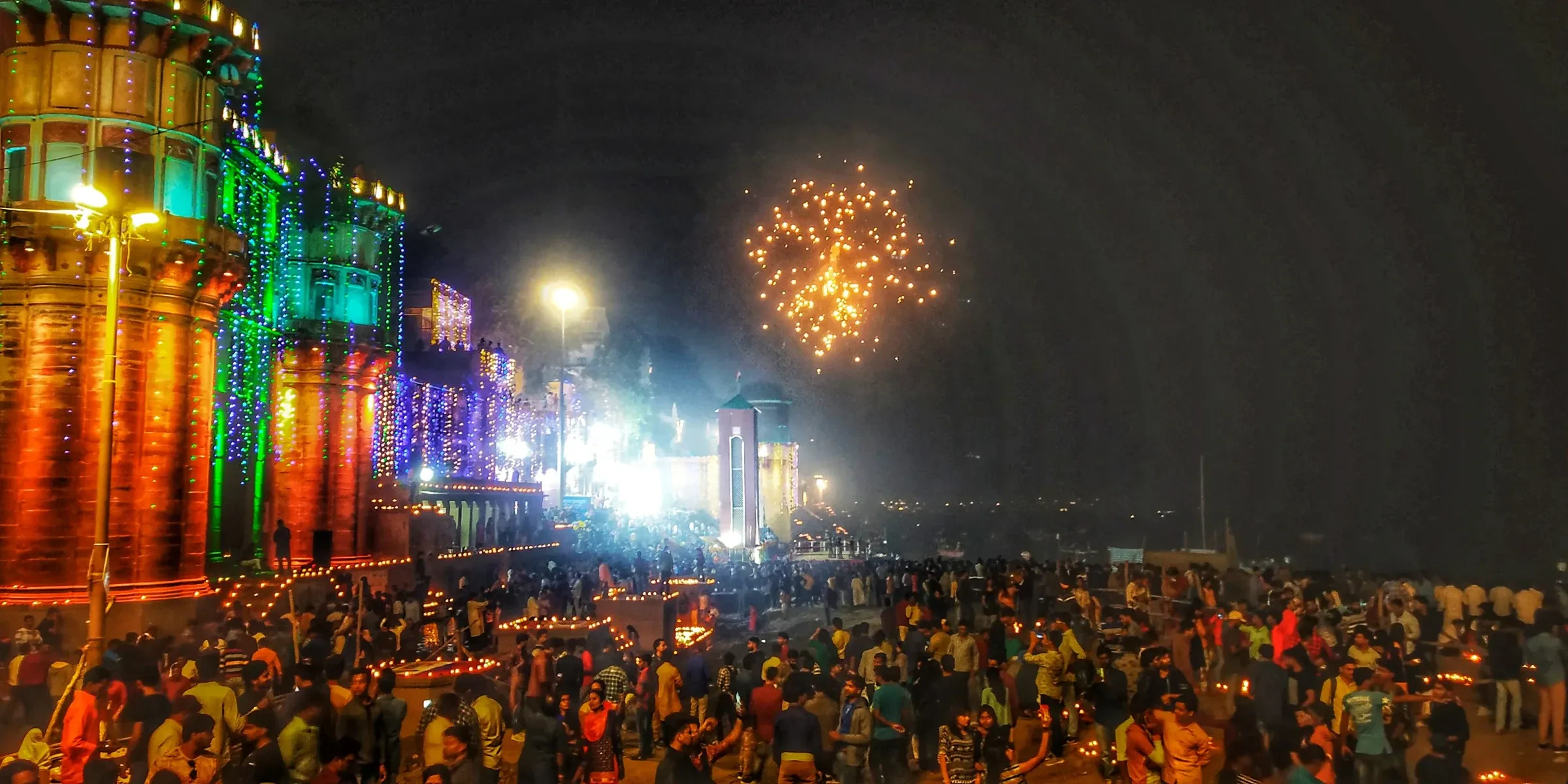
The lamp-lighting tradition on this scale is more recent than it looks. It was started in 1991 by Pandit Kishori Raman Dubey, known as Babu Maharaj, at Dashashwamedh Ghat, and has since grown into a citywide event covering ghat after ghat along the river. More than a million earthen lamps are now lit each year, and the riverfront draws roughly 100,000 pilgrims and visitors on the night itself.
Dev Deepawali is a separate event from Diwali, not a continuation of it. It falls in a different city, on a different date, and looks different: instead of a single night of home lighting and fireworks, it's one continuous stretch of riverfront illuminated at once. For many visitors who've seen both, it's the more visually striking of the two. See our Diwali guide for the earlier festival.
Where to watch it from
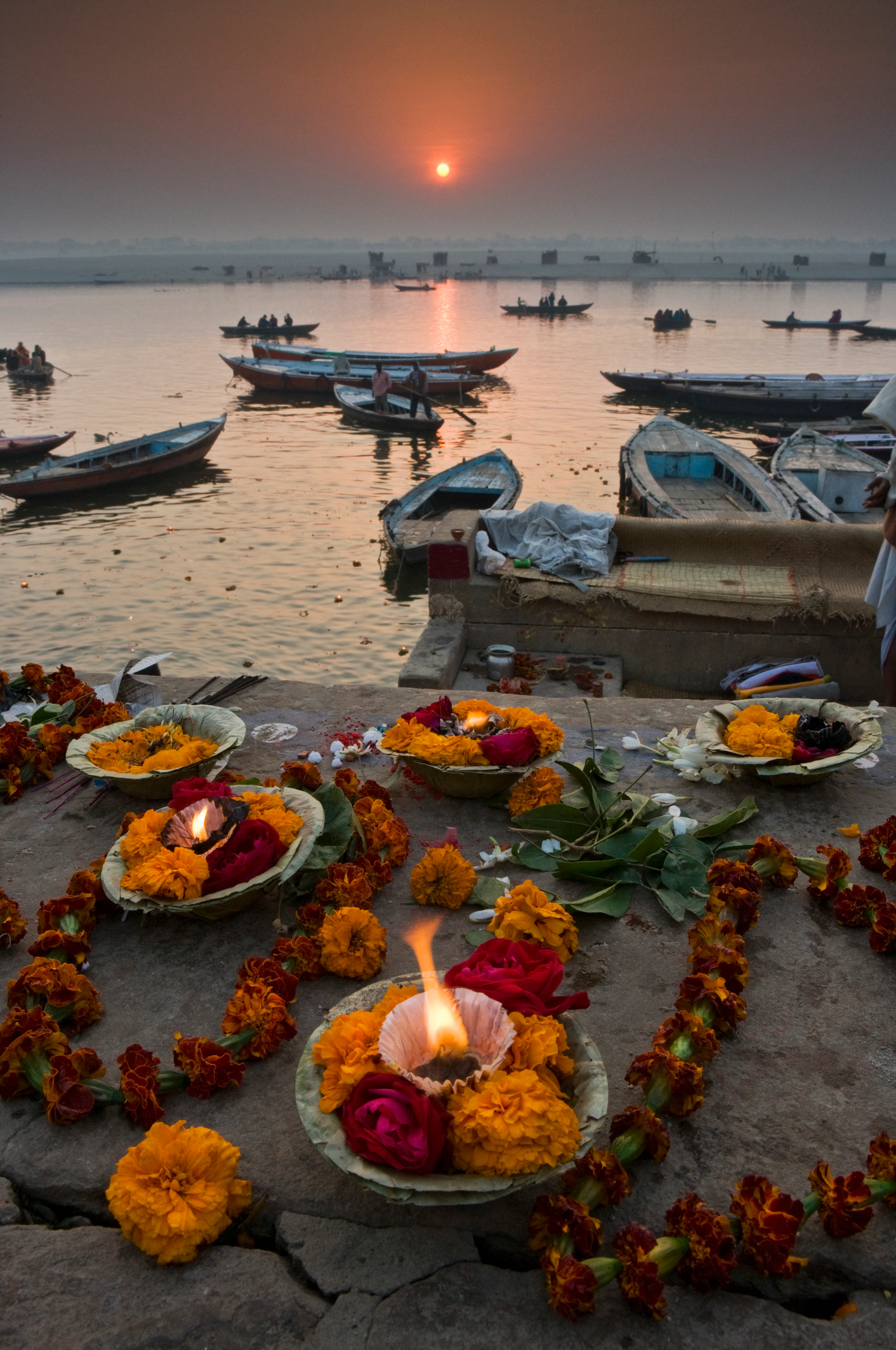
By boat on the river
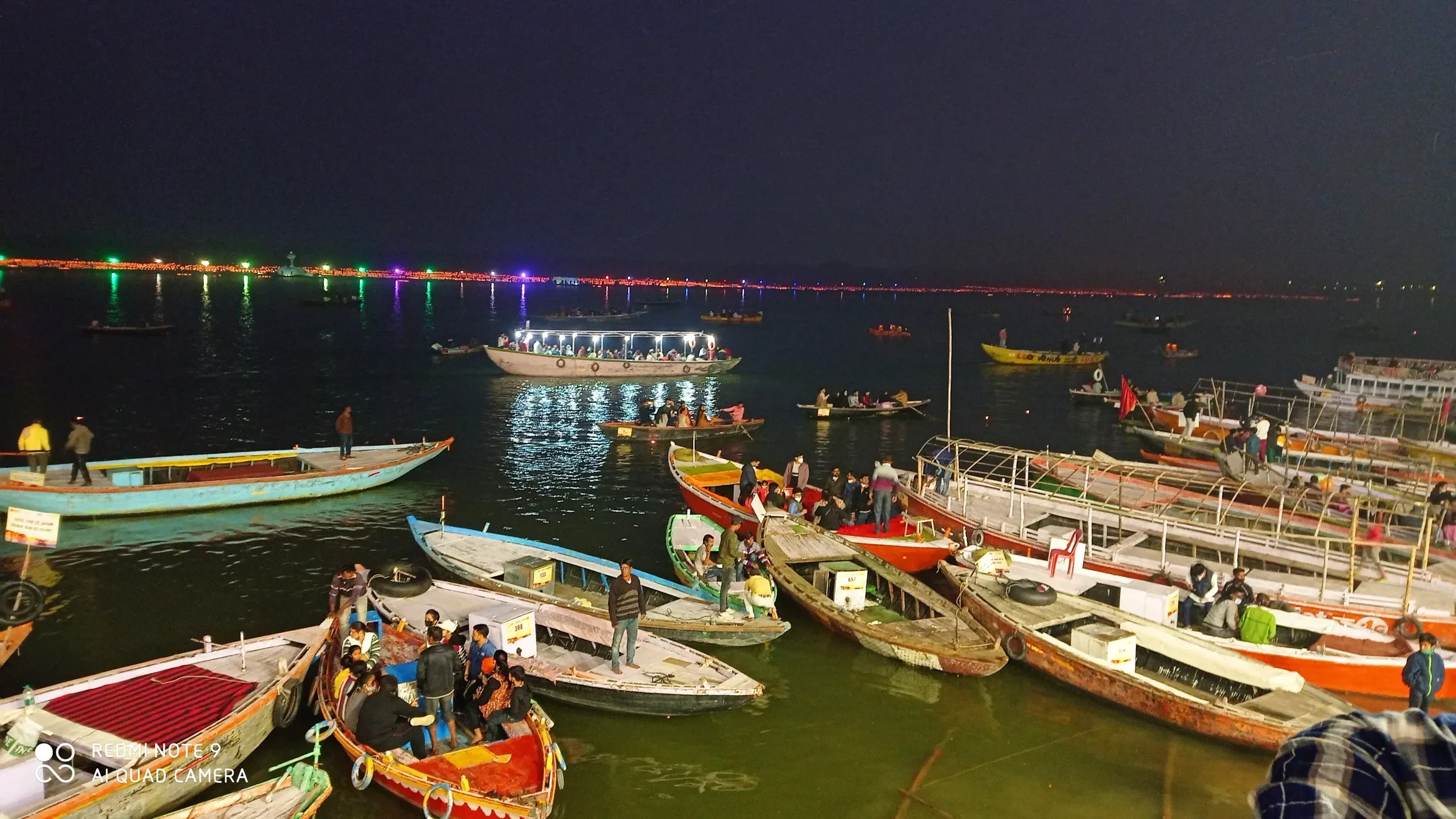
A boat gives the widest view: the full sweep of lit ghats from the water, rather than one stretch of riverbank. It's also the most popular way to watch, which means boats get booked out months ahead and prices climb well above a normal Ganges boat ride. Operators' 2026 prices start at about ₹4,000 per person on a large shared boat and reach about ₹5,500 to ₹6,500 on smaller shared boats; a fully private boat costs several times that. Book as early as you can, since the more comfortable boats sell out first.
Dashashwamedh Ghat
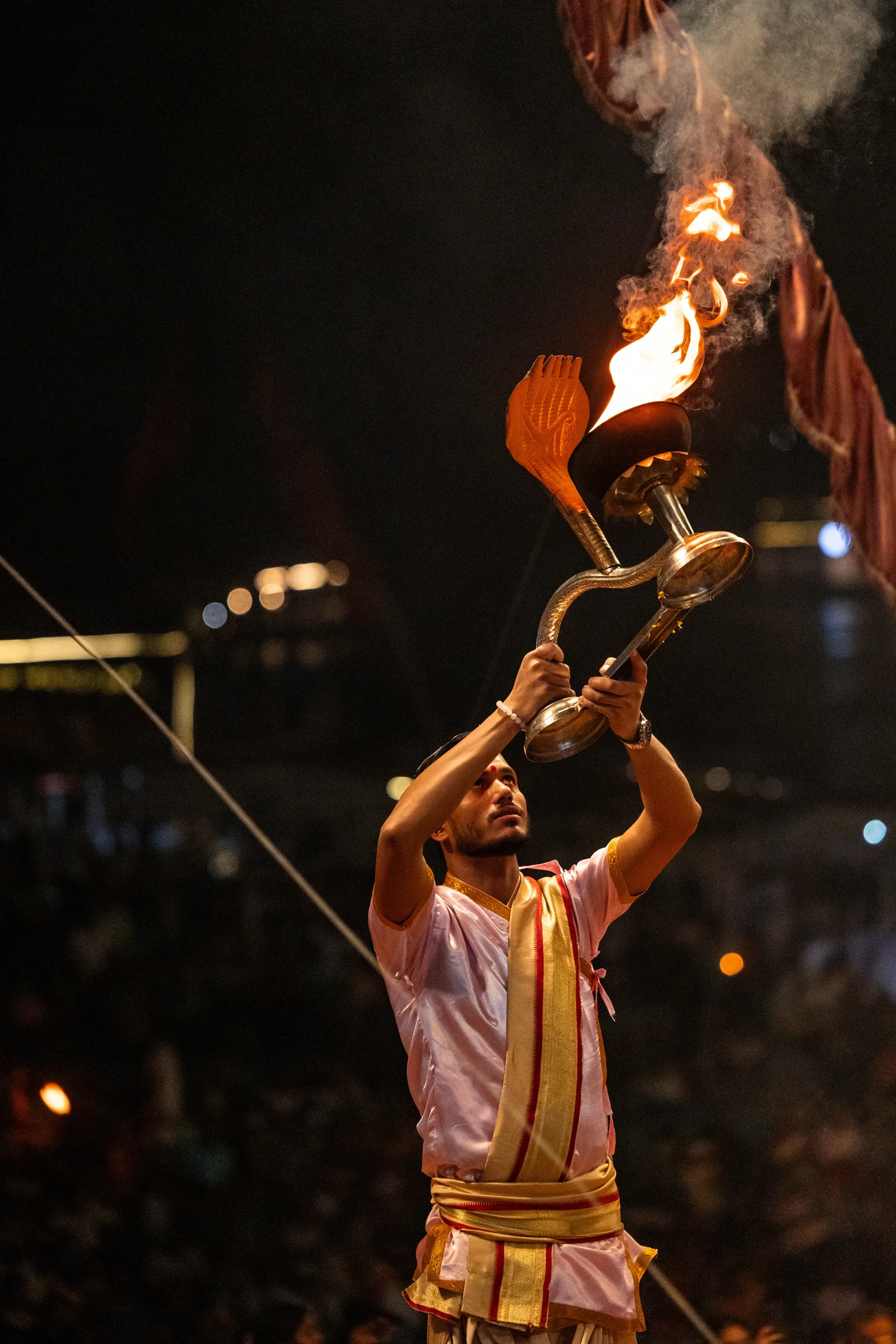
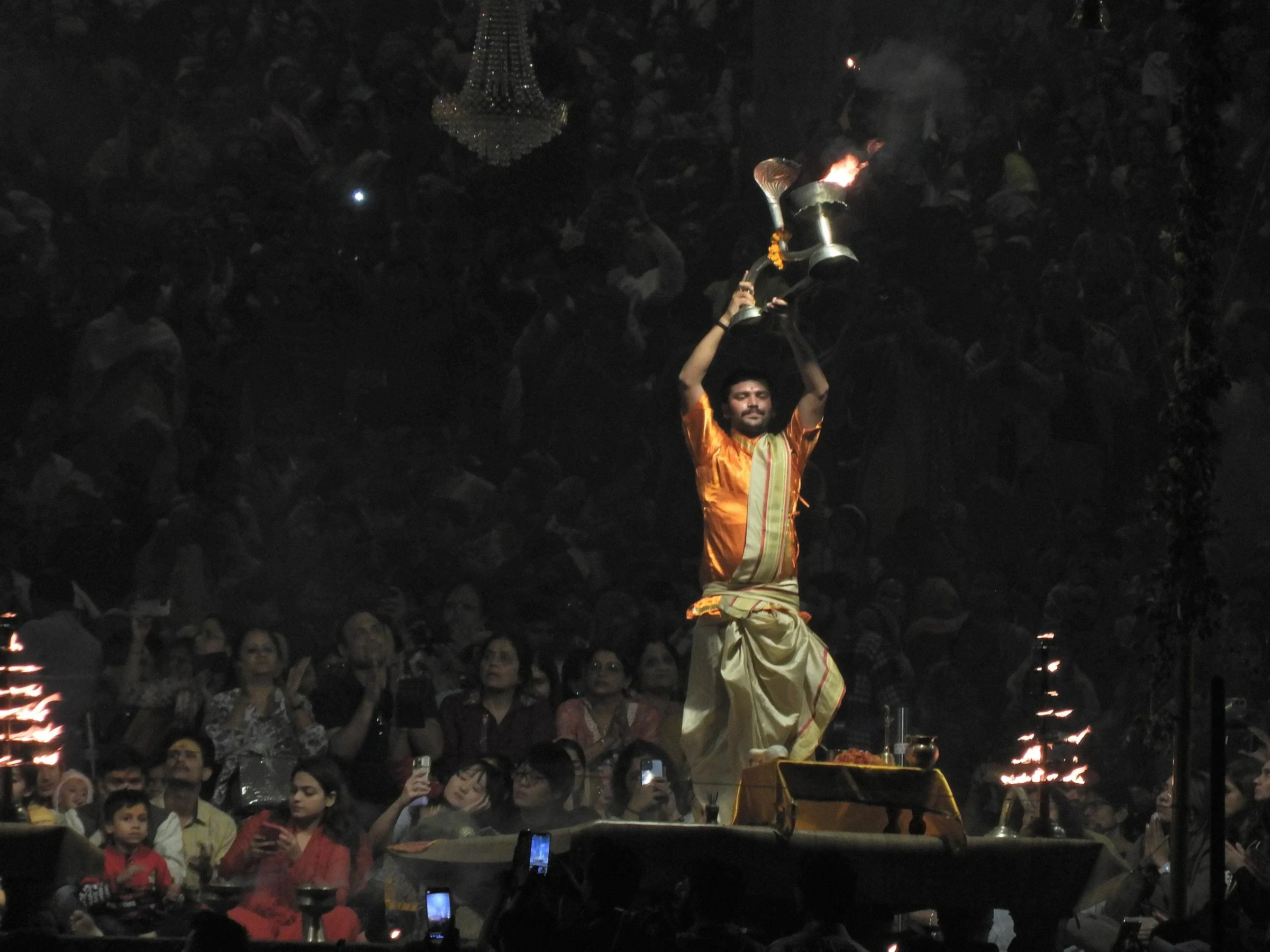
This is where the tradition began, and it still hosts the city's main, extended Ganga Aarti on the night, performed by a large group of young priests with fire, bells and conch shells. It's also the single most crowded spot in the city on Dev Deepawali night, so arrive well before dusk if you want to stand close.
Assi Ghat
A quieter alternative to Dashashwamedh, still fully lit and with its own aarti, and easier to reach and leave without fighting the biggest crowds.
Manikarnika Ghat
Manikarnika is a working cremation ghat, used for funerals every day of the year, Dev Deepawali included. You can see it lit from a respectful distance on a boat, but it isn't a place to stop and watch a show from close up, and photographing it directly is inappropriate.
How the evening unfolds
Afternoon. Volunteers spend the afternoon setting out and filling lamps along every ghat, a visible part of the build-up if you arrive early. Riverside spots fill in steadily through the afternoon.
Dusk. As the sun sets, the lamps are lit in sequence along the entire riverfront, so the light spreads down the ghats rather than appearing all at once.
Evening. The extended Ganga Aarti runs at Dashashwamedh Ghat and other main ghats, longer and larger than the nightly version performed the rest of the year. Boats move slowly along the lit stretch, and people release small floating lamps onto the water.
Late evening. Crowds thin out gradually after the aarti finishes, though the lamps stay lit for a while longer.
Etiquette on the ghats
- Keep a respectful distance from Manikarnika and other cremation ghats. Don't photograph funerals or the people attending them.
- Ask before photographing anyone praying, bathing or lighting a lamp, the same as you would at any private religious moment.
- Take your shoes off if you step onto a temple platform along the ghats.
- Don't touch the lamps or float ones you haven't bought yourself, since many are placed as personal offerings.
What to wear and bring
Dress modestly, covering shoulders and knees, and bring a light jacket: late November evenings by the river are cool. Wear shoes you can manage steep, worn ghat steps in a crowd, and bring cash, since most riverside stalls and boat operators don't take cards. A torch or a phone light helps on the steps once the sun is down.
Safety
The ghats and the water are both extremely crowded on Dev Deepawali night, more so than on an ordinary evening in Varanasi. Boat operators generally provide life jackets, and local police manage crowd flow along the busiest ghats, but you should still stick to the main, well-lit ghats rather than quieter side ones after dark, particularly if you're travelling alone. Keep valuables close in the crush around Dashashwamedh Ghat, and agree a meeting point with anyone you're travelling with in case you get separated in the crowd.
A trip around it
Our Rajasthan & Varanasi trip spends two nights in Varanasi. It isn't built around Dev Deepawali, so check the trip page for current dates before assuming the Varanasi nights line up with the festival. If you want to see Dev Deepawali specifically, the easiest approach is to add a few independent days in Varanasi around the date, either before or after joining a group trip elsewhere in India.
Some travellers ask about combining Dev Deepawali with the Pushkar Camel Fair, since both build to the Kartik Purnima full moon. In practice they're around 1,000km apart by road, in different states, with no direct flight between them, so realistically you'd plan a trip around one or the other rather than both on the same night.