Sapa's weather is nothing like the rest of Vietnam's. At about 1,500 to 1,600 metres in the Hoang Lien Son mountains, it's cool for most of the year and genuinely cold in winter, while Hanoi a few hours away stays warm. Rain, fog and the state of the rice terraces all move together through the year, so picking a month is really about picking which of those three you want.
This guide goes month by month with temperatures and rainfall, then covers the rice terrace seasons, the fog and what Fansipan is like at different times of year. For the rest of what to do and how to get there, see the Sapa travel guide, and for the wider country, best time to visit Vietnam.
Sapa weather by month
The table shows long-term monthly averages for Sa Pa, and Climates to Travel lists almost the same figures. Treat it as a guide rather than a promise: any single year runs a little hotter, cooler, wetter or drier, and a cold snap can push winter nights below these averages.
| Month | Average high | Average low | Average rainfall |
|---|---|---|---|
| January | 12.3°C | 6.2°C | 70 mm |
| February | 14.3°C | 7.8°C | 74 mm |
| March | 18.2°C | 10.8°C | 105 mm |
| April | 21.3°C | 14.0°C | 213 mm |
| May | 22.4°C | 16.3°C | 341 mm |
| June | 22.9°C | 17.6°C | 381 mm |
| July | 23.0°C | 17.7°C | 461 mm |
| August | 23.0°C | 17.4°C | 452 mm |
| September | 21.7°C | 15.9°C | 303 mm |
| October | 19.0°C | 13.7°C | 201 mm |
| November | 16.1°C | 10.2°C | 106 mm |
| December | 13.2°C | 7.0°C | 66 mm |
July averages 461 mm of rain against 70 mm in January, and no month's average low reaches 18°C, so pack a warm layer even in summer.
The cool, dry season: September to November and March to May
These two windows are the best time to go. Skies are clearer than in winter, the paths are drier and less slippery than in summer, and daytime temperatures in the high teens to low twenties are comfortable for a full day's walking. Late September through November is the stronger of the two, since it lines up with the golden rice harvest below. September itself still averages 303 mm of rain, so October and November are the drier part of that window. March to May is a close second: it warms up as it goes, rain climbs from 105 mm in March to 341 mm in May, and the terraces are flooded for planting by May. Book homestays ahead for September and October, the busiest weeks.
Winter: December to February
Sapa is properly cold in winter, with average lows of 6 to 8°C and cold snaps that push nights close to freezing. Frost on the ground and on plants is common on the coldest mornings, and fog can sit over the valley for days at a time, hiding the terraces and the mountains. Snow in the town itself is rare. It fell in January 2016, cold enough to make international news, but frost and fog are the usual winter weather. Bring a proper warm jacket, a hat and warm socks if you're travelling now, especially for a homestay night, and expect some trekking days to be grey rather than clear. Tet, the Lunar New Year, also falls in this window most years and gets busy. Tet 2027 is on Saturday 6 February, and the public holiday around it hasn't been set yet. Best time to visit Vietnam has more on the date.
Summer: June to September
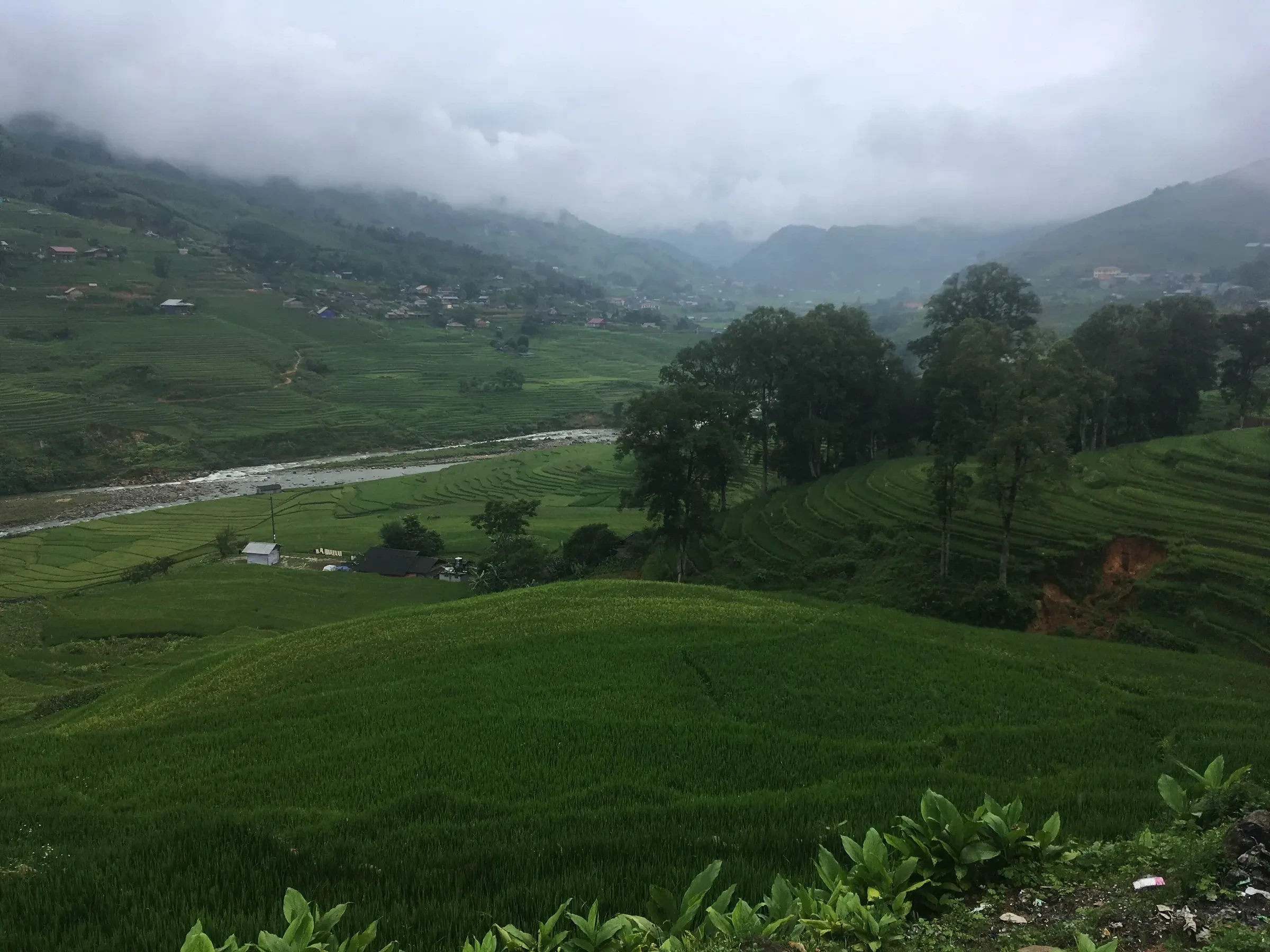
June to September is the wettest stretch, with July and August each averaging well over 400 mm of rain. Rain often falls in heavy bursts rather than all day, and the terraces are at their greenest, but the trails turn to slick clay and heavy rain can trigger landslides and floods on the mountain roads in and out of Sapa.
Two recent examples. On 4 May 2026 a rockfall blocked National Highway 4D at Ta Phin from about 2am until around 9am. After Typhoon Bualoi in late September 2025, Lao Cai's tourism department suspended tours to Sapa and other areas, more than 3,700 foreign tourists were stranded in Sapa (reported on 30 September 2025), and tourist routes had reopened by 13 October 2025.
If you're trekking now, build in some flexibility and expect a wetter, muddier version of the valley walks. Late August is when the terraces start turning gold, so the end of the wet season overlaps with the start of the harvest.
When the rice terraces are planted and when they turn gold
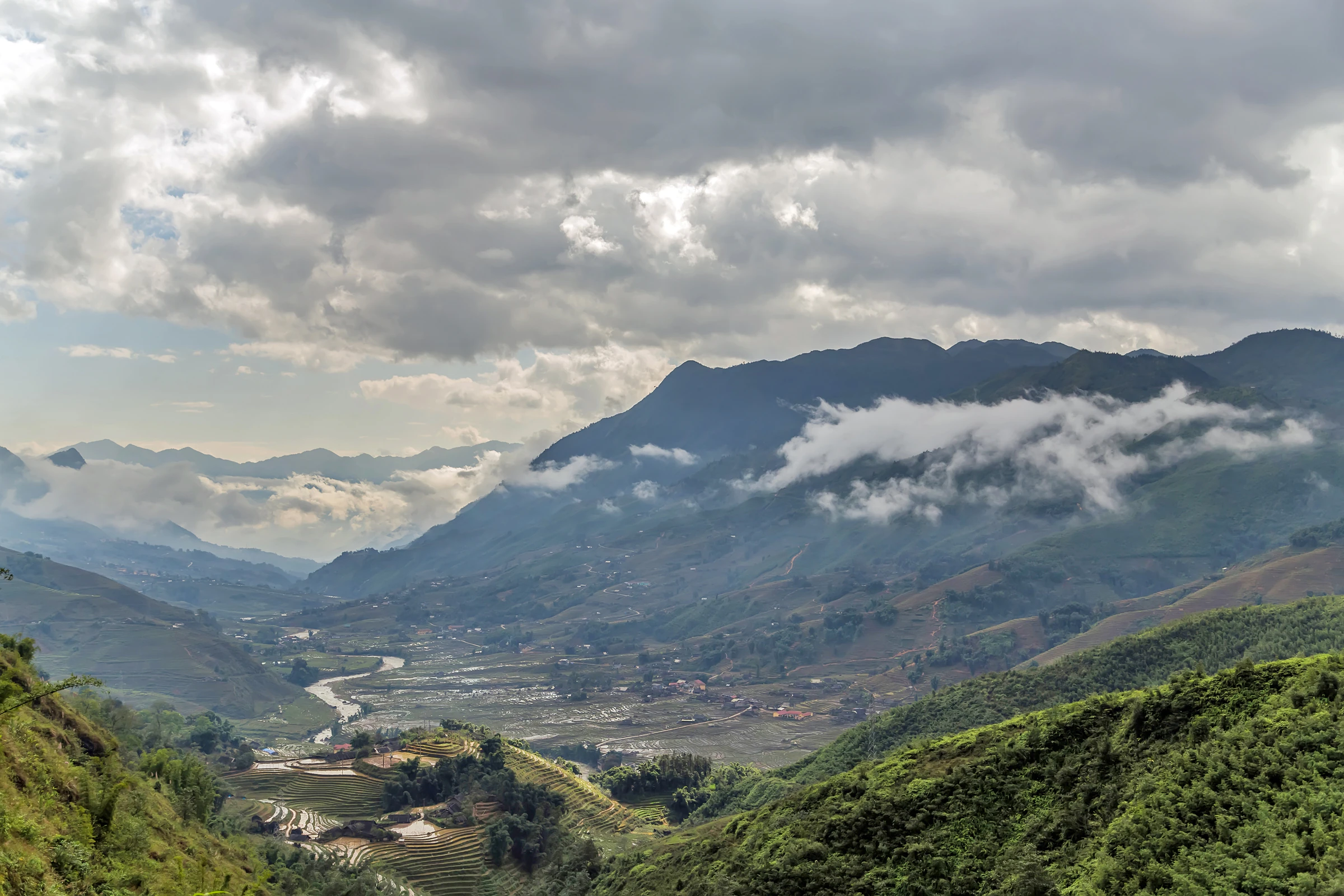
The Muong Hoa valley's terraces run on their own calendar, separate from the weather.
- Planting, roughly May to June. Farmers flood each level of the terraces with water from mountain streams before planting, so the valley fills with flat, mirror-like pools that reflect the sky and the hills around them. Mid-May to early June is usually the peak for this "water season" look.
- Growing, June to August. The terraces turn a deep green as the rice grows, right through the wettest part of the year.
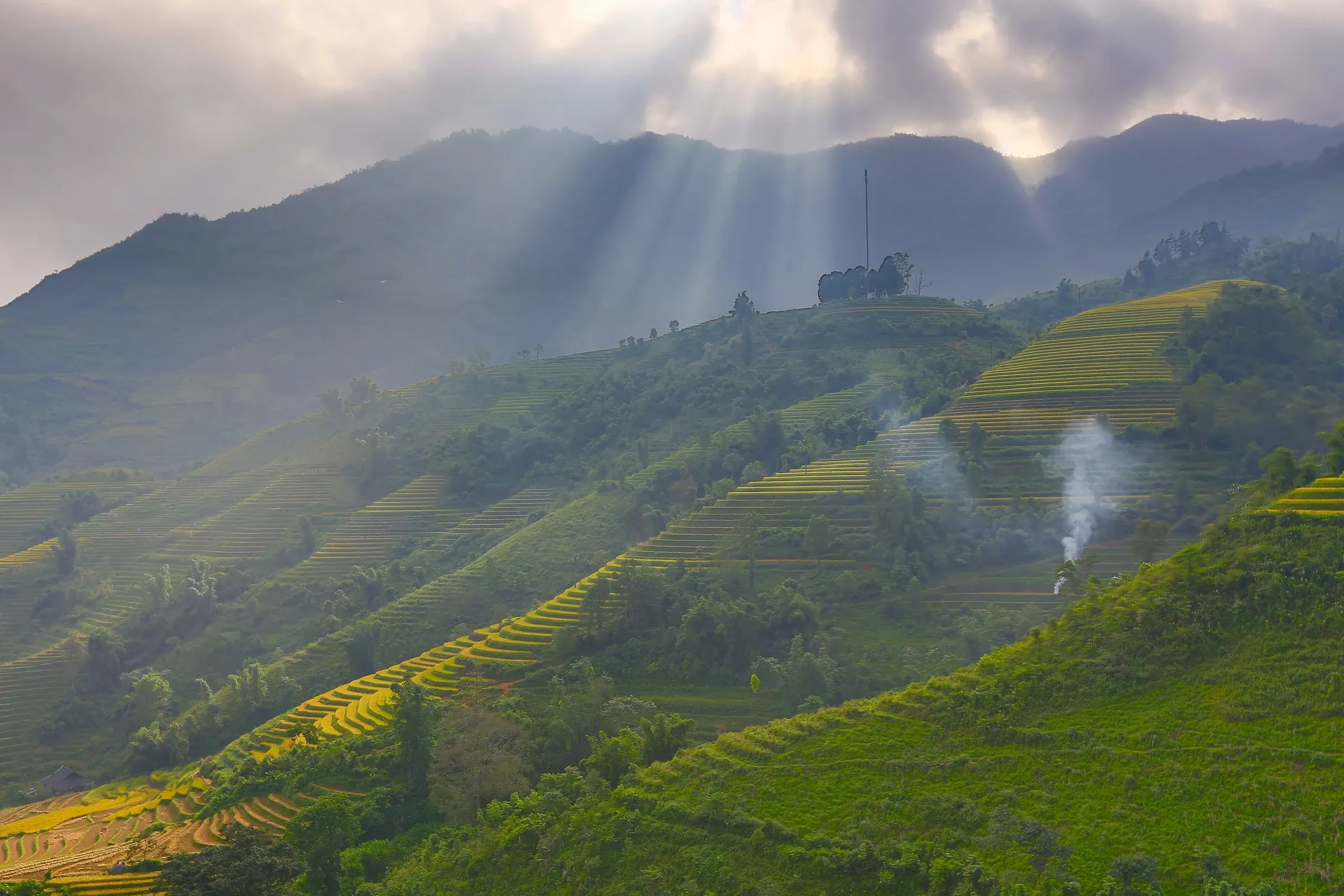
- Gold and harvest, late August to early October. The rice ripens and the valley turns gold, starting in patches from late August. September is usually the peak, and the cutting runs through September and early October. By late October many fields are already cut. Trekking and homestay demand is highest now, so book ahead.
- Bare, roughly late October to April. After the harvest the terraces are brown stubble, with frost on some winter mornings, until farmers flood them again.
Timing is never exact, since it depends on the weather each year and on which terraces you're looking at. September is the safest bet for gold, early October can still have patches, and May is the month for the flooded, mirrored look.
Fog in Sapa
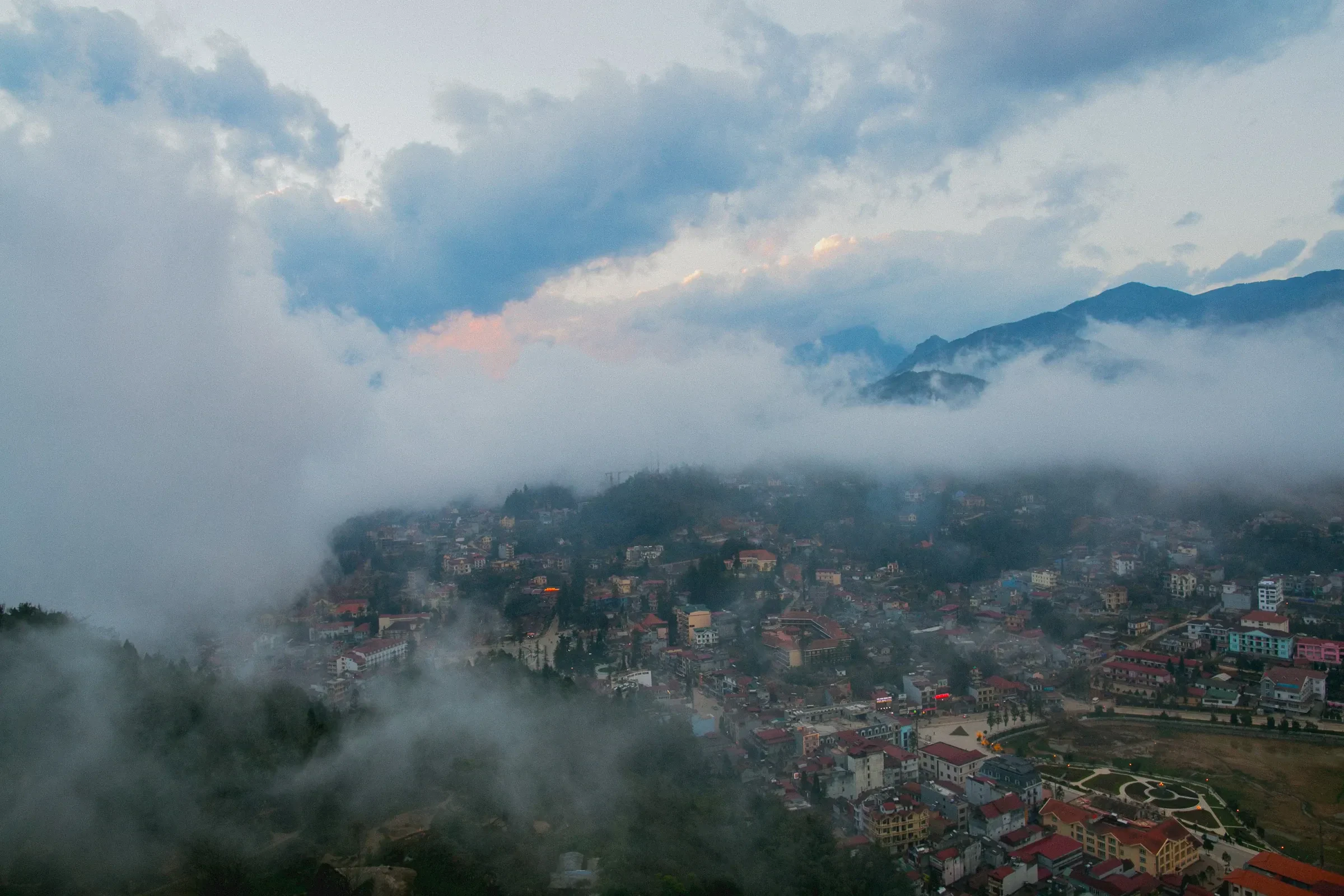
Fog is normal here. It's most persistent from December to February, when low cloud can sit over the town and the valley for days, and it also shows up on cooler mornings the rest of the year, usually clearing by mid-morning. Fansipan's summit is often in cloud even when the town below is clear. If a view matters to you on a given day, wait until mid-morning and check the forecast rather than assuming an overcast dawn will stay that way.
Fansipan conditions by season
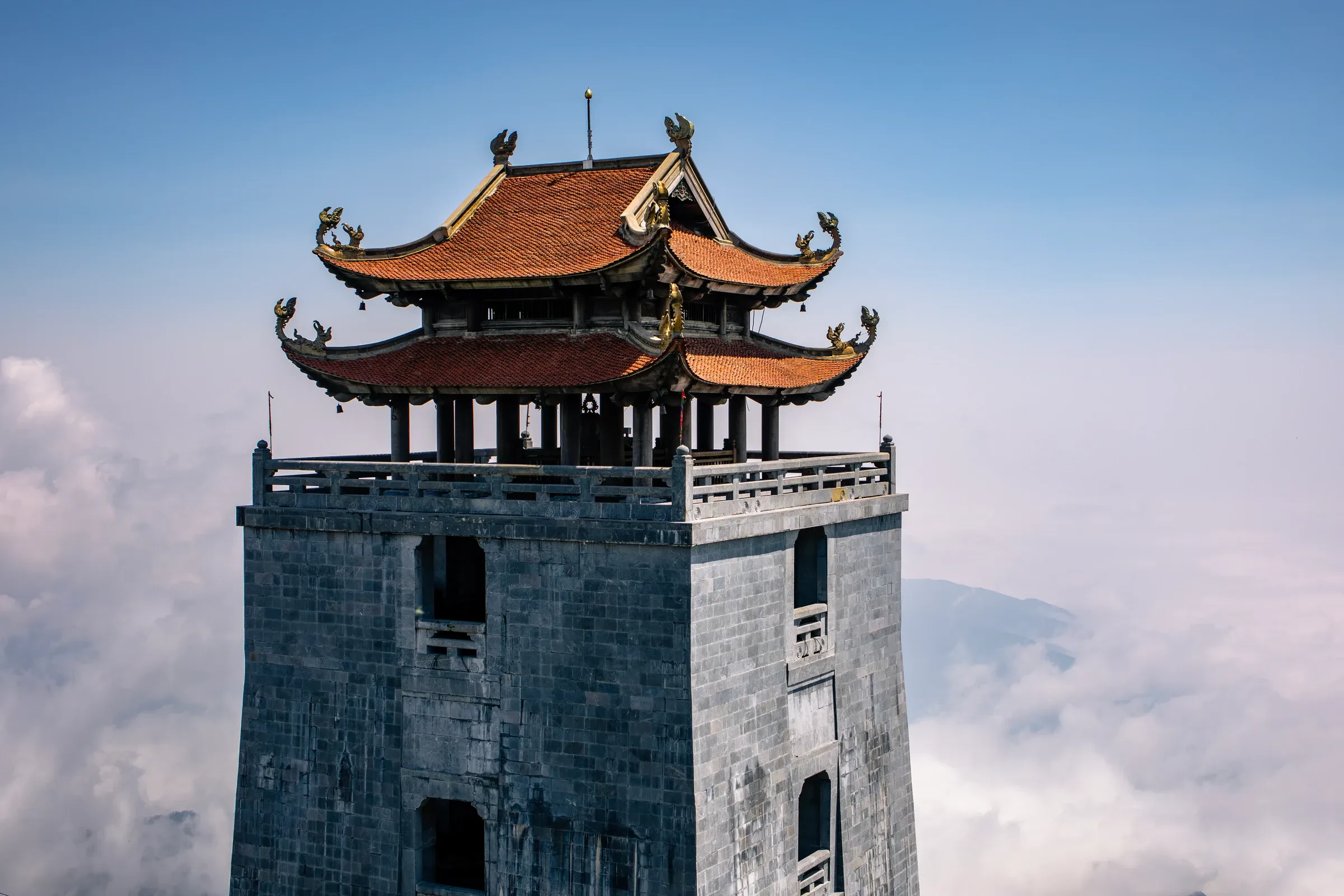
At 3,143 metres, Fansipan runs colder and windier than the town at any time of year. Winter, from about November to February, is the harshest: temperatures near the summit can sit close to freezing, and frost is common on the ropes and railings near the top. Frost and ice on the ropes and railings are more common than snow. Snow is rare and never guaranteed: light snow dusted the summit on 18 December 2025, and a heavier fall came on 26 January 2025. Cloud regularly covers the summit even on a clear day in town, so go up early if you're taking the cable car, and don't attempt the on-foot route in poor weather. March to May and September to October, the same clear windows that suit trekking below, are also the best months for a Fansipan trip. Our Sapa trekking guide covers the cable car and the hiking route in full.
Best time for...
- Clear views and comfortable walking: September to November, or March to May.
- The golden rice harvest: September, with patches into early October.
- The flooded, mirrored terraces: mid-May to early June.
- Lush green terraces: July and August, if you don't mind heavy rain, mud and a higher landslide risk on the roads.
- Fansipan's clearest skies: the same dry windows, September to October and March to May.
Sapa on our trips
Our Northern Vietnam Mountains trip is the one trip that goes to Sapa. After the Ha Giang Loop it has a walk to Cat Cat, a full day of trekking through the Muong Hoa valley to Ta Van and a homestay night there. The trip page has the current departures.