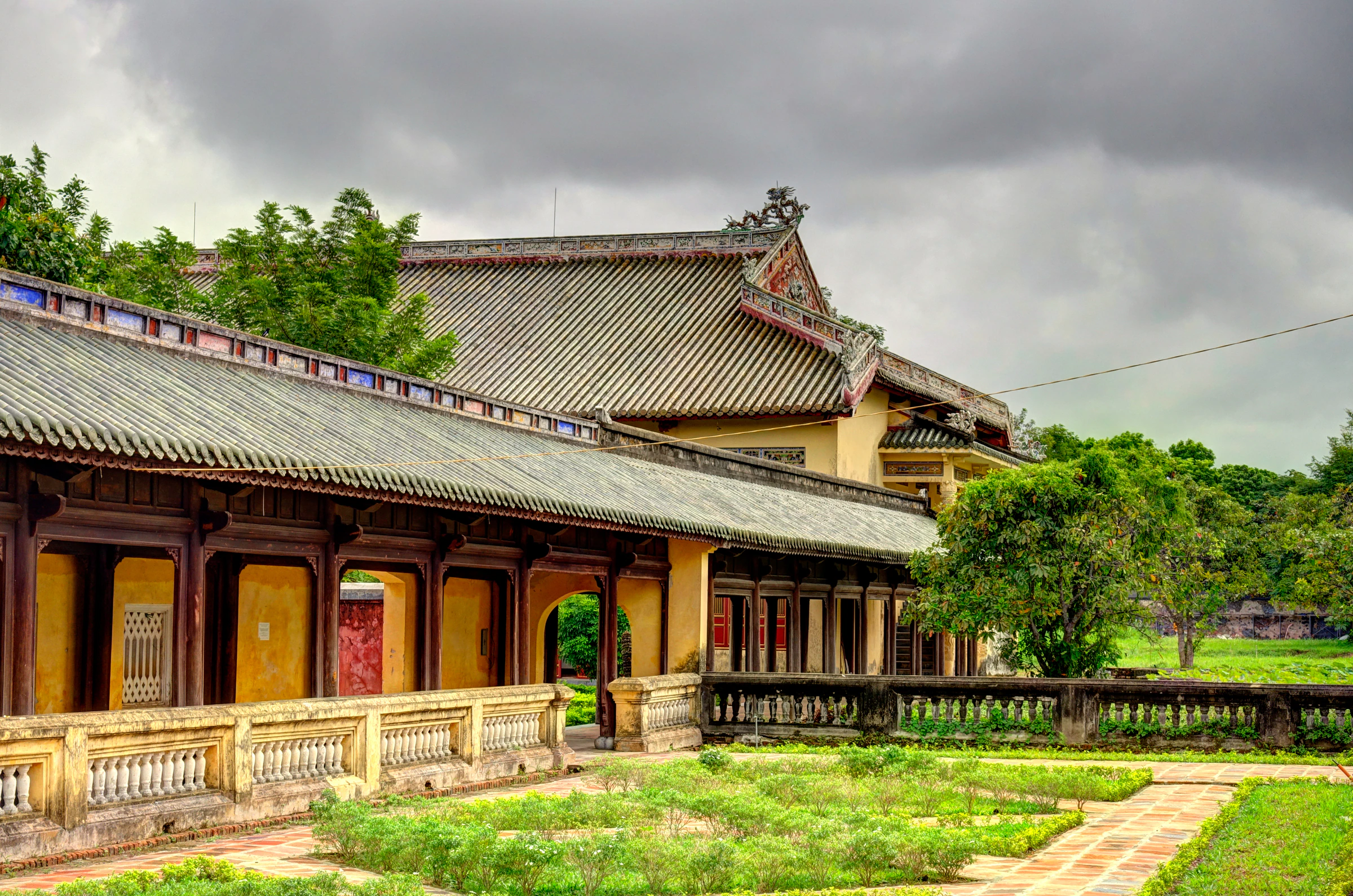
What the Hue Festival is
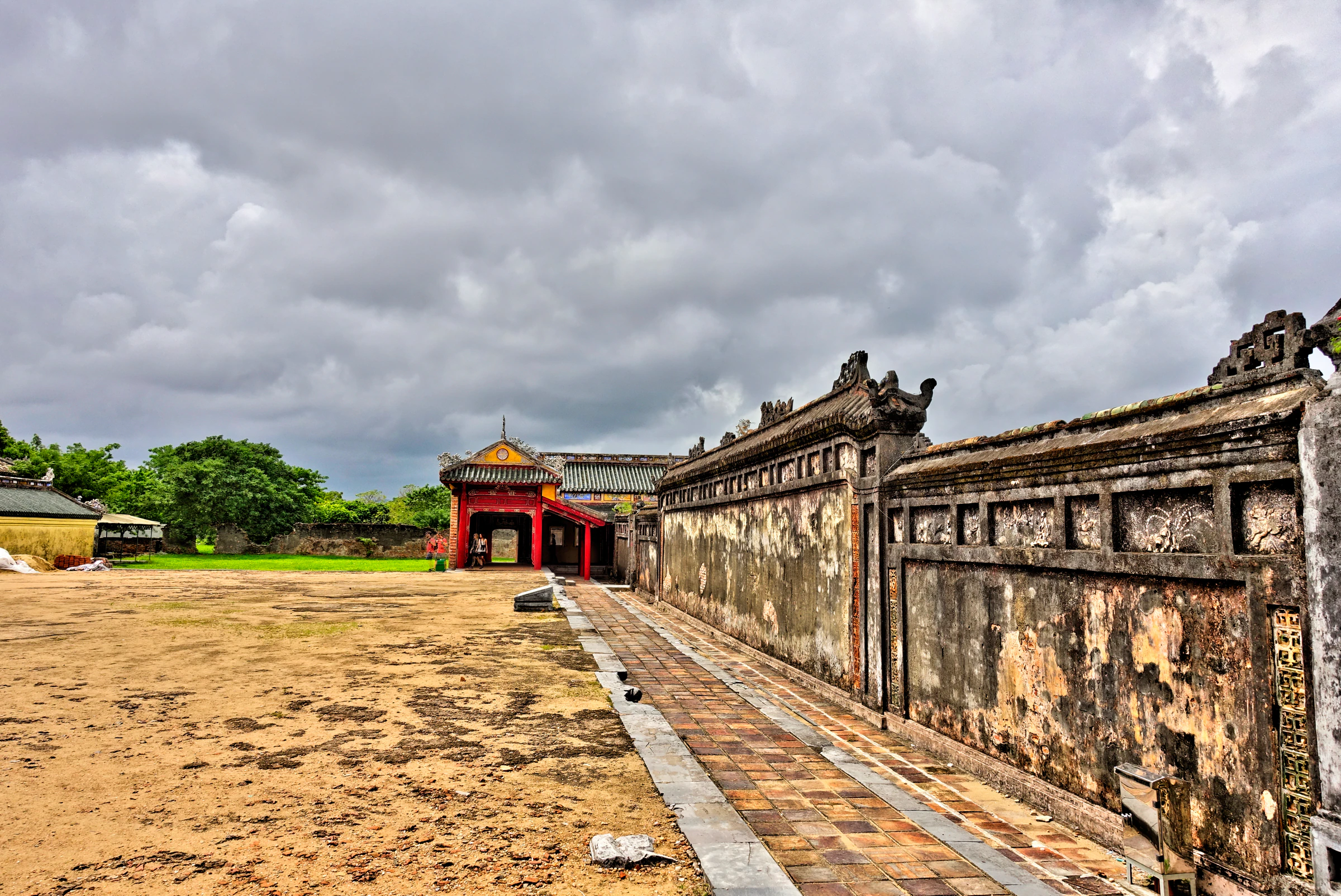
Hue Festival started in 2000 as a biennial arts festival built around the city's history as the last capital of Vietnam's Nguyen dynasty: royal court music and dance, craft-village fairs, light shows against the citadel walls. In 2026, Hue city's government reshaped it into a year-round programme of about 80 events, split into four themed seasons rather than one packed week every two years. The change means a Hue visit can land on something happening almost any month, rather than only in festival years.
The four seasons for 2026 ran like this. Hue hasn't said whether 2027 will repeat the model, but it's the best guide to how the year may look:
- Spring (January to March), "Tradition and resurgence": royal ritual reenactments and Tet-season folk festivals, including ceremonies tied to the Lunar New Year
- Summer (April to June), "The shining imperial city": the festival's biggest push, building to the International Arts Festival Week in mid-June, with performing arts troupes, citadel light shows and street parades
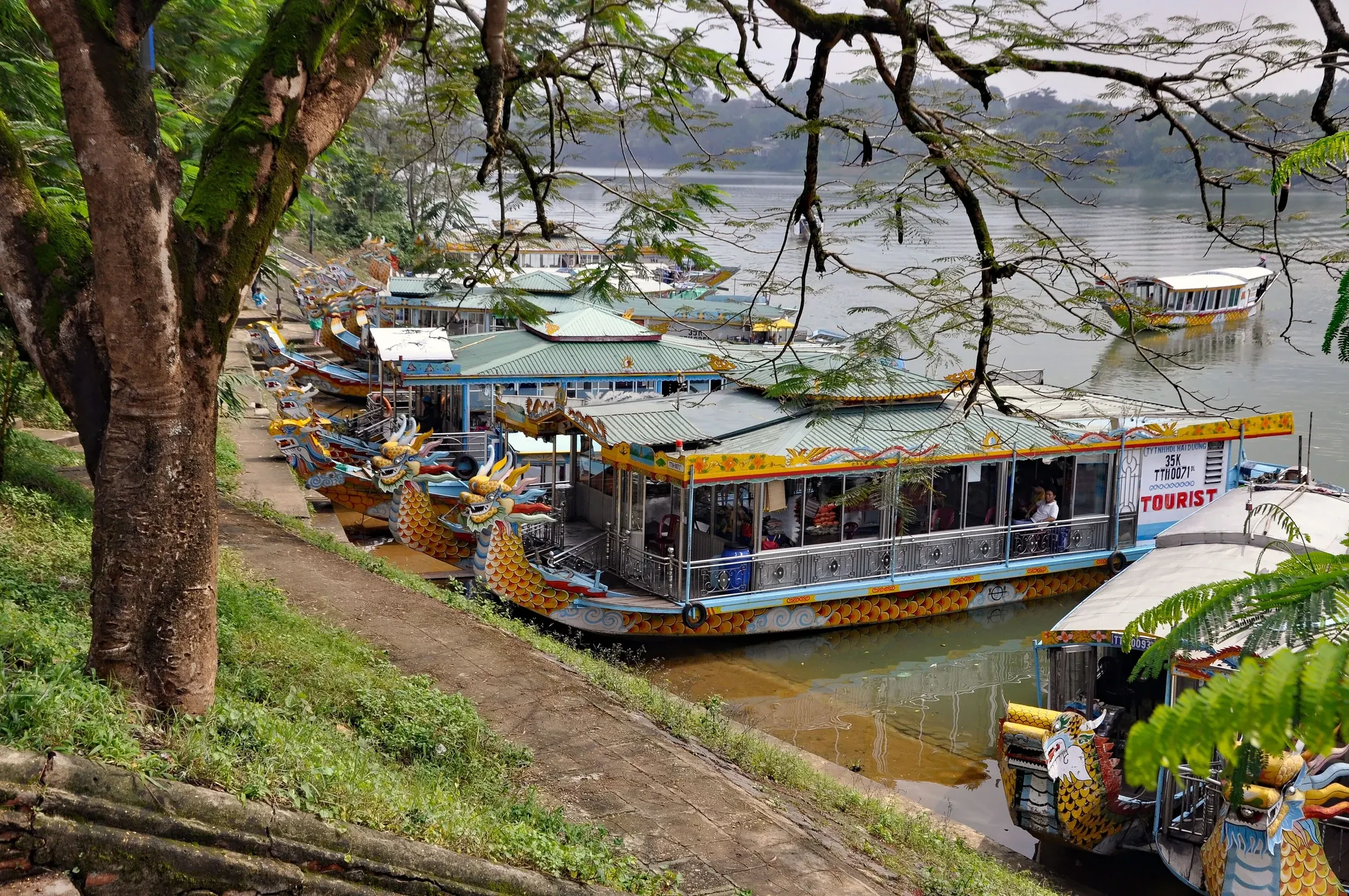
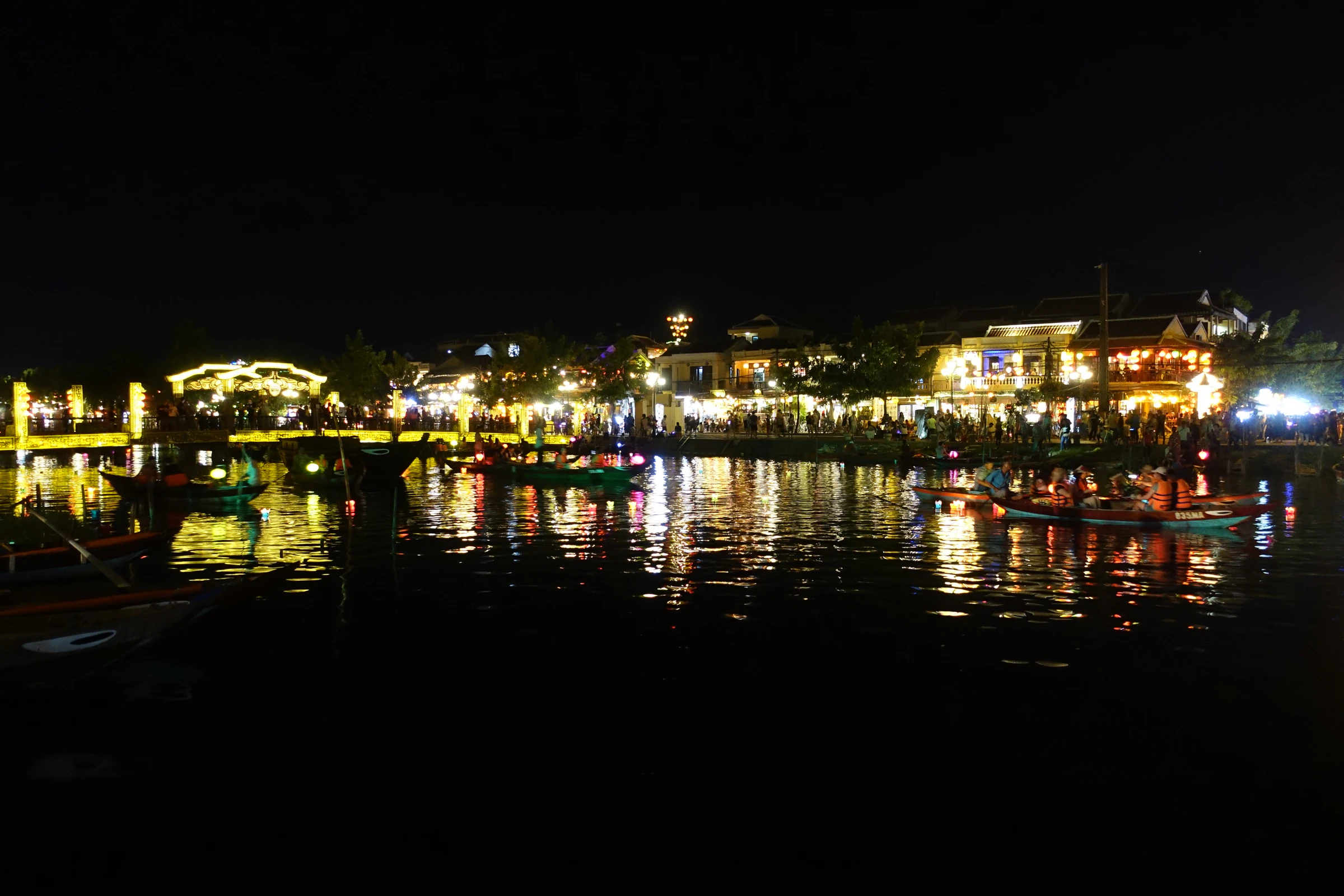
- Autumn (July to September), "Hue in its most romantic season": Mid-Autumn Festival events, a lantern festival and boat races on the Perfume River
- Winter (October to December), "A season of warmth and reflection": music programmes and a New Year countdown event, running now as of early October 2026
What happened at Hue Festival 2026
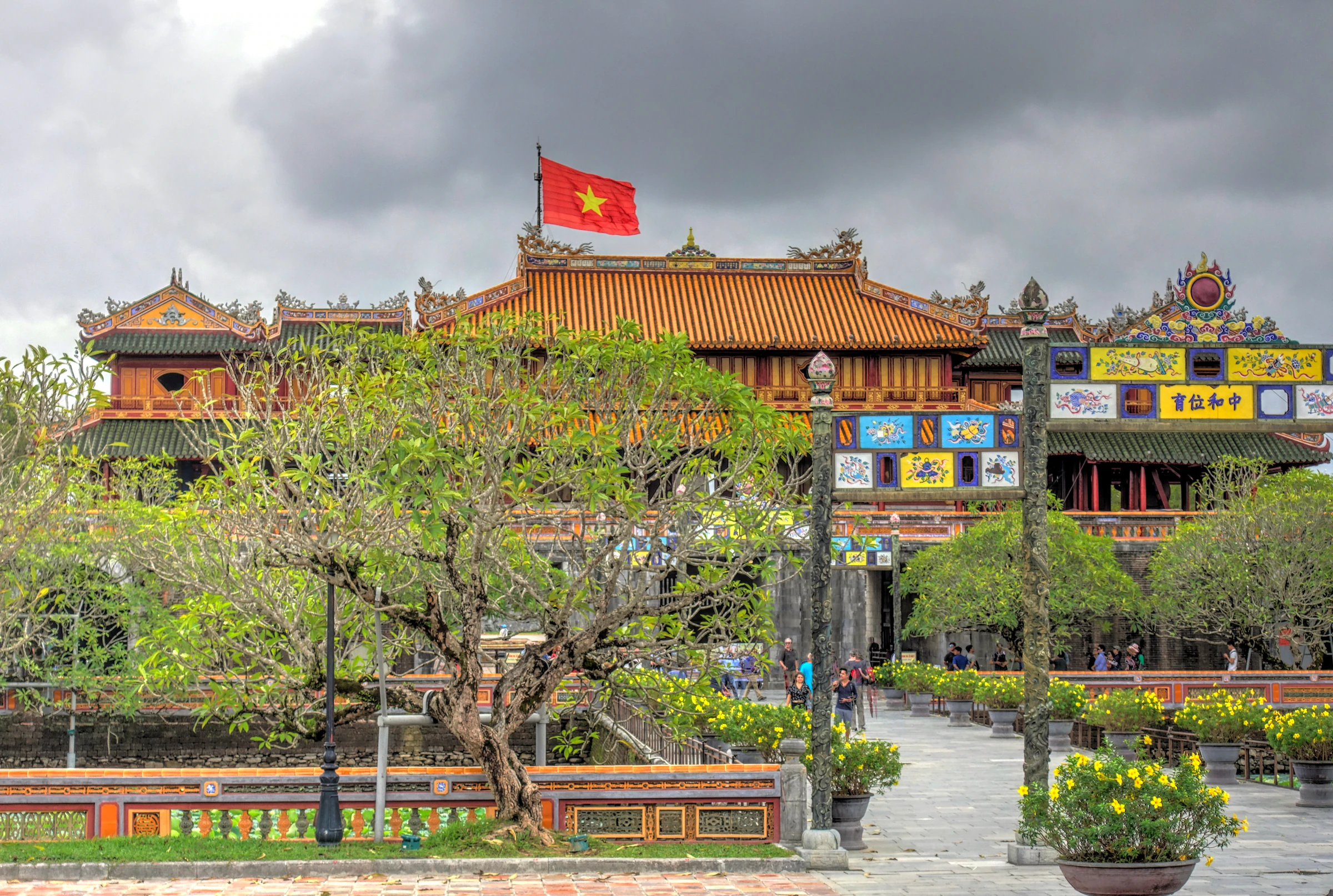
2026 was the first year Hue ran the festival as one continuous programme. The year opened on 1 January at Ngo Mon Square with a reenactment of the Ban Soc ceremony, reported by VOV, and about 80 activities were planned across the four seasons.
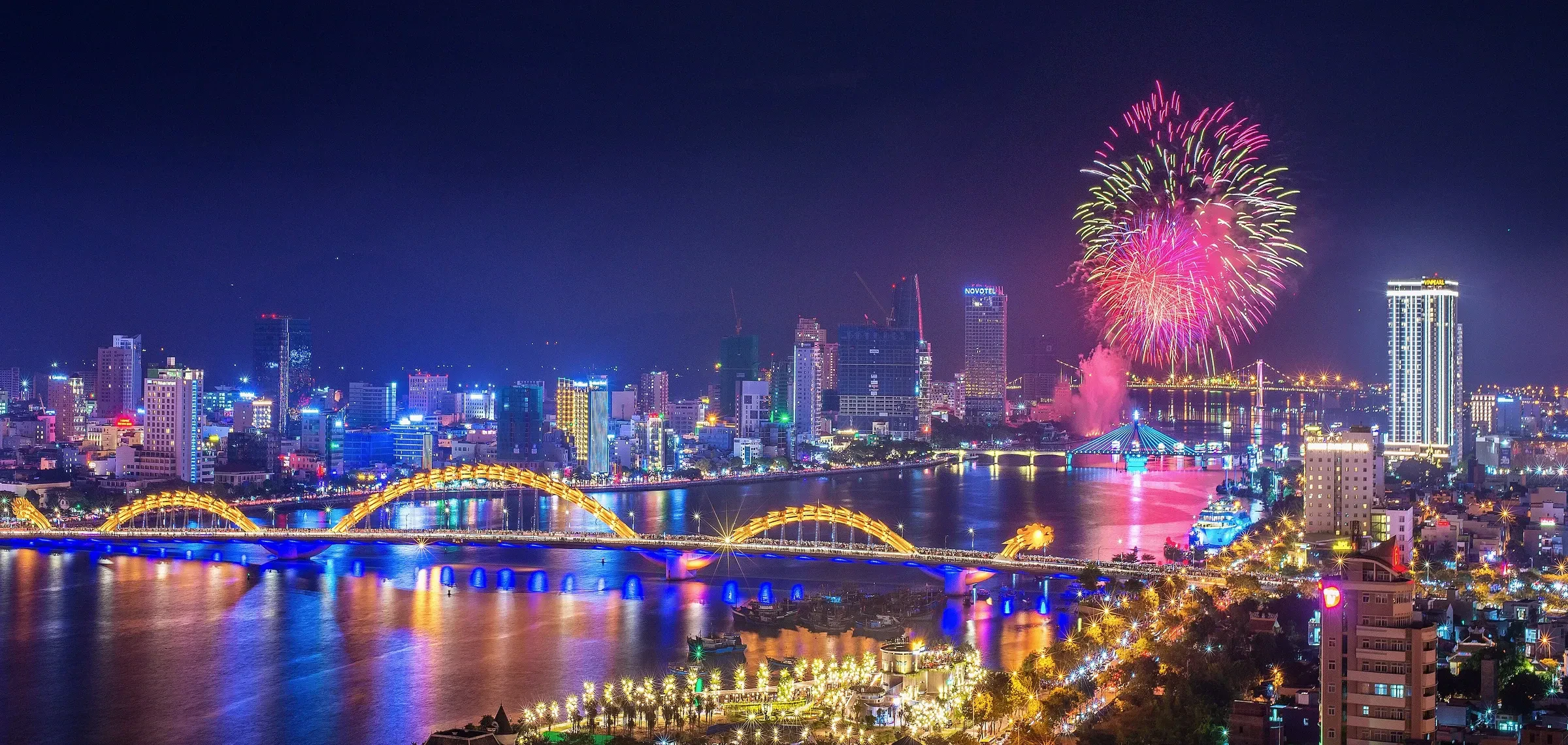
The International Arts Festival Week followed from 13 to 18 June under the theme "Cultural Heritage with Integration and Development". Tourism pages describing the programme list an opening ceremony at Ngo Mon Gate, a theatre piece with hundreds of performers and fireworks that ran about two hours from 8pm, and Colours of Culture street parades on 14 and 16 June. Stages stood at the Imperial City, An Dinh Palace and the Perfume River banks, with domestic and foreign troupes. Closing fireworks went up from the river near Trang Tien Bridge on 18 June, from about 9pm.
Most of that comes from tourism pages written around the event. We haven't found an official closing report, so we aren't quoting attendance figures.
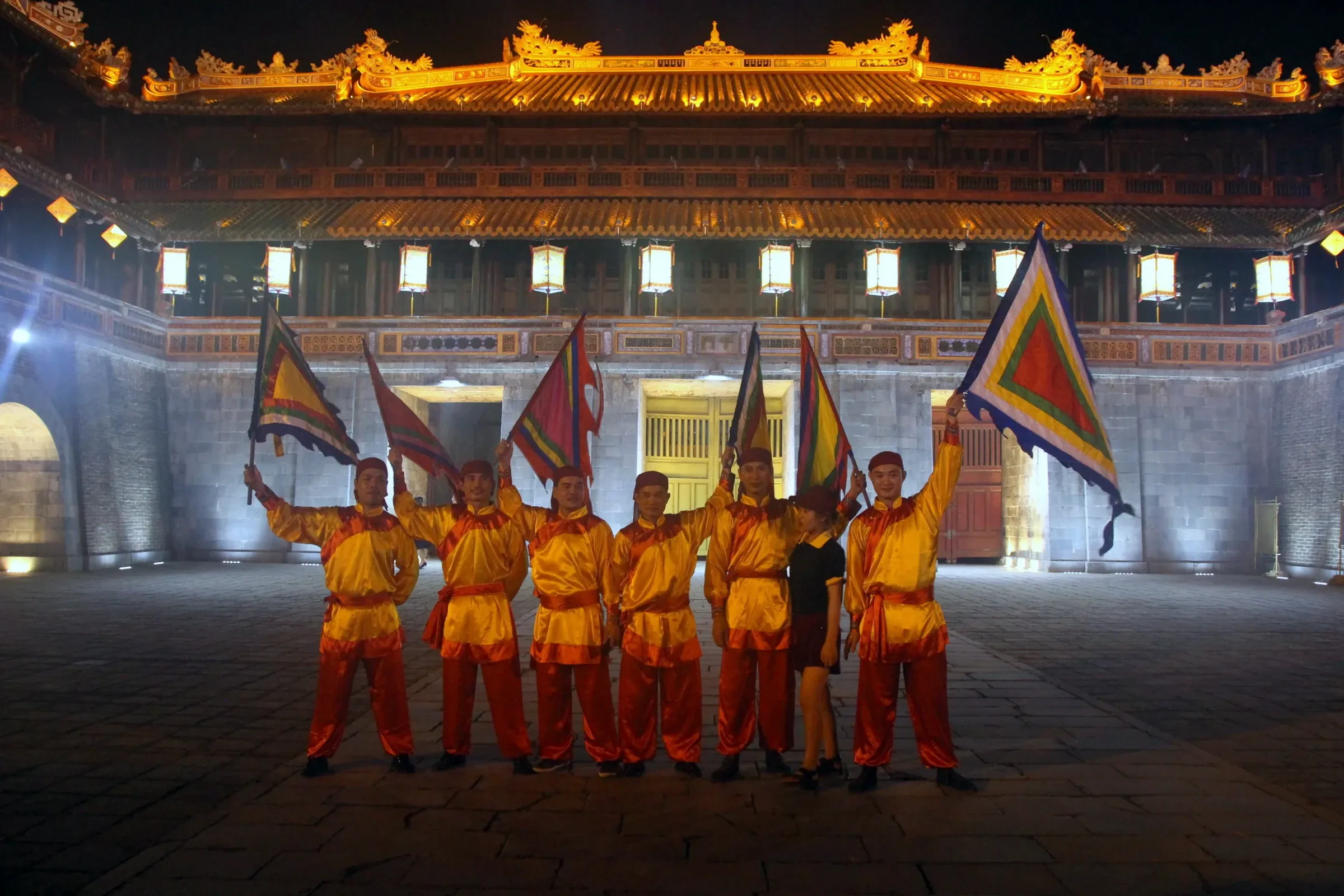
The setting is the World Heritage Imperial City of the old Nguyen capital, and the festival has run since 2000. Interest in Hue is rising too: Vietnam News reported about 238,200 foreign visitors over the 2026 Tet holiday, a 207% rise.
Where to see it
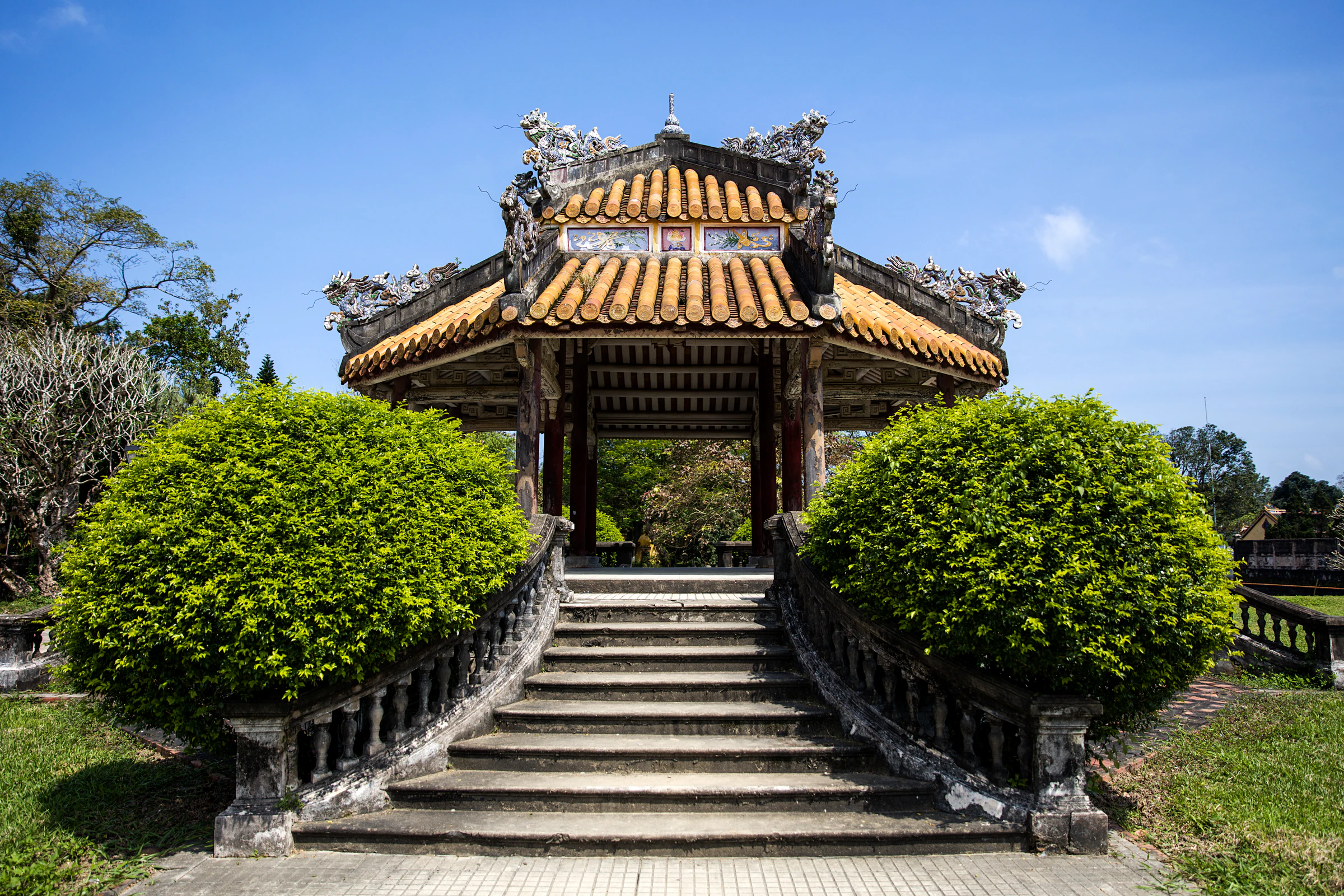
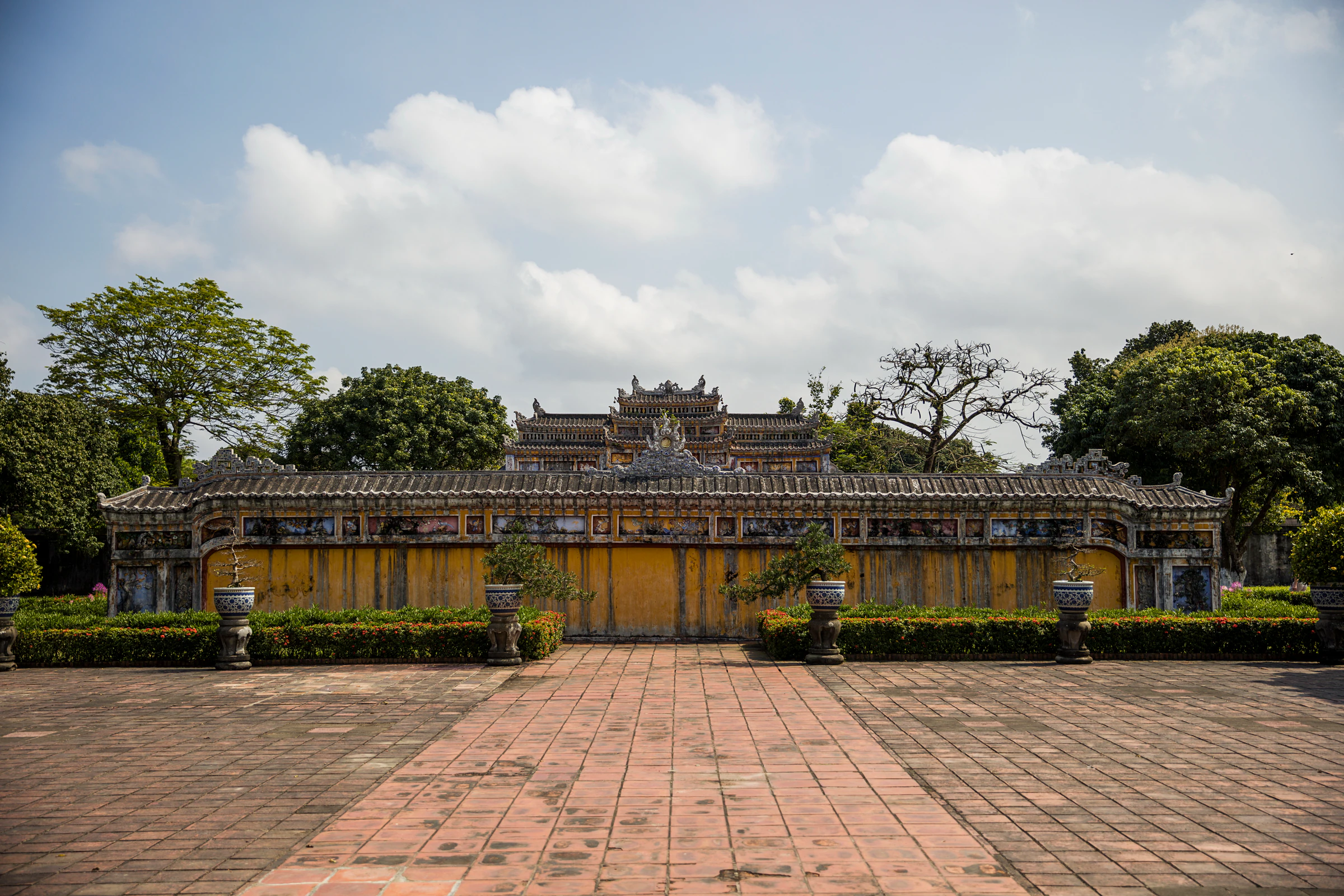
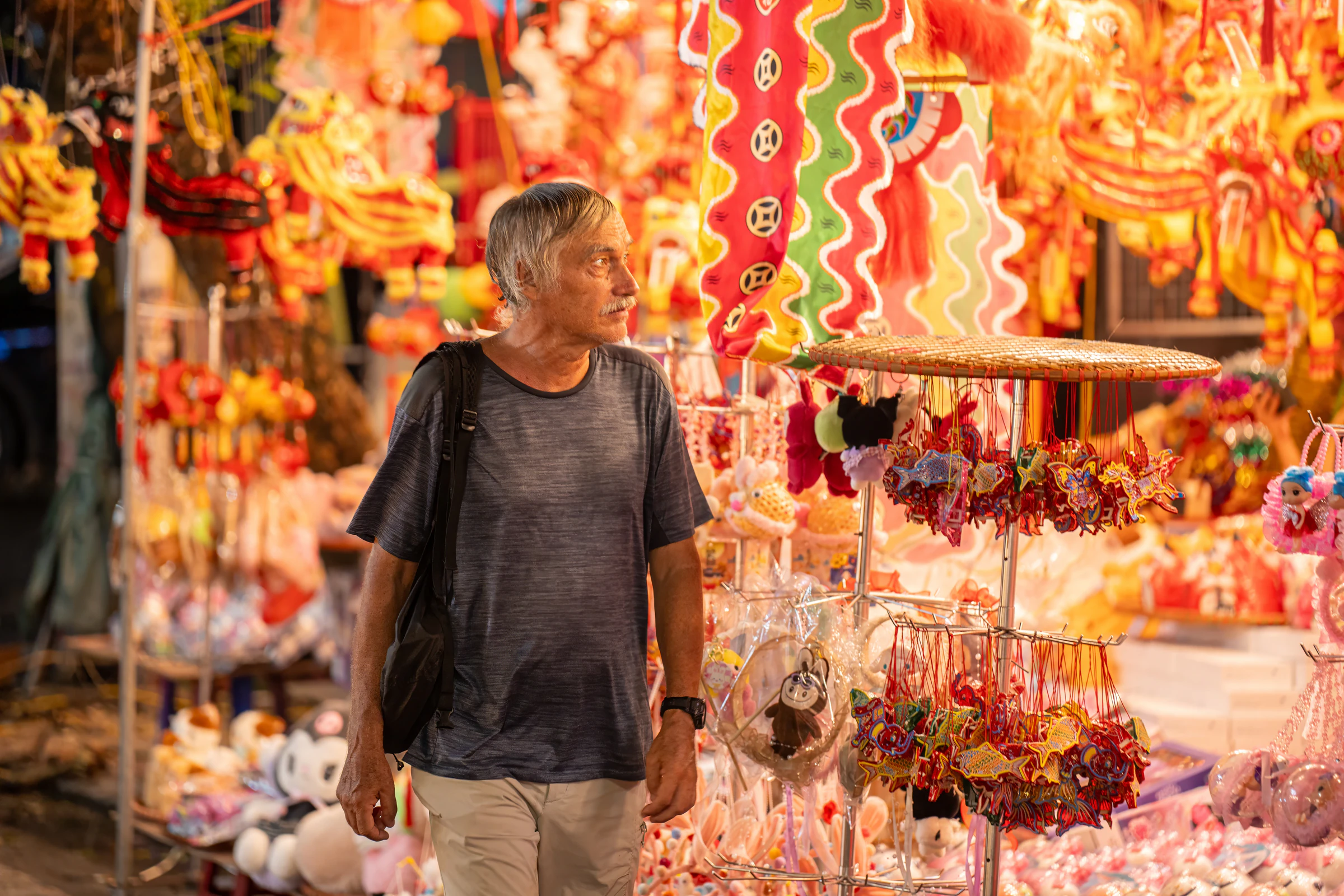
The Imperial Citadel hosts the biggest events, especially during the International Arts Festival Week: it's where the light shows, opening ceremonies and citadel-set performances happen, inside the walled complex you'd visit anyway for its regular sights. The Perfume River carries the boat-based events, including royal court music performed from a dragon boat and, in autumn, boat races. Nghinh Luong Dinh, a riverside pavilion near the citadel, hosts free royal court music at points through the year, independent of the main festival calendar. Craft villages around Hue also run fairs as part of the programme, worth adding on if you already like Vietnam's food and craft markets.
What happens day by day
Because the festival now spans months rather than a single week, what's on depends on which season you're visiting in. In 2026, the International Arts Festival Week brought an opening ceremony with fireworks, street parades, evening performances from domestic and international arts troupes and closing fireworks over the river. Outside that week, the "festival" is more a scatter of smaller events: a ceremony one week, a music evening the next. Check huefestival.com's events listing shortly before you travel rather than assuming something is on every day.
How to join in and etiquette
What to wear and bring
Hue runs hot and humid from April through August and can turn wet from September through December, so check the season you're travelling in against our best time to visit Vietnam guide. Bring a light rain jacket for autumn and winter evening events, comfortable shoes for standing through outdoor performances, and a power bank, since queues for citadel entry and event seating can run long during the Arts Festival Week. Insect repellent is worth packing for riverside evenings too.
Safety
A trip around it
Hue is already a stop on most north-to-south Vietnam routes, sitting between Phong Nha's caves and Hoi An's Old Town. Our central Vietnam itinerary covers Hue over 1 week or 10 days alongside Phong Nha, the Hai Van Pass and Hoi An, and works whether or not a festival event happens to overlap. If you'd rather build a trip around the Arts Festival Week, wait for the 2027 calendar, usually published in November or December, then plan around the dates it gives.