What DIFF actually is
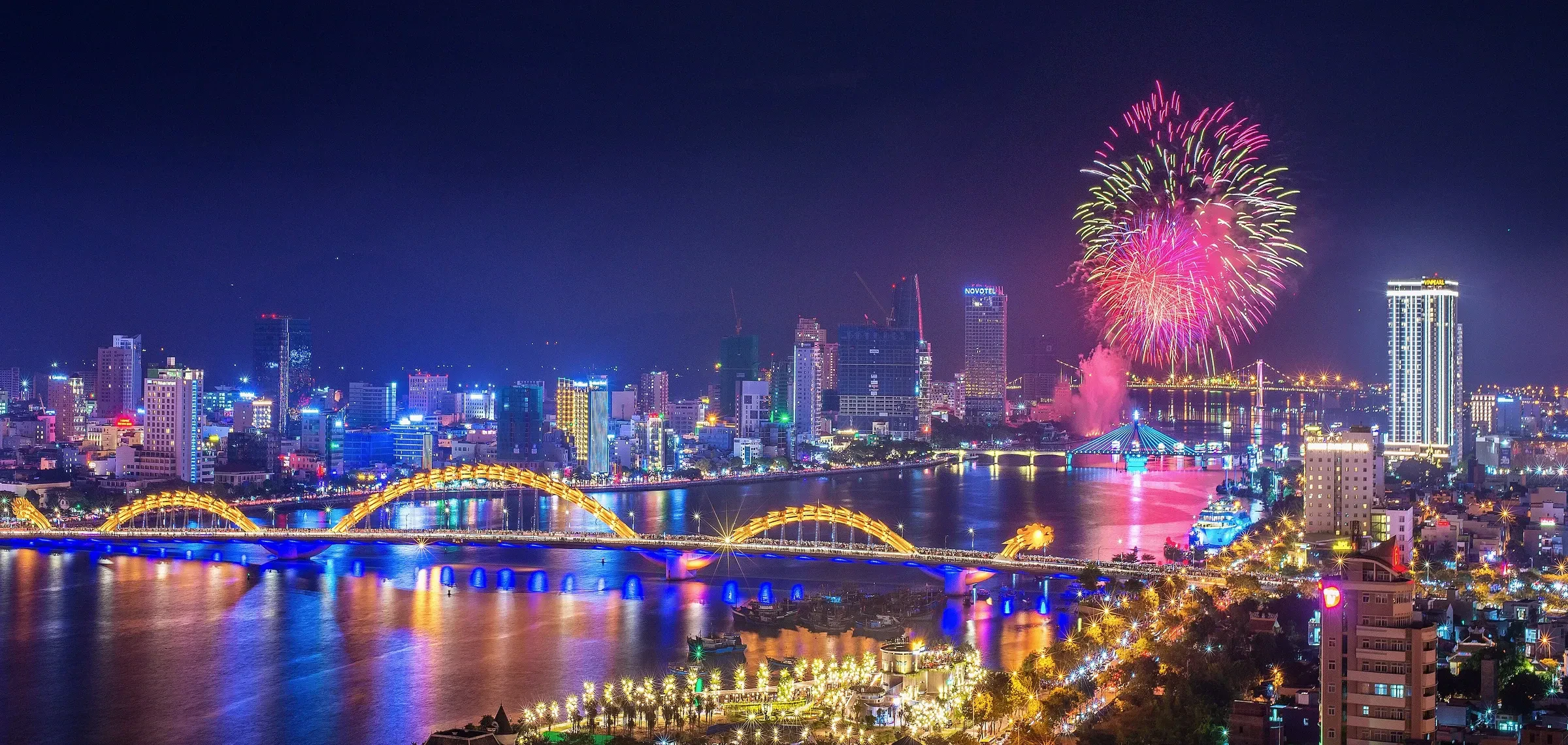
DIFF began in 2008 as a smaller fireworks competition, held at the end of March in its first few years and then at the end of April from 2011. Since 2017 it has run in its current form: a summer-long series of Han River competition nights rather than a single evening, with national teams designing and firing their own choreographed shows against a shared soundtrack. A panel of judges scores each display, and the festival builds to a grand final between the two highest-scoring qualifiers.
Finland's team won in 2024, China's in 2025 and Portugal's in 2026. France, Italy, Japan, Germany and Vietnam's own teams are regular entries.
What happened at DIFF 2026
The 2026 festival ran from 30 May to 11 July. Ten teams took part: two from Vietnam, plus Portugal, China, Italy, Germany, France, Japan, Macau and Australia. Five qualifying nights, each with its own theme (Nature, Heritage, Culture, Creativity and Vision), led to a final on 11 July called "United Horizons". Shows usually started at 8pm.
Portugal's Macedos Pirotecnia won the final and the USD 20,000 first prize, ahead of defending champion Jiangxi Yanfeng from China, who took USD 10,000, Vietnam News reported. Italy won the creativity award, Japan was named the most promising team and the Da Nang team took the audience favourite award, according to VTV. We couldn't find a reliable attendance figure, so we haven't quoted one.
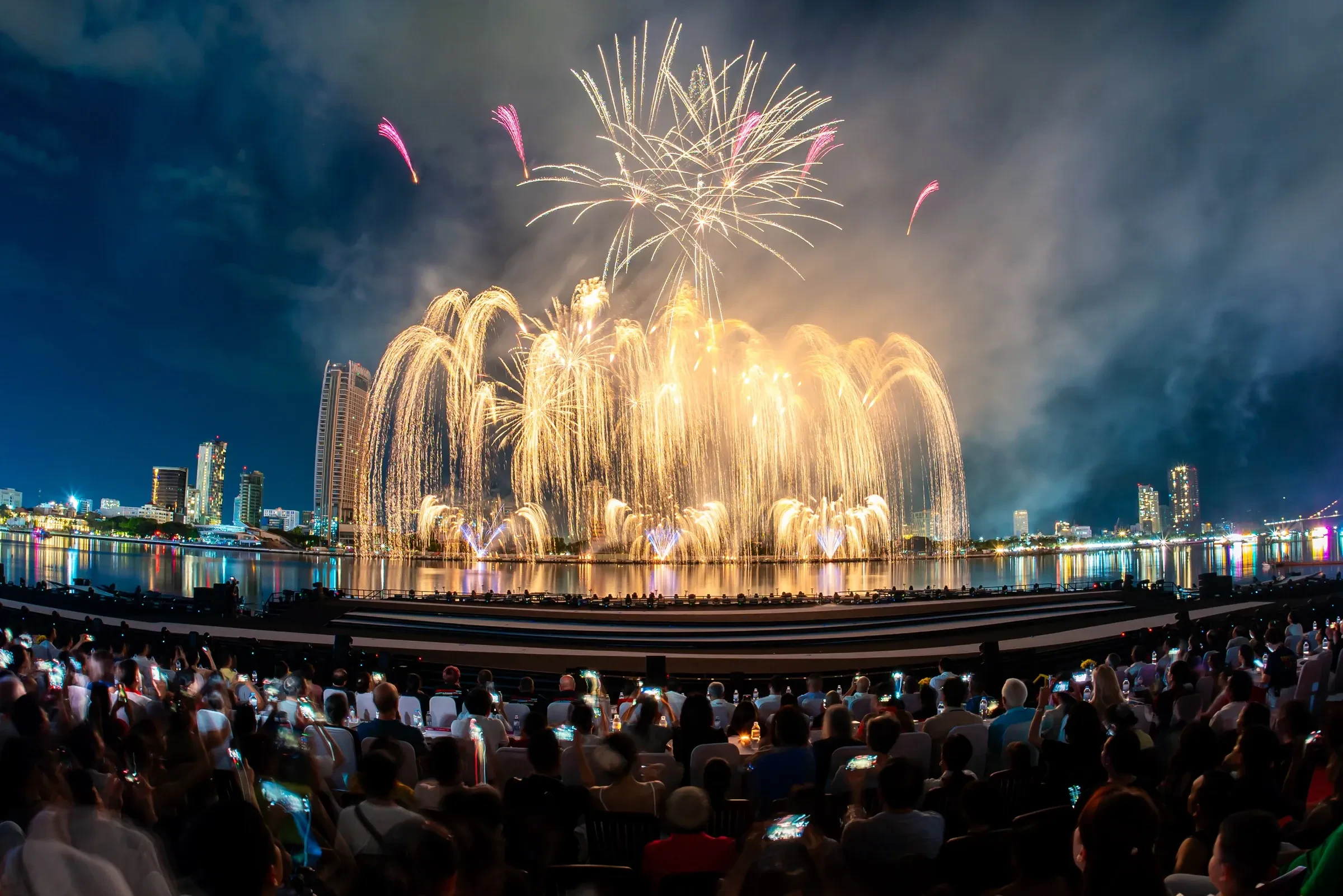
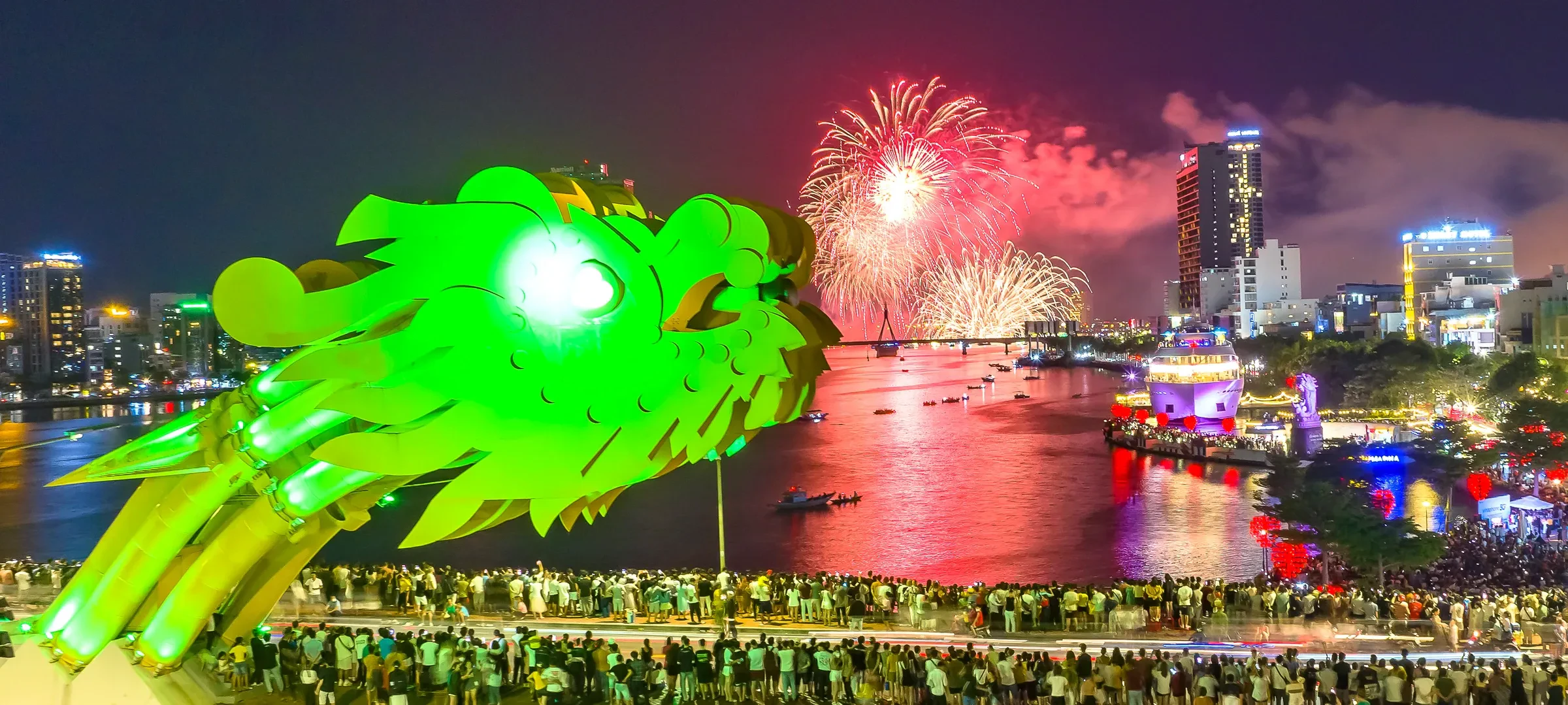
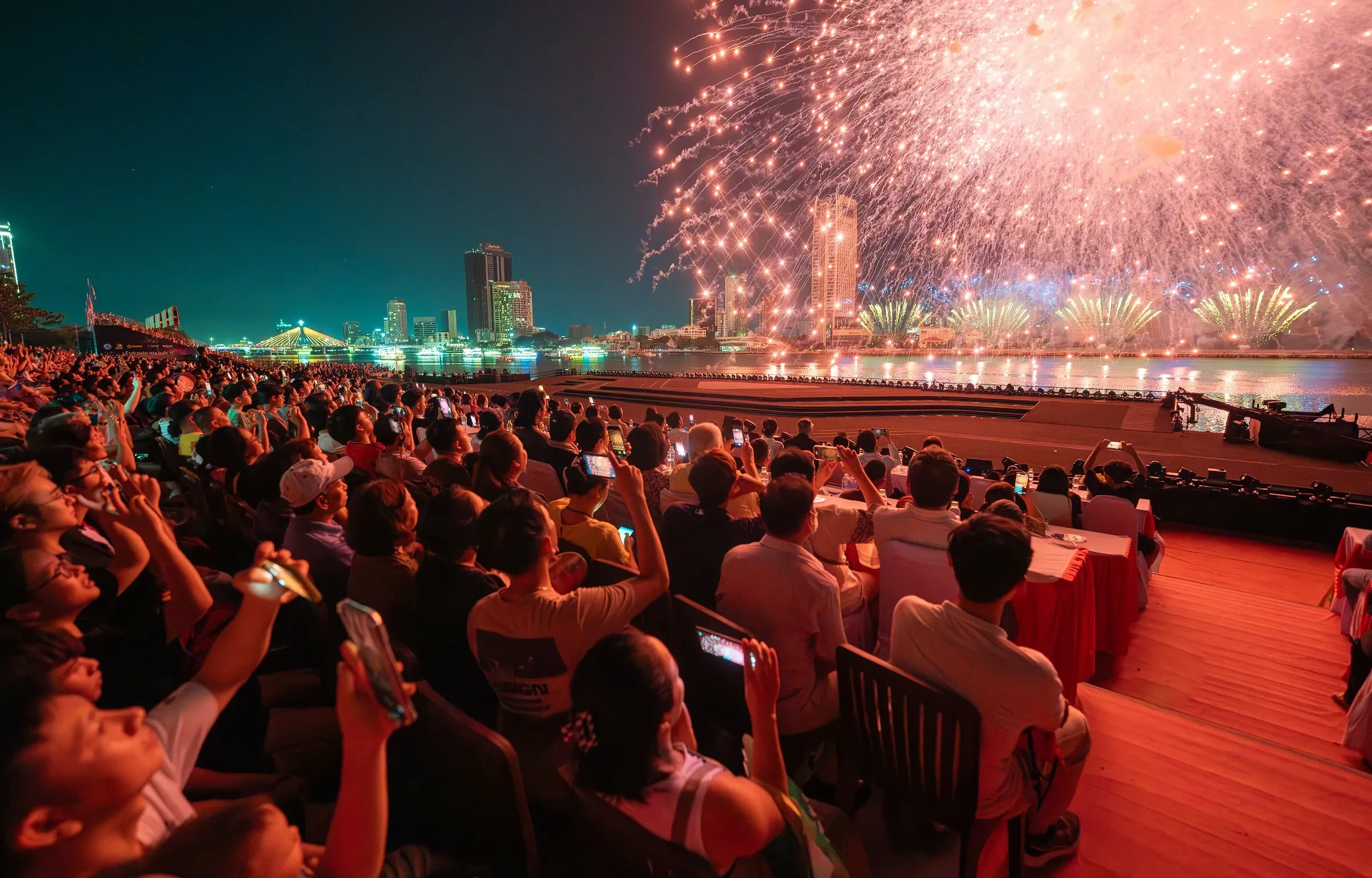
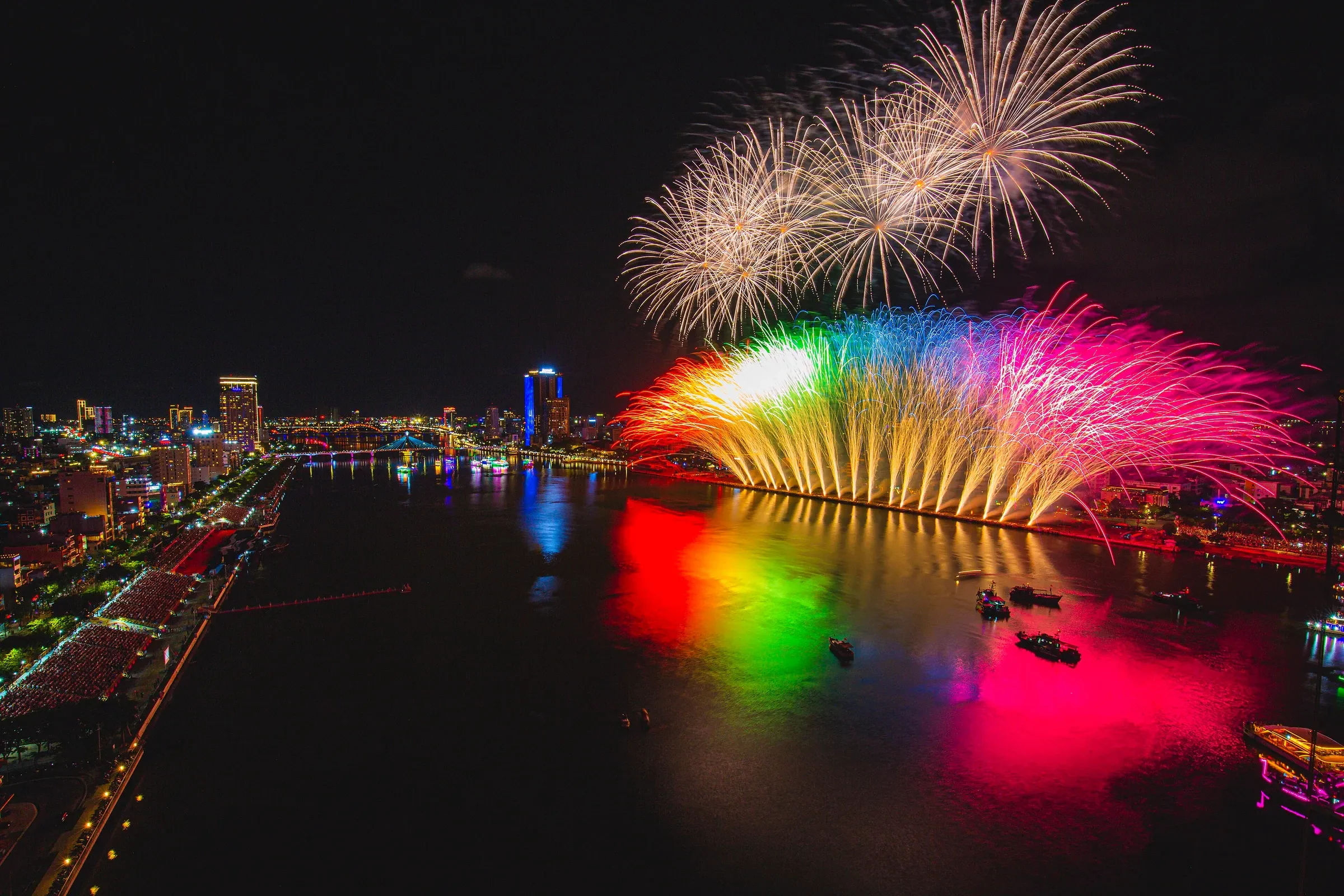
DIFF is unusual for its format. National teams design a show to music, fire it from a barge in the middle of a city river and are judged head against head, with the crowd watching from the bridges and banks. It has run since 2008, and Travel + Leisure Asia listed it among nine must-see summer festivals worldwide.
Where to watch it
You don't need a ticket to see DIFF. The free riverbank spots give you a real view for nothing, but the grandstands were ticketed in 2026 and you should expect that again. A grandstand seat buys you a fixed vantage point without the scramble for space.
Free spots, from best to more relaxed:
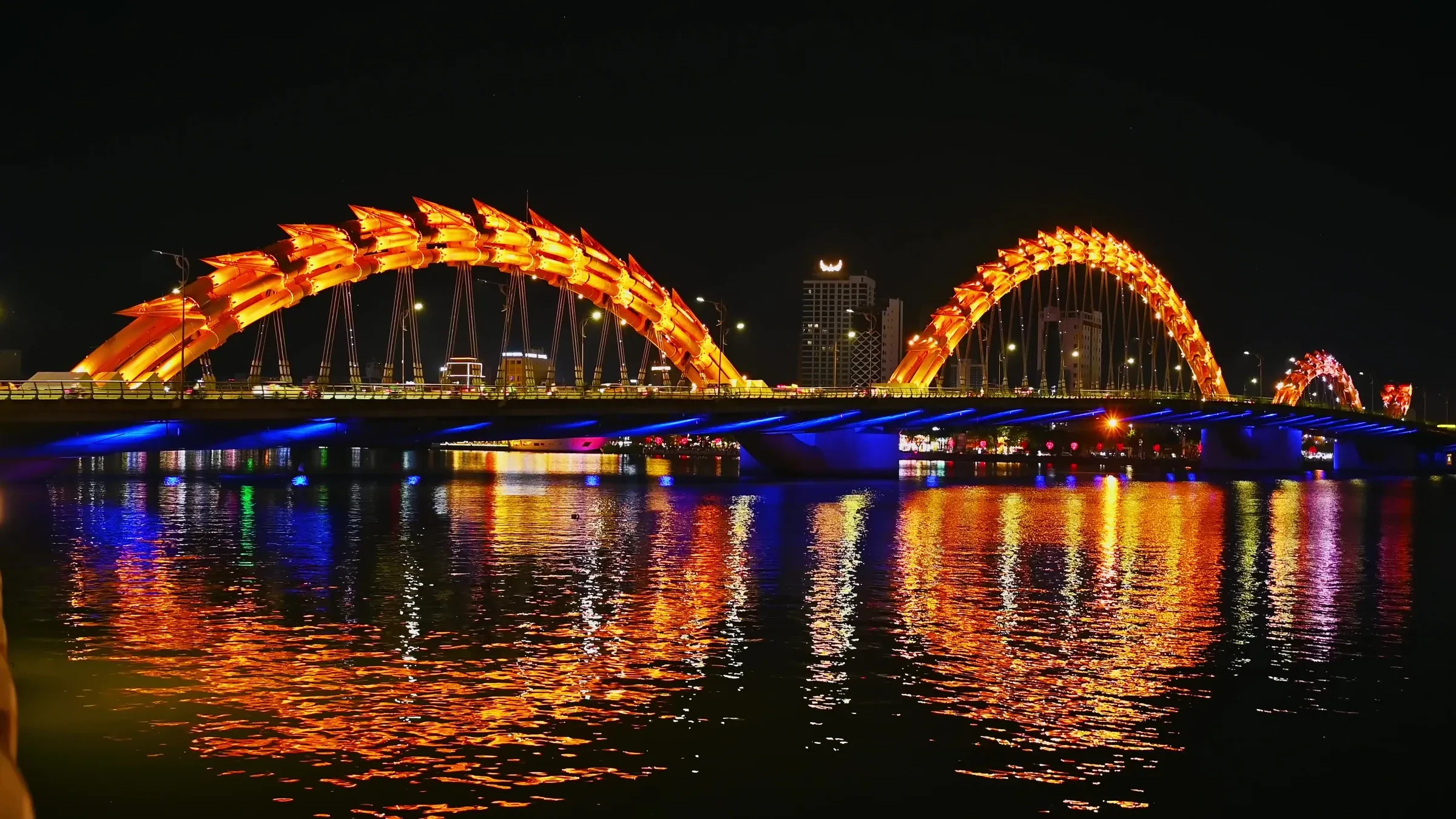
- Dragon Bridge: the closest free vantage point to the launch barge, and the most crowded of the free spots. Arrive at least an hour early if you want to stand near the rail.
- Bach Dang Street: the riverside promenade on the western bank. The stretch nearest the launch point fills first, so a spot further along still gets you a clear view with more room to stand.
- Han River Bridge (the swing bridge): closes to traffic on show nights and becomes a pedestrian viewing deck, with a close view from either end.
- Tran Thi Ly Bridge: further from the launch barge than Dragon Bridge or the Han River Bridge, but the fireworks are still clearly visible overhead, with noticeably thinner crowds.
- Thuan Phuoc Bridge: at the river mouth, the furthest of the main bridges from the display, but the quietest option if you would rather skip the crush and watch the display reflected on open water.
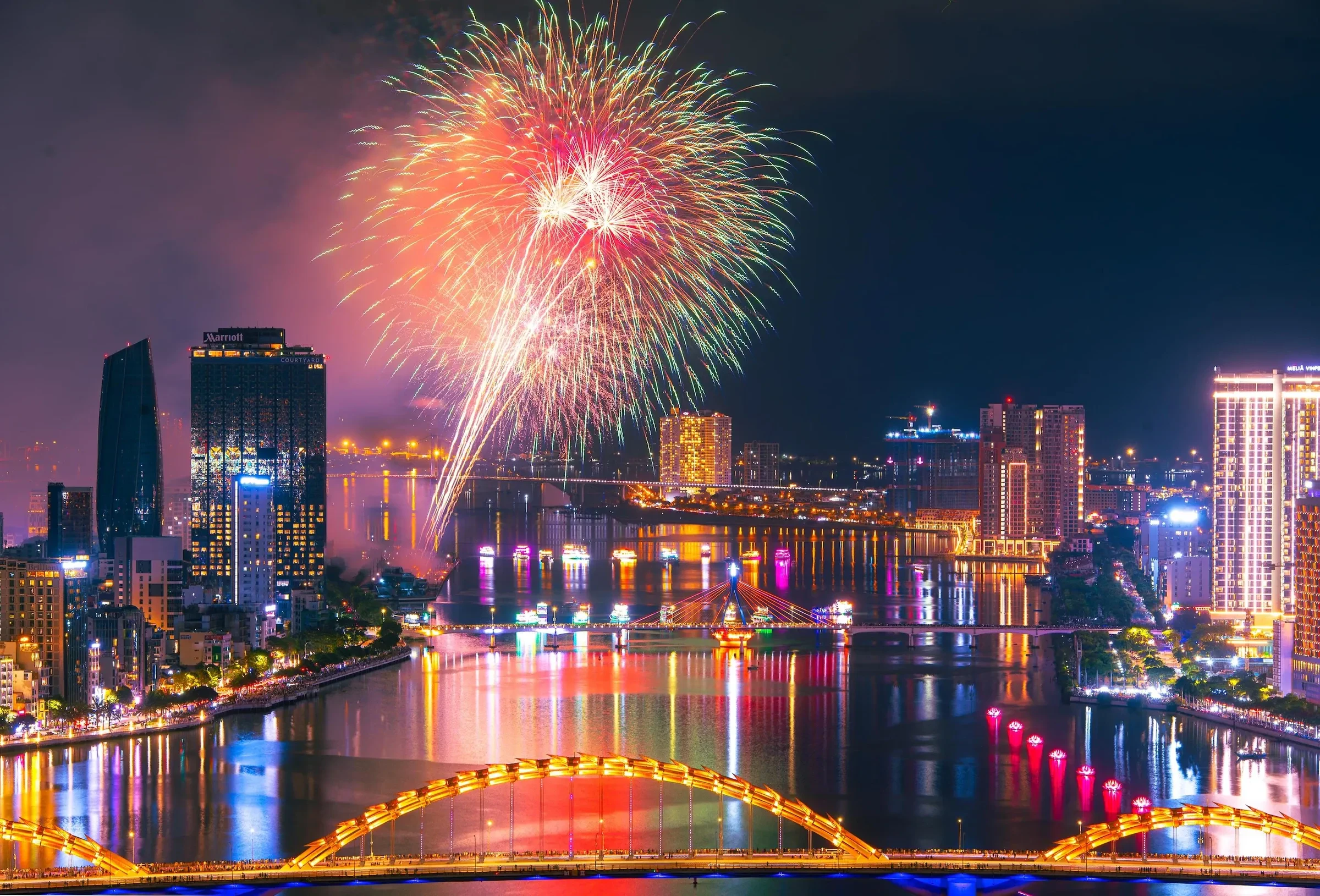
Paid grandstand seating ran in five tiers in 2026, roughly 1,000,000 to 4,000,000 dong depending on the category and the night (the opening and finale cost the most). Prices for 2027 haven't been announced. Booking ahead through the official channels is worth it if you want a guaranteed seat rather than a spot you claimed by turning up early; early booking came with discounts of up to 20% in 2026.
How a show night unfolds
Da Nang starts managing traffic well before the fireworks themselves. On past show nights, cars have been barred from the roads closest to the river from around 4pm, with the fuller vehicle ban covering the Han River Bridge, Dragon Bridge and the riverside stretches of Bach Dang and Tran Hung Dao from around 5pm. Both river bridges close to all vehicles and become pedestrian only for the evening.
Crowds build steadily through the early evening as locals and visitors claim riverbank spots, with stalls and street food along Bach Dang adding to the atmosphere. The competing teams fire their displays in turn, each timed to its own soundtrack, typically starting after dark and running for around 20 to 25 minutes per team on a two-team night. The crowd disperses quickly afterwards, and getting a taxi or ride-share right by the river gets difficult for the first 30 to 45 minutes. Walking a few streets back before booking one usually works better.
What to wear and bring
Evenings by the river are warm and often humid in the DIFF window, so light, breathable clothing works better than anything heavy. Bring a light rain layer regardless of the forecast, since central Vietnam's summer showers can arrive without much warning. Comfortable shoes matter more than anything else: you will likely be standing for an hour or more before the show starts, then walking a fair distance afterwards while the roads are closed to traffic. A portable phone charger and a small amount of cash are worth carrying, since some riverside vendors do not take cards.
Safety
DIFF's fireworks launch from a barge on the river, with official viewing areas kept back from the launch point. The closed roads and pedestrianised bridges are there to manage the crowds rather than to restrict access to the show. The main practical risks are the same as any dense, mostly outdoor crowd event: keep hold of bags and phones in the crush near the bridges, agree a meeting point if you are with a group in case you get separated, and factor the road closures into any onward plans for that evening.
Where to base yourself
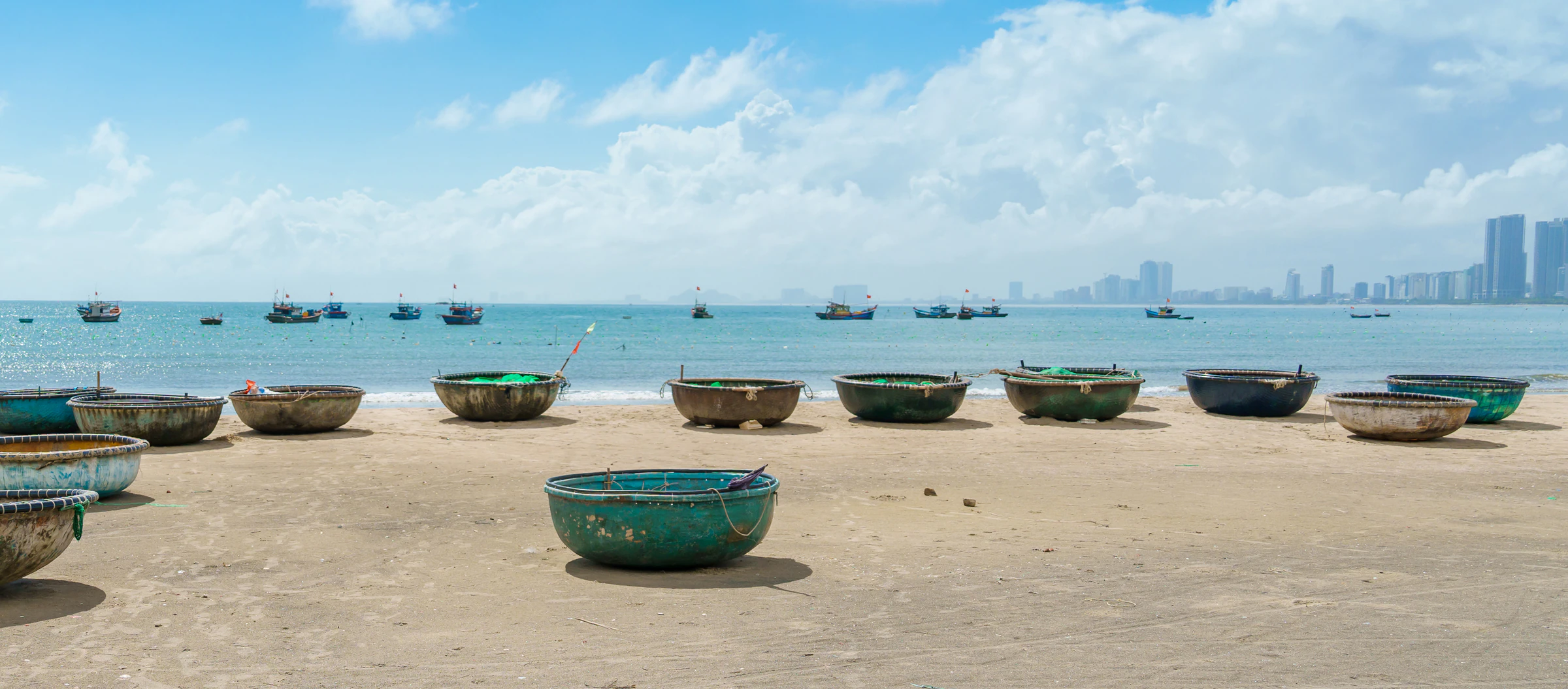
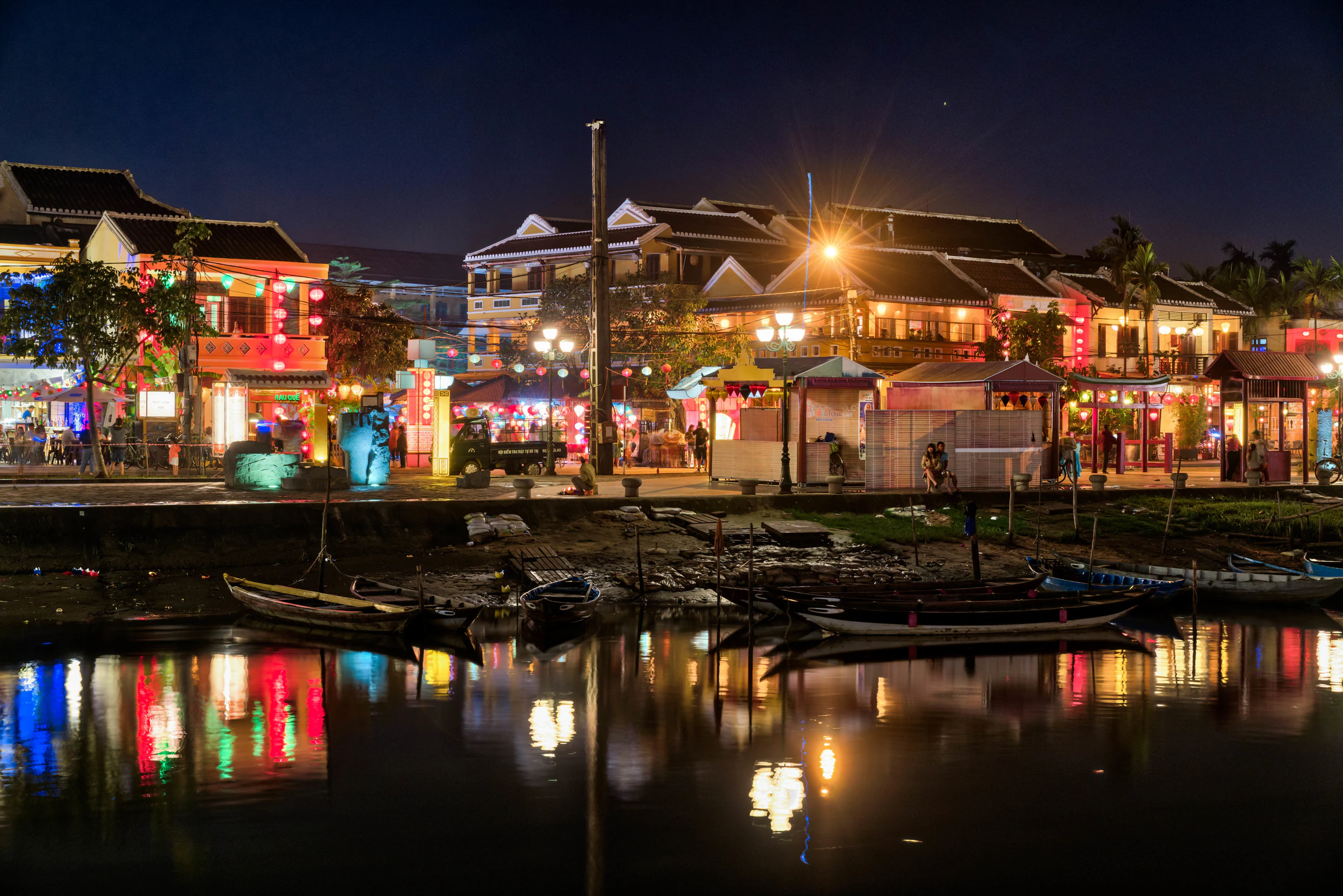
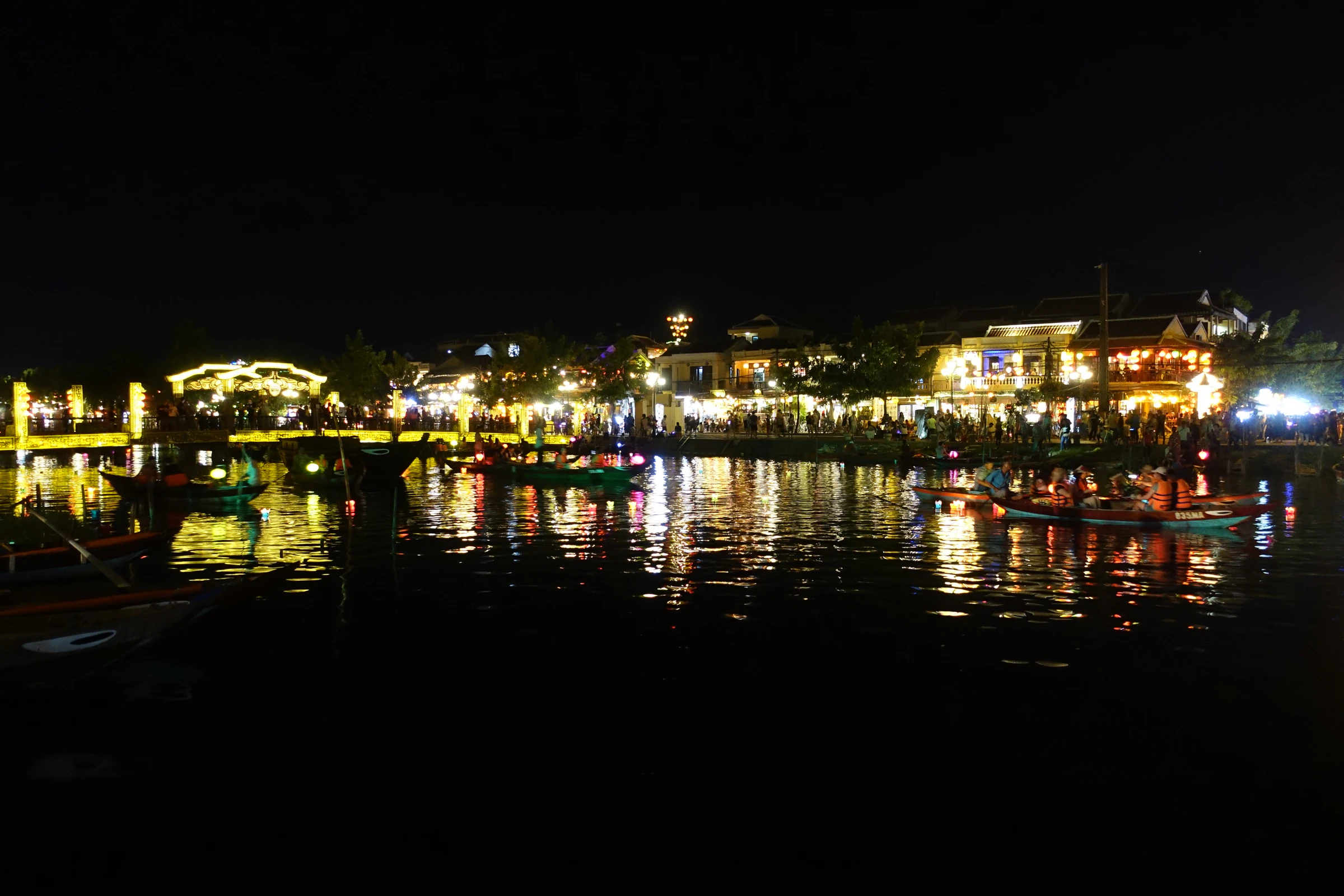
Da Nang puts you inside the closures on show nights, which means a short walk to a viewing spot but also the busiest hotel rates and tightest availability of the season. Hoi An, about 40 to 50 minutes south, is the quieter option: you can day trip in for the fireworks and either return late, once the post-show traffic clears, or stay in Da Nang for that one night only. Our Hoi An vs Da Nang guide weighs up the two as a base for the wider area, and things to do in Da Nang and things to do in Hoi An both cover what to fill the rest of your days with.
Pairing DIFF with a wider Central Vietnam trip
DIFF works well as one night bolted onto a longer central Vietnam stop rather than the whole reason for the trip. Our central Vietnam itinerary already routes through Phong Nha, Hue, Hoi An and Da Nang over a week or 10 days; once the 2027 dates are out, it is simply a case of timing the Da Nang leg to a show evening rather than a daytime pass through. Check the Vietnam festivals guide for how DIFF sits alongside Vietnam's other festival dates before you fix your travel window, and best time to visit Vietnam if you are weighing DIFF season against central Vietnam's wider weather pattern.
Prefer to travel with a group?
We run small-group trips through central Vietnam that pass through Da Nang and Hoi An. None of them is built around DIFF, so a show night isn't part of the plan. See Vietnam group trips for the routes and current dates.