Goa's Carnival is a legacy of nearly 450 years of Portuguese rule, and it turns a handful of towns into street parades for a few days in February or early March. This guide covers what Carnival is, what happened in 2026, where to watch the parades, and how to enjoy it safely as a solo traveller.
What Goa Carnival is
Carnival arrived in Goa with the Portuguese and the Catholic Church, and for a long time it was a fairly informal pre-Lent tradition of street parties and mock battles with flour, eggs and water. It faded during the later, more authoritarian years of Portuguese rule, when public gatherings were restricted. A Goan musician, Timoteo Fernandes, revived it in 1965, modelling a proper parade on Rio's Carnival and appearing as its first King Momo. In 1967 the state government set up an official Carnival committee, and the King Momo parades became the fixed format still used today.
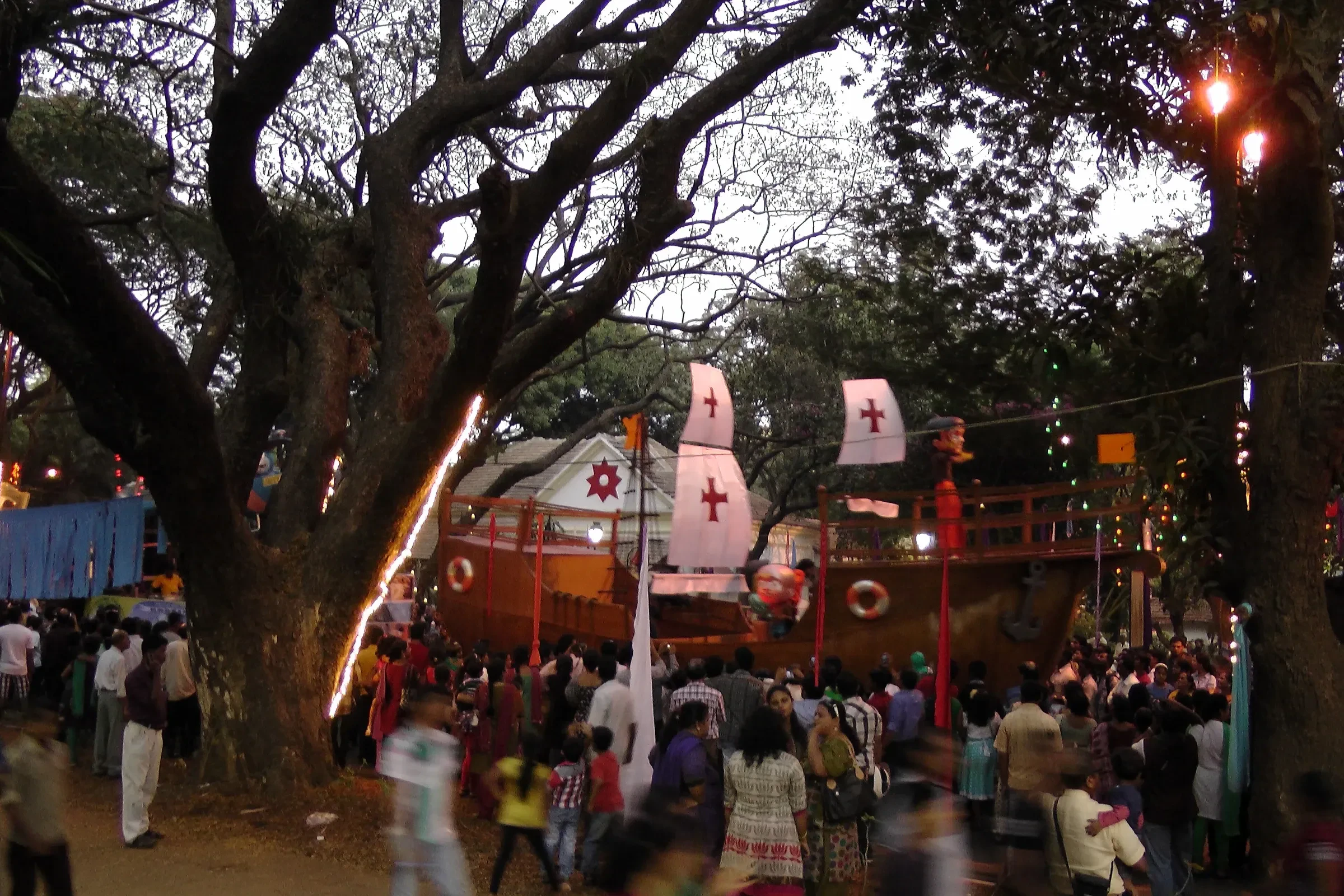
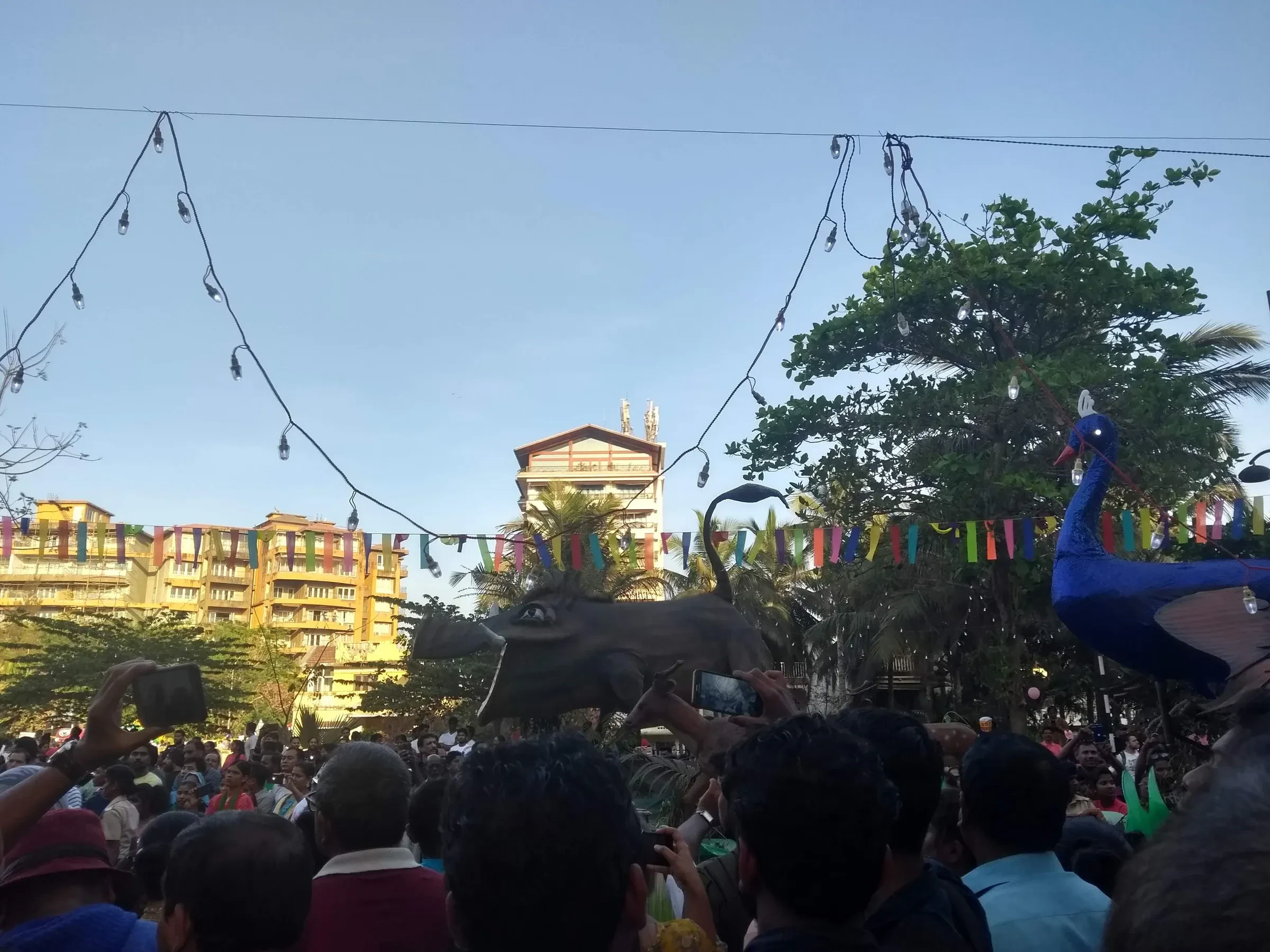
King Momo, a mythical figure of mirth usually played by a local resident, "takes over" the state for the festival and opens proceedings with the Konkani line "khaā, piyā, magyaa'lo" (eat, drink and be merry). Floats, dancers, drummers and troupes follow him through each town, with themes ranging from Goan folklore to pop culture and light political satire.
What happened at Goa Carnival 2026
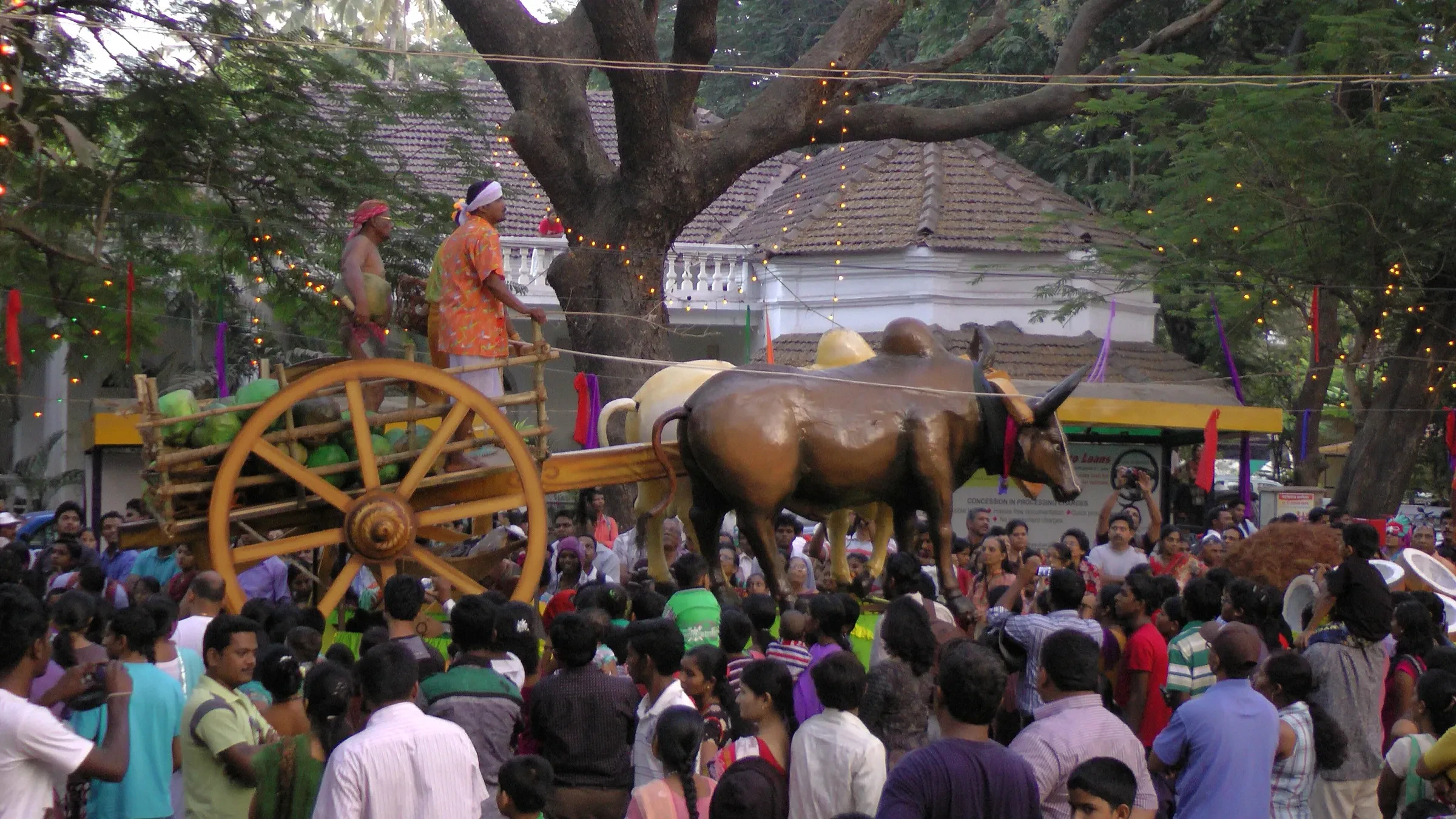
The 2026 edition ran from Friday 13 to Tuesday 17 February. A low-key curtain-raiser opened it in Porvorim on the Friday, with no fuel-driven vehicles or big mechanised floats and King Momo arriving on a bullock cart. The theme was togetherness and reconnecting with cultural roots. Cedric da Costa, chosen after auditions in front of the tourism department, played King Momo and read out the eat, drink and be merry decree.
The main Panaji parade followed on Saturday 14 February, which was also Valentine's Day, with floats, bullock carts, horse-drawn carriages, dancers and bands along streets decorated near Church Square and Kadamba Circle. Margao held its parade on the Sunday, Vasco on the Monday, and Mapusa and Morjim on the final Tuesday. The state tourism department put about Rs 1.5 crore into the programme, around Rs 48 lakh of it as prize money across five float categories. Goa Tourism's wrap-up said thousands of domestic and international visitors came, many for the first time, though it gave no attendance figure. One practical note: Herald Goa reported complaints that the Panaji parade began at around 5.30pm rather than 3.30pm and ran close to midnight, so plan a late finish.
It's worth seeing because it is a Catholic pre-Lent tradition the Portuguese brought to Goa, revived in 1965 and now run as a state-wide festival, with Rio-style floats, a Konkani decree and a different town hosting each day.
Where to watch it
- Panaji. The main event, and the one most visitors mean by "Goa Carnival." The parade runs from New Patto Bridge to Campal Ground, where King Momo makes his entrance among the floats, music and dancers. Arrive early for a spot near the ground; the streets are packed by late afternoon.
- Margao. South Goa's parade goes from Holy Spirit Church to the Municipal Council Square, and leans more on local participation and traditional Goan folk troupes than Panaji's bigger production.
- Vasco. Vasco da Gama runs its own parade on a separate day, from St Andrew's Junction to Joshi Chowk. It's smaller and easier to watch up close than Panaji's.
- Mapusa. The parade here runs from the Comunidade building behind Milagres Church to the Comunidade ground, and it marks the tail end of the Carnival calendar.
- Porvorim and Morjim. Porvorim hosts the opening curtain-raiser and Morjim, on the north coast, runs a parade from Morjim Khind to Morjim Junction on the last day.
Since each town parades on a different day, it's possible to follow Carnival around North and South Goa rather than picking one.
What happens day by day
In 2026 Carnival opened on the Friday with the Porvorim curtain-raiser, then the main Panaji parade on Saturday, Fat Saturday (Sabado Gordo). Margao, Vasco, then Mapusa and Morjim held their parades on the three days after that. Fat Tuesday, the day before Ash Wednesday, is the last day. The closing Red and Black Dance, organised by Clube Panjim, has long capped it off: thousands turn out in red and black for a night of music and dancing. If 2027 follows the same pattern, expect Porvorim on Friday 5 February, Panaji on Saturday 6 February, and the rest through Tuesday 9 February.
How to join in and etiquette
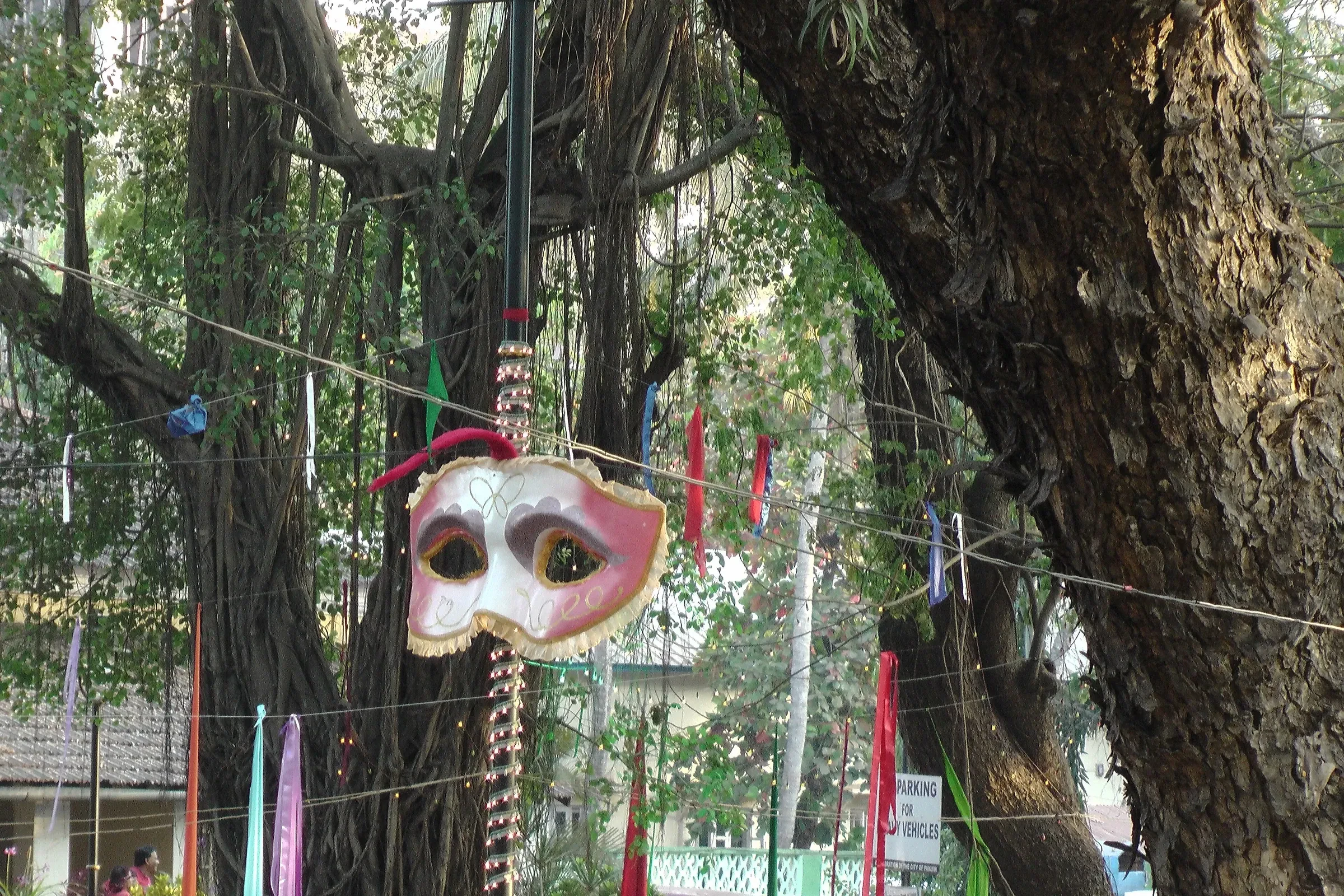
- Costumes are optional but part of the fun. Masks and gaudy, colourful outfits are traditional; you don't need one to watch, but wearing red and black for the closing dance is expected if you go.
- Don't touch performers' costumes or props as the floats pass, and ask before taking a close-up photo of anyone in costume.
- Feni, Goa's local cashew or coconut spirit, flows freely during Carnival. Pace yourself, and treat it the way you would any strong, unfamiliar spirit.
- Crowds bunch tightly near Campal Ground in Panaji. Keep an eye on your phone and wallet, and agree a meeting point with anyone you're with.
What to wear and bring
Light, breathable clothes suit Goa's dry-season heat in February, and a mask or a colourful outfit is worth packing if you want to join in rather than just watch. For the closing Red and Black Dance, buy your outfit a few days ahead, since local stores sell out fast. Comfortable shoes matter more than they sound: parade crowds mean a lot of standing and shuffling. Bring cash, since street stalls and feni vendors rarely take cards.
Safety
Carnival crowds in Panaji get dense, especially around Campal Ground during King Momo's entrance, and pickpocketing is the main practical risk in a crowd that size. Feni and other spirits are widely available and stronger than they taste, so drink with people you trust and watch your glass. As with any big, noisy Indian street event, keep some cash and your ID separate from your main bag, and agree where to meet if your group gets split up. Our India safety guide has more general advice on scams, transport and staying safe as a solo traveller.
A trip around it
Goa is the first stop on our Goa, Hampi & Kerala trip, which starts in Anjuna in North Goa. If the 2027 dates follow the 2026 pattern, the main Panaji parade would fall on Saturday 6 February, with Margao's the next day. Panaji is about 40 minutes away by taxi. Carnival isn't a scheduled part of the itinerary: Day 1 is an afternoon arrival with a group dinner, so a parade would be an optional extra in your own time, and only if a departure's dates happen to overlap it. The 2027 dates are estimated, so check the trip page for current dates against the Carnival calendar. The group moves on to Palolem on Day 3 and to Hampi on Day 4.
For a longer look at Goa itself, see our Goa itinerary guide and the Goa travel guide for the wider picture on beaches, costs and getting around.