What Onam is
Onam is Kerala's harvest festival and its biggest shared holiday, marked by Hindus, Christians and Muslims alike. The legend behind it is the annual homecoming of Mahabali, a mythical king said to have ruled Kerala in a golden age of equality and plenty before being sent to the underworld by Vishnu's dwarf avatar, Vamana. He's allowed back once a year to see how his people are doing, and Onam is Kerala dressing up, cooking its best food and laying out flower carpets to welcome him. It's also, more practically, a harvest festival timed to the end of the monsoon paddy season, and it's Kerala's state festival: government offices, schools and most businesses close for at least Uthradam and Thiruvonam.
What happened at Onam 2026
Onam 2026 ran from Atham on 16 August to Thiruvonam on Wednesday 26 August, with Kerala's state holidays covering 25 to 28 August. The Athachamayam procession in Thripunithura opened it on 16 August.
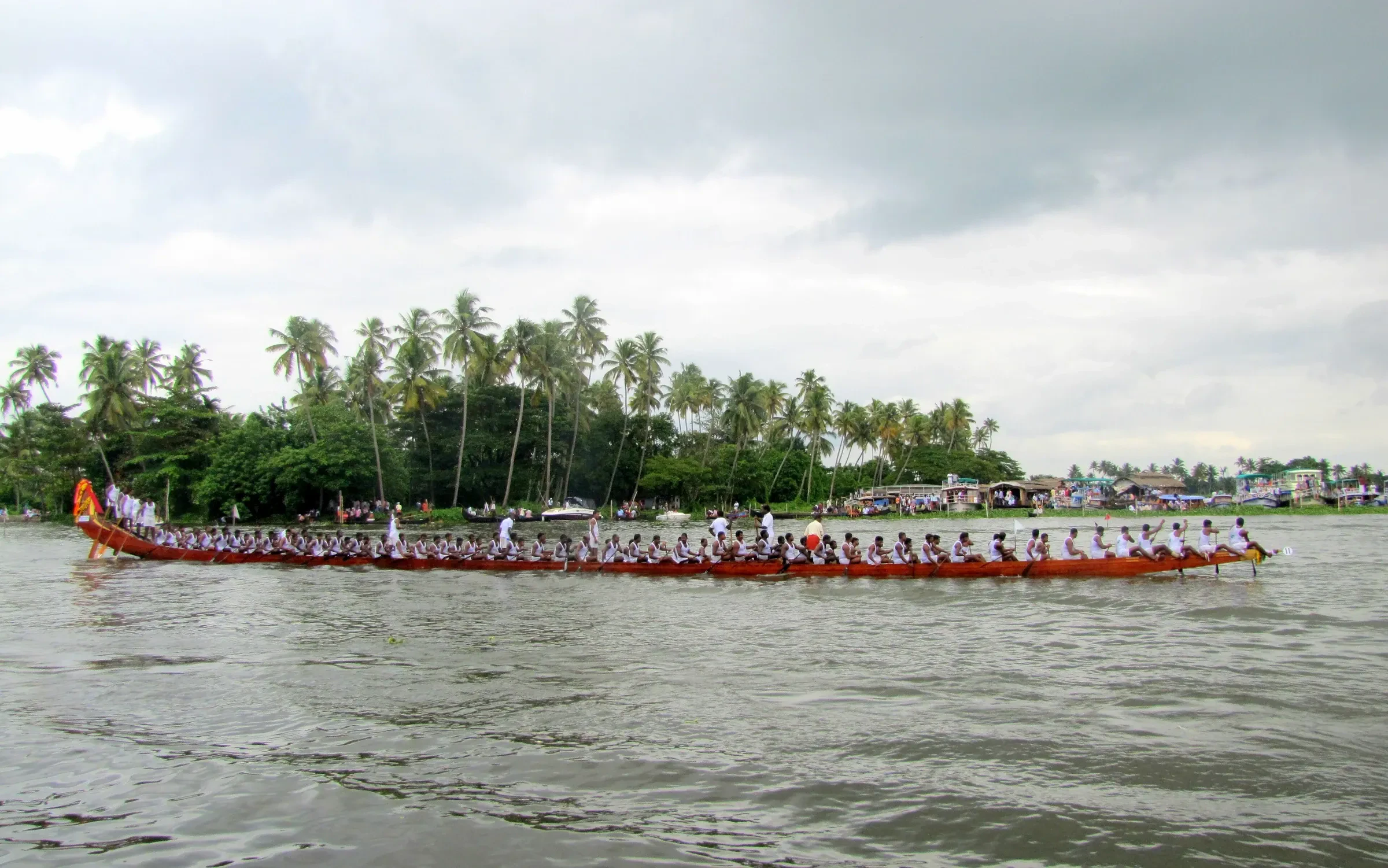
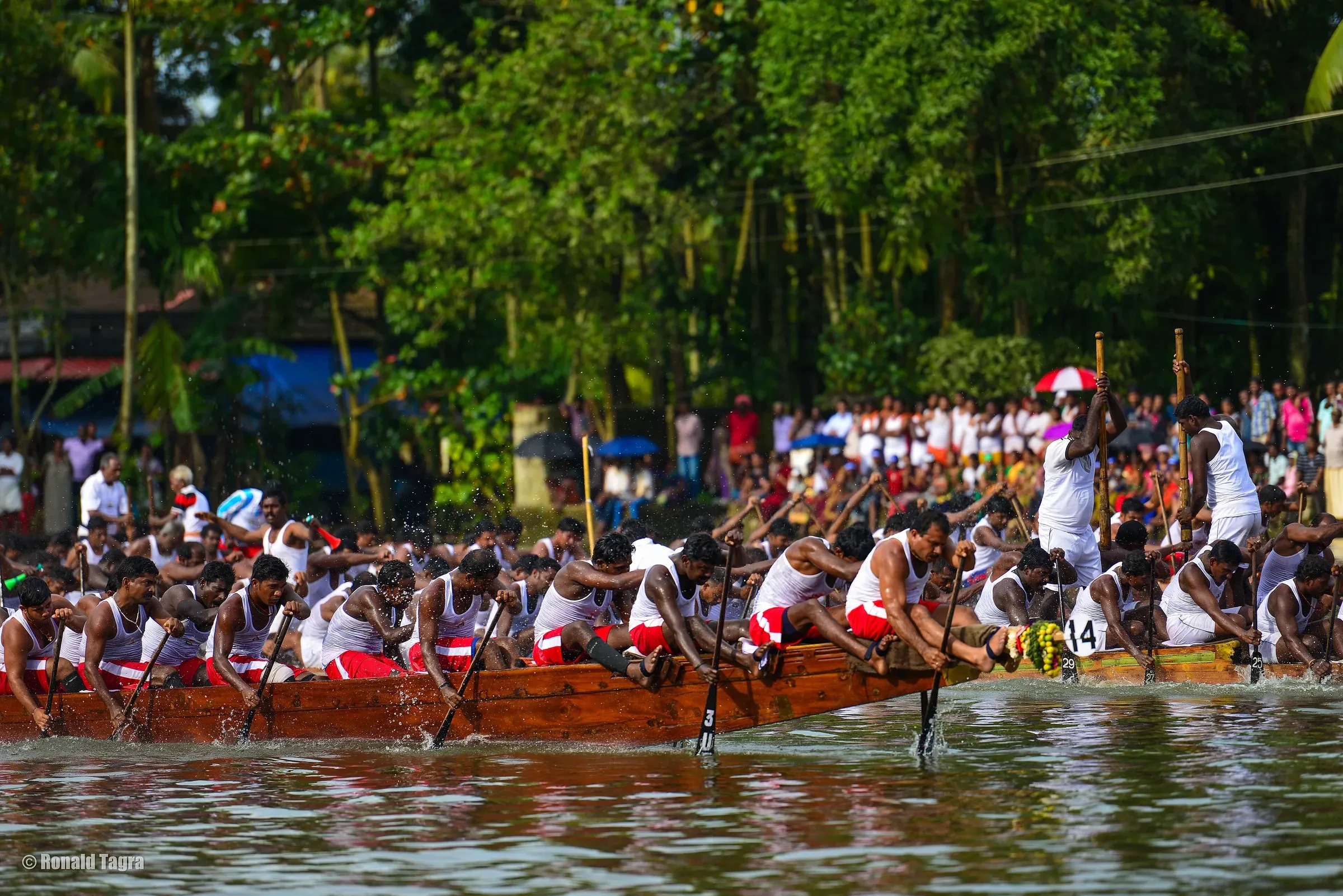
The Nehru Trophy Boat Race was held on Saturday 22 August at Punnamada Lake, its 72nd edition. All India Radio reported 71 boats, 22 of them snake boats. Aroma Chundan, from the Aroma Boat Club and racing for the first time, won in 4:23.328. Nadubhagom Chundan finished 0.12 of a second behind, and the defending champion, Veeyapuram Chundan, came third. Alappuzha district declared a local holiday for race day.
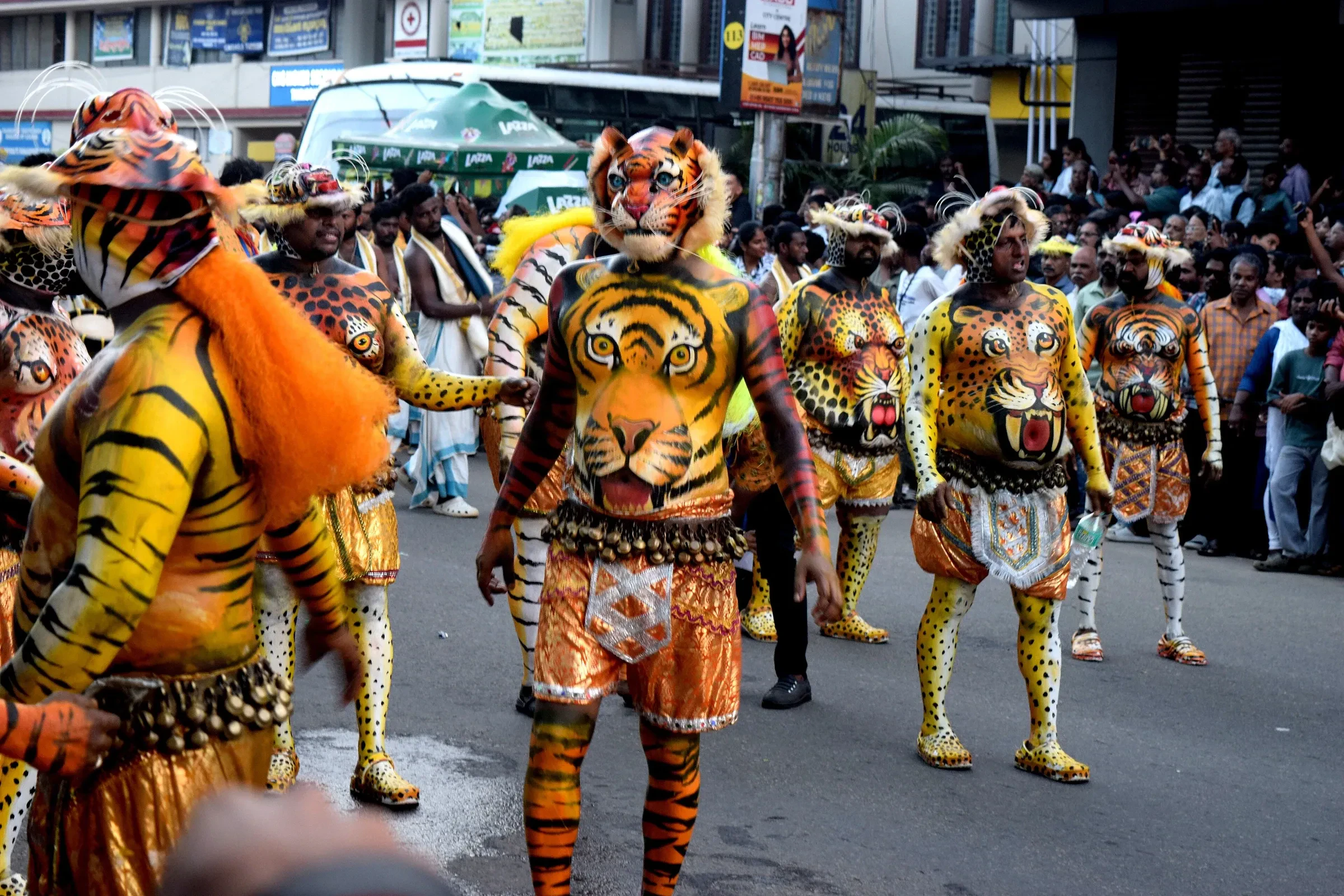
Pulikali in Thrissur followed on Saturday 29 August. Onmanorama's report counts about 400 performers from nine teams, each spending around eight hours having their bodies painted. A new costume award, Pulichamayam, was introduced, and Olarikkara Desam performed for the first time.
In Thiruvananthapuram, Kerala Tourism's Onam Week ran from 24 to 30 August with more than 340 programmes at venues including Nishagandhi Auditorium, Kovalam and East Fort. Its closing procession on 30 August had floats from 69 government departments and more than 100 folk and traditional art groups. The week followed Kerala's Green Protocol on cutting plastic.
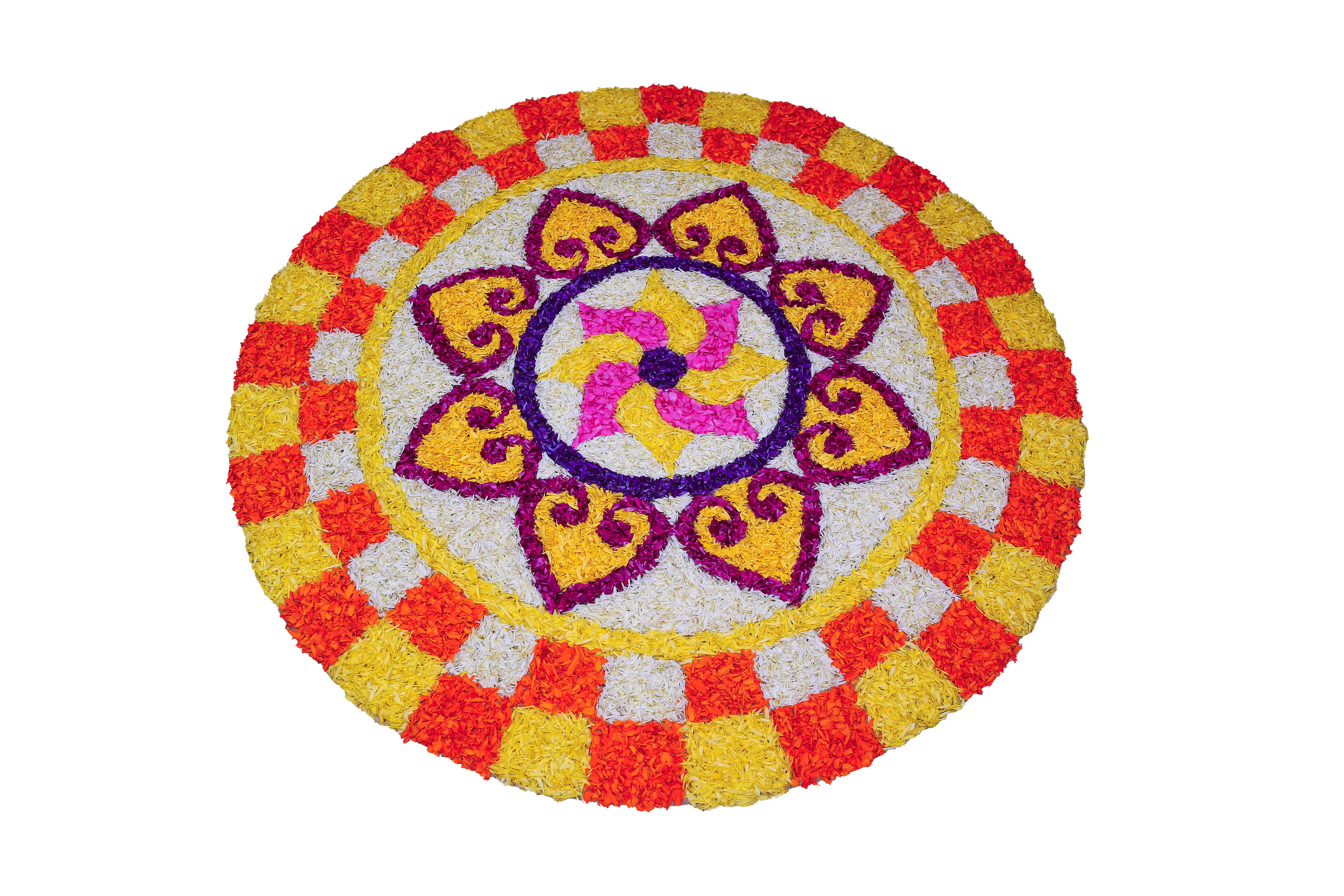
Onam packs a lot into ten days: a feast, a boat race with over 100 rowers to a boat and a street parade of painted tigers, all inside one festival that Hindu, Christian and Muslim families share. The pookalam flower carpet grows from a single ring on day one to ten rings by Thiruvonam, and the Nehru Trophy race has run since 1952.
Where to see Onam
- Thiruvananthapuram and across Kerala generally: the safest choice if you just want the atmosphere: pookalam competitions, market bustle for new clothes, and a sadya on Thiruvonam, without needing to plan around one single event. Kerala Tourism ran its Onam Week in the capital in 2026.
- Alappuzha (Alleppey), for the Nehru Trophy Boat Race on Punnamada Lake: the biggest boat race, with ticketed grandstands and a carnival atmosphere on the backwaters.
- Aranmula, for the Uthrattathi Boat Race on the Pamba river: older and more devotional, timed to its own temple calendar rather than to Onam's ten days directly.
- Thrissur, for Pulikali on Swaraj Round: painted "tiger" dancers rather than boats, and a good add-on if you're already routing through central Kerala.
- Thripunithura, for Athachamayam: the procession that opens the festival on Atham itself, worth catching if you're near Kochi on day one.
What happens, day by day
Onam's ten days run from Atham to Thiruvonam, each with its own small ritual:
- Atham (day 1): the first, small flower carpet, or athapoo, goes down, traditionally in yellow flowers only.
- Chithira (day 2): the pookalam grows in size.
- Chodi (day 3): families shop for onakkodi, the new clothes worn on Thiruvonam.
- Vishakam (day 4): often called the most auspicious day; sadya preparations begin in earnest.
- Anizham (day 5): the day traditionally linked to vallam kali, the snake boat races, though in practice the region's various races are spread across the wider Onam season.
- Thriketa (day 6) and Moolam (day 7): the pookalam keeps growing, alongside folk dances and games.
- Pooradam (day 8) and Uthradam (day 9): Uthradam, Onam eve, is one of the festival's busiest shopping and cooking days.
- Thiruvonam (day 10): the main day, with the finished pookalam, new clothes, the full sadya, and prayers for Mahabali's homecoming.
The sadya: how to eat it, and where to get one
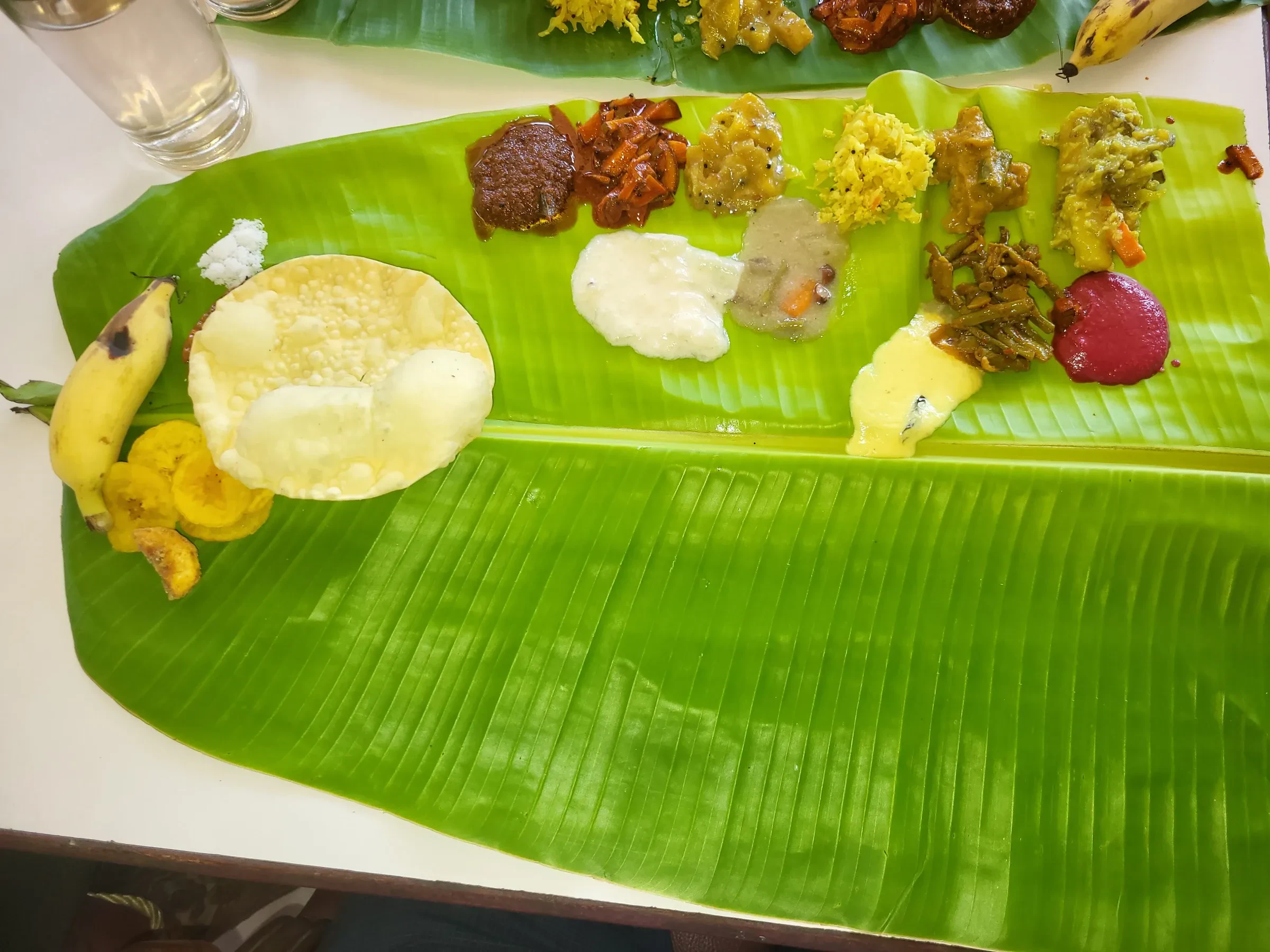
A sadya is Kerala's set-piece vegetarian feast, served on a fresh banana leaf and eaten with the right hand while seated on the floor or at a long table. A full version at a temple or during Onam runs to about 20 small dishes: rice with sambar and parippu (dal), avial (mixed vegetables in a coconut and yoghurt gravy), olan, kaalan, thoran, a pickle or two, papadam, and payasam, a sweet milk pudding, often in two or three varieties by the end. There's a serving order, and it's normal to be offered seconds of rice and the wetter curries until you cross your hands over the leaf to signal you're done.
You don't need an invitation to a home to try one. Restaurants that specialise in sadya serve it daily year round, but restaurants and hotels put on their biggest spreads in the days around Thiruvonam, so it's worth booking a table or a hotel sadya package ahead if you want to eat on the day itself. For more on ordering one, and on Kerala's everyday food, see our Kerala food guide.
Vallam kali: the boat races, and which one is which
Snake boat races, or vallam kali, happen at several places on Kerala's backwaters during the Onam season, but two get confused with each other and they aren't the same event.
The Nehru Trophy Boat Race at Punnamada Lake, Alappuzha, is Kerala's best-known race: long chundan vallams (snake boats), each with over 100 rowers, competing for an outright prize in front of a paying crowd. It's a modern, secular event that started in 1952, and it runs on its own date rather than on the Onam calendar. It's usually held on a Saturday in August, and in 2026 that was 22 August, four days before Thiruvonam, which is why the two are often lumped together even though they're separate. The 2027 date hadn't been announced when we checked in October 2026. With Thiruvonam on 12 September 2027, the race may well fall weeks before Onam itself, so confirm the date before you book.
The Aranmula Boat Race (Uthrattathi Vallam Kali), on the Pamba river near the Parthasarathy Temple, is older and more devotional: boats race in pairs as an offering to the temple deity rather than purely for a prize. It's timed to the Uthrattathi star in the Malayalam calendar, which usually falls a few days after Thiruvonam. Sources gave different dates for the 2026 race, so we don't state one, and the 2027 date isn't confirmed either. Check closer to the time if this is the one you want to see.
If your trip only allows for one, the Nehru Trophy race is the easier one to plan around: it has ticketed viewing, a published date each year, and it sits closer to Kochi and Alappuzha's other sights.
Pulikali: the tiger dance in Thrissur
Pulikali, "tiger play", is Thrissur's contribution to Onam: performers paint their bodies in tiger and hunter stripes and dance through Swaraj Round to drumbeats from the thakil and chenda. It happens a few days after Thiruvonam; in 2026 it was held on 29 August. It's free to watch from the street, and it's a straightforward add-on if your route already runs through Thrissur. The 2027 date isn't confirmed, so check it once the Onam programme is out.
Athachamayam: the opening day in Thripunithura
Athachamayam is the procession that formally opens Onam, held in Thripunithura, near Kochi, on Atham itself: 16 August in 2026, and expected on 3 September in 2027. Expect a long street parade of traditional art forms, music and decorated floats, tracing back to a royal procession once held by the erstwhile kingdom of Cochin. It's a good option if you land in Kochi right as the festival starts and don't want to wait ten days for Thiruvonam.
Monsoon timing: what to expect
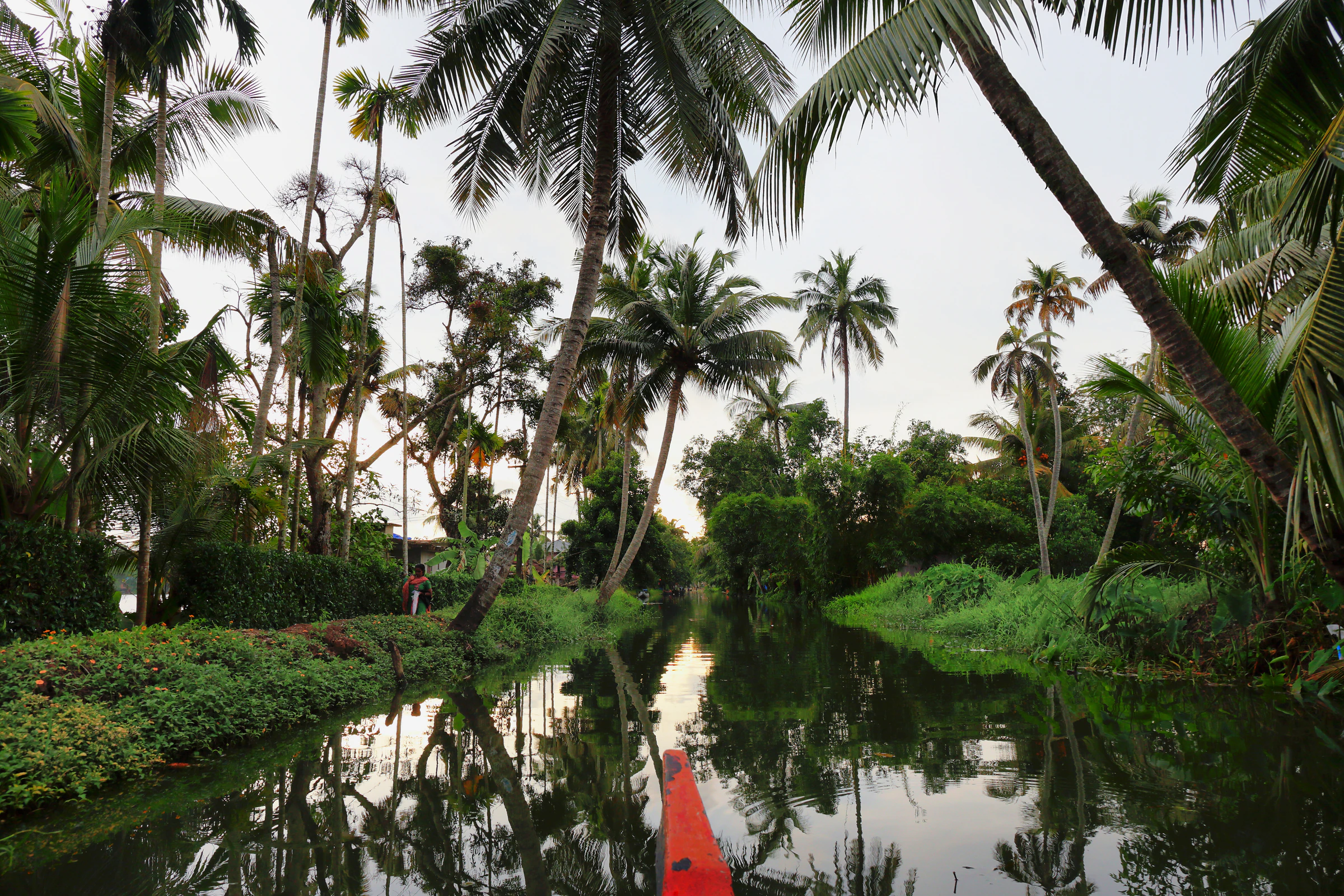
Onam falls in Kerala's monsoon shoulder season. By the time of Onam the heaviest rain of June and July has usually eased off, but showers, humidity and the odd washed-out afternoon are still normal, and hill roads towards Munnar or Wayanad can be slower than in the dry season. The upside is a green, full backwater system, which is exactly what you want for a boat race. Pack for rain, and build a spare half-day into any hill leg in case a road is temporarily affected.
How to join in and etiquette
What to wear and bring
Kerala's Onam dress code is the kasavu: a cream and gold cotton mundu (dhoti) for men and a kasavu saree or set-mundu for women, worn fresh on Thiruvonam. You don't need to buy one to visit, but light, modest cotton clothing works well in the heat and humidity. Bring a compact umbrella or a light rain jacket for monsoon showers, sandals you don't mind getting wet, and, if you're heading to a boat race, a hat and sunscreen for the hours in the open sun between heats.
Safety
How long to spend, and a trip around it
Onam works best as an addition to an existing Kerala route rather than a trip built entirely around it: 2 to 4 extra days lets you catch a sadya, watch a pookalam competition finish, and see one boat race or Pulikali without reshaping the whole itinerary. Our Kerala itinerary covers the 1-week and 10-day versions of the route, and our Kerala travel guide has more on the Alappuzha backwaters where the races are held.
Our Goa, Hampi & Kerala trip follows a version of this route, from Goa down through Hampi to Kochi, Alleppey and Varkala, but it isn't built around Onam, which is expected on 3 to 12 September 2027, so check the trip page for current dates before assuming it lines up. If you want to time an independent trip around the festival, use that route as a template and adjust the Kerala end of it for early to mid September.
Keep planning with India's festival calendar, Thrissur Pooram for Kerala's other big festival, and Kochi as a base. For group departures, see our India trips.