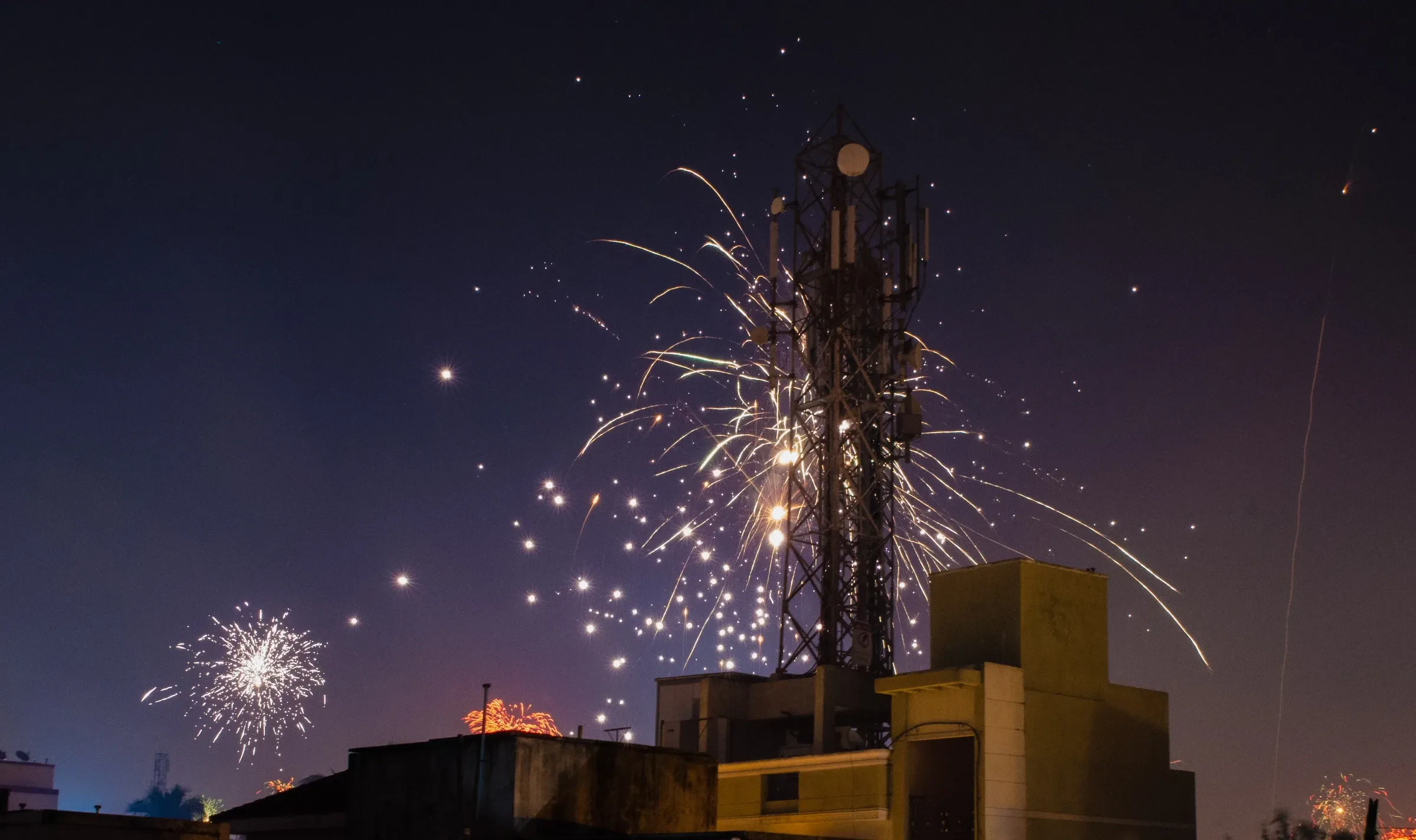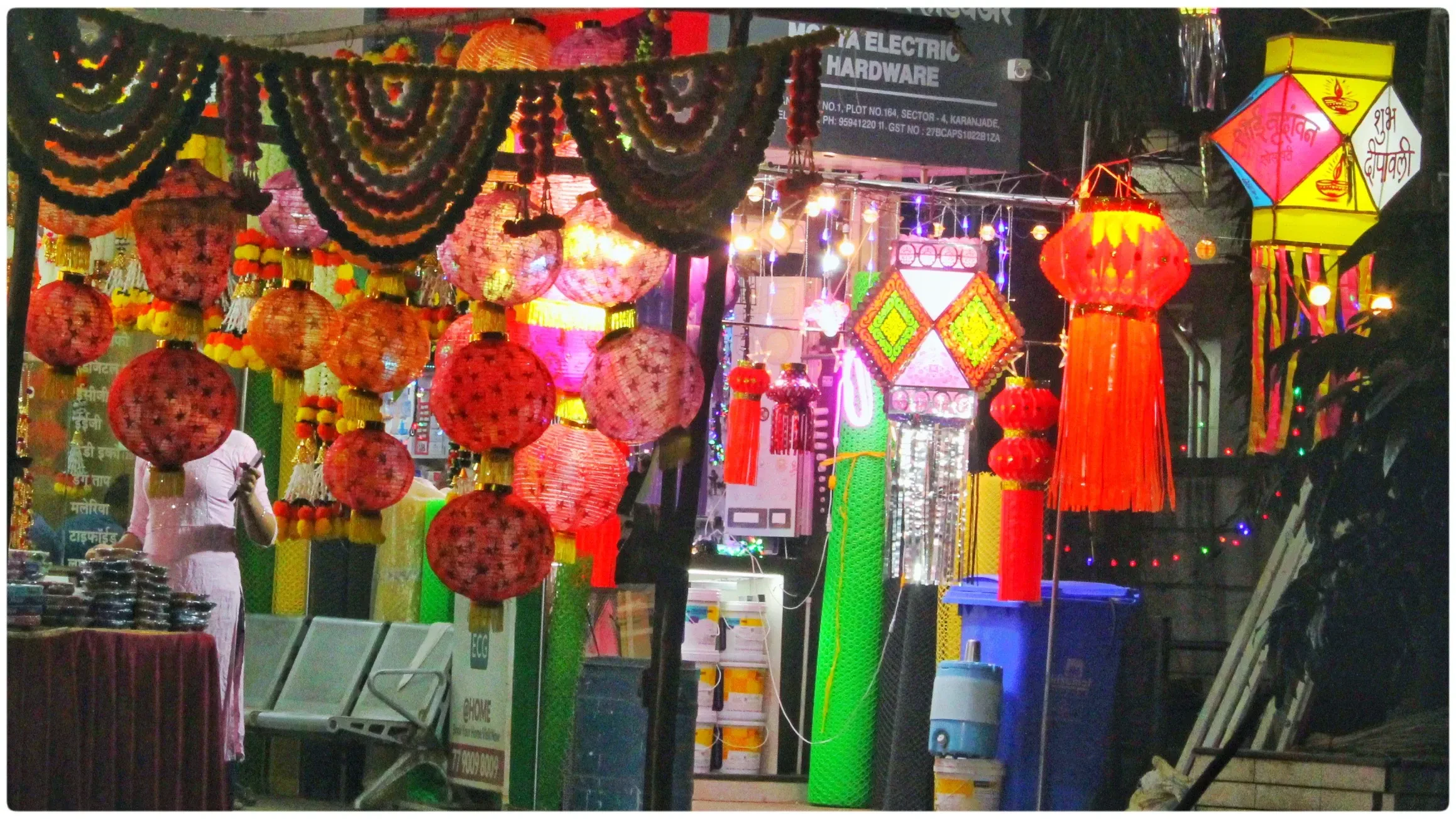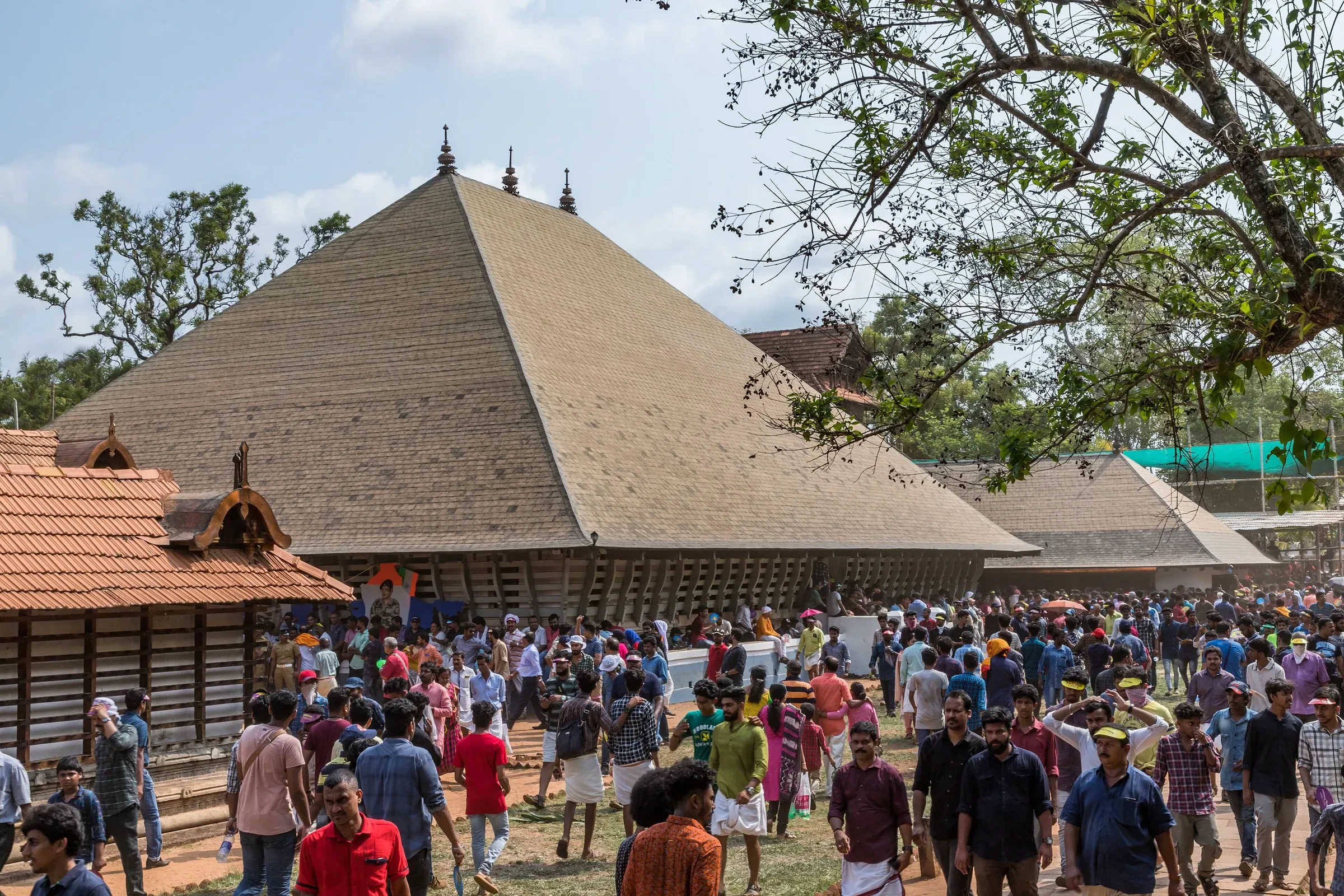
Diwali is India's biggest festival, and for a few days the country runs on it: shops close, families travel home, homes and streets fill with lamps and lights, and the sky over North India's cities lights up with fireworks late into the night. This guide covers the dates, what the five days involve, where to see it, the air pollution and firecracker rules worth planning around, and how to travel through it.
What Diwali is, and its five days
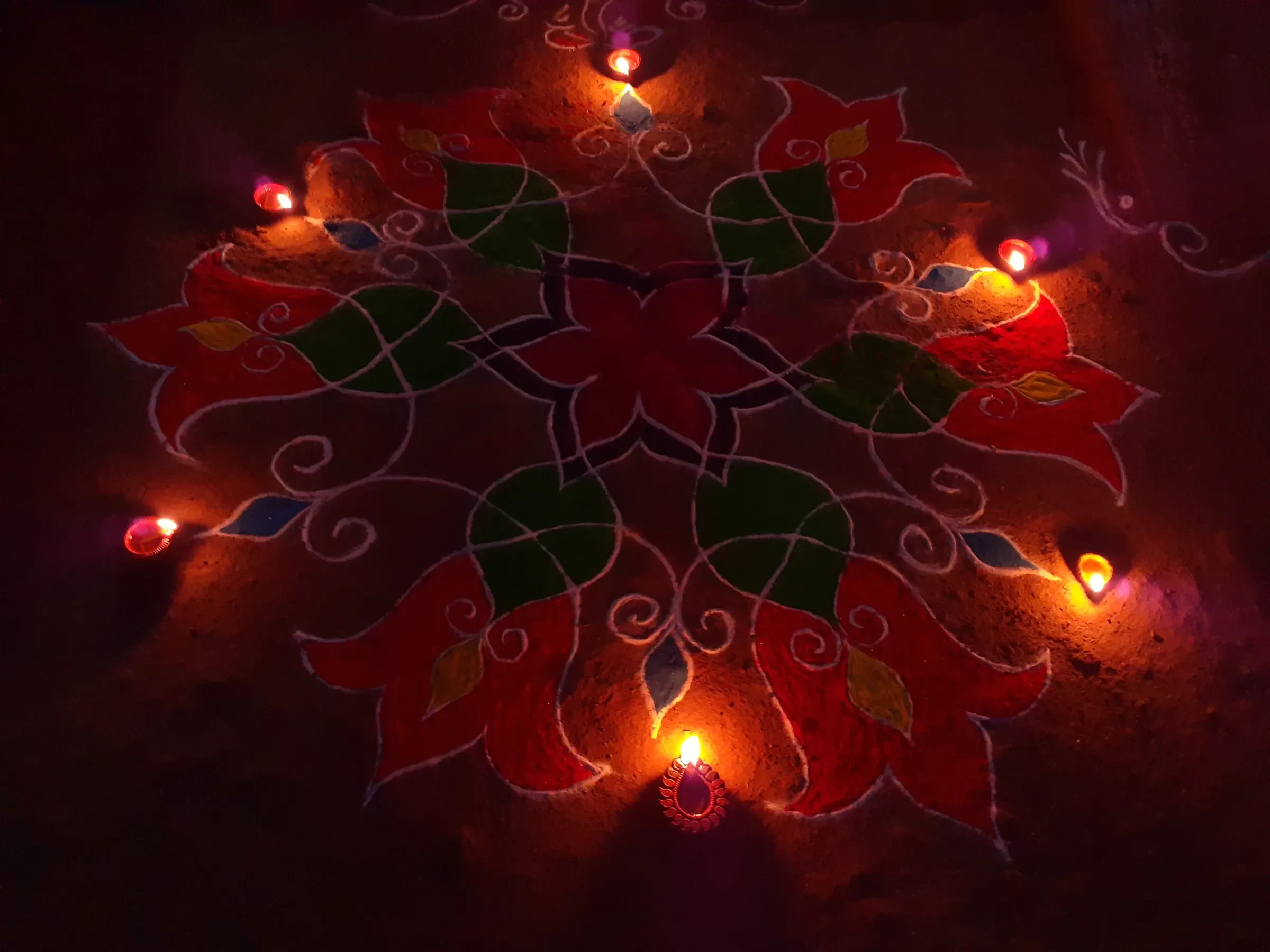
Diwali marks the victory of light over darkness and good over evil, and it falls on Amavasya, the new moon, in the Hindu month of Kartik. The main celebration spans five days, and each has its own name and small rituals:
| Day | Name | What happens |
|---|---|---|
| 1 | Dhanteras | Families buy gold, silver or new kitchenware for good fortune, and light the first lamps |
| 2 | Naraka Chaturdashi (Chhoti Diwali) | An early oil bath and more diyas and rangoli, marking Krishna's victory over the demon Narakasura |
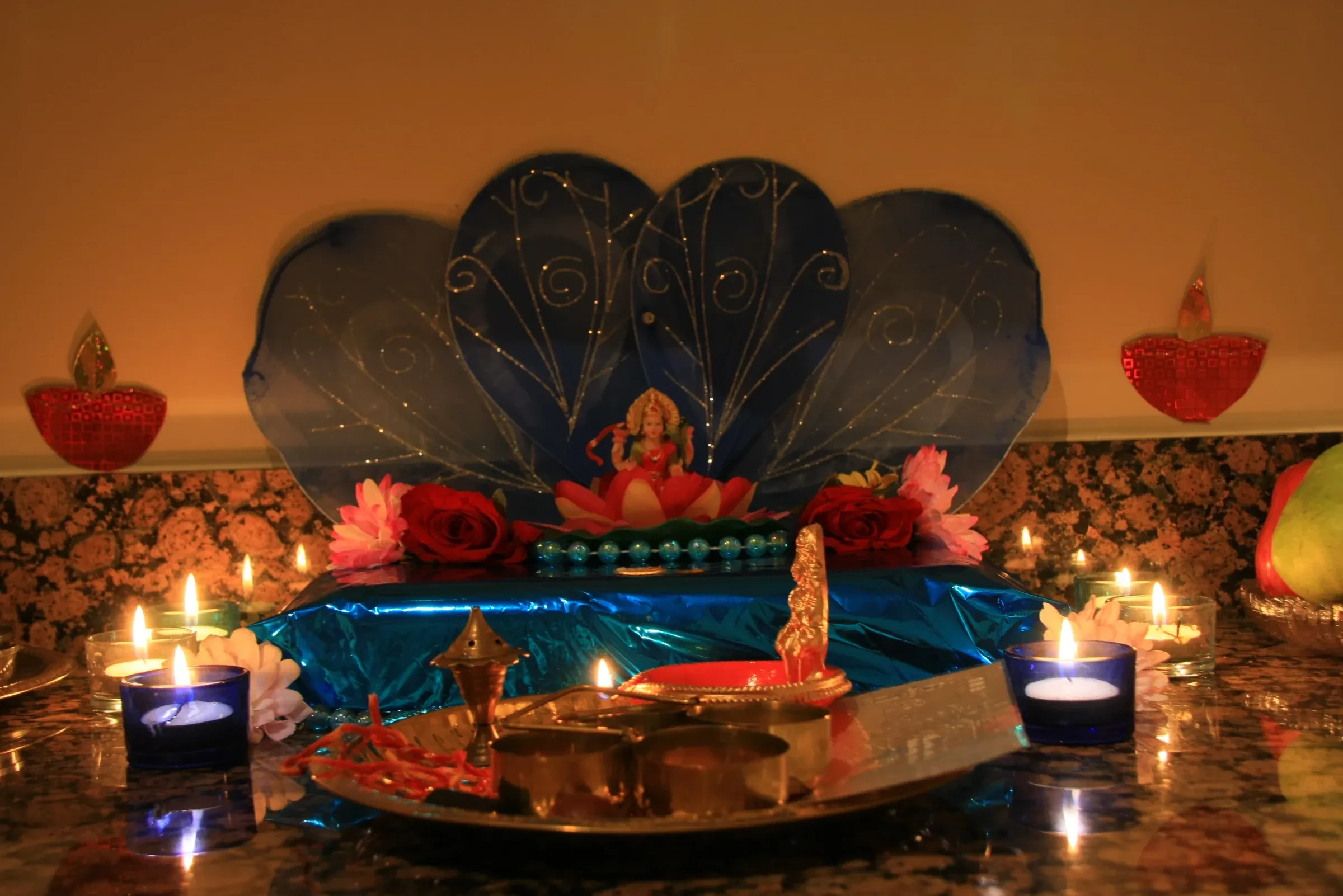
| 3 | Diwali (Lakshmi Puja) | The main night: homes are fully lit, Lakshmi Puja is performed at dusk, and most of the fireworks happen |
| 4 | Govardhan Puja | Small hill-shaped offerings mark Krishna sheltering his devotees from a storm |
| 5 | Bhai Dooj | Sisters and brothers meet to mark their bond, closing the festival |
Dates for 2026 and 2027
| 2026 | 2027 | |
|---|---|---|
| Dhanteras | Fri 6 November | Wed 27 October |
| Naraka Chaturdashi (Chhoti Diwali) | Sat 7 November | Thu 28 October |
| Diwali (Lakshmi Puja) | Sun 8 November | Fri 29 October |
| Govardhan Puja | Mon 9 November | Sat 30 October |
| Bhai Dooj | Tue 10 November | Sun 31 October |
Diwali follows the Hindu lunar calendar, so the date moves each year, and some regional calendars shift Dhanteras or Govardhan Puja by a day. The main Lakshmi Puja dates for 2026 and 2027 both appear on the central government's list of holidays. The other four days come from Hindu calendar sites, so treat them as accurate to within a day.
How Diwali is celebrated, region by region
Diwali looks different depending on where you are. In the north, it's mostly about Lakshmi Puja, home lighting and fireworks. In Bengal, many people worship Kali instead of Lakshmi on the same night. In Gujarat, Diwali also marks the start of the new business year, with shopkeepers opening fresh account books. In Punjab, Diwali coincides with Bandi Chhor Divas, the Sikh festival marking the release of Guru Hargobind and 52 other prisoners from Gwalior Fort in 1619, and it's marked with as much devotion as the Hindu festival itself. South India tends to celebrate more quietly, with the main festivities on Naraka Chaturdashi rather than the Lakshmi Puja night.
Where to experience Diwali
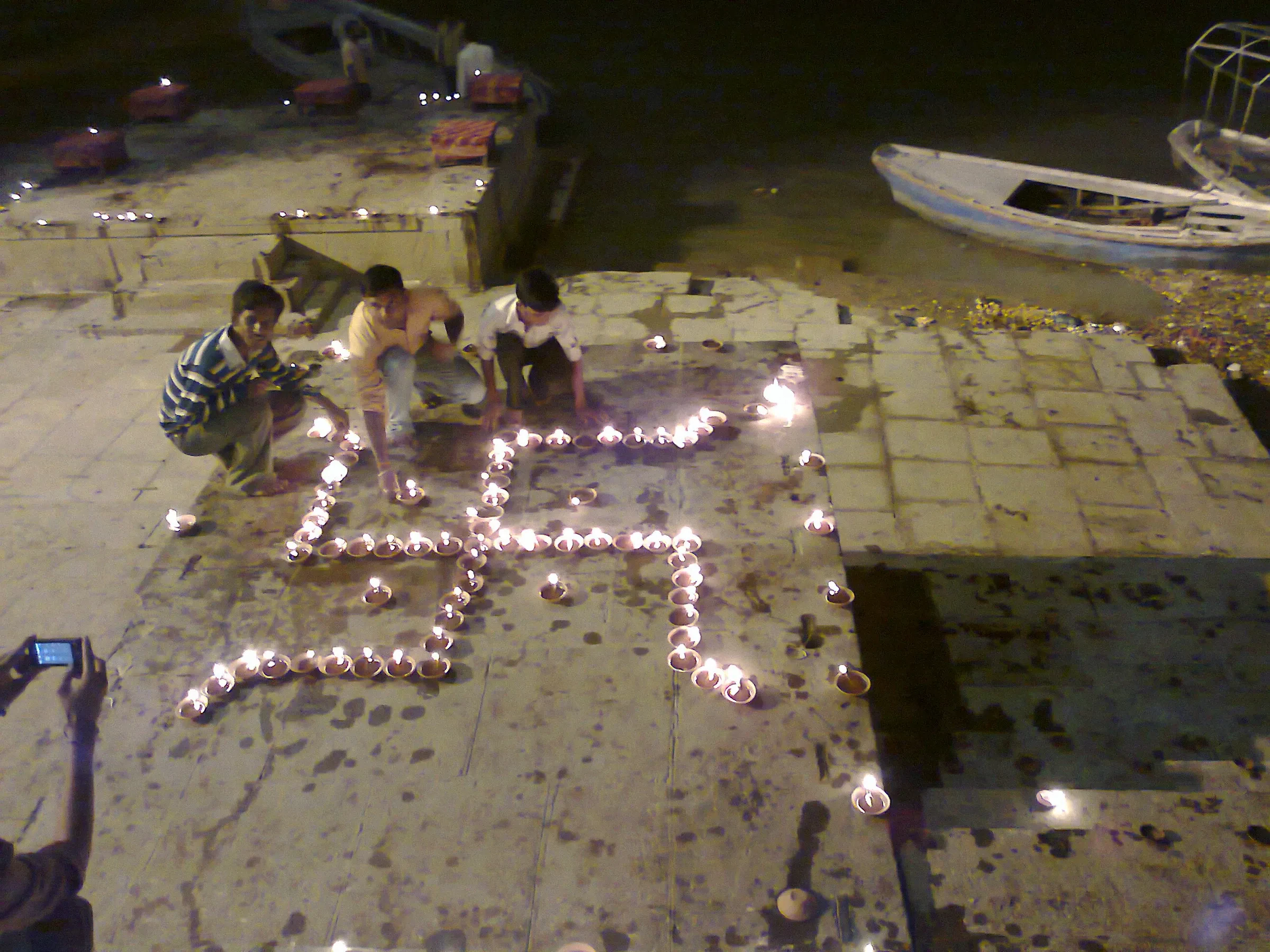
Varanasi's Dev Deepawali
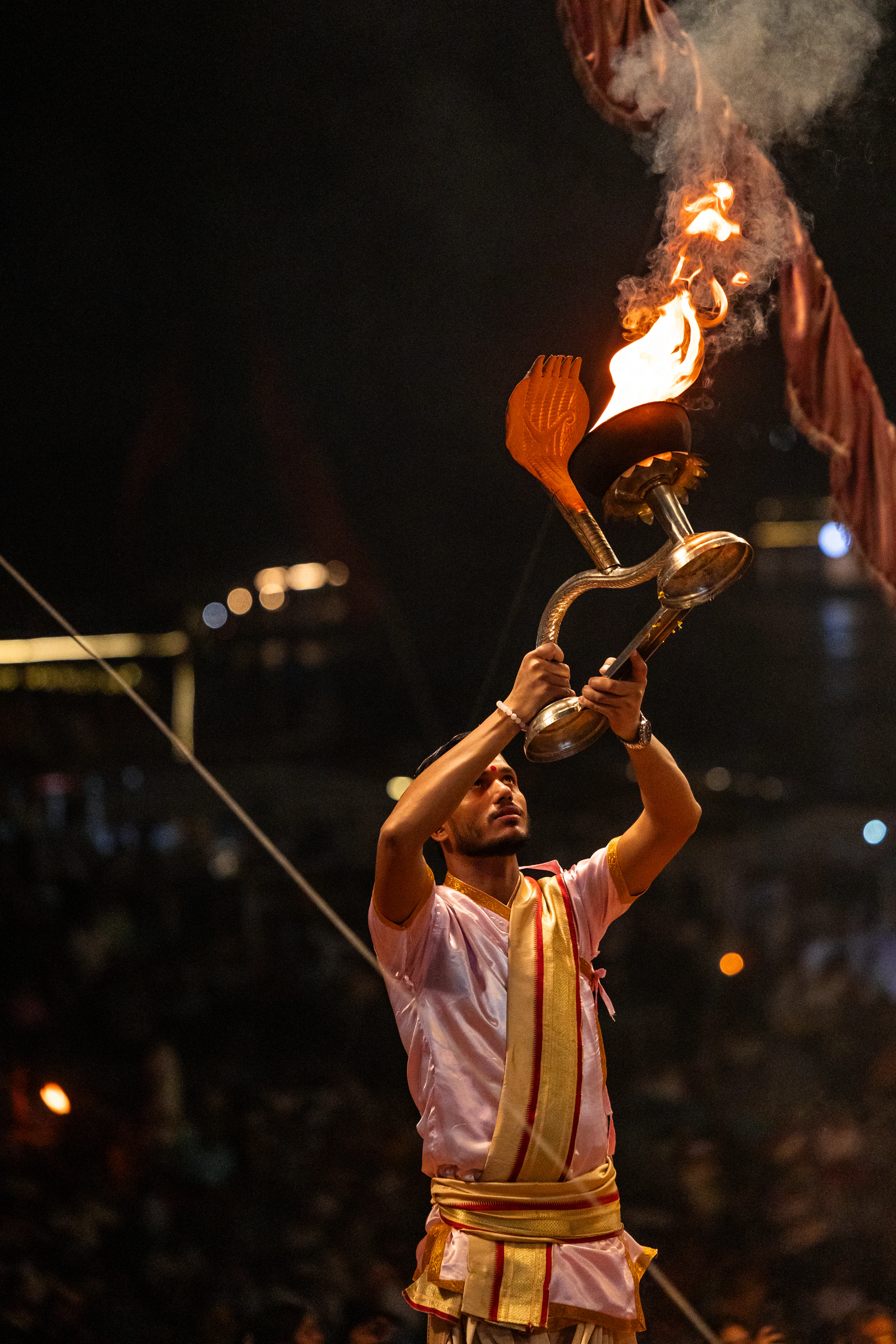
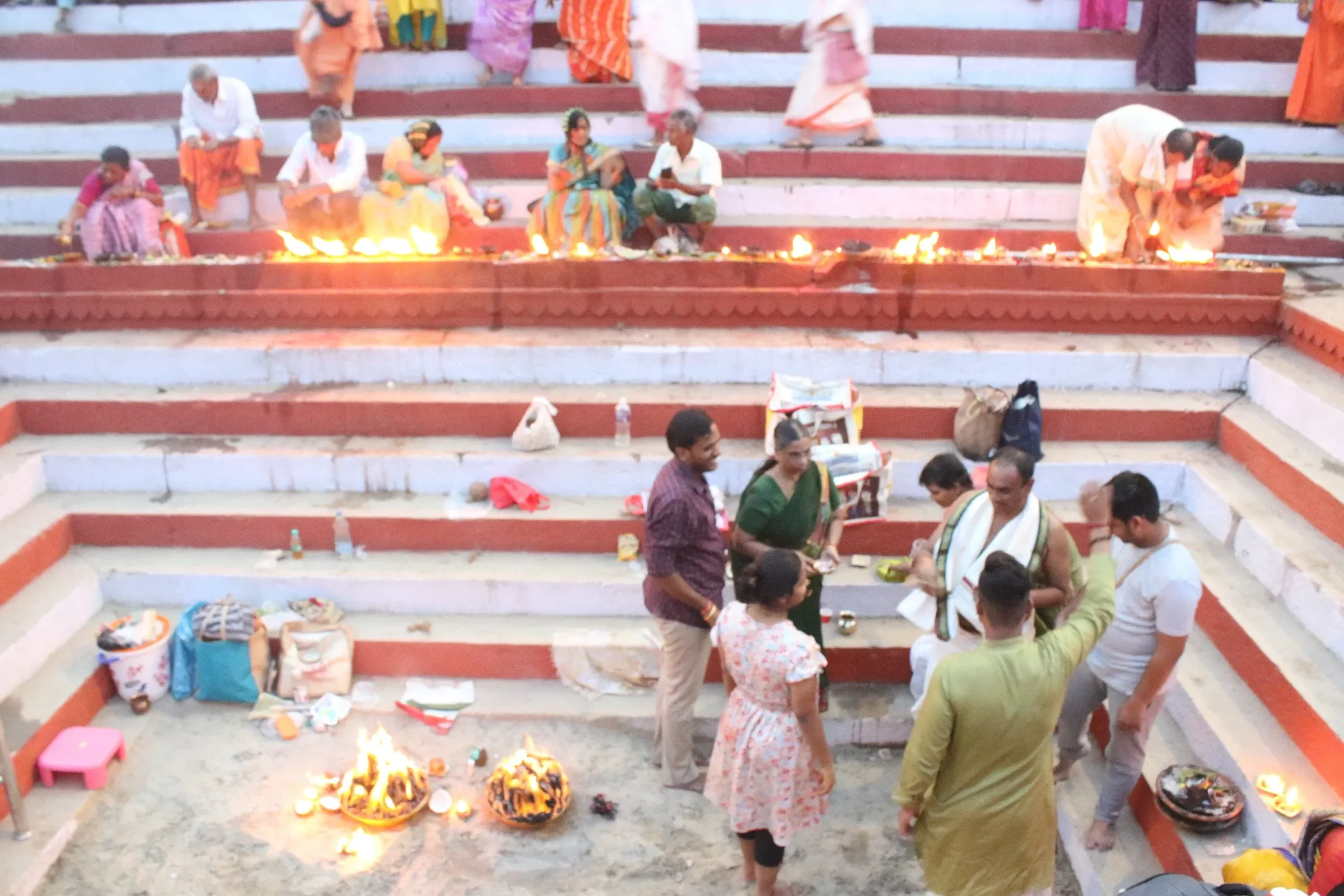
Roughly two and a half weeks after Diwali, on the full moon of Kartik Purnima (24 November 2026), Varanasi holds Dev Deepawali, the "Diwali of the gods." Volunteers line every one of the city's ghats with lamps, over a million of them by some counts, and light them all at once around sunset. The Ganga Aarti runs longer than usual, and people release floating lamps onto the river, so it looks, briefly, like the water itself is on fire. It's a separate event from Diwali itself and, for many visitors, the more striking of the two.
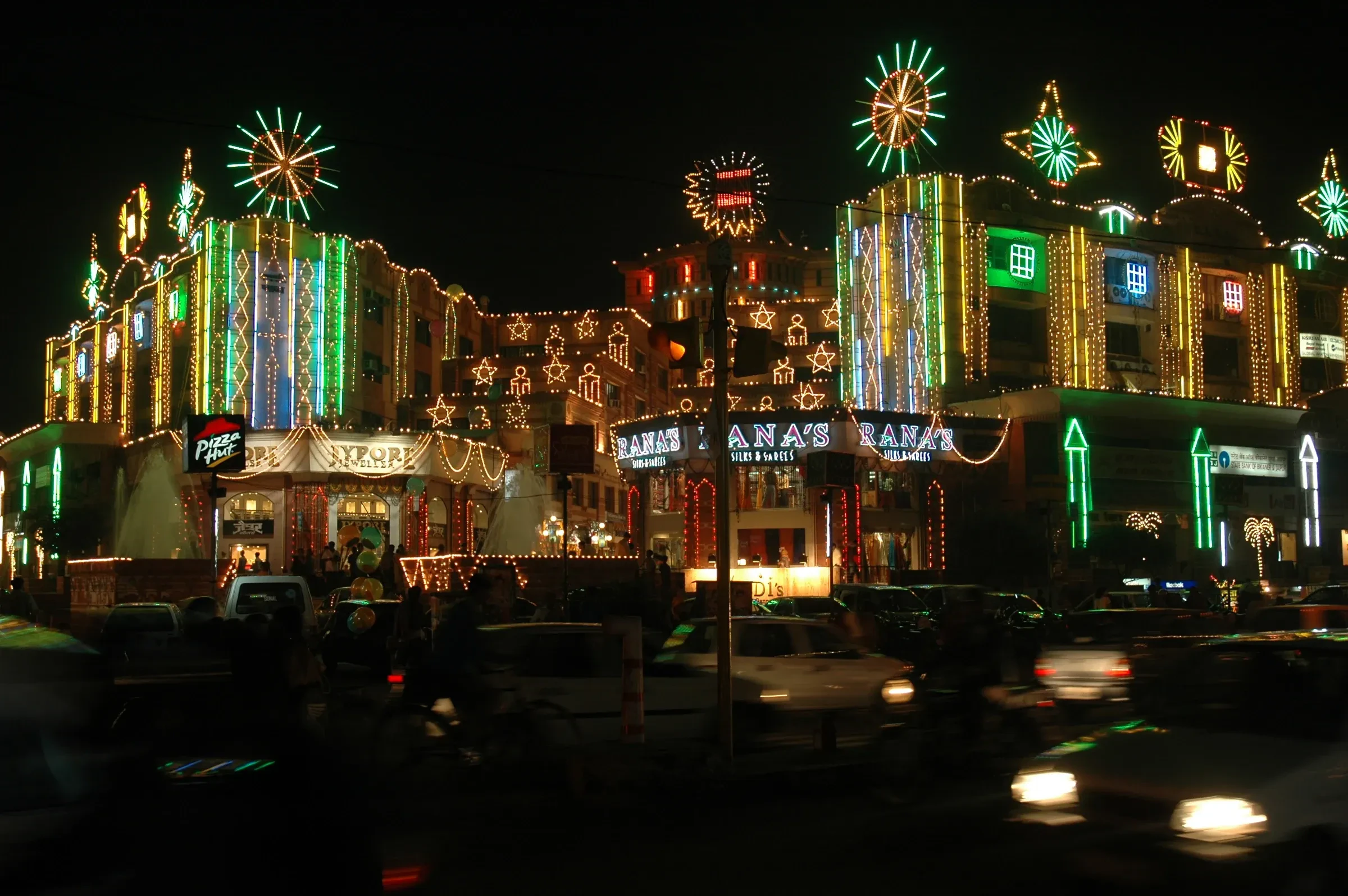
Jaipur
Rajasthan's capital runs a government-backed competition between its old-city markets, Johari Bazaar, Bapu Bazaar and Tripolia Bazaar among them, to see who can put on the best light display. Shops stay open late, and the streets themselves become the attraction.
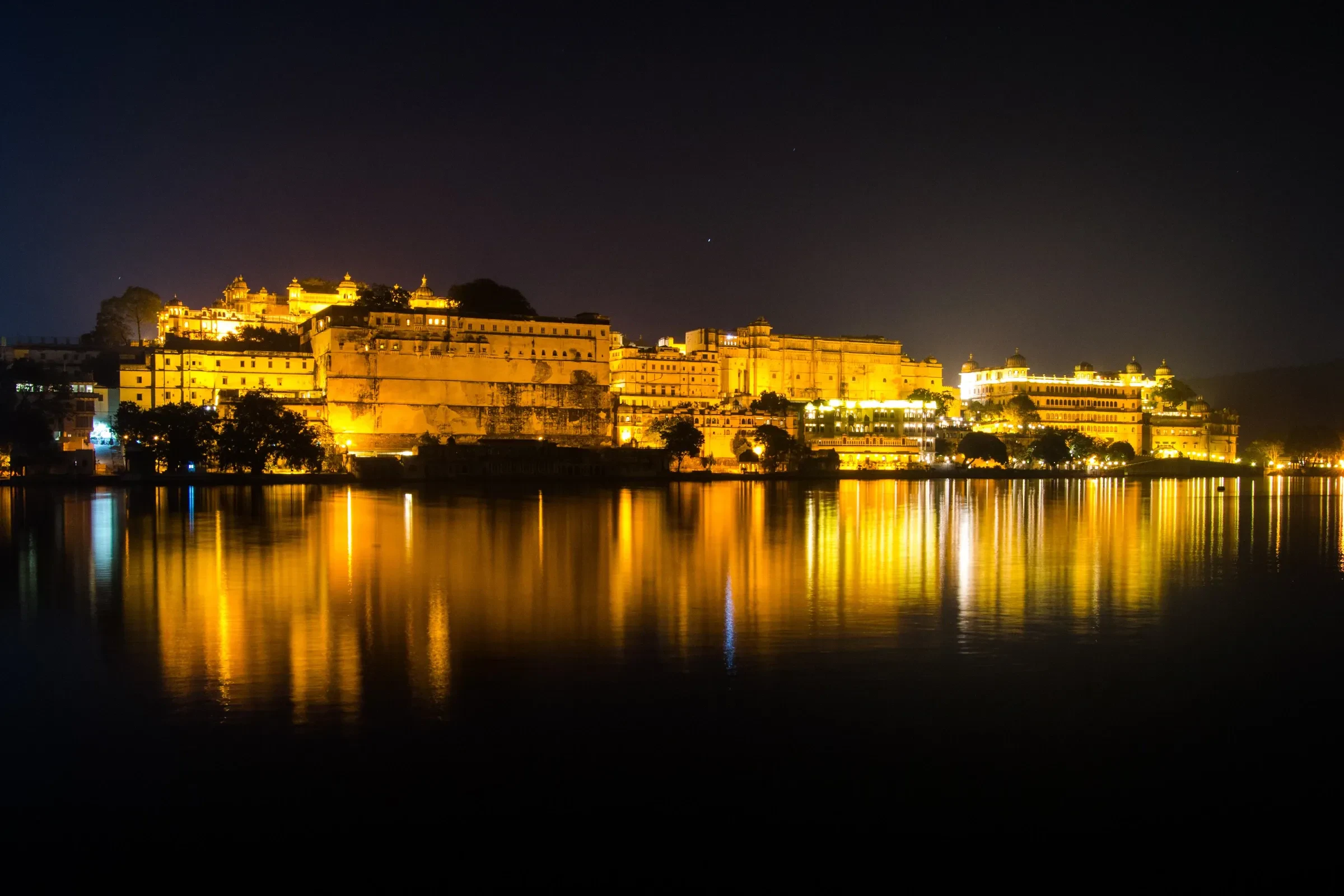
Udaipur
Udaipur's palaces and lakeside havelis take on the lights well, with the City Palace and the ghats around Lake Pichola lit for the festival. It's quieter and less crowded than Jaipur's markets, in keeping with the city generally.
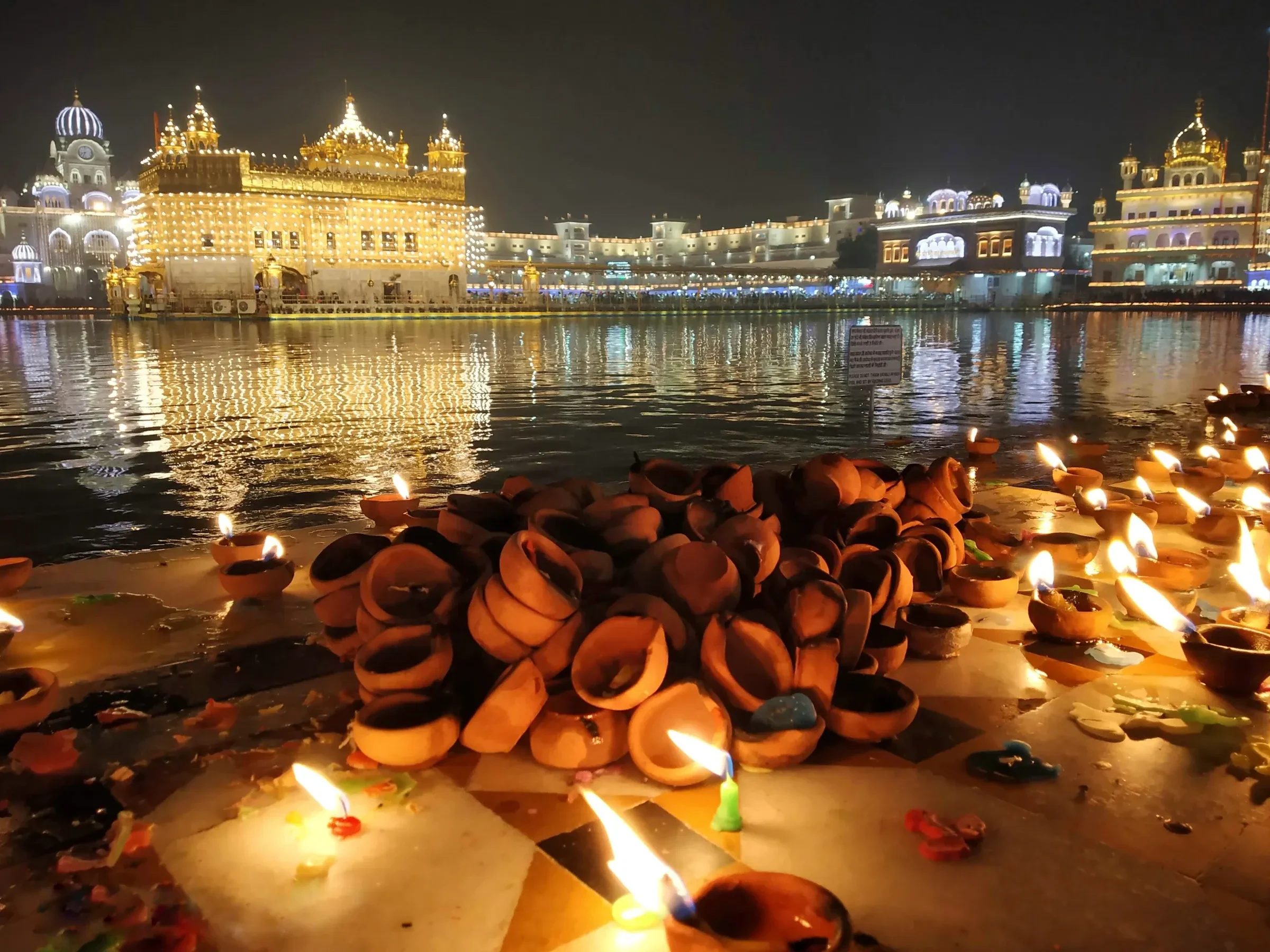
Amritsar
At the Golden Temple, Diwali overlaps with Bandi Chhor Divas, and the whole complex is strung with lights and lamps, with fireworks in the evening. It's one of the most photographed Diwali scenes in the country, and also one of the busiest, since it draws pilgrims for both festivals at once.
Air pollution and firecrackers
Diwali fireworks make an already difficult few months for North Indian air quality considerably worse for several days afterwards, particularly in Delhi, which is regularly ranked among the most polluted capital cities in the world through the surrounding weeks. Courts and state governments have restricted firecrackers in various ways in recent years: for Diwali 2025, the Supreme Court allowed the sale of "green" firecrackers in Delhi-NCR from 18 to 21 October, and bursting only between 6 and 7 am and 8 and 10 pm. The court called that a trial relaxation. We haven't found a 2026 order yet. Rules like these are usually set shortly before each Diwali and vary by city and state, so check the current year's order if you're travelling to North India around the festival, and consider an N95 mask for the days immediately after.
Getting around India during Diwali
Diwali is when a large share of India travels home, so trains and flights get booked out well in advance and prices rise, in much the same way as Christmas does in the West. If you need to move between cities in the days immediately around Diwali, book your train on IRCTC's foreign tourist quota, or your flight, as early as you can. Hotel prices in the festival's popular destinations, Jaipur, Udaipur and Varanasi among them, also climb for the week around it.
Diwali etiquette for visitors
- If you're invited into someone's home or a puja, dress modestly, remove your shoes at the door, and follow your host's lead on when to eat, since sweets and a meal usually follow the prayers.
- Ask before photographing a family's puja or their lamps, the same as you would at any private religious moment.
- Keep a safe distance from fireworks, especially in crowded market streets, and know that stray animals are often frightened by the noise.
- Expect closures. Many shops, offices and some transport services slow down or close on the main Diwali day and the day after.
Diwali and our trips
Neither of our India trips is built around Diwali itself, but you could spend the festival independently, then join a trip that starts in the weeks after it. Our Rajasthan & Varanasi trip spends two nights in Pushkar, and a departure timed for the Pushkar Camel Fair puts those nights inside it. Our Golden Triangle trip starts in Delhi, where the worst of the post-festival air pollution has usually started to clear about two weeks after Diwali. The trip pages list current dates.