Rann Utsav turns a stretch of barren salt desert into a working "tent city" for four months every winter. It's less a single festival than a whole season you can drop into for a night or several, and it has grown steadily since it began. This guide covers what's there, how booking works, the permit you'll need, and how to get there.
What Rann Utsav is
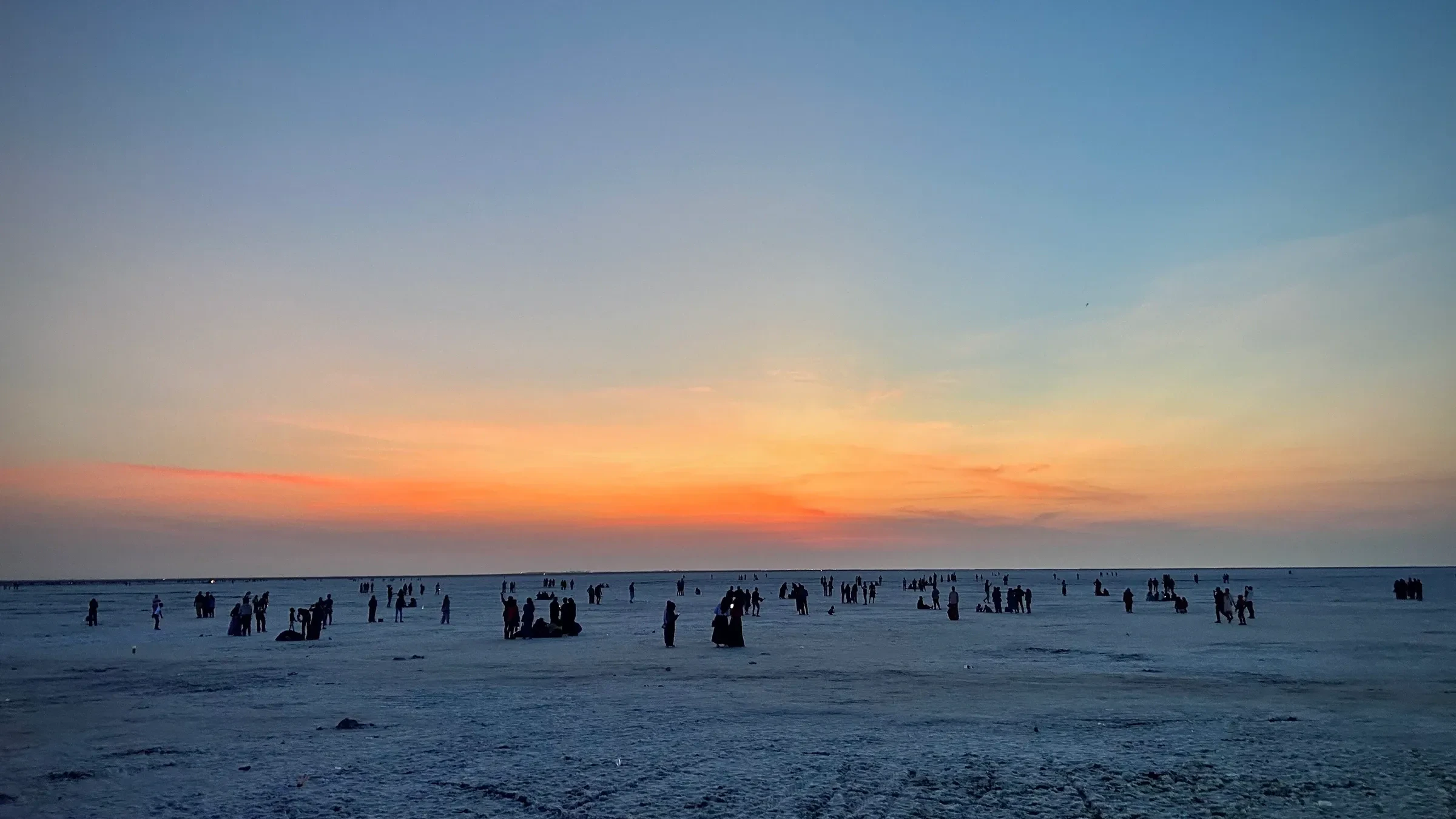
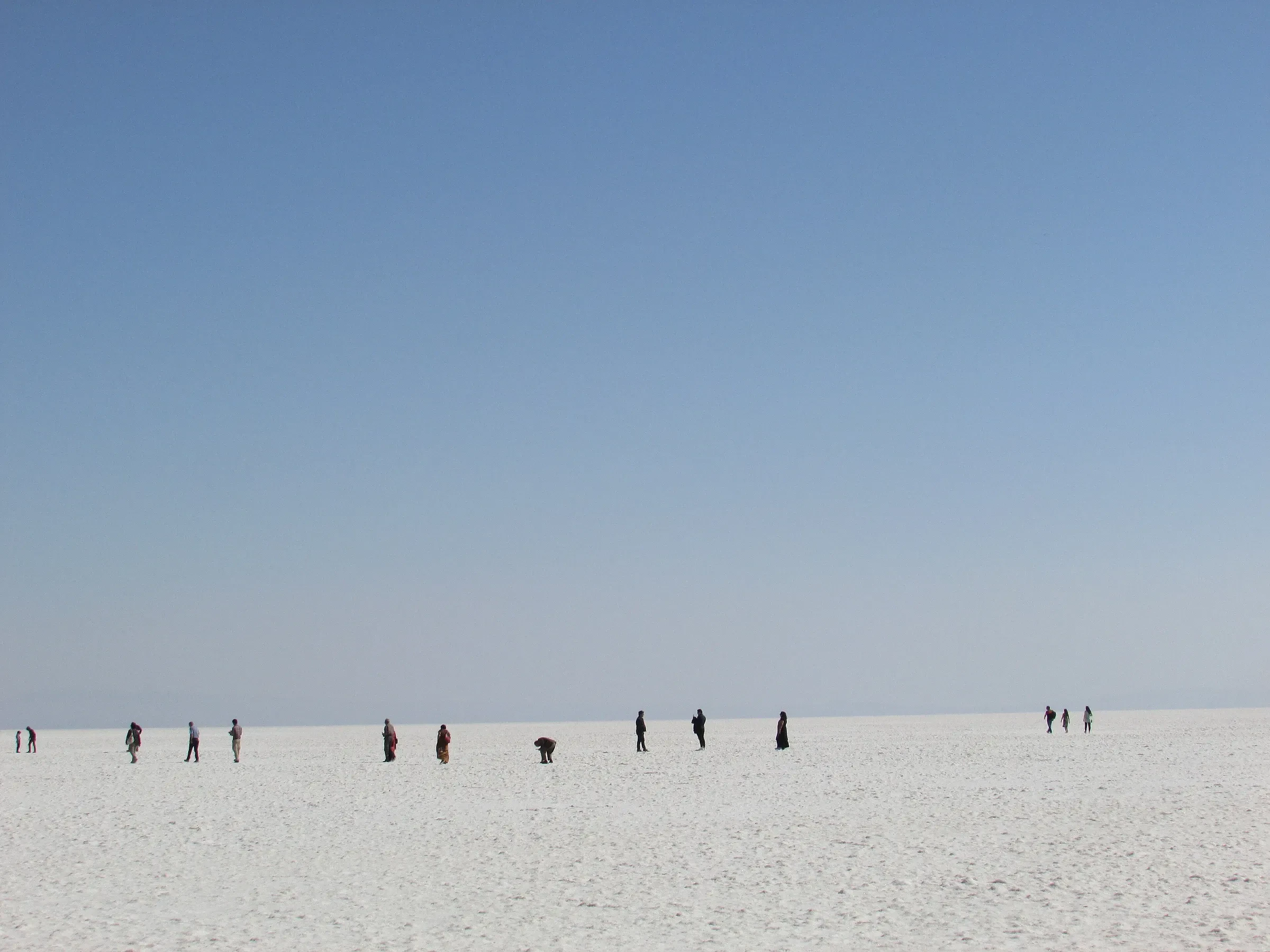
The Great Rann of Kutch is a seasonal salt marsh in Gujarat, roughly 7,500 square kilometres, that dries into a blinding white crust each winter. Rann Utsav is Gujarat Tourism's response to it: a tent city at Dhordo village, on the edge of the salt desert, run by the operator Evoke Experiences with Gujarat Tourism, running a nightly programme of Kutchi folk music and dance, an artisan craft market and desert safaris for the length of the winter season. It's been running since 2006, and Dhordo itself was named one of the UN World Tourism Organization's Best Tourism Villages in 2023.
Unlike most of the festivals in this guide, Rann Utsav isn't built around a single ritual day. It's a managed, pre-booked tourism product you can visit on almost any night of the season, which makes it considerably easier to plan around than a festival tied to a lunar calendar.
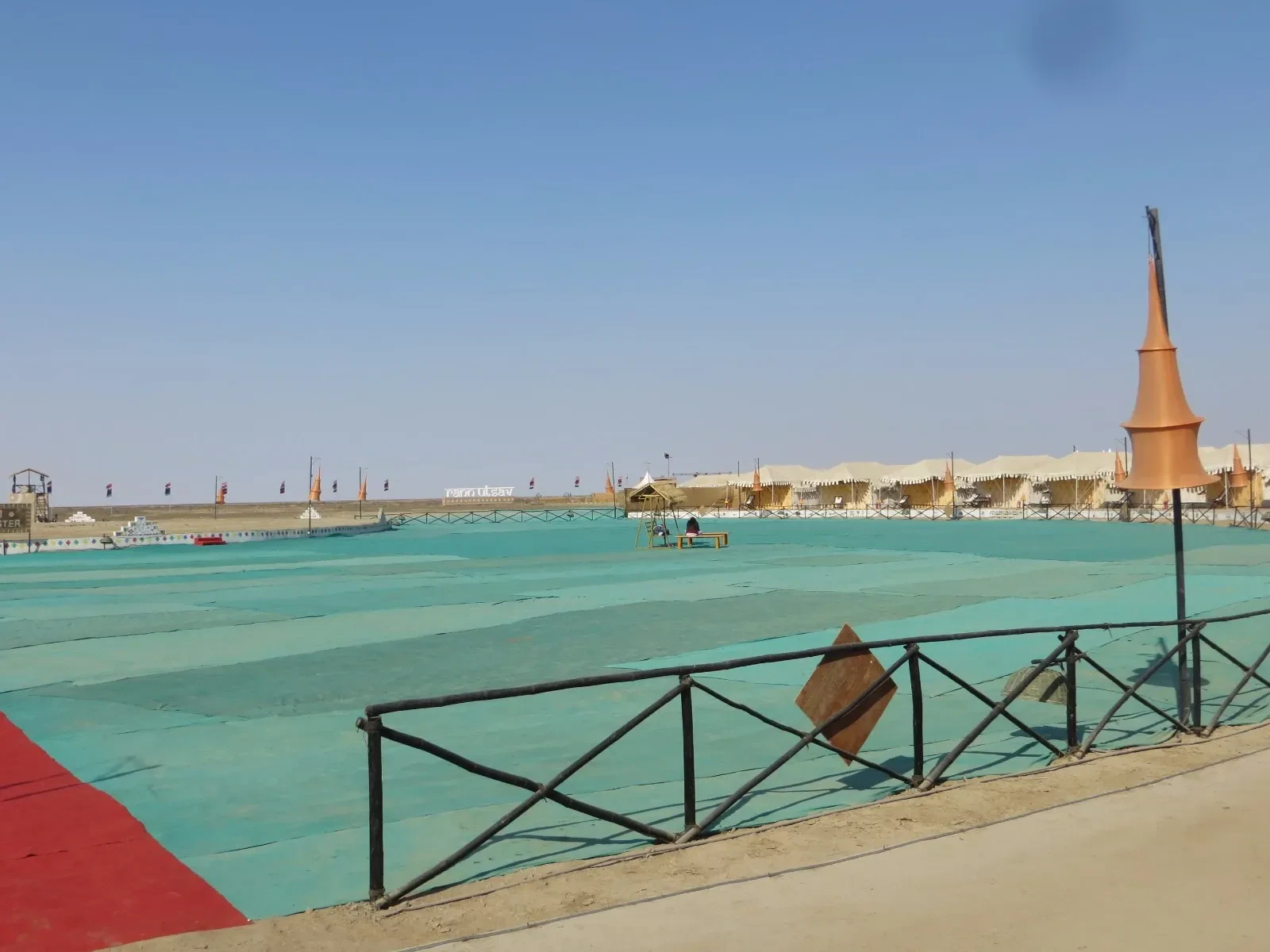
What happens at the tent city
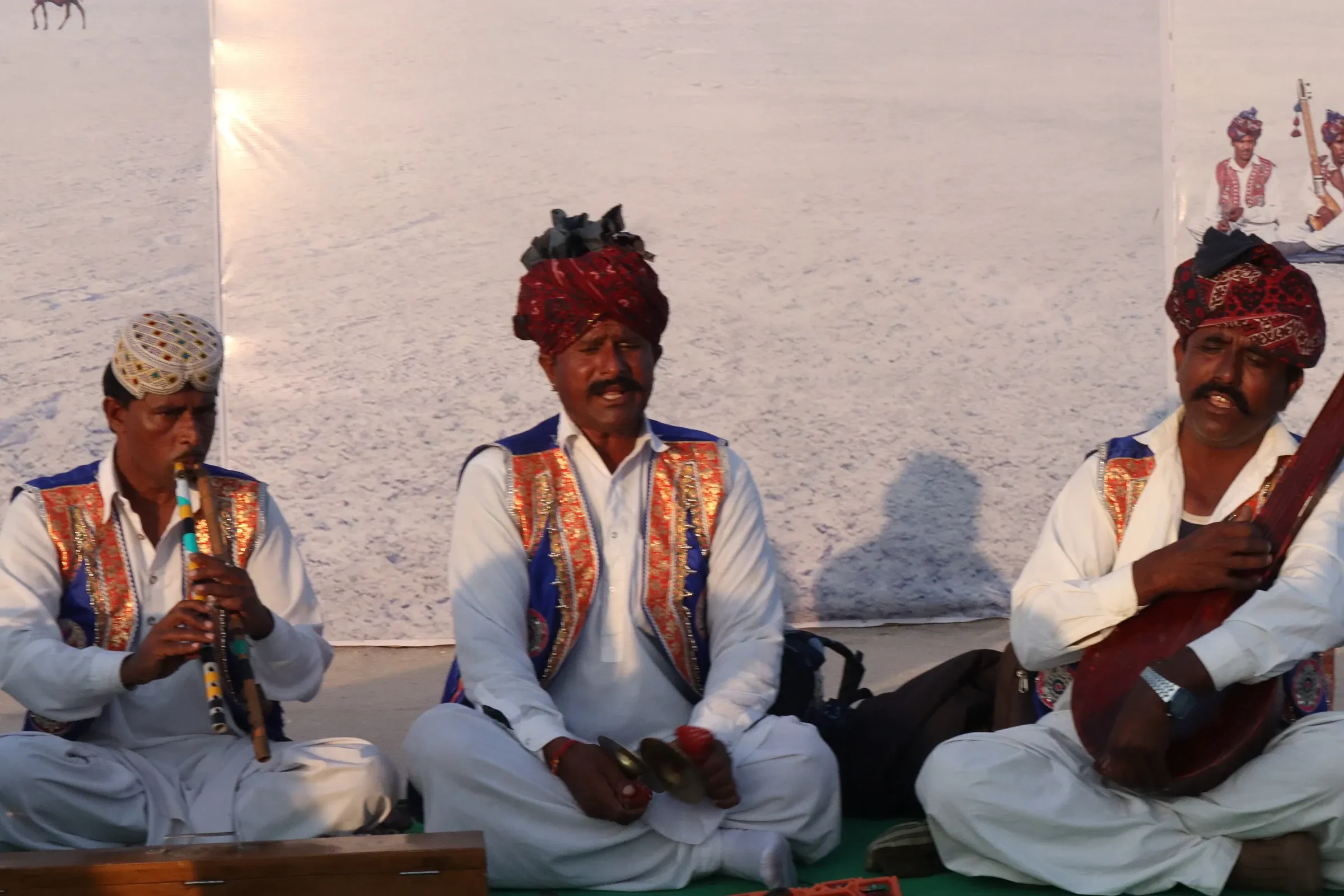
- Cultural performances. A nightly open-air programme of Kutchi folk dance and music, including Garba, Dandiya Raas and lesser-known local forms, plus Sufi and Sindhi music, staged under the stars.
- A craft market. Kutch is known for embroidery, block printing and pottery, and local artisans sell their work at a market inside the tent city.
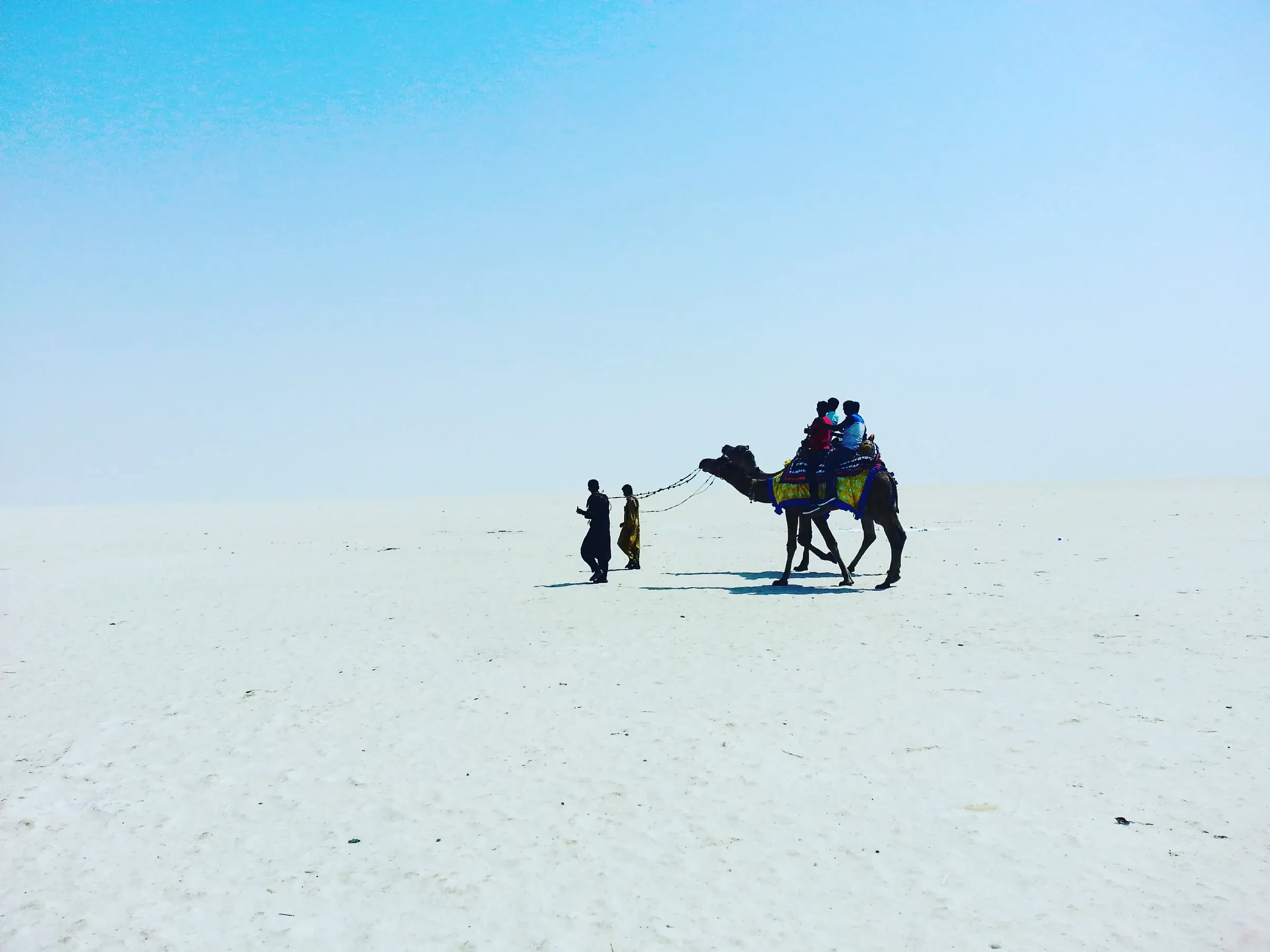
- Desert safaris. Camel and jeep safaris cross the salt flats at sunrise and sunset, when the light is at its best.
- Other activities. Most seasons also offer ATV rides, cycling on the salt, paramotoring and stargazing sessions, depending on the operator and package.
- Full moon nights. The white salt is at its most striking under a full moon, and these nights are the most popular of the season and the first to sell out.
Some tour operators also run a day trip from the tent city to the actual India-Pakistan border viewing point nearby, under a special Border Security Force permit arranged for the festival. This border add-on is for Indian nationals only; foreign visitors can't join it, though the White Rann itself remains open to foreign tourists with the standard permit described below.
Where to stay
The tent city at Dhordo is the main option. The official booking site lists several categories, from premium tents and Swiss cottages up to "Rajwadi" and "Darbari" suites. Packages usually run from one to three nights and bundle accommodation, meals and the cultural programme, and many include the permit. Check what yours covers.
Package prices vary a lot by tent type and by date, and resellers quote very different figures for the same product, so compare the official booking site (it opened for the 2026-27 season on 31 July 2026) with operators before you pay. Full moon nights, Diwali week and the New Year period cost more and sell out first, so book well ahead if you want a specific night. Bhuj, about 85km away, has ordinary hotels if you'd rather stay outside the tent city and visit for the day.
The permit you'll need
Because the White Rann sits inside a notified border zone, everyone needs a permit to enter it, tent city guests included. The Gujarat government's online portal, rannpermit.gujarat.gov.in, is for Indian nationals only. Foreign visitors collect the permit in person at the Bhirandiyara checkpost on the road from Bhuj, with their passport and Indian visa details, and should leave extra time, since the process involves more checks. A small per-person fee applies (the portal lists ₹100 for anyone over 12), so check at the checkpost for the current amount. The same permit covers Kalo Dungar, the highest point in Kutch, so keep your documents with you throughout your visit.
Getting there
Bhuj has the nearest airport, about 4km from town, with flights mainly from Mumbai, and the nearest rail station, with trains from Ahmedabad and further afield. From Bhuj, Dhordo is about 85km away, roughly 1.5 to 2 hours by road. Some tent city packages include shared transfers from Bhuj airport and station at fixed times, so check before arranging your own. Otherwise hire a taxi and agree the fare first, or take one of the buses that run the route during the season, which take a little longer. If you're coming from further away, Ahmedabad is the bigger gateway airport, with Bhuj as the last, shorter leg.
What to wear and bring
Gujarat's winter days are warm and pleasant, but desert nights, especially on the open salt flats, get properly cold, so bring a warm layer even if you're only there for an evening. Closed shoes are more practical than sandals on the salt crust, and sunglasses help against the glare during the day. Carry your permit and photo ID at all times, and bring cash for the craft market and any extras the tent city package doesn't cover.
A note on our trips
Gujarat and the Rann of Kutch aren't currently part of any SoloNomads group trip. If that changes, this page will be updated to say so. In the meantime, the region pairs naturally with a Rajasthan trip for independent travellers, since Kutch's own season (November to March) overlaps with Rajasthan's, and Ahmedabad to Udaipur is a manageable road link between the two.