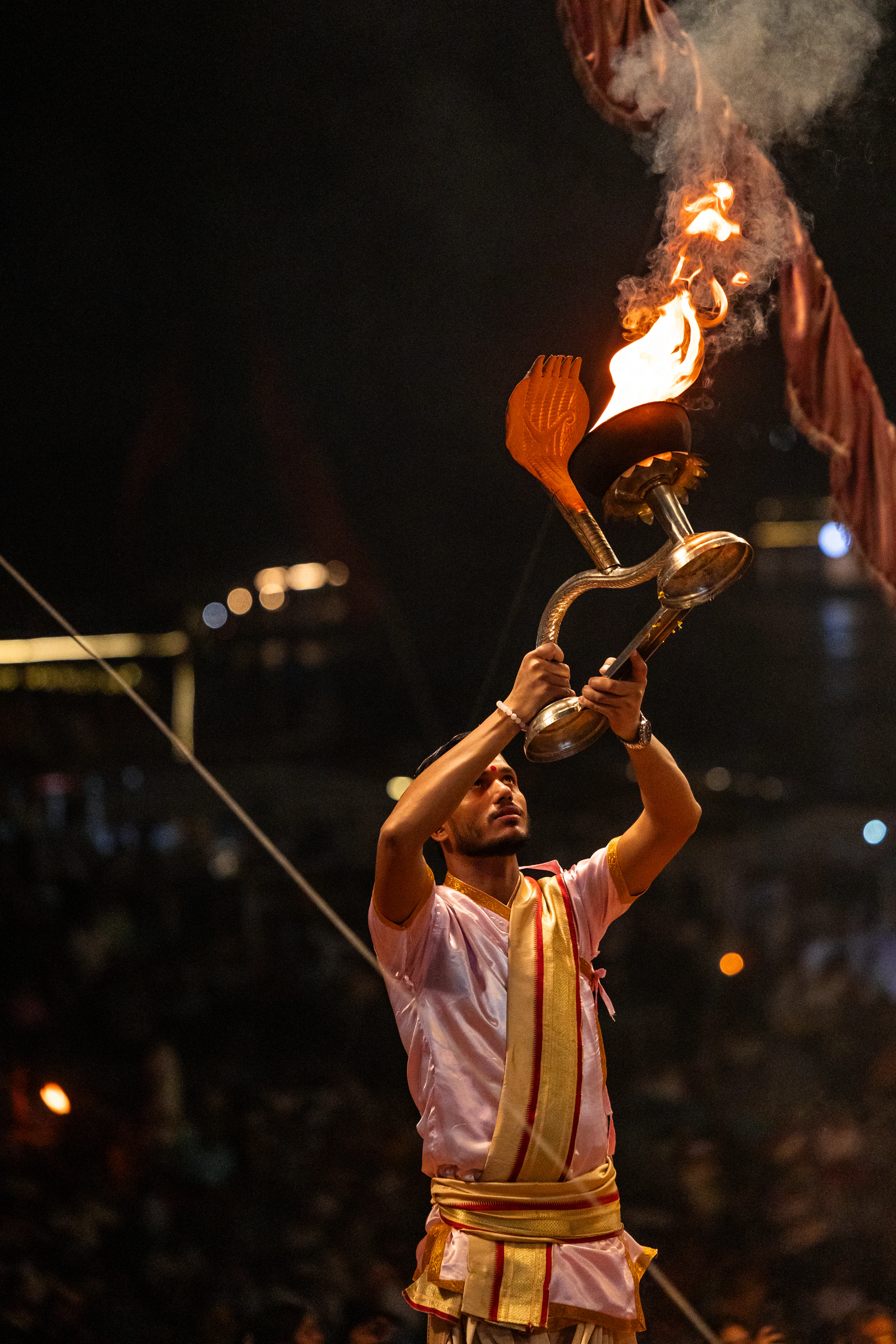
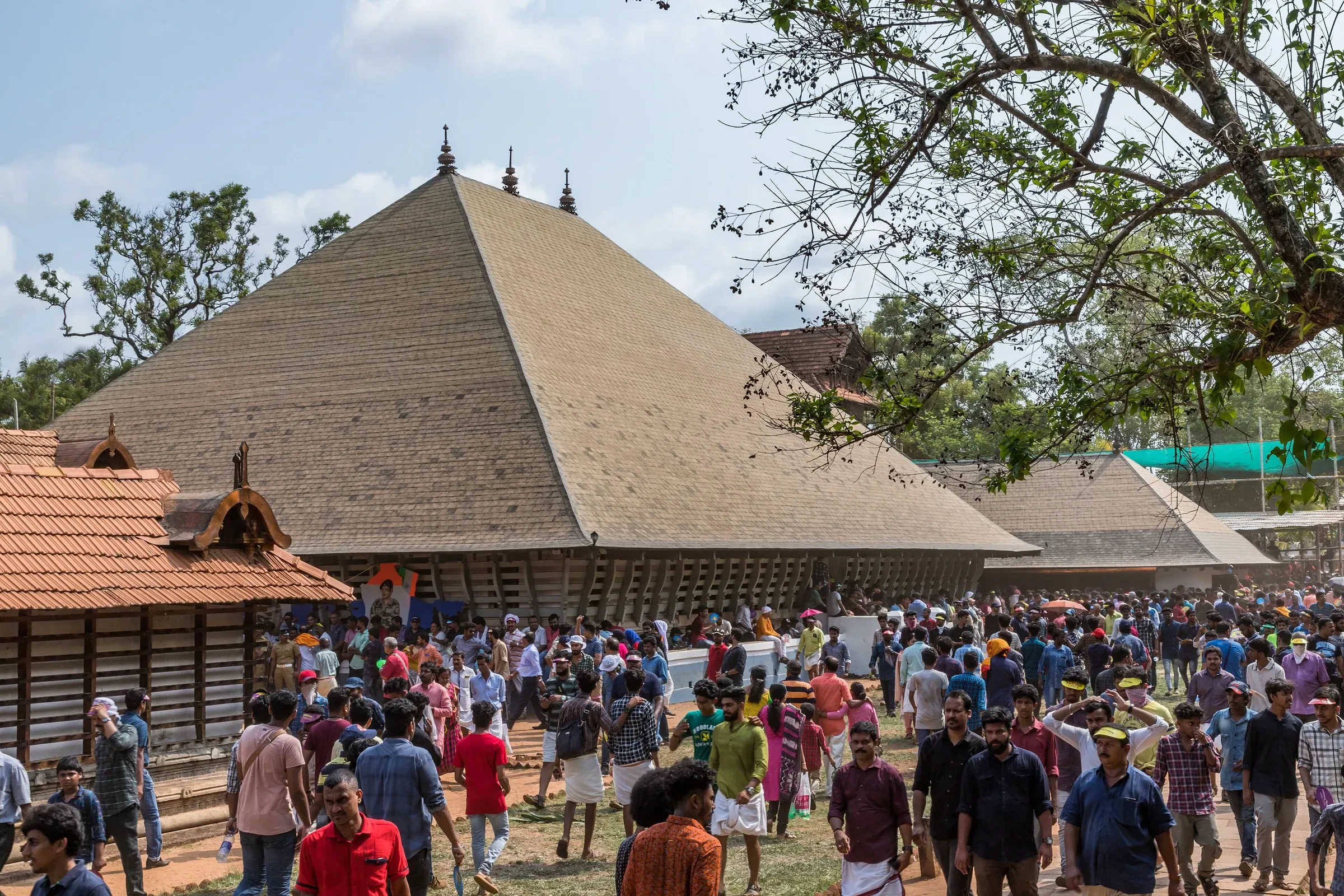
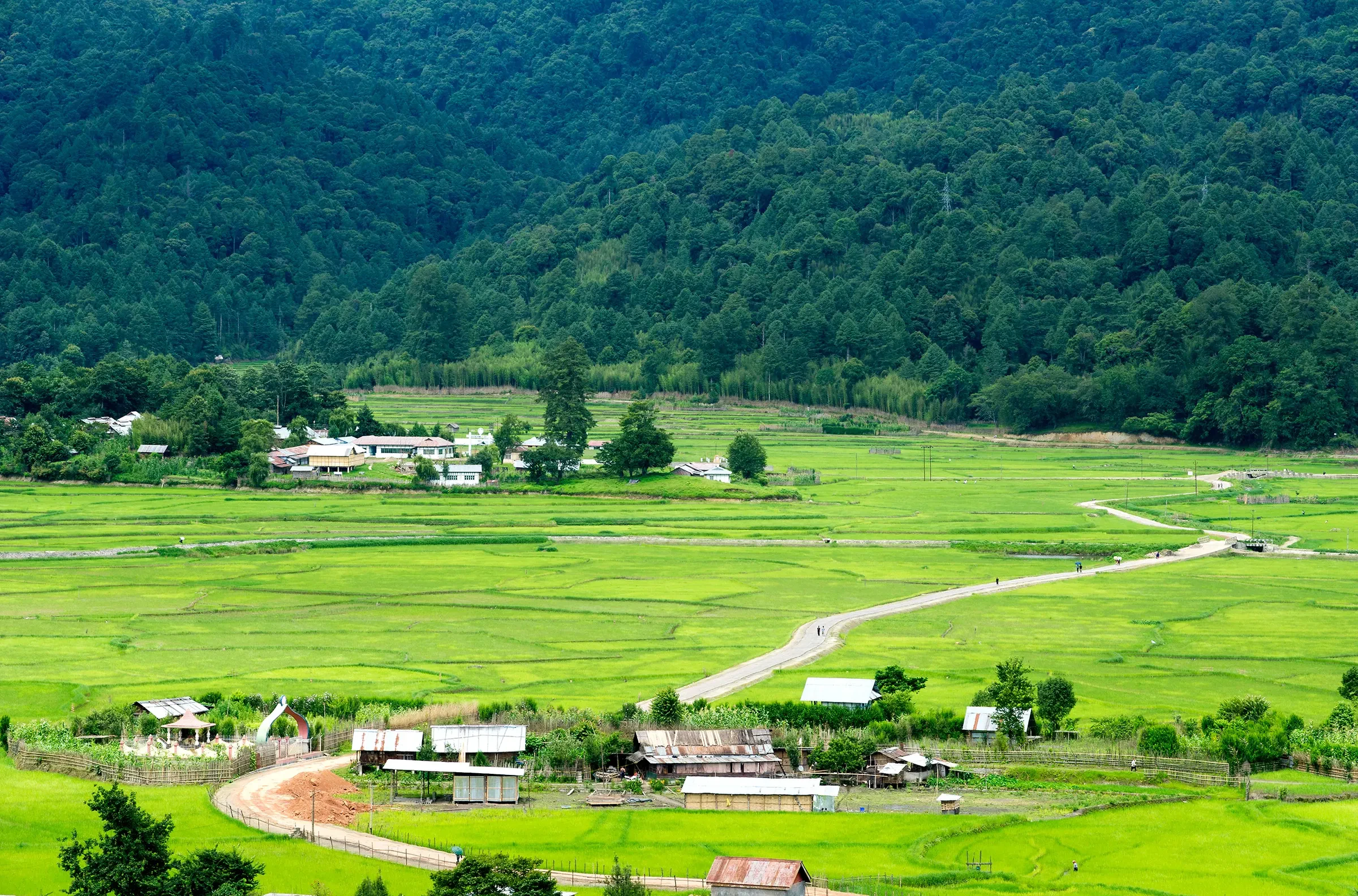
Pongal is Tamil Nadu's biggest festival, a four-day thank-you to the sun and to the animals and land that bring in the harvest. It's quieter and more domestic than Holi or Diwali, built around home rituals rather than street spectacle, but it opens a real window into rural Tamil life, and it falls squarely in the best months to be in South India. This guide covers the four days, what happened in 2026, where to go, and the Jallikattu bull-taming events that run alongside it.
What Pongal is, and its four days
Pongal marks the end of the harvest season and gives thanks to the Sun God, Surya, for the crop. It takes its name from the word for "boiling over", the moment the festival's signature dish spills out of the pot, which is treated as a sign of coming abundance. Like Onam in neighbouring Kerala, it's a harvest festival rather than a story-based one, and each of its four days has a distinct focus:
| Day | Name | What happens |
|---|---|---|
| 1 | Bhogi | Households burn old belongings and thatch on a bonfire at dawn, a symbolic clear-out before the new farming year, and homes are cleaned and decorated with kolam (rice-flour floor patterns) |
| 2 | Thai Pongal (Surya Pongal) | The main day. A fresh clay pot of rice, milk and jaggery is boiled outdoors until it overflows, and the dish, also called pongal, is offered to the sun before the family eats it |
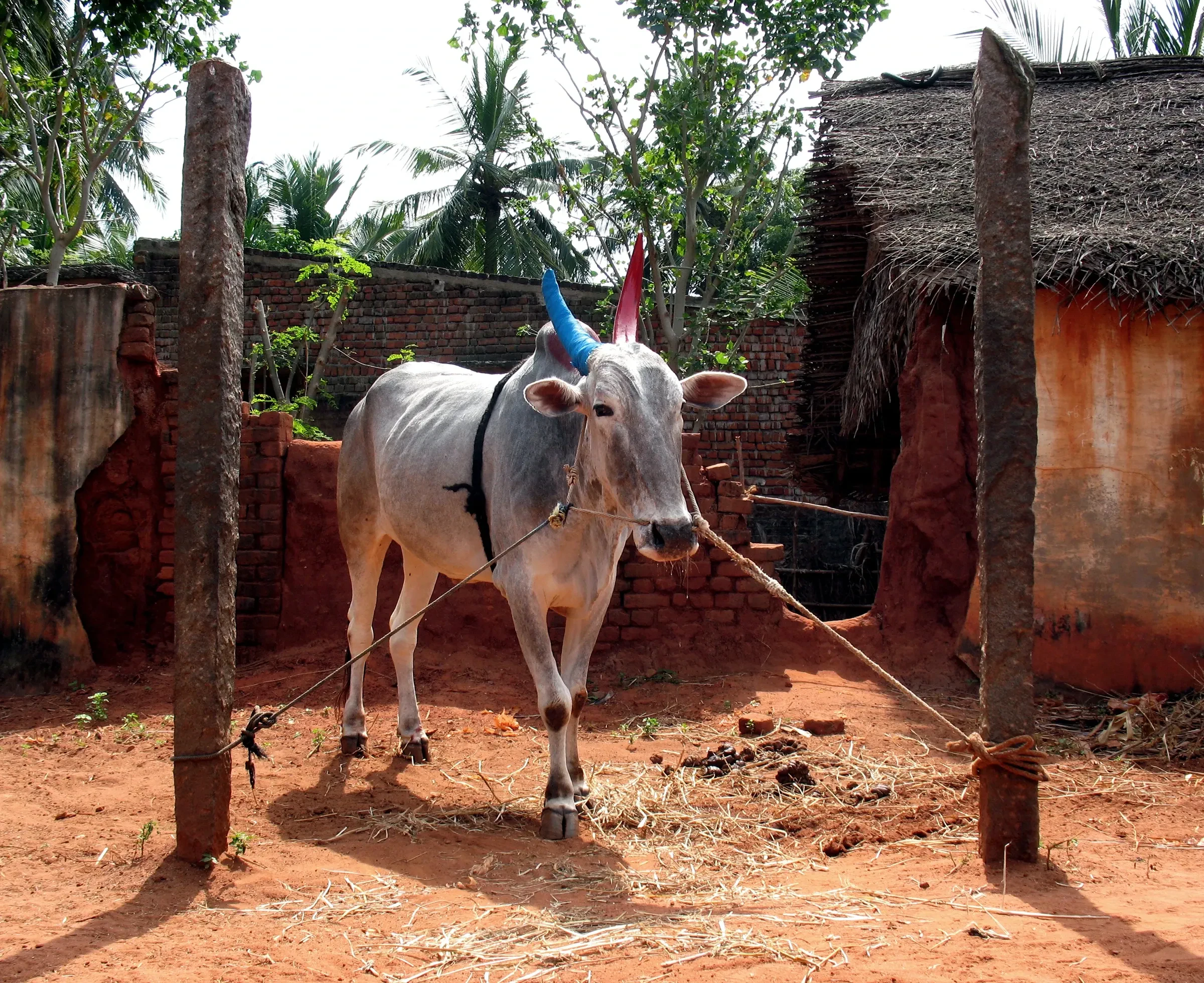
| 3 | Mattu Pongal | Cattle are washed, their horns painted and decorated with bells and garlands, and fed a share of the festival meal, in thanks for their work in the fields. Jallikattu, the bull-taming sport, is traditionally tied to this day |
| 4 | Kaanum Pongal | A day for visiting family and friends, picnics and short trips, closing out the festival |
What happened at Pongal 2026
Pongal 2026 ran from Wednesday 14 to Saturday 17 January, and Tamil Nadu's state holiday list marked Pongal on 15 January, Thiruvalluvar Day on 16 January and Uzhavar Thirunal on 17 January. The headline events were the three big Jallikattu days in Madurai district, one village per day.
At Avaniyapuram on 15 January, about 2,000 police were on duty, with ambulances and veterinary teams on site. Around 960 tamers received tokens, and a transgender woman competed for the first time, with her own bull. At Palamedu on 16 January, more than 1,000 bulls and nearly 500 tamers took part, and the top tamer won a car. Alanganallur closed the run on 17 January, Kaanum Pongal, with roughly 1,000 bulls and nearly 600 tamers. Karthi of Karuppayurani tamed 19 bulls and won a car worth Rs 8 lakh. Reports also noted at least 14 injuries at Alanganallur, four of them serious.
Pongal is still built around a plain domestic ritual: new rice, a new pot, and the wait for it to spill over. Jallikattu gives it a loud public side, with around a thousand bulls at Palamedu and Alanganallur. The sport is legal because the Supreme Court upheld Tamil Nadu's law allowing it in May 2023, as part of the state's cultural heritage.
Dates for 2027, and 2026 for comparison
| 2027 (next) | 2026 (held) | |
|---|---|---|
| Bhogi | Thu 14 January | Wed 14 January |
| Thai Pongal (main day) | Fri 15 January | Thu 15 January |
| Mattu Pongal | Sat 16 January | Fri 16 January |
| Kaanum Pongal | Sun 17 January | Sat 17 January |
Because Pongal is tied to the sun's movement into the sign of Capricorn rather than a lunar date, it barely shifts from year to year, unlike Holi or Diwali. In 2027 the sun enters Capricorn at 9.14 pm on 14 January, and Thai Pongal falls the next day. The same four dates apply across Tamil Nadu.
Where to see Pongal
Tamil Nadu generally
Pongal is a home festival first, so much of it happens behind doorsteps rather than in the street: kolam patterns outside houses, the smell of bonfires on Bhogi morning, and pots of rice boiling over on rooftops and porches on Thai Pongal itself. Walking through any Tamil Nadu town on the main day gives you a real sense of it, even without a ticketed event to attend.
Madurai
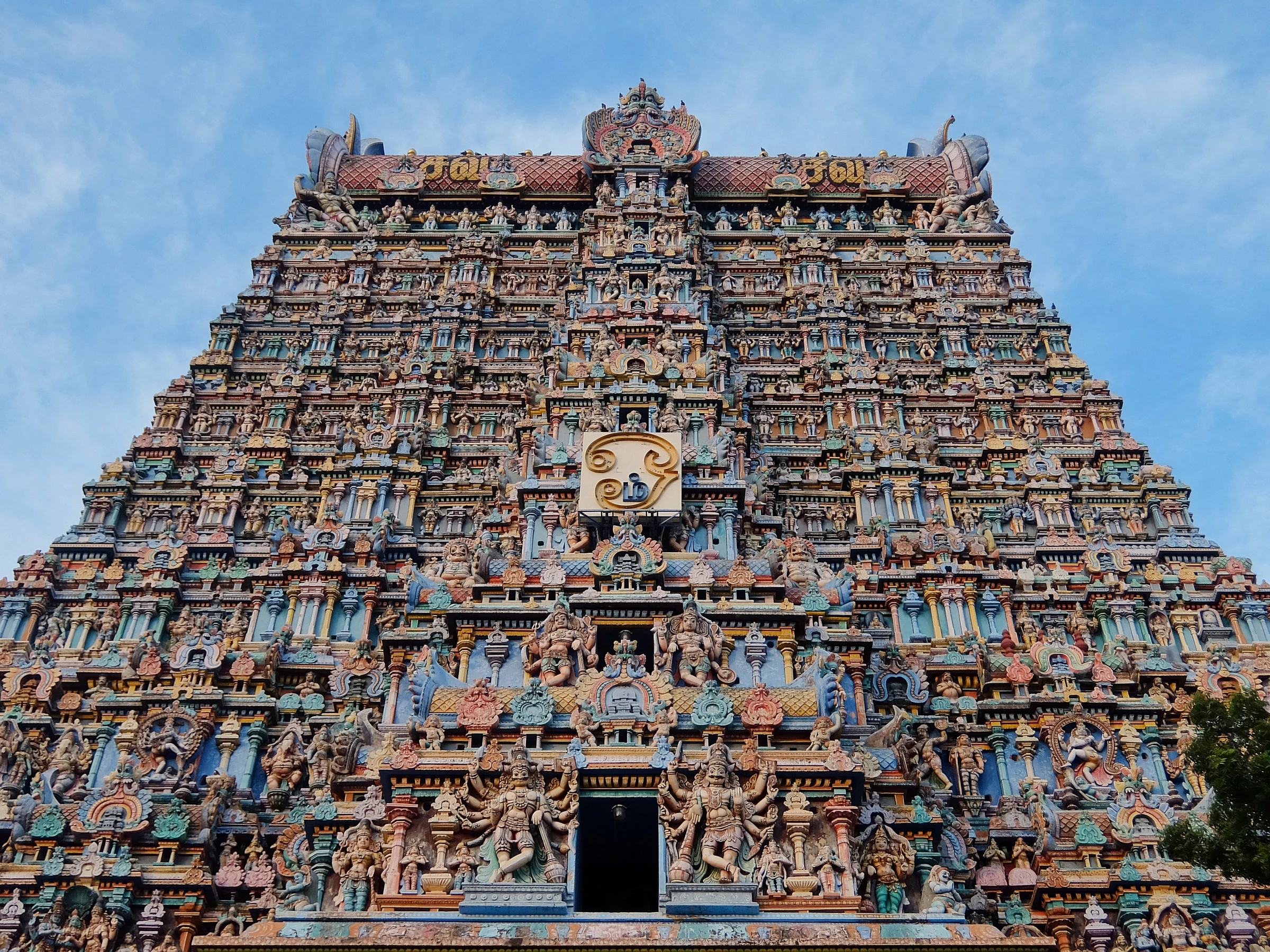
Madurai, built around the Meenakshi Amman Temple, is a good base for Pongal: it's within reach of the Jallikattu villages (see below), and the temple itself is a worthwhile stop at any time of year. Expect the temple and its surrounding streets to be busier than usual over the festival week, as families travel to be together.
Thanjavur
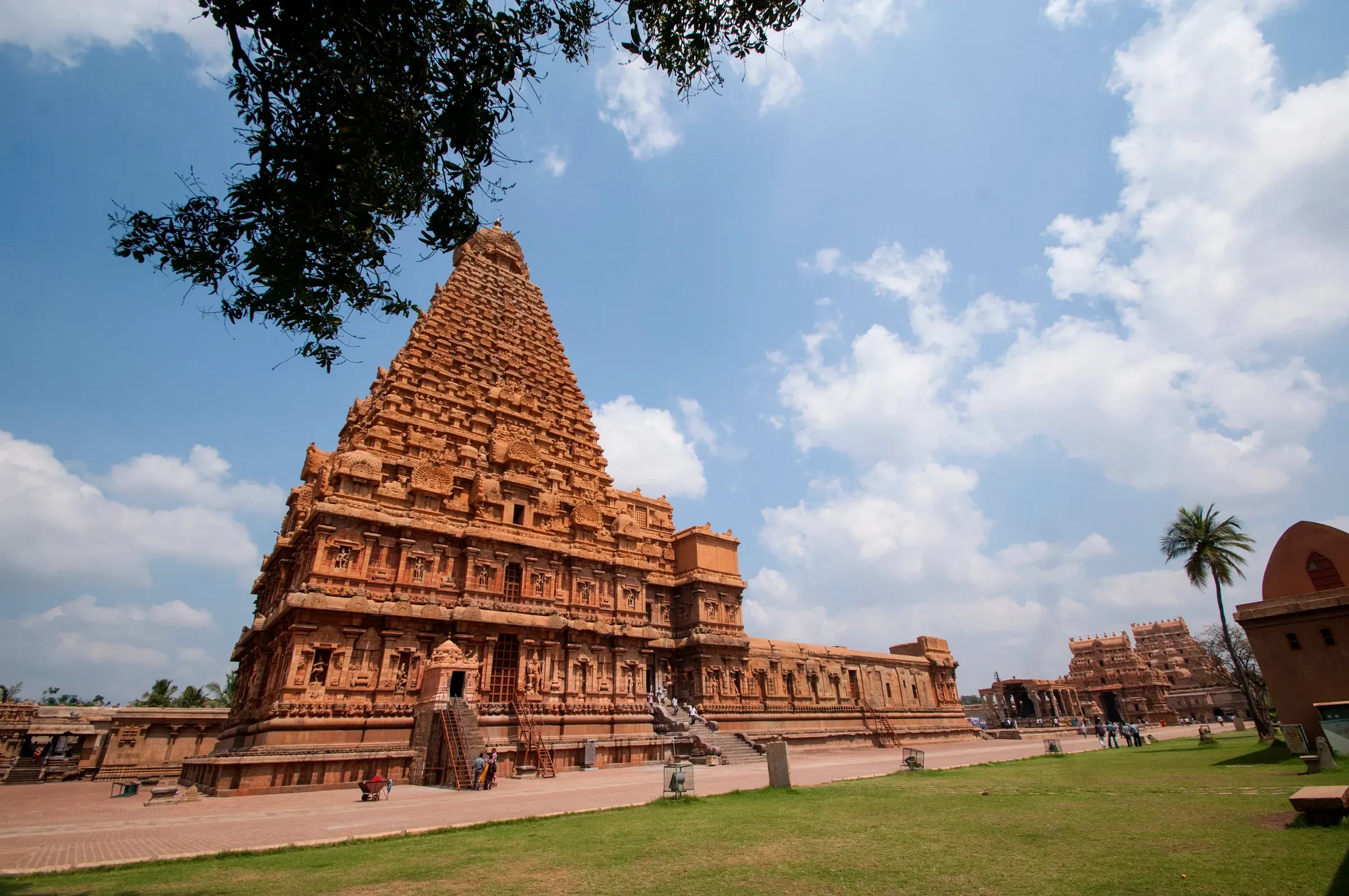
Thanjavur, home to the Chola-era Brihadeeswarar Temple, a UNESCO World Heritage Site, makes a quieter alternative base with its own strong Tamil culinary tradition, useful if you'd rather combine Pongal with temple architecture than with the Jallikattu crowds.
Rural villages
The most authentic Pongal experience is in the villages around Madurai and Thanjavur, where the rice-boiling ritual, cattle decoration and Jallikattu itself are all genuinely local events rather than staged for visitors. If you have a local contact or guide, ask about joining a village celebration rather than watching from a city hotel.
Jallikattu: the bull-taming events
Jallikattu has a long and contested history: the Supreme Court banned it outright in 2014 on animal welfare grounds, Tamil Nadu passed its own law reinstating it in 2017, and the Supreme Court upheld that law in May 2023 as part of the state's cultural heritage. It now runs under a government-set safety protocol: bulls are examined by veterinary teams before each event, and ambulances and medical staff are stationed at the venue.
The biggest, most famous events fall in the villages around Madurai, particularly Avaniyapuram, Palamedu and Alanganallur. In 2026 they were held on 15, 16 and 17 January, one per day, with Alanganallur the best known and the biggest crowd draw. The wider Jallikattu season runs from early January into February as individual villages hold their own events. For 2027, ask locally or through a guide for the confirmed schedule and venue, since the village dates are set each year and aren't fixed as far ahead as the Pongal dates themselves.
What to eat at Pongal
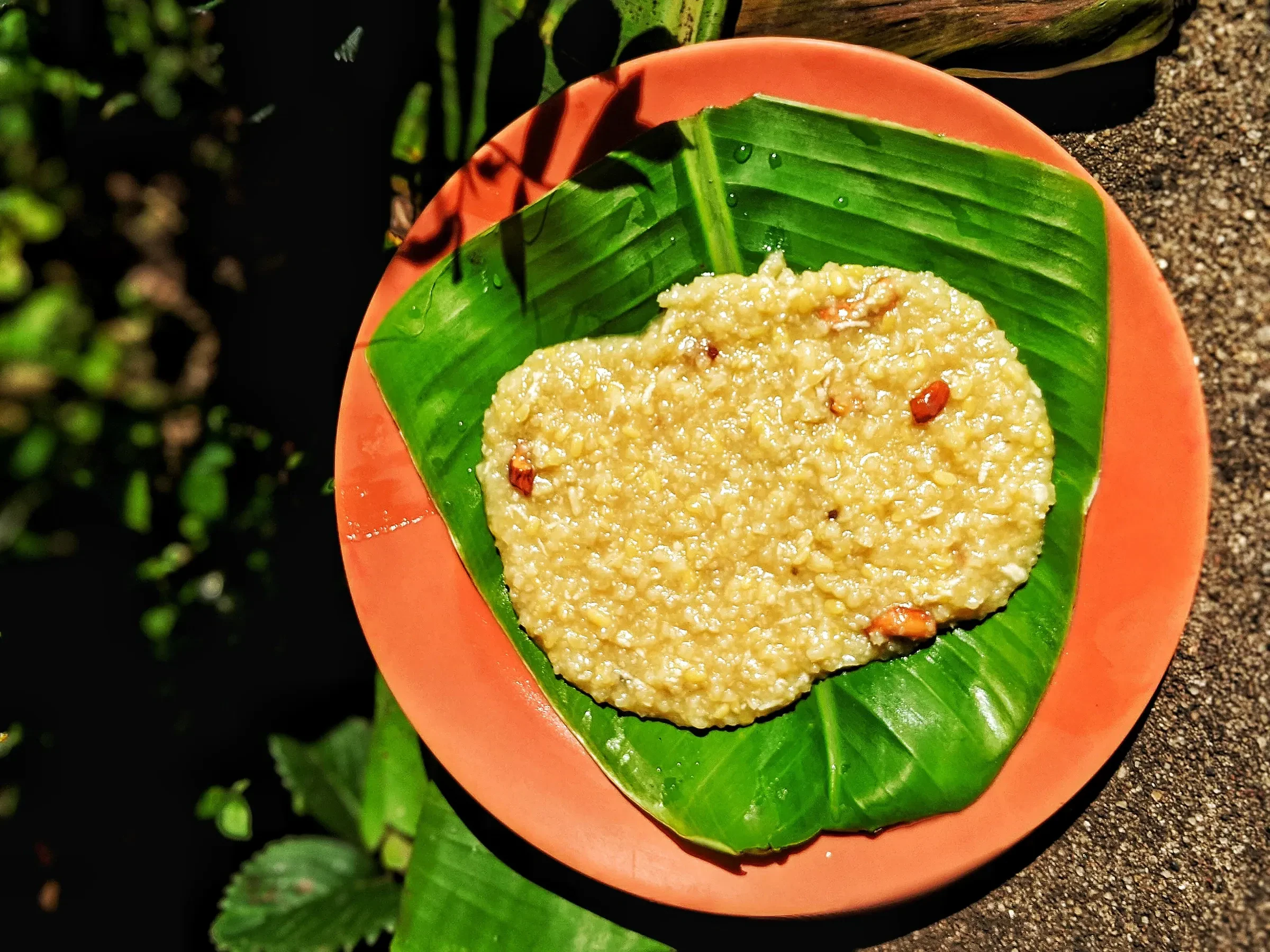
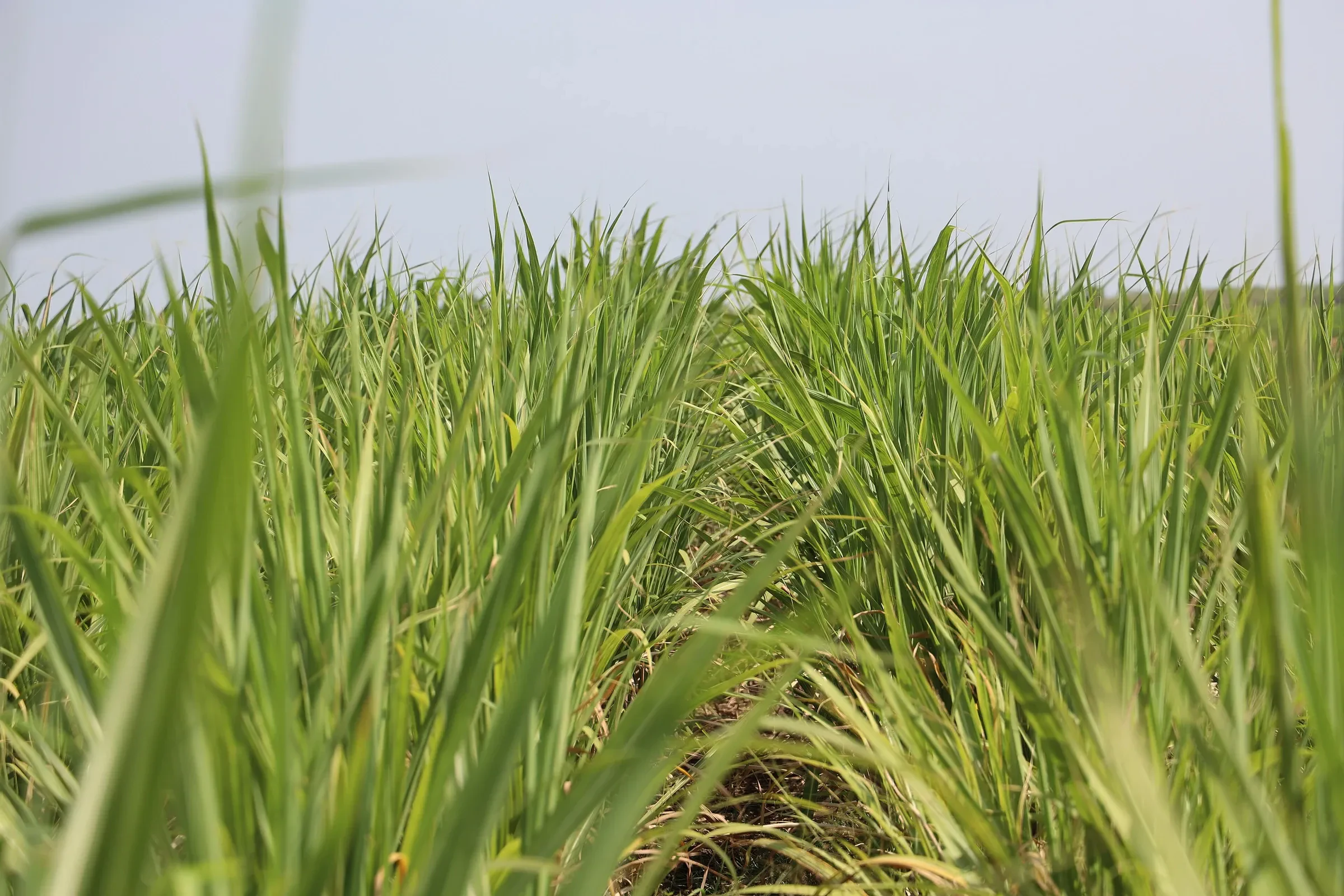
The dish that gives the festival its name, pongal, comes in two forms: sakkarai pongal (sweet, made with jaggery, ghee and cashews) and venn pongal (savoury, with pepper, cumin and ghee, closer to a rice porridge). Both are eaten fresh from the pot on Thai Pongal itself, and either version is easy to find at any Tamil Nadu restaurant during the festival week. Fresh sugarcane, harvested at the same time of year, is another Pongal-season staple, chewed on or pressed for juice at roadside stalls.
Getting around Tamil Nadu during Pongal
Like most of India's big home festivals, Pongal is when a large share of Tamil Nadu travels to be with family, so trains and buses fill up in the days around it. Book well ahead for 2027. Shops, offices and some transport services slow down or close on Thai Pongal itself, so it's not a good day to plan onward travel.
Pongal etiquette for visitors
A note on our trips
Tamil Nadu isn't currently part of any SoloNomads group trip, so there's no departure timed to Pongal 2027. If that changes, this page will say so. In the meantime, Tamil Nadu combines naturally with a Kerala route for independent travellers, since Madurai to Kochi is about 275 km by road, at least 4 hours 35 minutes by car.