Laos vs Vietnam at a glance
| Laos | Vietnam | |
|---|---|---|
| Cost per day (including a bed) | About US$20 to 35 | About US$30 to 40 |
| Best months | November to February | No single window; late February to May comes closest |
| Flight time from the UK | No nonstop; you connect, for example via Bangkok or Hanoi | Vietnam Airlines nonstop from Heathrow: Hanoi about 11 h 20 to 11 h 55, Ho Chi Minh City about 12 h 10 to 12 h 40 |
| Flight time from the US | No nonstop; you connect through Asia | One nonstop, San Francisco to Ho Chi Minh City (about 15 h 40 in summer, about 16 h 35 from 24 October 2026, 4 days a week); otherwise you connect |
| Flight time from Australia | No nonstop; you connect, for example via Bangkok, Singapore or Kuala Lumpur | Vietnam Airlines nonstop from Sydney and Melbourne (to Hanoi and Ho Chi Minh City) and from Perth to Ho Chi Minh City (about 6.5 hours) |
| Visa | Needed by every nationality: US$50 e-visa or about US$40 on arrival, both 30 days | Visa-free 45 days for UK, German, French, Spanish, Italian and Swedish passports; e-visa (US$25 single entry or US$50 multiple entry, up to 90 days) for the US, Canada, Australia, New Zealand, Ireland and India |
| Beaches | None: Laos is landlocked | A long coastline: Ha Long Bay, Nha Trang, Mui Ne, Phu Quoc |
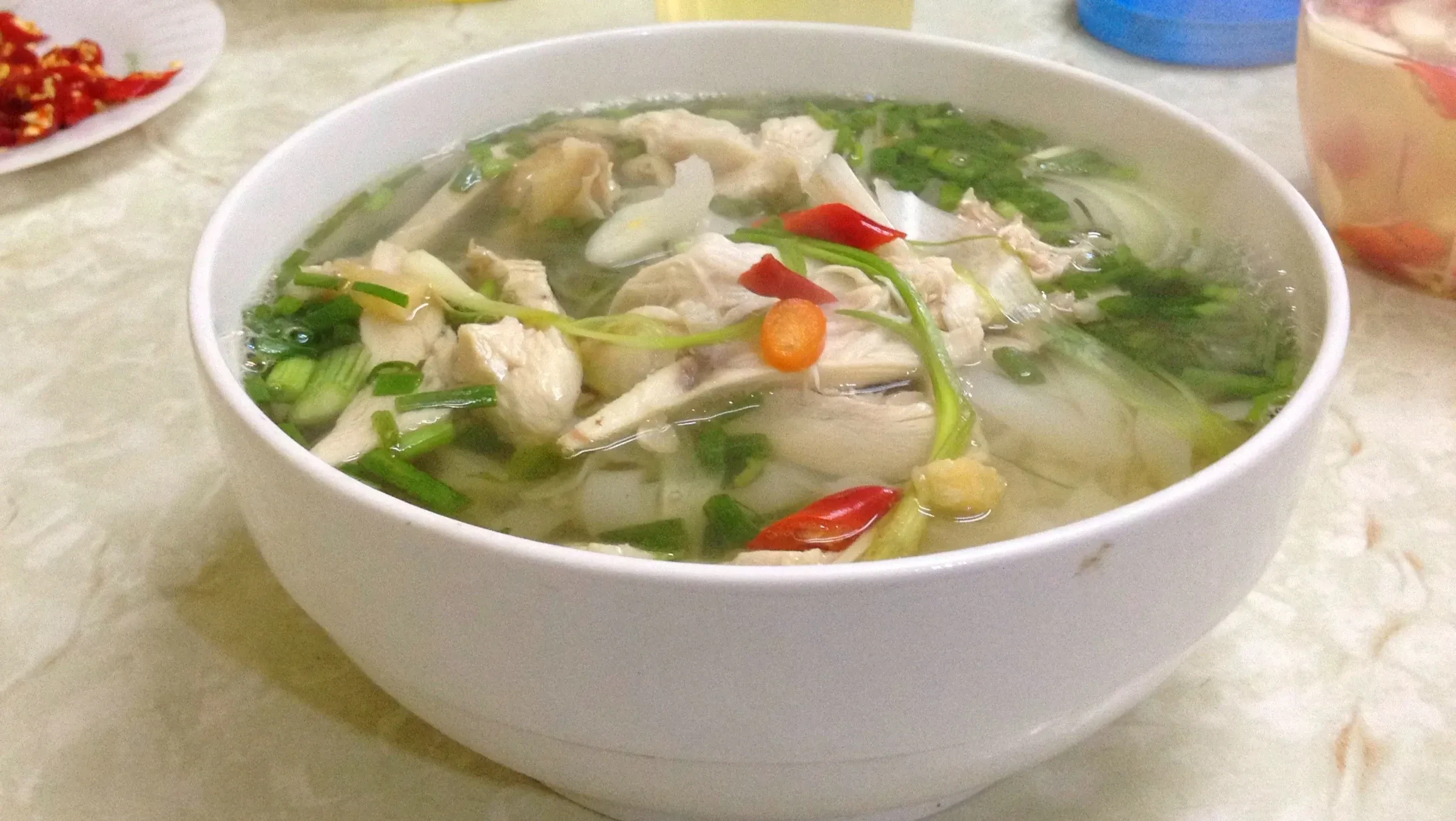
| Food | Sticky rice, laap and Mekong fish, plus French-Lao bakeries in Luang Prabang | Pho, banh mi and a street food scene that changes region to region |
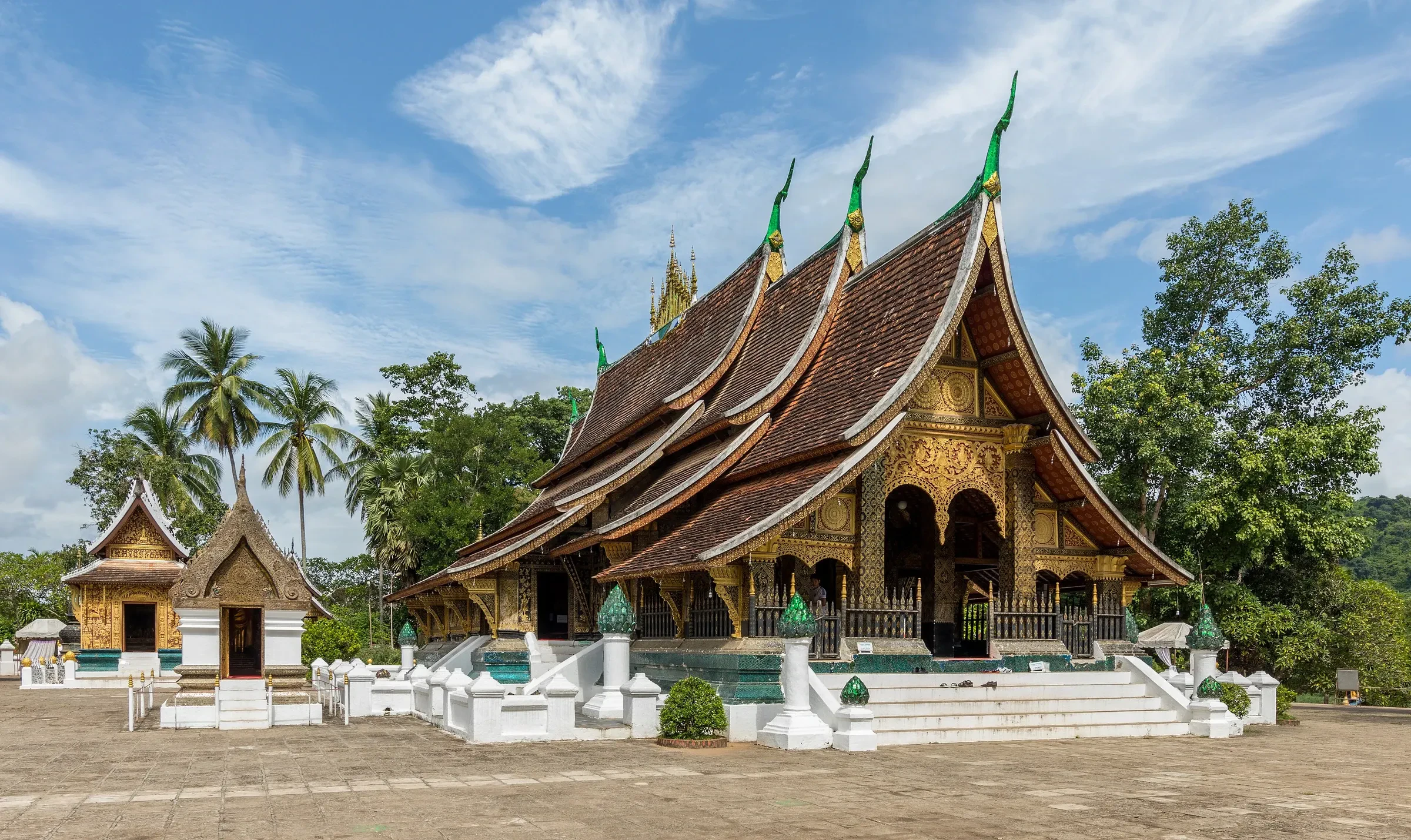
| Culture | Slower and less commercialised: alms-giving monks, French colonial towns, Buddhist temples | Deeper layers: imperial Hue, war history, hill-tribe villages in the north |
| Nightlife | Quiet: Vang Vieng's bar strip and a few late spots in Vientiane, most towns wind down early | Bigger: Hanoi's Ta Hien beer corner, Ho Chi Minh City and Da Nang all have a real scene |
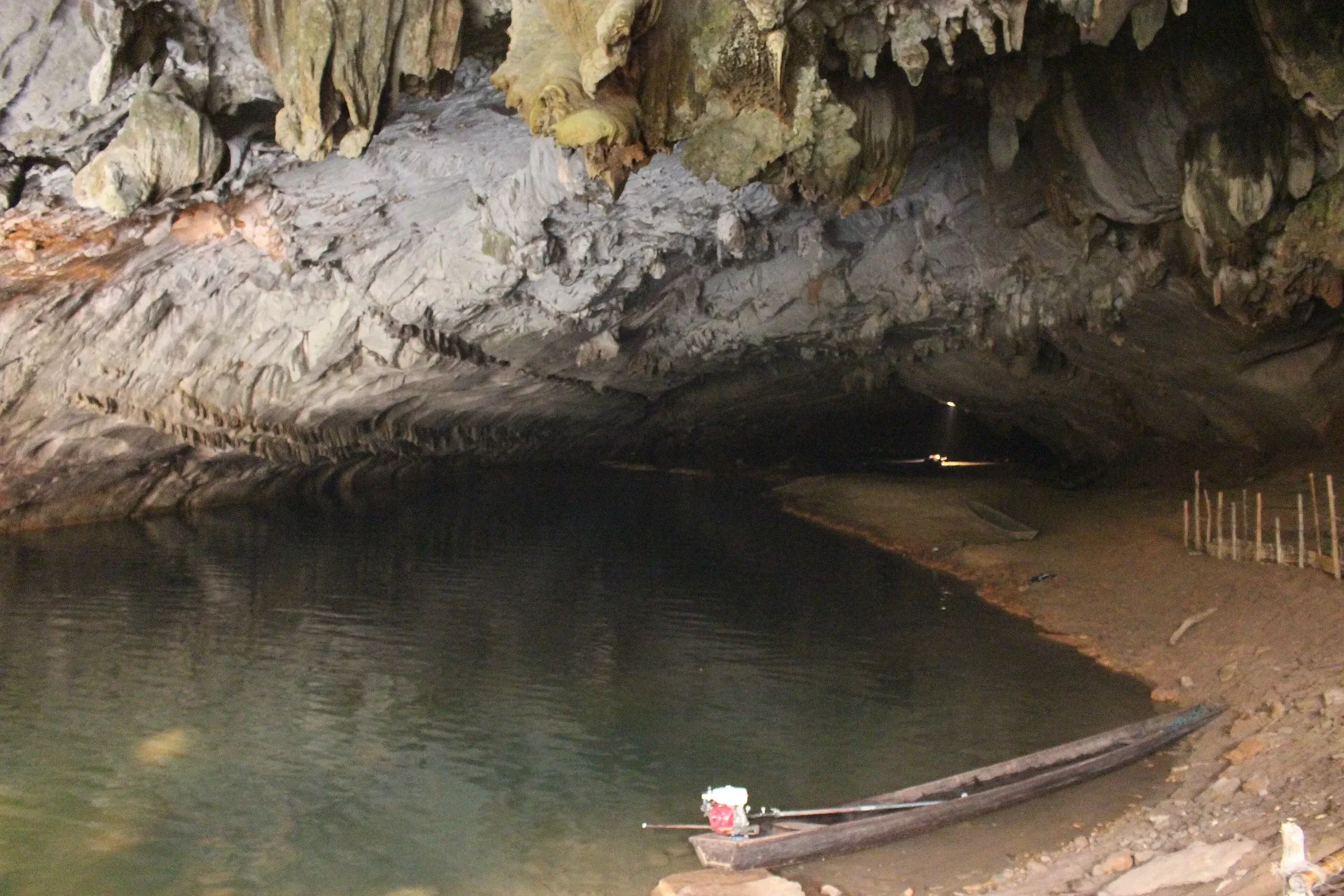
| Adventure | Kong Lor cave, the Thakhek Loop by motorbike, kayaking and waterfalls | Ha Giang Loop by motorbike, Phong Nha's caves, trekking around Sapa, diving off Nha Trang |
| Ease for first-timers | Fewer tourists, less English outside the main towns, slower southern logistics | A well-worn backpacker trail, more infrastructure, easier flights in and out |
| Getting around | Fast in the north since the Laos-China Railway opened; the south still runs on slow buses and minivans | Trains, budget flights and sleeper buses cover the whole country reliably |
| Solo-friendliness | Calmer and less crowded, with fewer other solo travellers outside Luang Prabang and Vang Vieng | A bigger backpacker trail and hostel scene make it easier to meet people |
Cost per day
Careful backpackers spend about US$20 to 35 a day in Laos and about US$30 to 40 in Vietnam (Laos guide, Vietnam guide). Both figures cover a dorm bed, food and local transport, so they compare like for like, and neither includes flights or big one-off costs such as visas and activities. The ranges overlap, so the gap won't decide your trip on its own.
Winner: Laos, by a small margin.
Best months to go
Laos has one clear dry season, November to February, and its rainy season runs from May to October (Laos guide). Vietnam has no single answer because the country is so long: late February to May comes closest to a country-wide sweet spot, but Hanoi, Hue and Ho Chi Minh City each have their own dry season at different times of year (Vietnam guide). Part of Vietnam is usually in season, but it takes more homework before you book.
Winner: Laos, for having one simple answer.
Flight time and getting there
Vietnam is the easier place to fly to directly. Vietnam Airlines is the only airline flying nonstop from the UK: Heathrow to Hanoi takes about 11 hours 20 minutes to 11 hours 55 minutes and Heathrow to Ho Chi Minh City about 12 hours 10 minutes to 12 hours 40 minutes. From the US there is one nonstop, Vietnam Airlines from San Francisco to Ho Chi Minh City four times a week, taking about 15 hours 40 minutes on the summer timetable and about 16 hours 35 minutes from 24 October 2026. From Australia, Vietnam Airlines flies nonstop from Sydney and Melbourne to Hanoi and Ho Chi Minh City, and from Perth to Ho Chi Minh City (about 6.5 hours). Laos has no nonstop flights from the UK, US or Australia, as far as we found on current schedules, so you connect through a regional hub such as Bangkok, Hanoi, Singapore, Kuala Lumpur or Seoul. Bangkok to Vientiane is about 1 to 2 hours.
Winner: Vietnam.
Visa and entry
Vietnam is visa-free for 45 days for UK, German, French, Spanish, Italian and Swedish passport holders, while US, Canadian, Australian, New Zealand, Irish and Indian citizens apply for the e-visa at evisa.gov.vn (US$25 single entry or US$50 multiple entry, up to 90 days). Vietnam also has a free pre-arrival QR form (see our Vietnam visa guide). Laos gives no one a free pass: every nationality above needs the US$50 e-visa from laoevisa.gov.la or a visa on arrival for about US$40 cash, both good for 30 days, plus the free LDIF arrival form (see our Laos visa guide). If you need an e-visa for both, Vietnam's US$25 single-entry e-visa covers up to 90 days, against US$50 for 30 days in Laos.
Winner: Vietnam.
Beaches
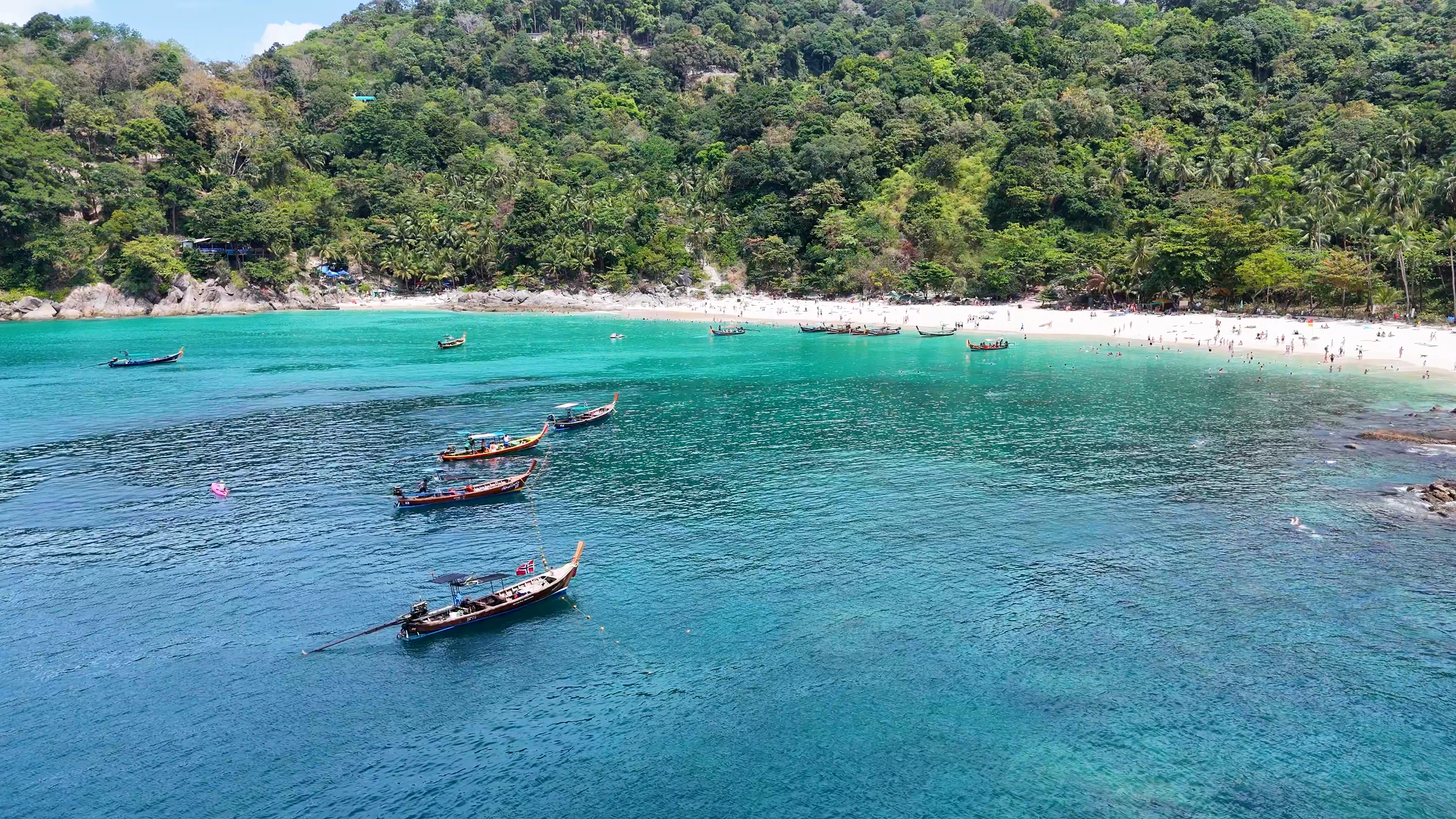
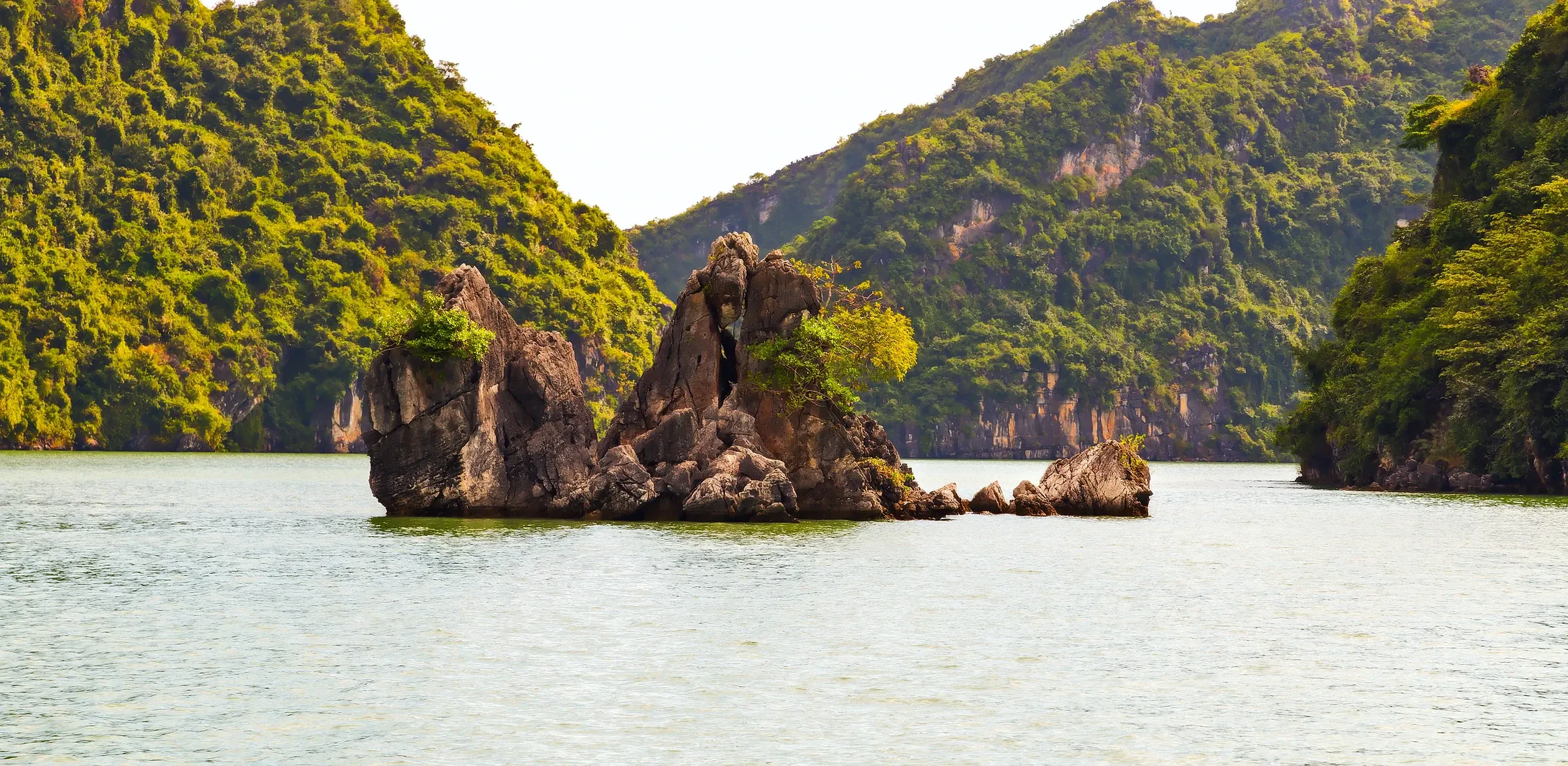
Laos is landlocked, so there are no beaches, only river islands and lagoons around Vang Vieng. Vietnam has a genuine coastline: Ha Long Bay's limestone karsts, Nha Trang's diving, Mui Ne's kitesurfing wind and Phu Quoc's quieter sand.
Winner: Vietnam, by default.
Food
Laos's food centres on sticky rice, laap (a minced meat salad with herbs and lime) and Mekong river fish, with a French-Lao bakery scene in Luang Prabang left over from colonial days. Vietnam's food is famous for good reason: pho and banh mi travel well, but the real draw is how much the street food changes, from Hanoi's bun cha to Hue's imperial dishes to the Mekong Delta's fresh seafood.
Winner: Vietnam, for range and depth.
Culture
Laos moves slowly and shows less of itself to tourists: monks collecting alms at dawn in Luang Prabang, French colonial shopfronts, temples that see a fraction of Angkor's or Bagan's crowds. Vietnam's history runs deeper and darker, from Hue's imperial citadel to the war history around the DMZ to hill-tribe villages around Sapa and Ha Giang.
Winner: Laos, if you want a quieter, less commercialised version of the same region; Vietnam, for sheer historical range.
Nightlife
Laos is quiet after dark almost everywhere. Vang Vieng's bar strip is the main exception, and most towns, including Luang Prabang, wind down early. Vietnam has a real nightlife scene in its bigger cities: Hanoi's Ta Hien beer corner, Ho Chi Minh City's bars and Da Nang's beach clubs.
Winner: Vietnam.
Adventure
Laos's centre has Kong Lor, a 7.5 km river cave you pass through by boat, and the Thakhek Loop, a multi-day motorbike ride past waterfalls and caves (Thakhek Loop guide). Vietnam matches that with the Ha Giang Loop, Phong Nha's cave systems (including Son Doong, the world's largest known cave), trekking around Sapa, and diving off Nha Trang.
Winner: Vietnam, for range, though Laos's loop is quieter and less driven-over.
Ease for first-timers
Vietnam has the bigger backpacker trail: more hostels, more English spoken in tourist towns, and a transport network built for people who haven't done this before. Laos asks more of you, especially south of Vientiane, where buses run less often and fewer people speak English.
Winner: Vietnam.
Getting around
Since the Laos-China Railway opened, the north of Laos is genuinely easy: fast trains link Luang Prabang, Vang Vieng and Vientiane, with Luang Prabang to Vang Vieng taking about an hour and Vientiane to Luang Prabang about 2 hours (Laos itinerary guide). South of Vientiane, you're back to slow buses and minivans. Vietnam's network is more consistent across the whole country, with trains, budget flights and sleeper buses reliably linking Hanoi to Ho Chi Minh City and everywhere between.
Winner: Vietnam, for consistency; Laos's north alone is just as easy.

Solo-friendliness
Both countries are well used to solo travellers. Vietnam's bigger hostel and backpacker scene makes it easier to fall in with other people on the road, especially along the classic Hanoi to Ho Chi Minh City route. Laos feels calmer and less crowded, which some solo travellers prefer, but outside Luang Prabang and Vang Vieng you'll meet fewer other travellers doing the same thing.
Winner: Vietnam, for ease of meeting people; Laos, for a quieter trip.
Which should you choose?
| If you're... | Choose |
|---|---|
| Planning your first solo trip to Southeast Asia | Vietnam |
| Watching every dollar | Laos, by a small margin |
| Mainly after beaches, islands and diving | Vietnam |
| Wanting to escape the crowds | Laos |
| Short on time (a week) and want zero long travel days | Laos, using the train-linked north |
| After the deepest, most varied street food | Vietnam |
| Drawn to motorbike loops and river caves | Either: Ha Giang for the famous one, Thakhek for the quieter one |
| Happy to book one leg with a group and travel independently for the other | Either, since both work well split this way |
Why not both?
Plenty of people combine Laos and Vietnam on one trip, and the two pair well: Laos's slow northern loop as a calm start, then Vietnam's longer, busier route down the coast. There's no direct rail link between them, since the Laos-China Railway ends at Vientiane and doesn't cross into Vietnam. You have two realistic ways to join them. The fast way is a short flight between Vientiane or Luang Prabang and Hanoi. The slow way is an overland bus across one of the land borders, most commonly Nam Phao to Cau Treo on the Vientiane to Vinh road, or Dansavanh to Lao Bao further south towards Hue and Da Nang. Visa rules differ by crossing: the Lao Immigration Department lists a visa on arrival at Dansavanh but neither a visa on arrival nor the e-visa at Nam Phao, so get a Lao visa from an embassy before using Nam Phao (see our Laos visa guide). Sleeper buses between Vientiane and Hanoi are listed at about 20 to 26 hours on 2026 sources, and border posts can be slow, so build in a spare day either side.
A realistic route for 3 weeks: fly into Luang Prabang and spend 3 to 4 nights there, take the train to Vang Vieng (2 nights) and on to Vientiane (1 to 2 nights), then fly on to Hanoi rather than face the overland bus, before heading south through Ninh Binh, Phong Nha, Hue and Hoi An to finish in Ho Chi Minh City. If you'd rather not plan the logistics yourself, our Southeast Asia Grand Loop covers this exact shape over 28 days: starting in Thailand, crossing Laos by the new railway, then flying on to Vietnam for Ha Long Bay, Phong Nha, Hue, Hoi An and the Mekong Delta, with a Trip Host throughout.

Keep planning
- Laos travel guide and Vietnam travel guide for itineraries, regions and costs
- Laos visa guide and Vietnam visa guide
- Laos in 10 days and Vietnam in 2 weeks
- Laos group trips and Vietnam group trips