"Surf camp" covers a wide range of things in practice, from a single beach hut running daily lessons to a proper multi-day trip that moves between breaks. What they share is structure: coaching rather than a single lesson, a group split by ability, and enough time in the water across several days for a beginner to actually improve, not just try it once.
Asia has three surf regions that come up again and again for exactly this: Bali, Lombok and Sri Lanka. This guide compares how they work, what a camp usually includes, what it costs in 2026, and how to pick between them. For the detail on any one destination, including its named breaks and season, we've written each one up separately: surfing in Bali, surfing in Lombok and surfing in Sri Lanka.
How surf camps work
Most surf camps are built around the same basic structure, whichever coast they're on.
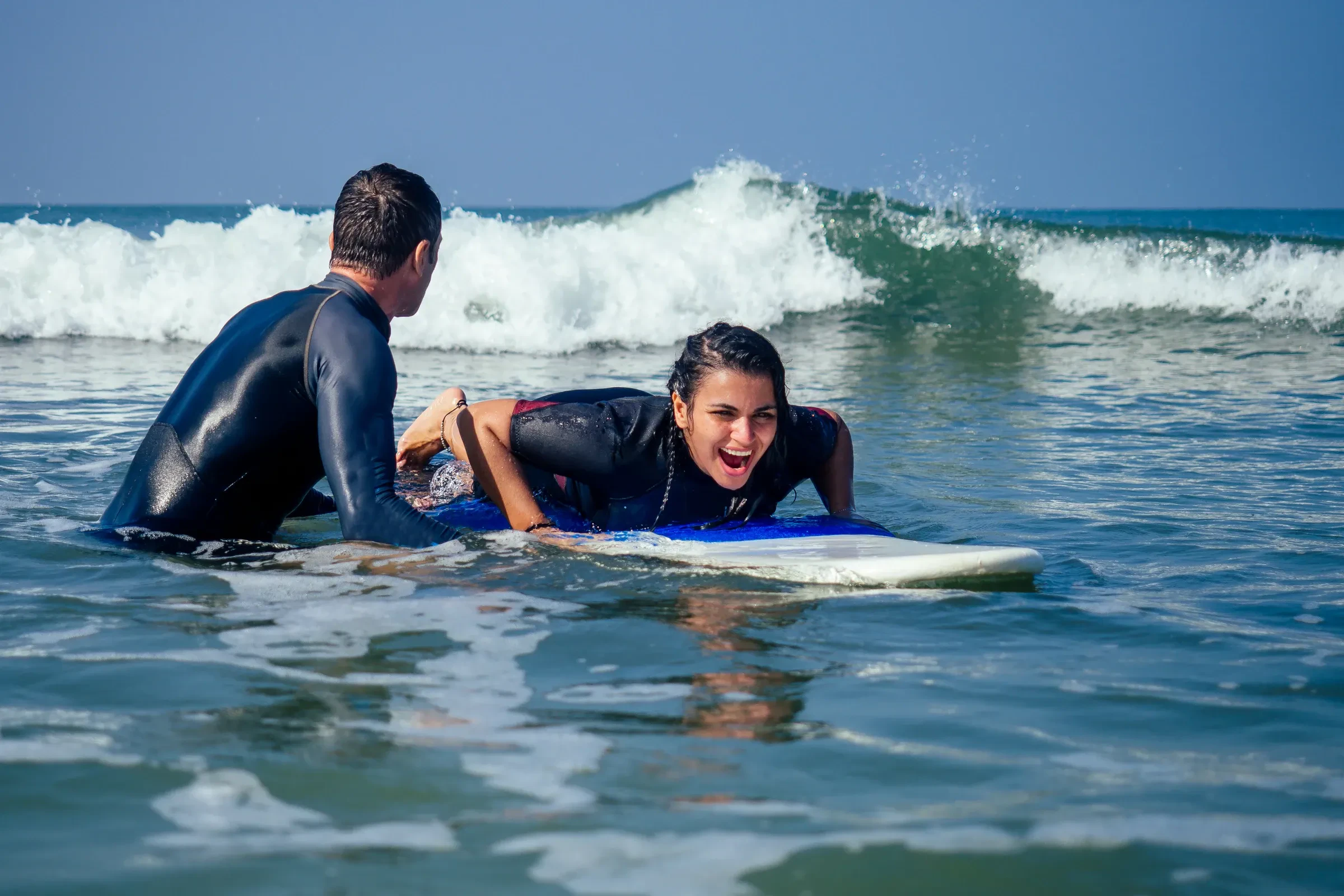
- Lessons are coached and grouped by ability, so a first-timer and someone who's surfed a handful of times aren't fighting the same wave. A typical session runs about 1.5 to 2 hours.
- Board and rash vest hire is usually included in a lesson package, though it's worth checking, since some camps price it separately.
- Accommodation is usually walking distance from the break, since a surf camp's whole point is minimising the gap between waking up and being in the water.
- Multi-day packages are the norm rather than a single lesson, because surfing genuinely does take repeated sessions to click, especially standing up and reading a wave.
- Levels matter more than the marketing suggests. A camp built around a gentle, sandy-bottomed beach break suits total beginners; one built around a reef break needs some experience or a much more hands-on instructor.
The right camp for you depends less on the destination's reputation and more on whether its main break matches your level, which is why the sections below separate beginner-friendly spots from ones that need experience.
Bali: Canggu, Uluwatu and Balian
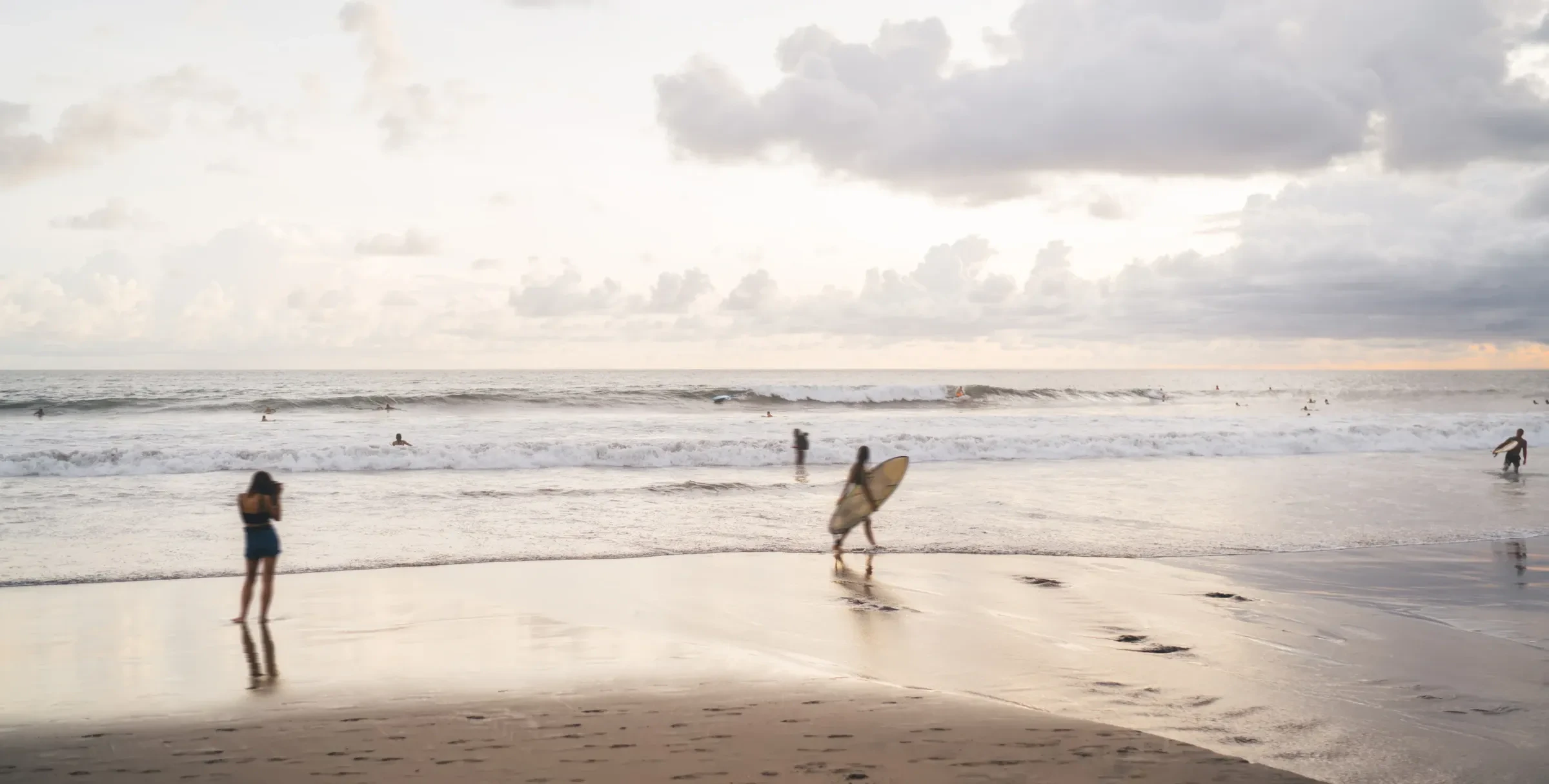
Bali has Asia's best-known surf scene, split across two very different coasts. Canggu's sand-bottomed beach breaks, especially Batu Bolong, are where almost everyone starts, with dozens of surf schools right on the beach. The Bukit peninsula around Uluwatu has Bali's serious reef breaks, from the beginner-friendly "Baby Padang" section next to Padang Padang up to the advanced waves at Uluwatu itself. Balian, a quieter river-mouth break on the west coast in Tabanan, is a lower-key alternative to Canggu's crowds, working for progressing beginners through to advanced surfers.
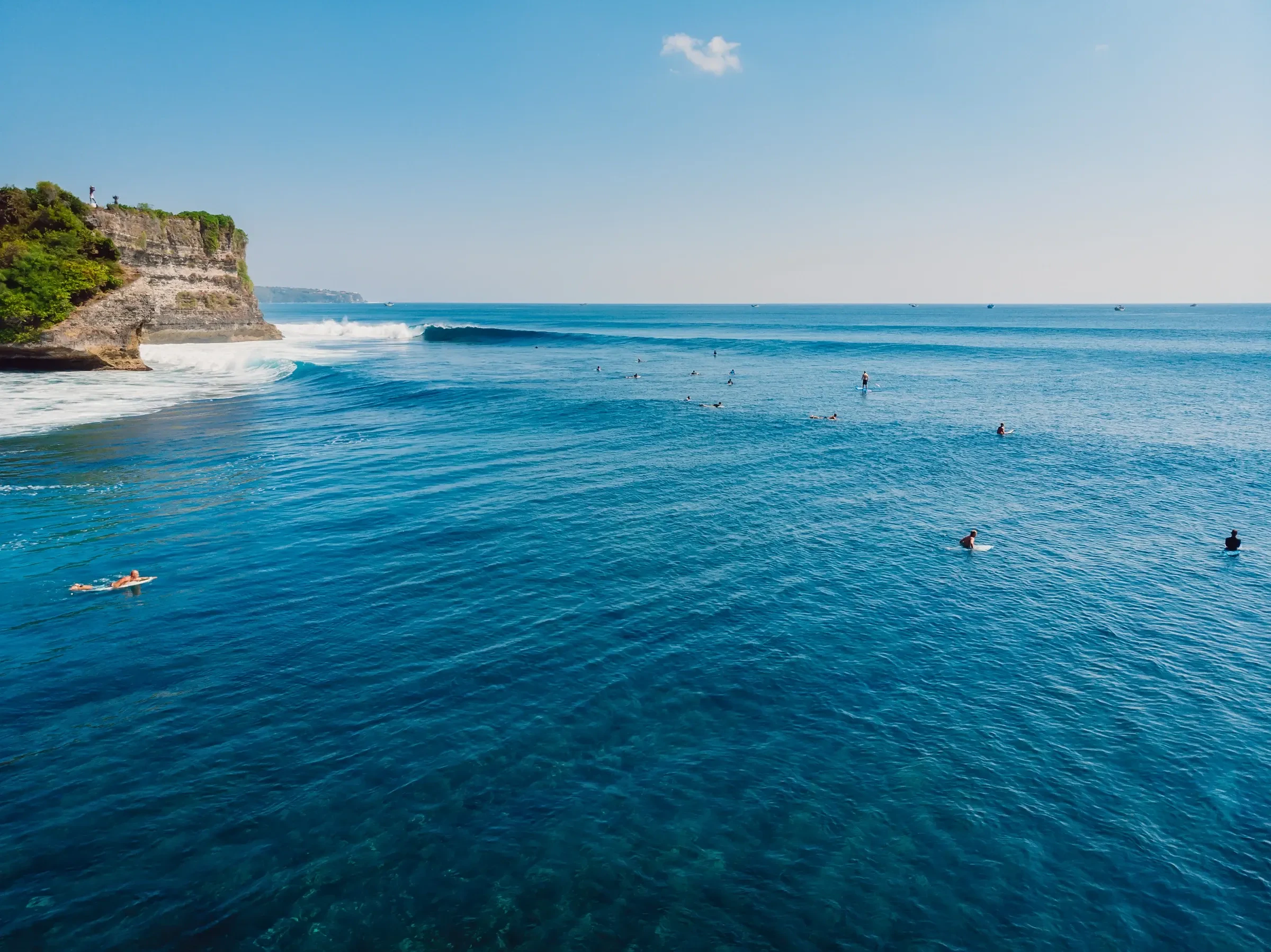
Bali's surf season runs through the dry season, April to October, with the west coast and the Bukit both at their best then; the east coast at Keramas picks up in the wet season instead. Our full Bali surfing guide covers every break by level, the season split and 2026 lesson and board prices in detail.
Lombok: Kuta Lombok, Gerupuk and Desert Point
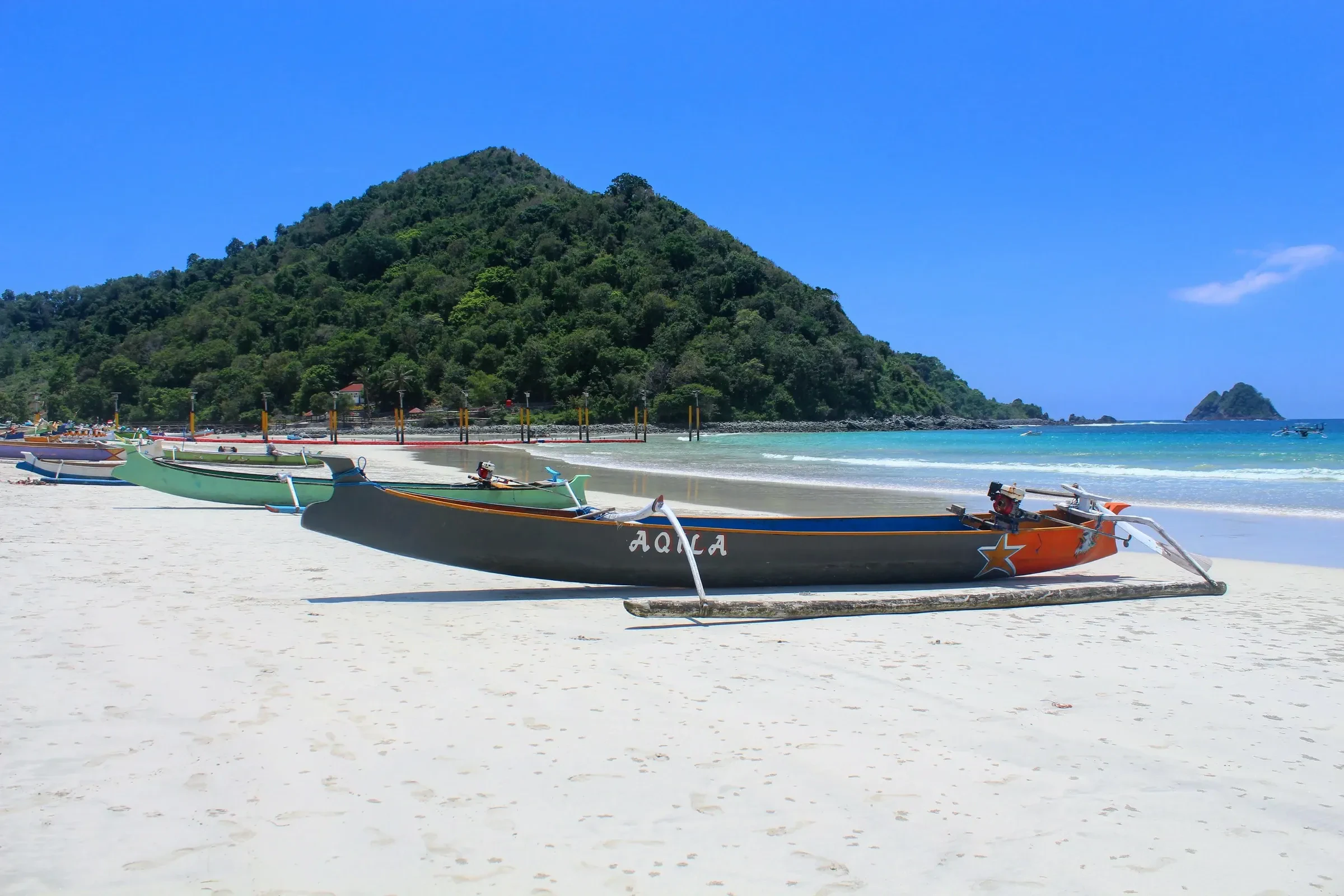
Lombok, Bali's neighbour, has its own surf coast, generally quieter and cheaper than Bali's. Kuta Lombok is the main base, and Selong Belanak nearby is the area's standard beginner spot: a long, sandy-bottomed bay with a soft, rolling wave. Gerupuk, a short boat ride from a fishing village east of Kuta, is a whole bay of reef breaks rather than one wave, ranging from the forgiving Inside break to the punchier Outside and the swell-dependent Don Don. Desert Point, on the island's far southwest tip, is one of the most famous left-hand barrels in the world, strictly for advanced surfers with reef experience.
Lombok's dry season, April to October, is the more reliable window overall, and May to September brings the most consistent swell at Desert Point and Gerupuk. Our Lombok travel guide covers the south coast's beaches, getting there from Bali and the rest of the island in full.
Sri Lanka: Weligama, Hiriketiya and Arugam Bay
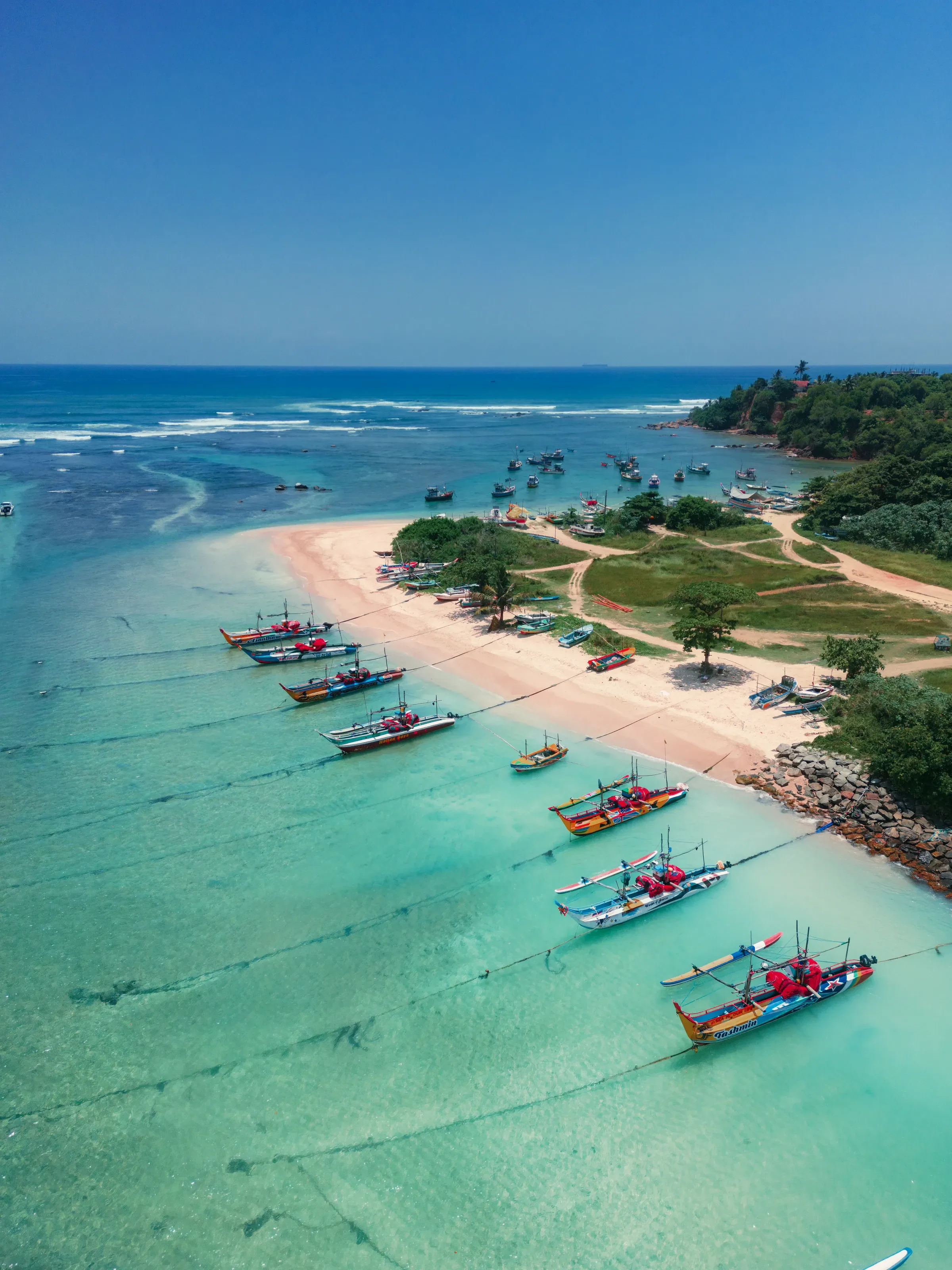
Sri Lanka's surf runs on two coasts with opposite seasons, which is the single most important thing to know before booking. The south coast, around Weligama and Hiriketiya, works from about December to April, best from December to March. Weligama has a long, gentle, sandy-bottomed beach break that's the country's standard place to learn, backed by a strip of surf schools and coworking cafes. Hiriketiya, a quieter horseshoe bay further along the coast, has a gentler sand-bottomed break at its centre that suits improvers, plus a reef point break on its edge for surfers with more experience.
The south-west monsoon, from about May to September, spoils the south coast's surf. That's exactly when the east coast, around Arugam Bay, comes into its own: it runs roughly April to October, with the most consistent and powerful swell from June to September and the peak in July and August. In practice, a single trip usually means picking one coast to match your dates rather than trying to combine both. Our surfing in Sri Lanka guide has the full detail on both coasts.
How much does a surf camp cost?
| Item | Bali | Lombok | Sri Lanka |
|---|---|---|---|
| 2-hour group lesson (board included) | IDR 300,000 to 500,000 in Canggu, IDR 500,000 to 700,000 on the Bukit | about IDR 150,000 to 600,000 at Selong Belanak, depending on whether you book a school or a beach instructor | roughly US$20 to 40 (1.5 hours), Weligama |
| Board hire, per day | IDR 100,000 to 225,000 | about IDR 50,000 to 100,000 | often included with a lesson package |
| Multi-day coaching package | from under IDR 1 million a night, up to premium camps over US$1,000 a week | varies by operator | typically bundled into a wider trip rather than sold as a standalone package |
Prices move around a lot depending on the school, the season and what's included, and Lombok figures in particular vary from source to source, so treat this table as a starting point rather than a quote. Our Bali surfing guide breaks Bali's prices down further by area.
Entry costs on top of the camp
Two of the three destinations charge something just to arrive. Bali adds a one-off tourist levy of IDR 150,000 for every foreign visitor, paid online through Love Bali, and most passports also need a visa on arrival (the e-VOA is IDR 500,000 for 30 days, with a higher fee announced and no start date). The levy is a Bali charge, so a trip that flies straight into Lombok doesn't pay it. Sri Lanka needs an ETA for everyone, and since 25 May 2026 it has been free for 40 countries, including the UK, US, Canada, Australia, New Zealand and India. Ireland and some EU countries aren't on the list and pay US$50 online. Our Bali visa guide and Sri Lanka visa guide have the current rules.
Choosing a surf camp or a coached surf trip
- Match the break to your level, not the destination's reputation. A famous surf town can still have a wave that's wrong for you specifically.
- Ask how lessons are grouped. A camp that splits beginners from improvers gives you far more time actually surfing than one that puts everyone in the same session.
- Check what's actually included: board, rash vest, transport to the break if it's not walkable, and how many sessions.
- Look for small groups and named instructors in recent reviews, not just photos of the beach.
- Match your dates to the season. Bali and Lombok share a dry season; Sri Lanka splits by coast. Booking the wrong months is the easiest way to end up with a flat week.
Surfing on our trips
Our dedicated surf trips are built around coaching, not a single lesson bolted onto a sightseeing itinerary.
See all our Bali surf trips for the full range, including trips where a Canggu lesson is one stop on a longer route rather than the main focus.