Bali packs a lot into one island: surf towns, a temple-dotted highland centre, a quiet volcanic east coast and a scatter of islands just offshore. This guide goes region by region, so you can work out which places match how you want to travel, then link down to the detailed guide for each one.
The south: Canggu, Seminyak, Uluwatu and the Bukit, Sanur
The south coast is where most first-time visitors land, and where beginner surfers, beach-club regulars and remote workers all end up sooner or later.
Canggu
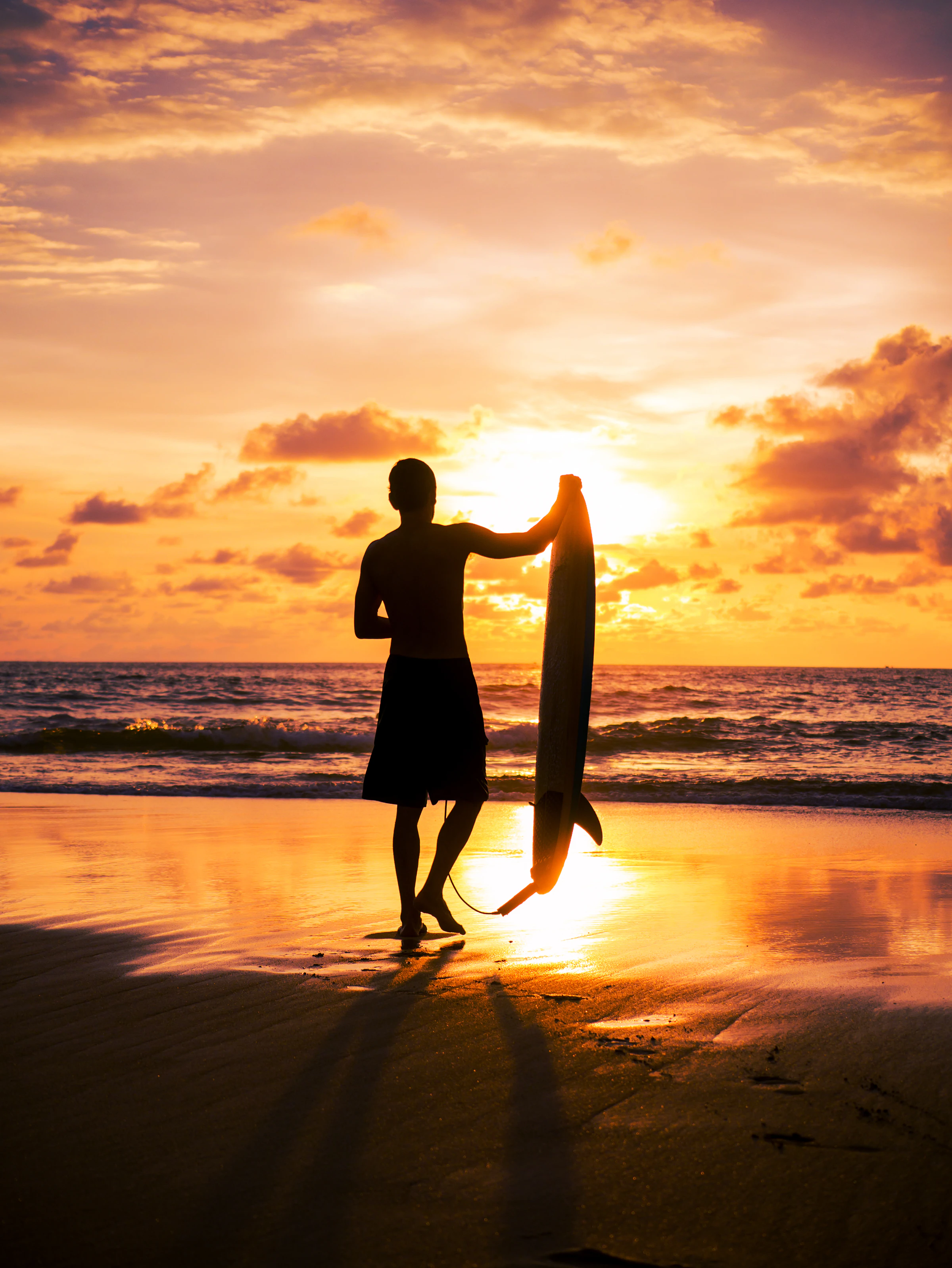
Canggu is Bali's default first stop: beginner surf at Batu Bolong, cafes and coworking spaces on every corner, and beach bars that fill up at sunset rather than midnight. The trade-off is traffic on the narrow shortcut roads between the main strips. Two or three nights is enough for most people before moving on to Ubud or an island; stay a week or more if you're learning to surf properly or working remotely. Best months: April to October. See the Canggu guide, things to do in Canggu and Canggu hostels.
Seminyak
Seminyak sits between Canggu and Kuta, with a more polished mix of beach clubs, boutiques and restaurants along a wide stretch of sand. It's for travellers who want beach access without giving up shopping and a proper night out, and it works well as an add-on afternoon or evening from Canggu rather than a separate base. See the Canggu guide for how the two towns compare.
Uluwatu and the Bukit
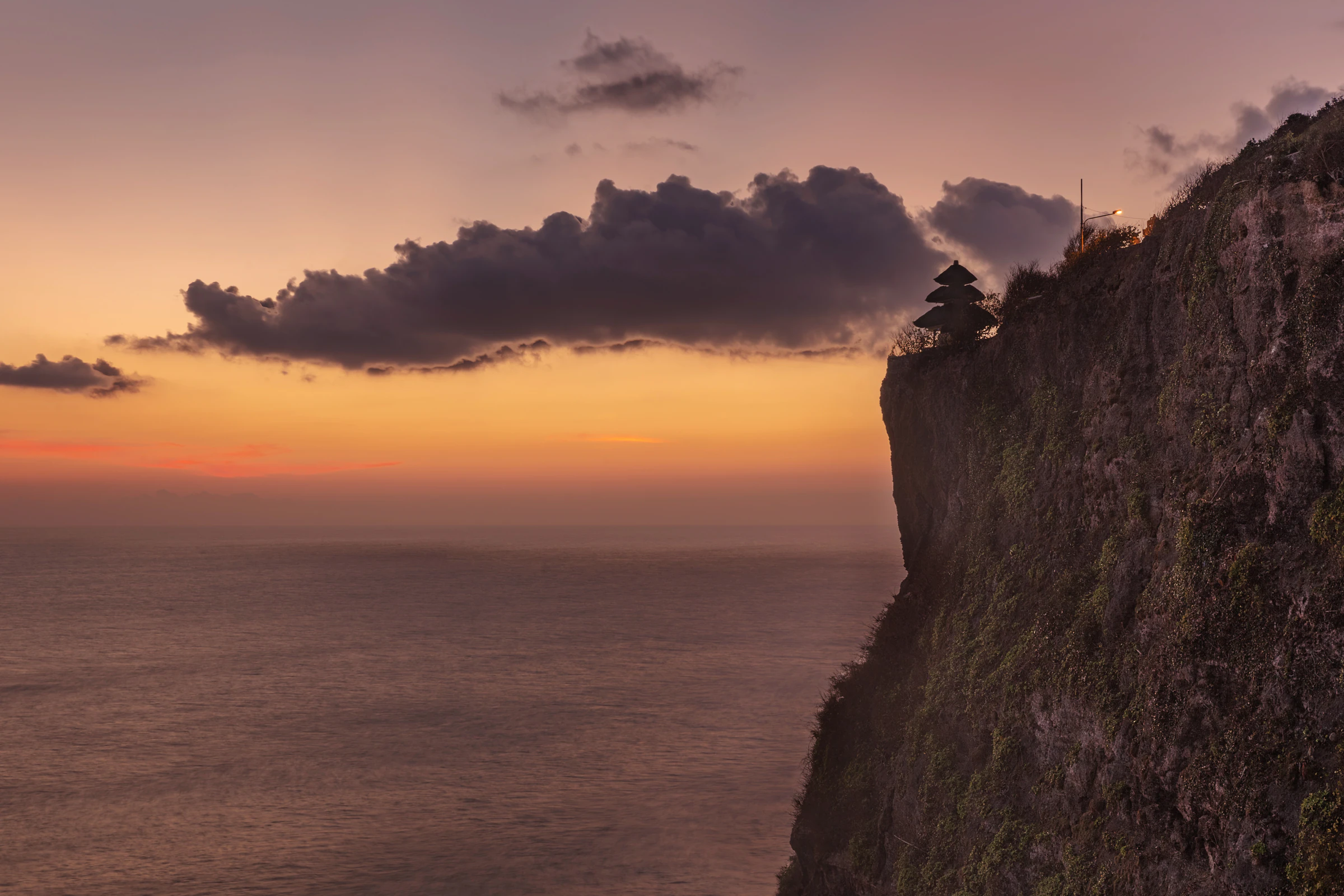
Uluwatu, on the dry, cliff-edged Bukit Peninsula in the far south, is for stronger surfers and anyone who wants sunset views over a beach day. Reef breaks below limestone cliffs run from Baby Padang, the one genuinely beginner-friendly wave, up to Impossibles for advanced surfers only, and Uluwatu Temple's clifftop Kecak fire dance at sunset is one of the island's best-known evening shows. Most people pair 2 to 3 days here with a few days learning to surf in Canggu first; stretch it to 3 days on its own if you want real time at Bingin, Padang Padang, Melasti and Balangan rather than a rushed afternoon at each. Best months: April to October. See the Uluwatu guide and Canggu vs Ubud vs Uluwatu if you're still deciding.
Sanur
Sanur, on the calmer east side of the south coast, is one of Bali's original tourist towns: a paved coastal path, shallow reef-protected water, and a proper harbour for fast boats to Nusa Penida and Lembongan. It's a better fit for a quiet last night before an early flight than for a multi-day stay, since it's a short drive from the airport and has less to see than Canggu or Uluwatu. See the Bali itinerary guide for how a Sanur stopover fits before a boat to the islands.
Central Bali: Ubud, Sidemen, Munduk
Inland Bali is the green, cultural half of the island: rice terraces, temples and a volcano, rather than beaches.
Ubud
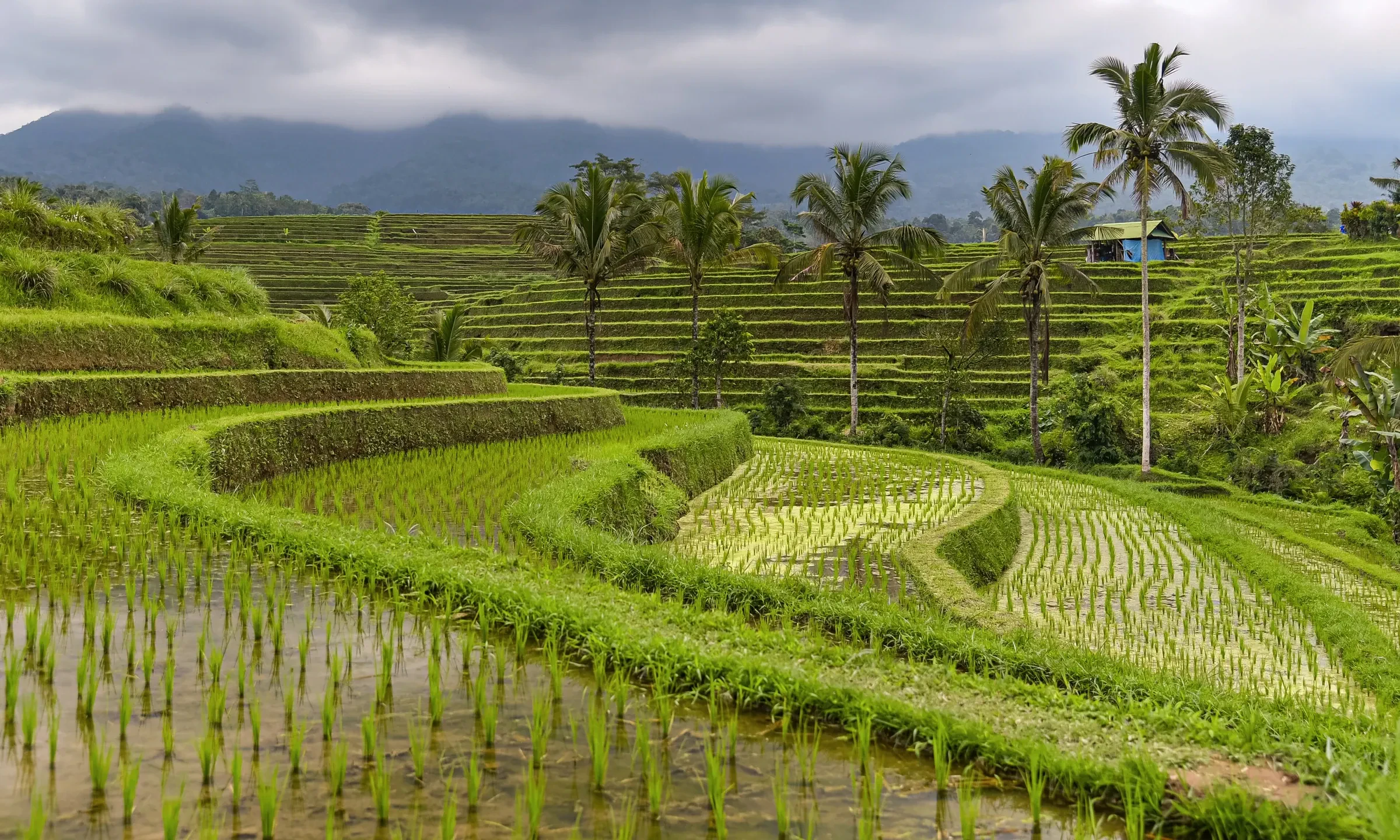
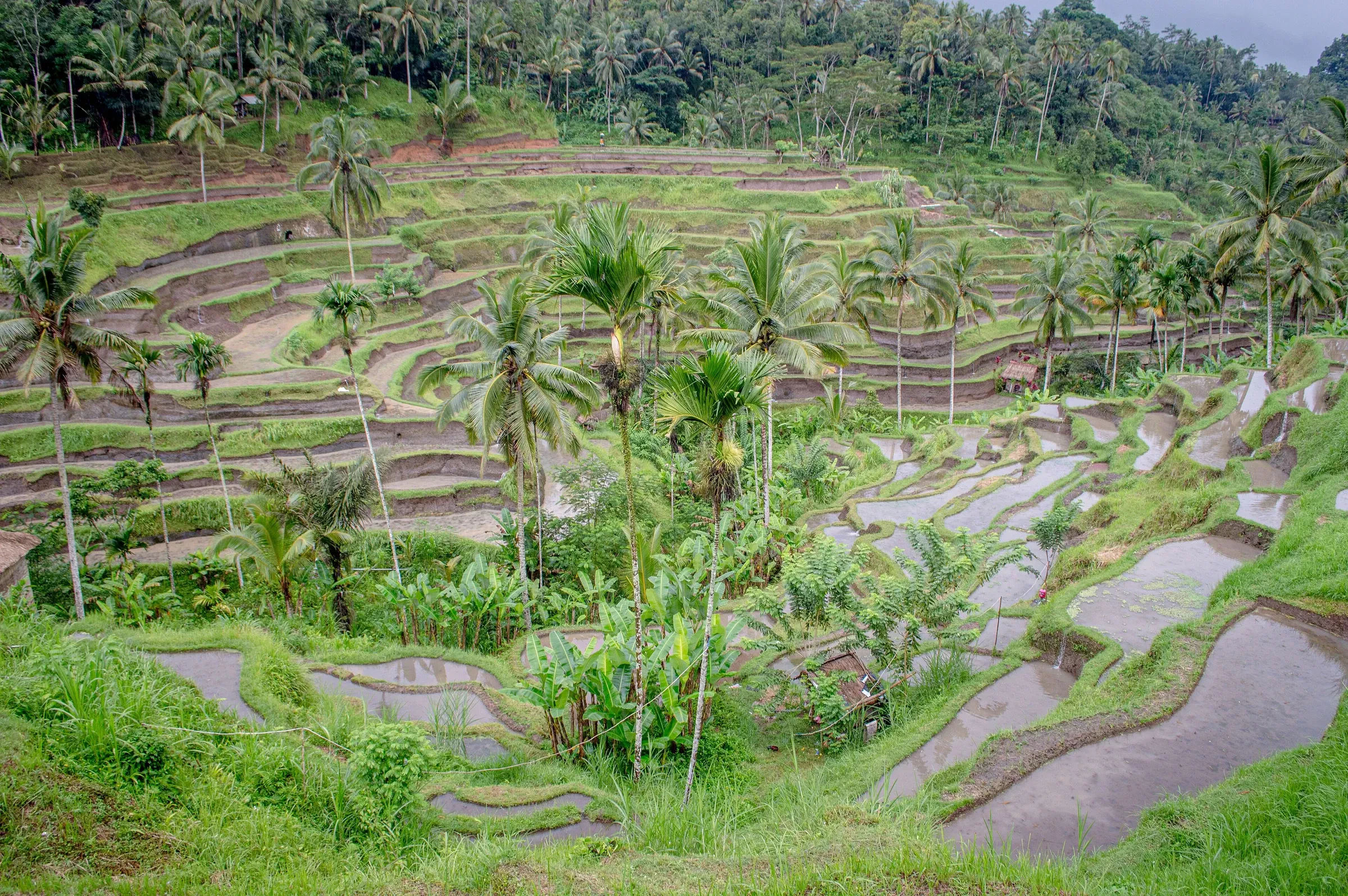
Ubud is Bali's cultural centre: rice terraces at Tegallalang, the Campuhan Ridge walk, water temples such as Tirta Empul, and cooking classes and yoga studios on almost every street. It's also the usual base for the Mount Batur sunrise trek, a torchlit climb with a local guide arranged through the trekking association at the trailhead. Most people spend 2 to 3 nights here, longer if adding a retreat or course. Being inland and slightly higher than the coast, Ubud stays a little cooler and greener year round; April to October is still the best window, since it gives the Batur sunrise its best odds of clear skies. See the Ubud guide and the Mount Batur guide.
Sidemen
Sidemen is a quieter rice-terrace valley east of Ubud, with Mount Agung behind it and far fewer visitors than Tegallalang. Travellers who've already seen Ubud's rice terraces and want the same scenery without the crowds tend to add it on for 1 to 2 nights rather than start here. See the central Bali itinerary, which covers Ubud, Sidemen, Munduk and Amed as one loop.
Munduk
Munduk, in the cool hills of the north, is a coffee-growing village with a string of waterfalls that most people walk between on a half-day trek. It's worth the detour if you have time to spare and want a day away from the coast and Ubud's crowds, usually tacked on to a longer central Bali route rather than visited alone. See the central Bali itinerary for how it fits into a loop with Ubud, Sidemen and Amed.
East: Amed
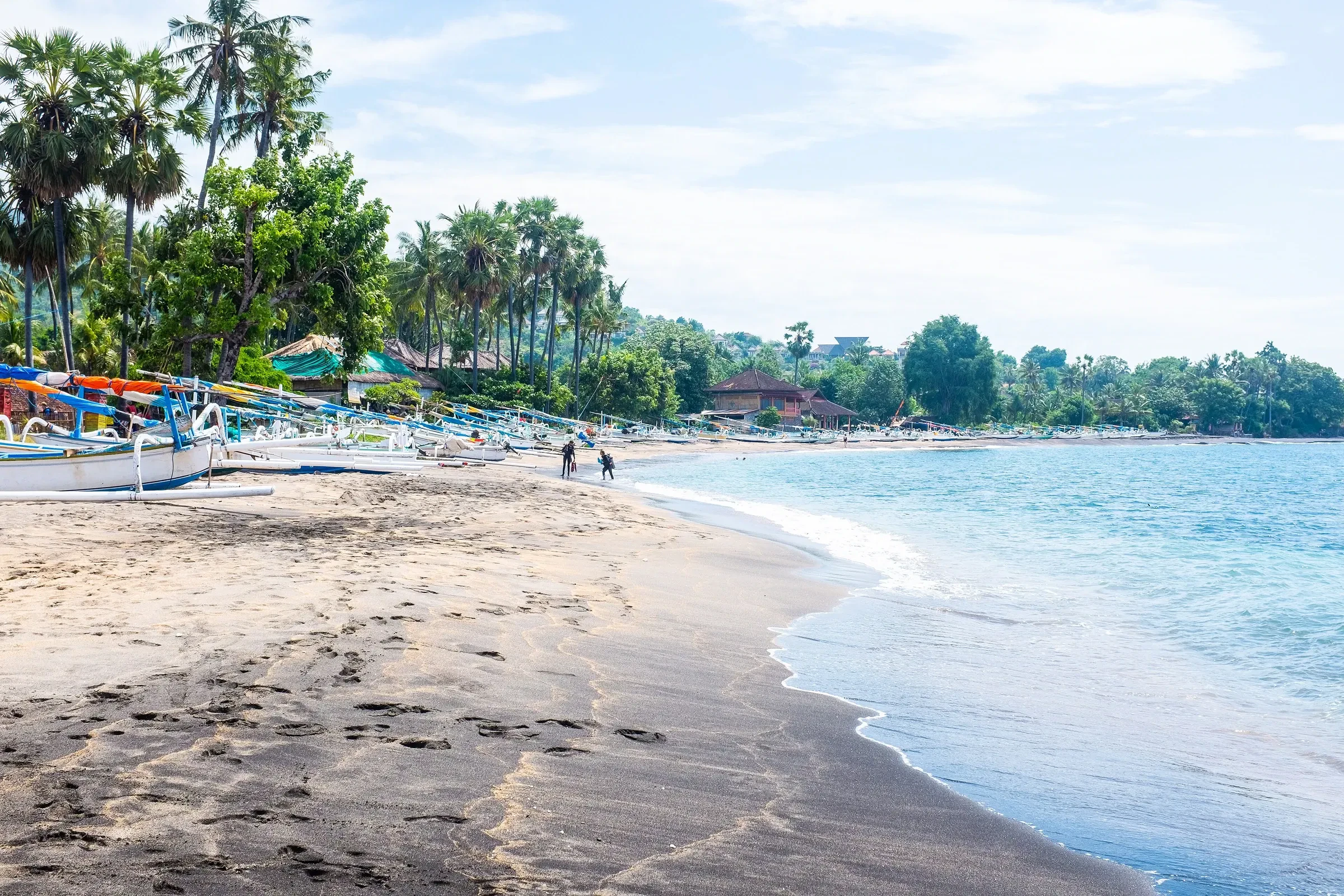
Amed is a string of small fishing villages on Bali's quiet east coast, with black volcanic sand and some of the island's easiest shore diving and snorkelling: the reef starts a few strokes from the beach, and the USAT Liberty wreck at nearby Tulamben is shallow enough for newly certified divers. There's no beach-club scene here, just early mornings and quiet evenings, which is the point if you're tired of the south coast's pace. It usually shows up as the final stop on a longer central Bali loop rather than a destination on its own. See the scuba diving in Bali guide and the central Bali itinerary.
The islands: Nusa Penida and Lembongan
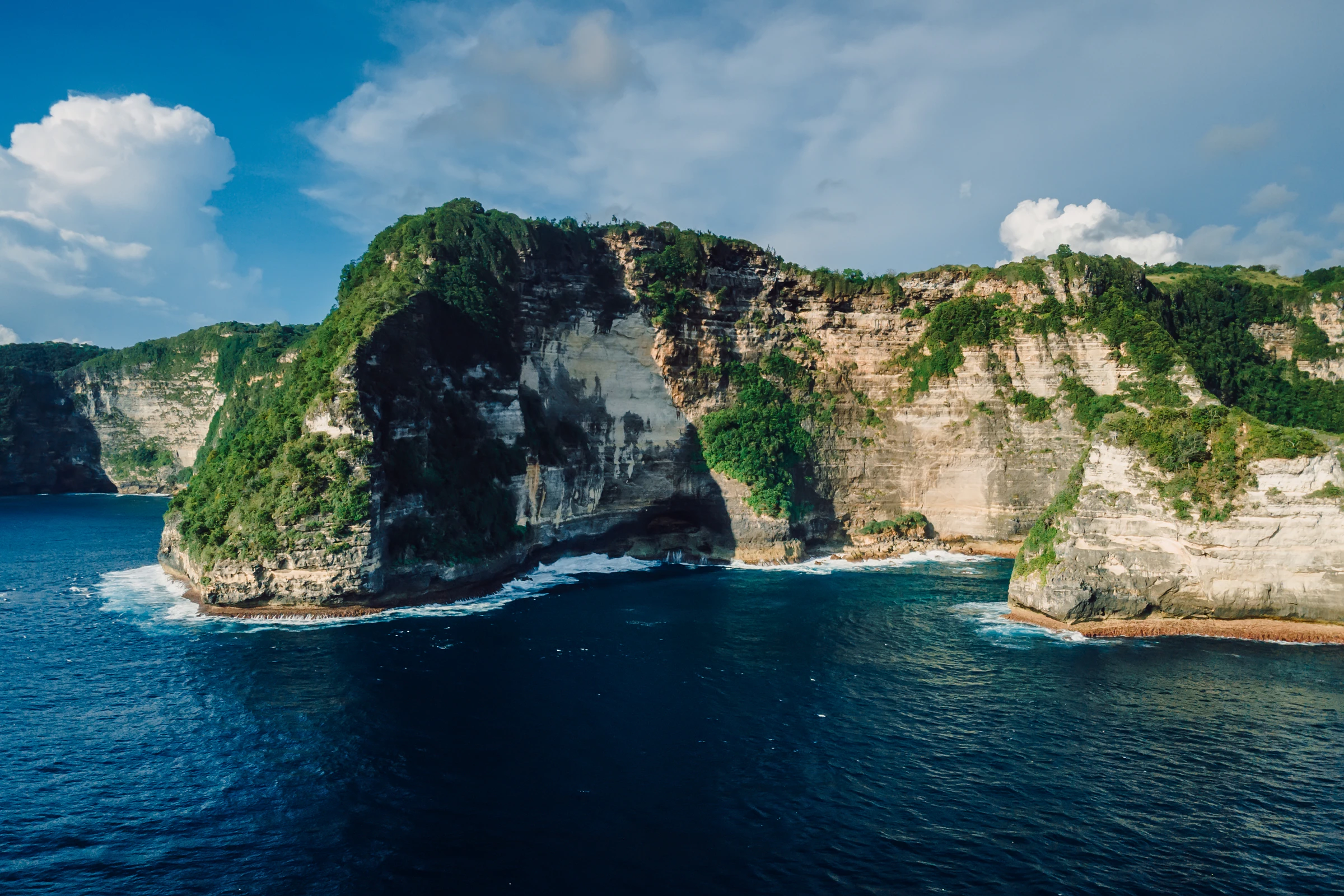
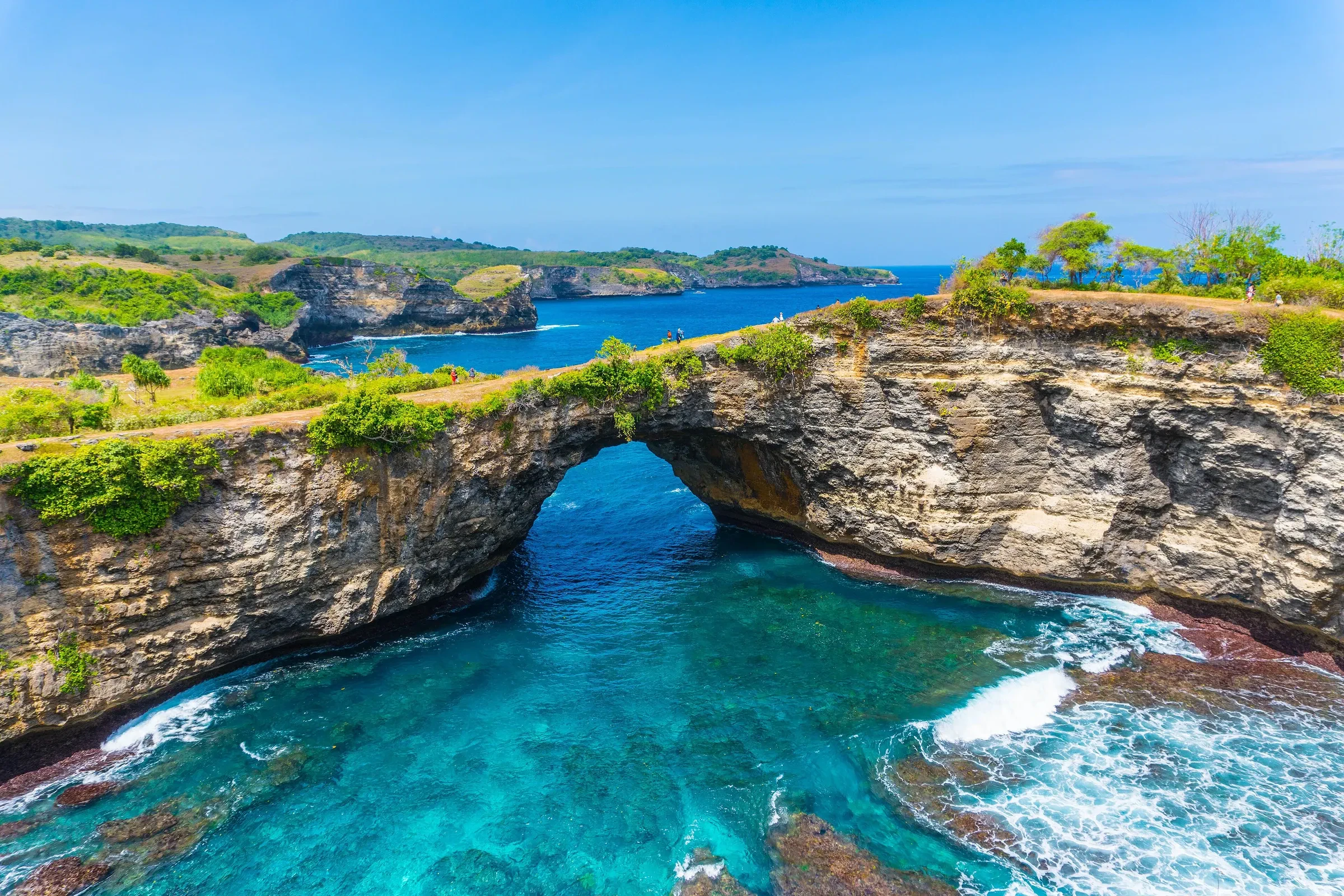
A fast boat from Sanur reaches Nusa Penida in 30 to 45 minutes. It's the island everyone comes for: cliff viewpoints at Kelingking, Broken Beach and Diamond Beach, and reef manta rays feeding in the bays year round. Most people see it on a rushed day trip, but a night or two lets you catch the cliffs in the late light once the day-trippers have gone and still fit in a manta snorkel and a swim. Nusa Lembongan and Nusa Ceningan sit alongside it, joined by the Yellow Bridge, and see far fewer visitors. Hire a car with a driver here rather than a scooter, since the roads are steep and broken up. Nusa Penida charges an IDR 25,000 arrival fee, and since 1 September 2026 also IDR 25,000 at each of its main sights. Best months: May, June and September, the calmest for the boat crossing. See the Nusa Penida guide and the Nusa Penida day trip guide.
Next steps: the Gilis and Lombok
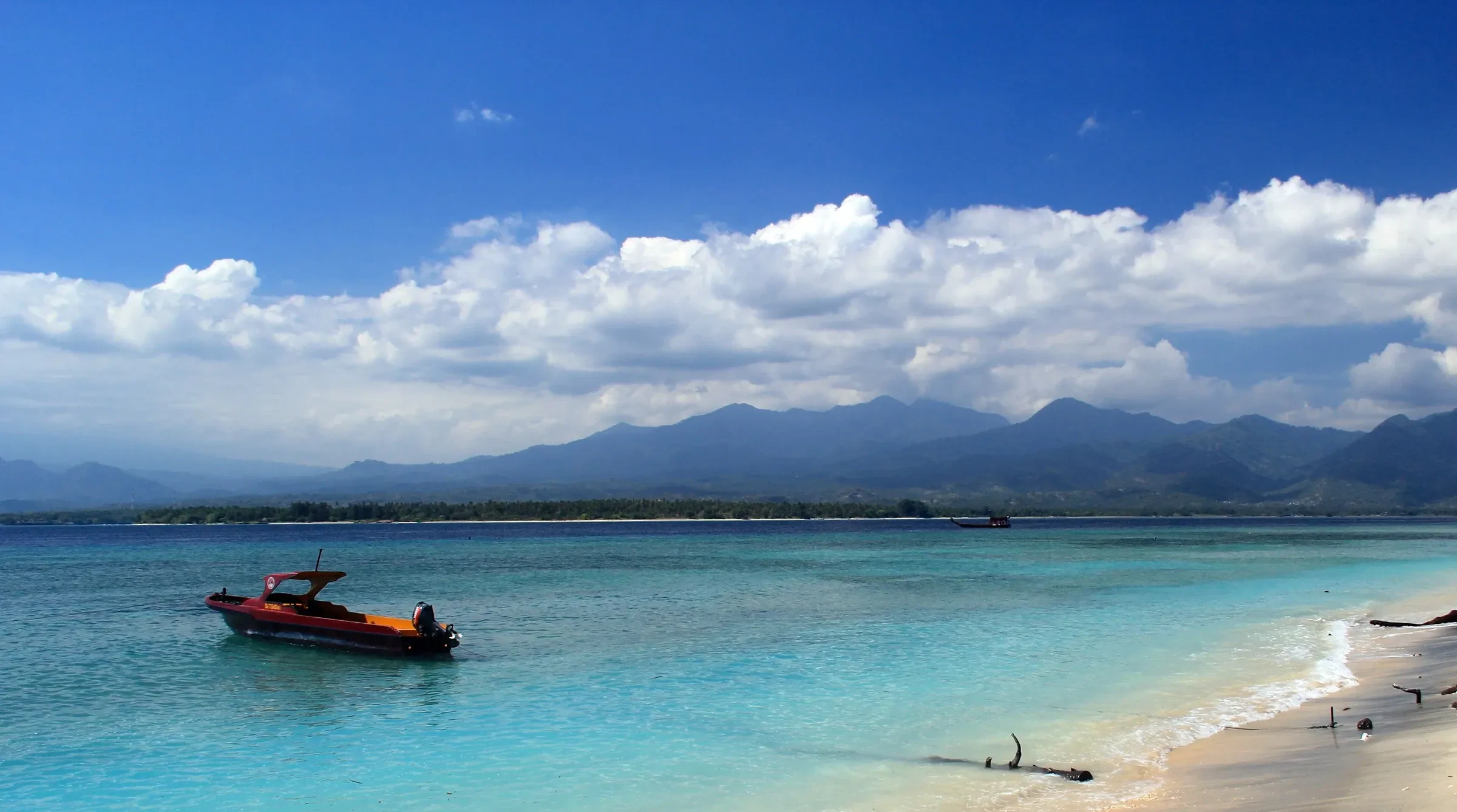
If you have ten days or more, the Gili Islands and Lombok are the natural next step beyond Bali's own coastline, reached by fast boat from Padang Bai or Serangan, or direct from Nusa Penida. The Gili Islands (Trawangan, Air and Meno) are car-free, with snorkelling and diving straight off the beach; see the Gili Islands guide. Lombok itself has its own surf coast at Kuta Lombok, the quieter beach town of Senggigi, Sasak villages and Mount Rinjani inland (access to the volcano has been limited since 1 September 2026 because of fire risk, so check before you plan a trek); see the Lombok guide. For a combined route with the Rinjani trek, see the Lombok and Gili Islands itinerary, and for how the two islands compare, see Bali vs Lombok.
Choose by interest
| You want | Go to |
|---|---|
| Beginner surf lessons | Canggu |
| Stronger surf and sunset views | Uluwatu and the Bukit |
| Beach clubs and a night out | Seminyak |
| Rice terraces, temples and yoga | Ubud |
| A quieter rice-terrace valley | Sidemen |
| Waterfalls and highland coffee | Munduk |
| Easy shore diving and snorkelling | Amed |
| Cliff viewpoints and manta rays | Nusa Penida and Lembongan |
| Car-free islands and reef snorkelling | The Gili Islands |
| A longer trek, Sasak villages | Lombok |
Prefer to travel with a group?
Our Bali trips follow routes through these regions with a small group of solo travellers aged 18 to 40. Your Trip Host travels with you the whole way, and a licensed local agency and licensed local guides run the ground arrangements in Indonesia.
Keep planning
Read the Bali guide for the whole island at a glance, things to do in Bali for what to do once you've picked a region, and the Bali itinerary guide for a day-by-day plan from 1 week to 1 month. For costs and the best time to go, see Bali trip cost and best time to visit Bali.