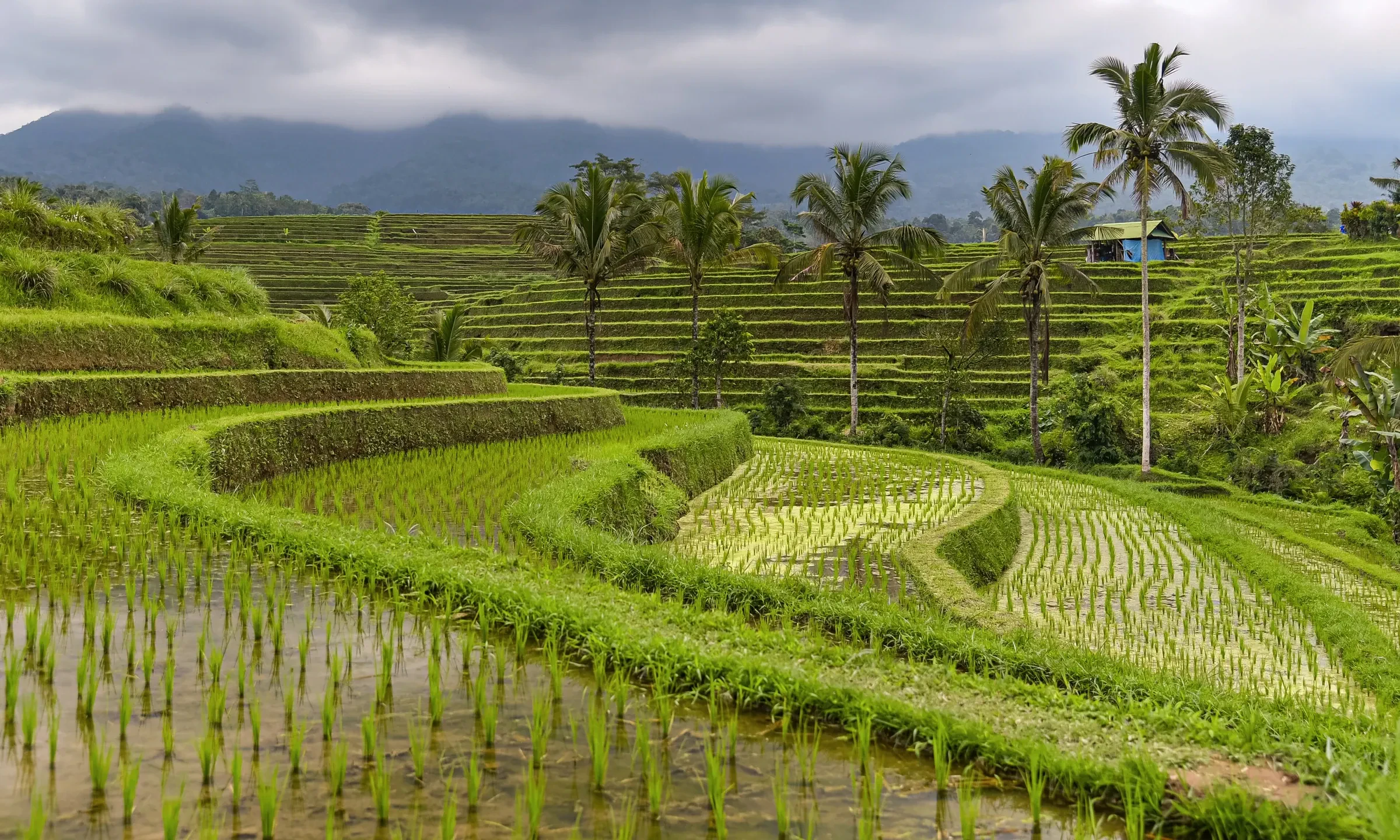
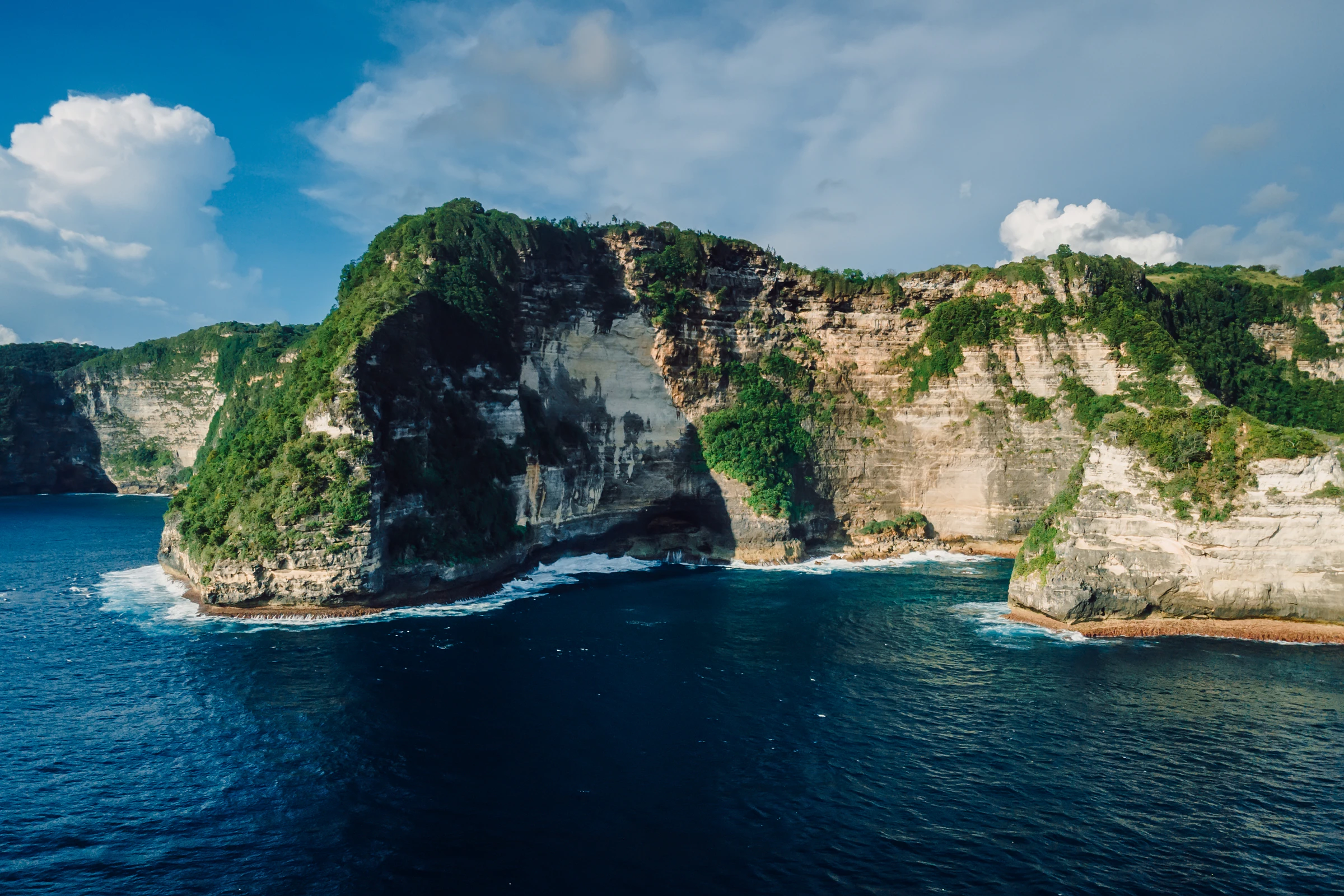
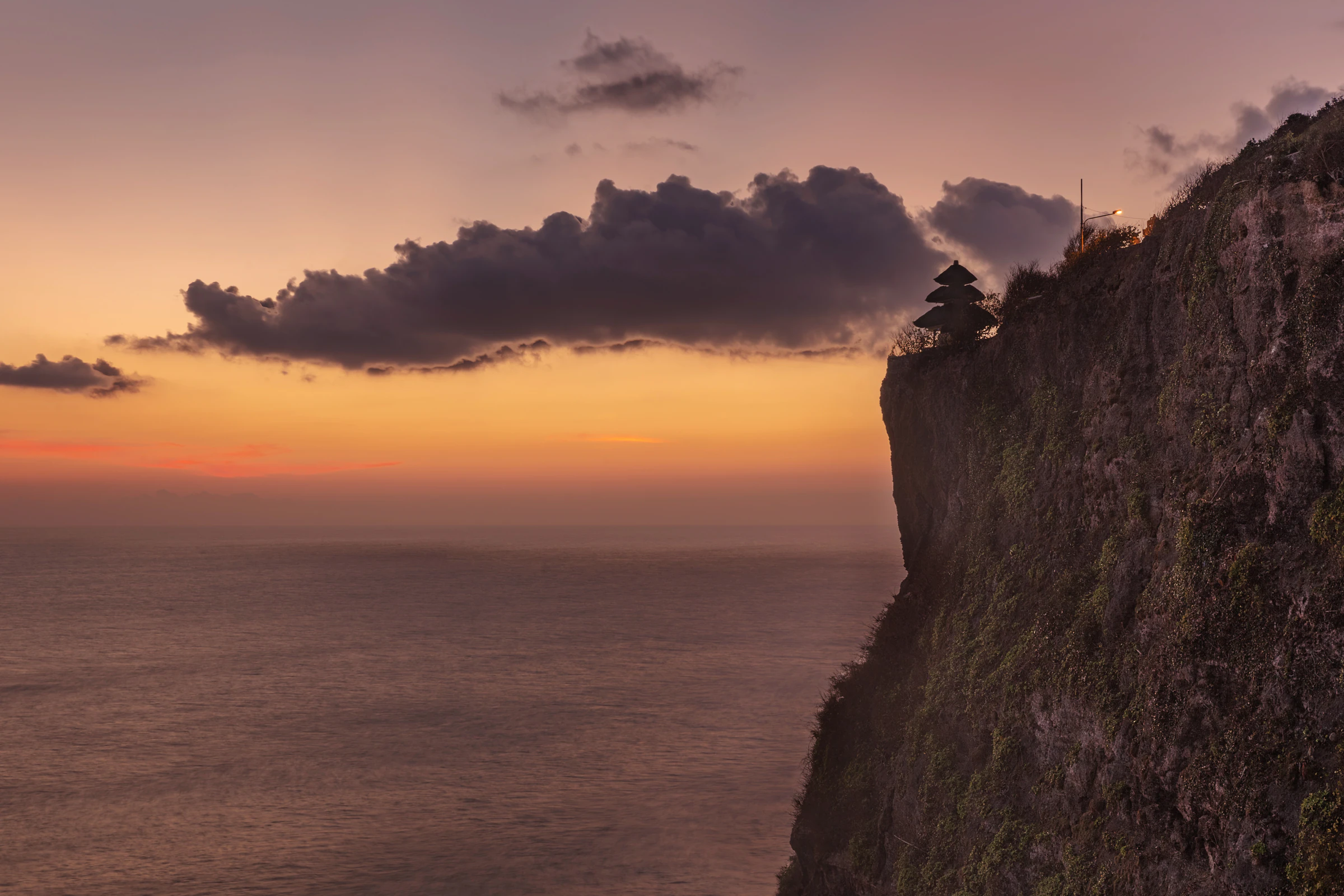
Ubud sits inland from Bali's beaches, in a belt of rice paddies and river gorges that's cooler and greener than the coast. It's been Bali's cultural and spiritual centre for decades, and the *Eat Pray Love* years only added to a reputation it already had: yoga studios, healers, art galleries and an old palace and temple complex, all inside a town small enough to walk across in twenty minutes. It's also the base for Bali's best-known day trip, the Mount Batur sunrise trek.
This guide covers what to see and do in Ubud itself: the Monkey Forest, the rice terraces, the temples, the Campuhan Ridge and the Batur day trip, plus what to eat and how long to stay. For a full day-by-day plan that links Ubud with Sidemen, Munduk and Amed, see our Ubud and central Bali itinerary. For the rest of the island, see our Bali travel guide.
Ubud town, the palace and the market
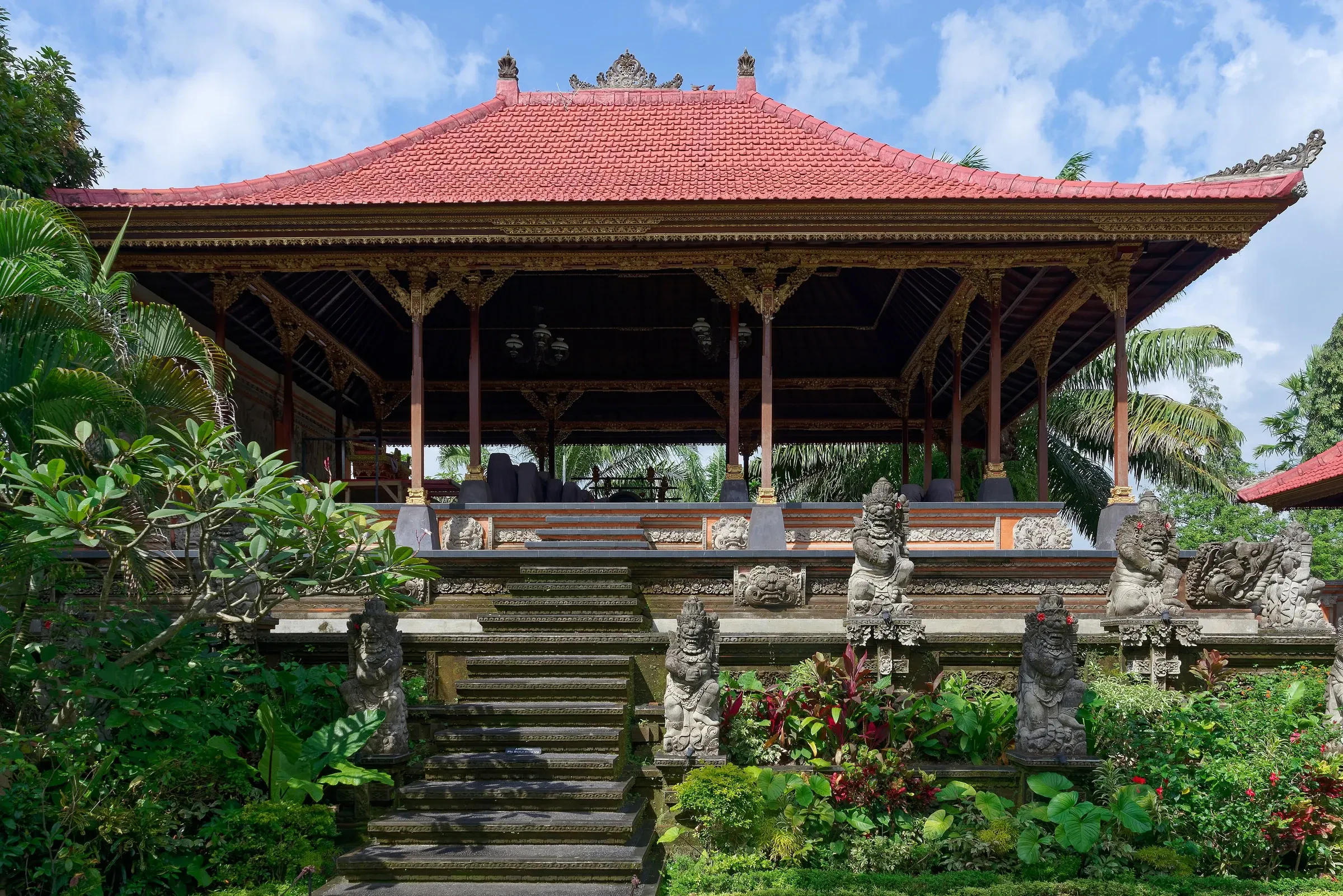
The centre of Ubud is walkable: Jalan Raya Ubud runs past the Ubud Palace (Puri Saren Agung), the covered art market and a run of galleries and shops, with the Lempad House and the Ubud Botanic Garden a short walk further out. Ubud Palace stages traditional dance performances most evenings. Per 2026 listings the show starts at 7.30pm and tickets cost about IDR 100,000, so check the day's programme and price at the ticket booth. It's a good way to spend a first night before the days get busier. The market is at its most interesting early, before the tour buses arrive, and again after dark when the food stalls set up.
The Sacred Monkey Forest Sanctuary
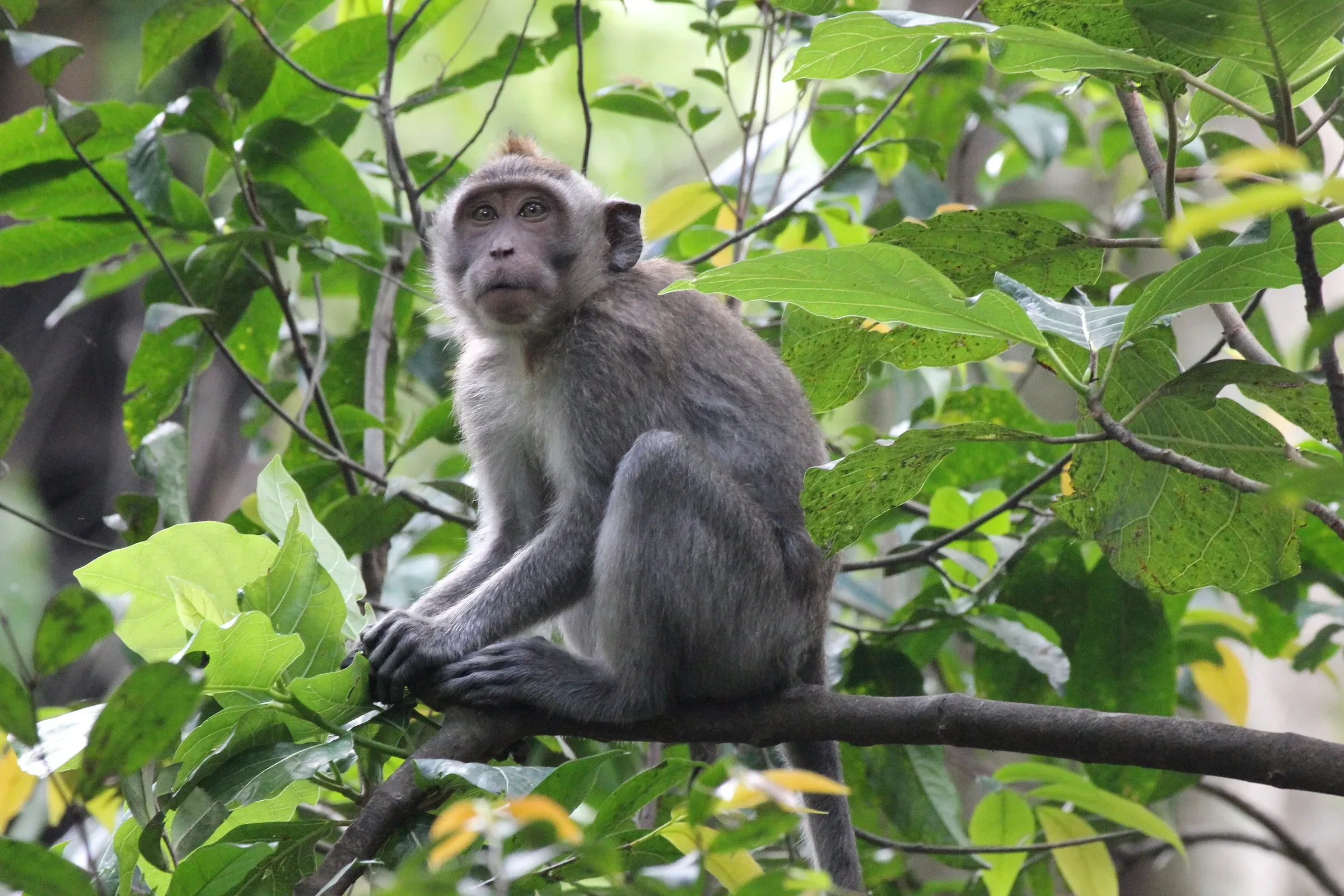
The Monkey Forest is a shaded nature reserve in the middle of town, home to about 1,000 long-tailed macaques and temples built around the middle of the 14th century. Entry is IDR 130,000 for adults and IDR 100,000 for children, per the sanctuary's own site (read 6 October 2026). It's open 09:00 to 18:00, with last entry at 17:00. The monkeys are used to people and will grab anything within reach. The sanctuary doesn't allow food, drinks or plastic bags inside, so leave them behind and keep sunglasses and jewellery secured. If a monkey jumps on you, its own guidance is to stay calm and walk slowly. Any bite or scratch needs a proper medical check, starting at the sanctuary's first-aid clinic, even though its site cites 14 years of research that never found rabies in Bali's monkeys. It's worth an hour, not a whole morning.
Ubud and the surrounding area have elephant park attractions that offer rides. We'd skip them. Riding elephants and using them for tourist photos causes them lasting physical and psychological harm, whatever the operator claims, and it isn't something we'd recommend or build a trip around.
Tegallalang rice terraces
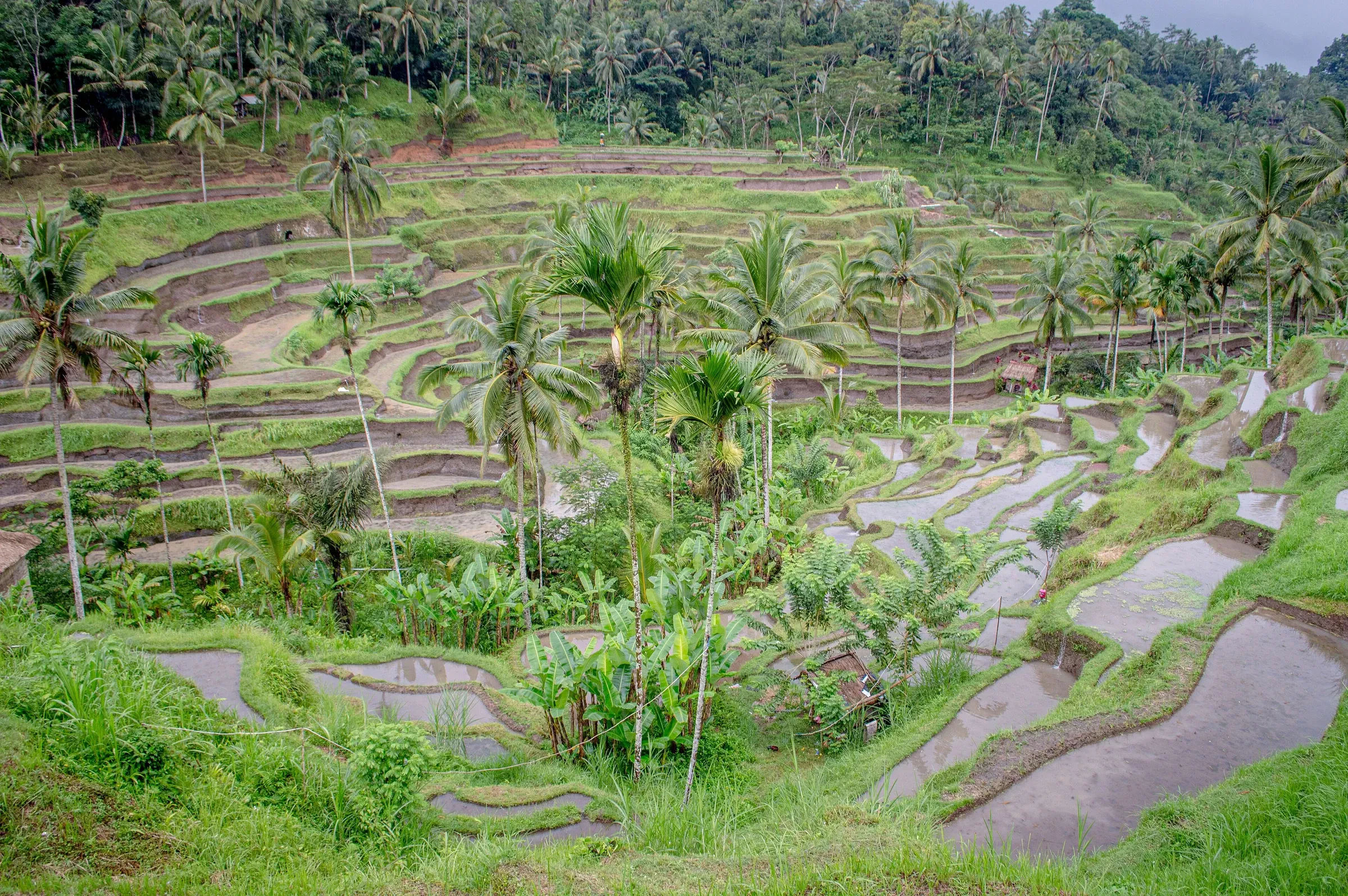
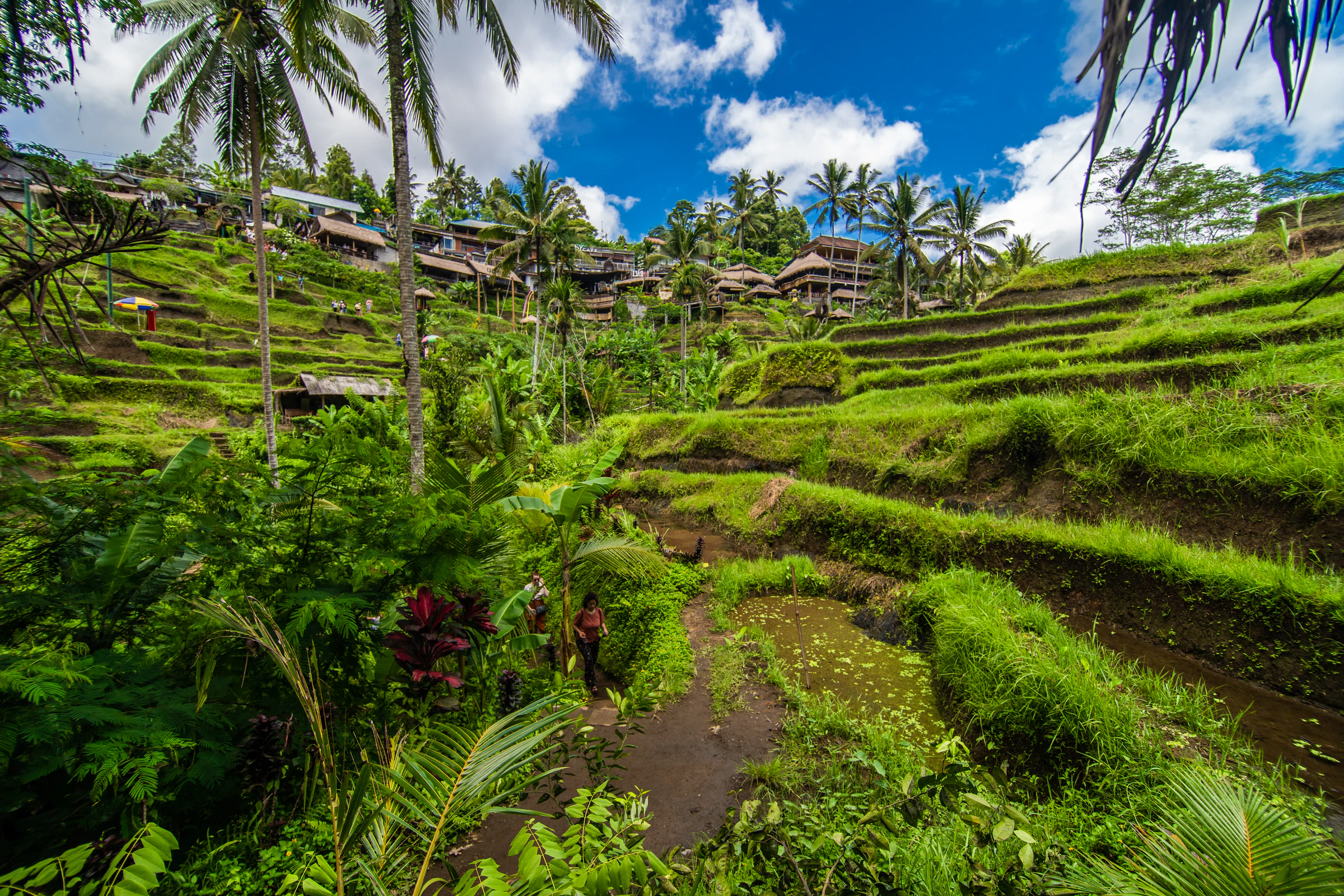
Tegallalang, about 20 minutes north of central Ubud, is the terraced hillside you've seen in every Bali photo, and it earns the trip despite the crowds. Go early, by 8am if you can, to get the light before the heat and the tour groups arrive. There's no single ticket: the entrances, viewpoints and paths through the terraces each charge their own entry or donation, roughly IDR 15,000 to 50,000 per 2026 listings (there's no official fee page, so confirm at the gate), and the rope swings and photo platforms cost extra on top. Wear shoes with grip; the paths between paddies are narrow and can be slippery after rain.
Tirta Empul and Gunung Kawi
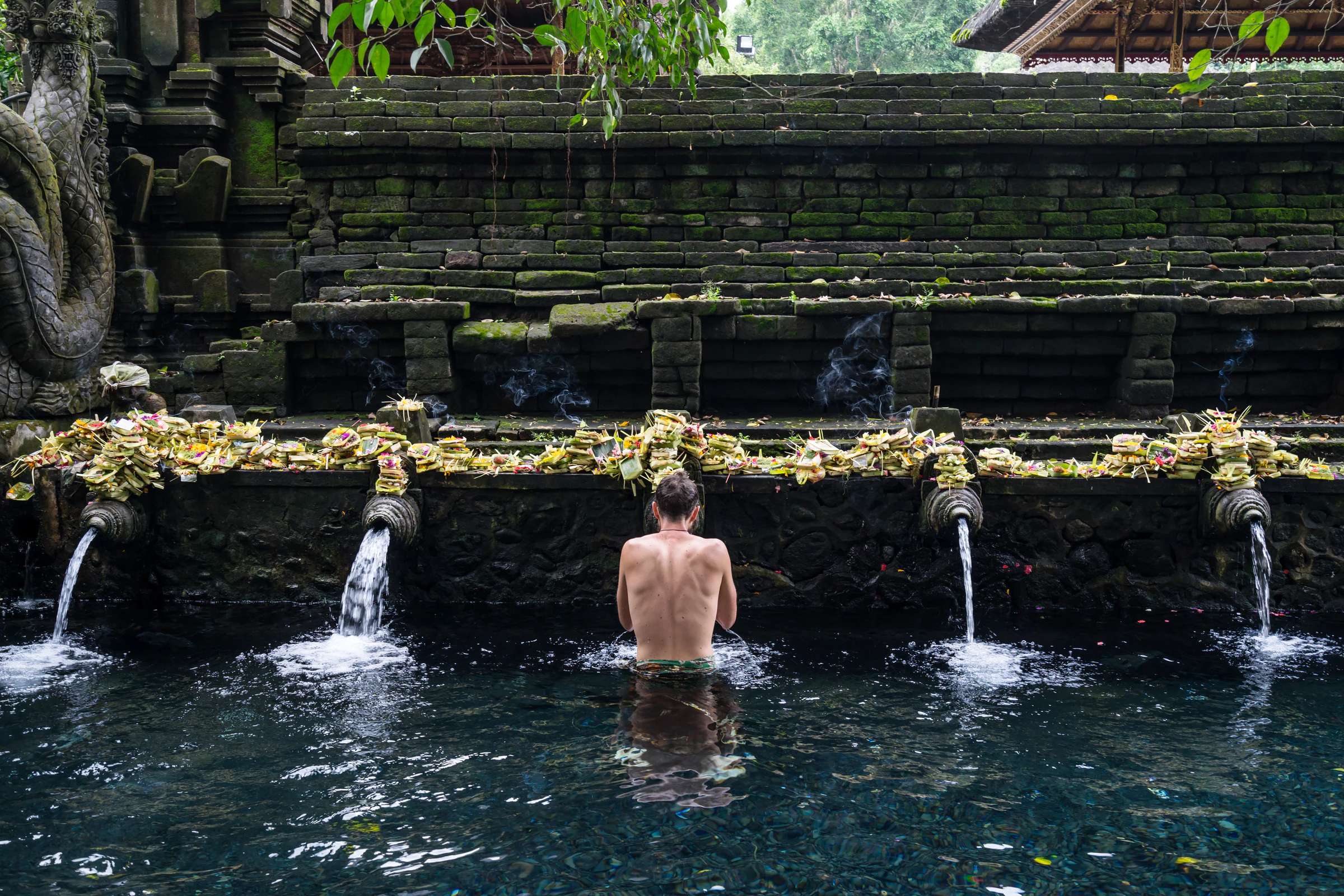
Tirta Empul is Bali's best-known water temple, where Balinese Hindus and visitors alike bathe under a row of stone spouts for a purification ritual. Entry is about IDR 50,000 to 75,000 (the national tourism site lists IDR 50,000, a March 2026 listing IDR 75,000), and it's open 08:00 to 18:00. You'll need a sarong and sash, usually included or rented for a small fee, and it's worth carrying cash. If you're joining the bathing ritual, bring a separate change of clothes; bare shoulders and swimwear without a covering aren't allowed, and menstruating women traditionally don't enter the water.
Gunung Kawi, a 20 minute drive further on, is a quieter alternative: 11th-century shrines cut directly into the rock face of a river gorge, reached down a long flight of steps. Fewer people make the detour, which is exactly the point.
The Campuhan Ridge walk
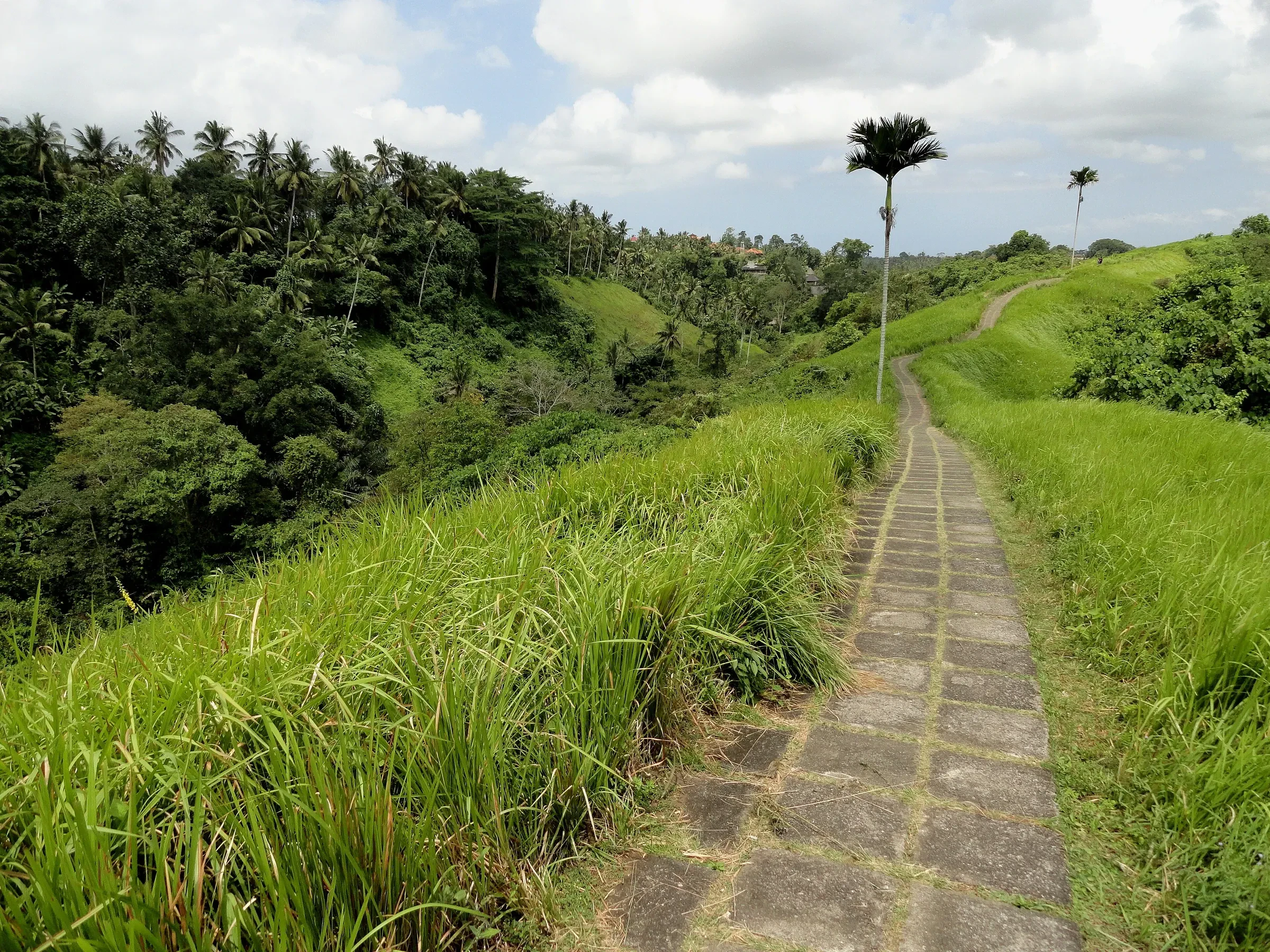
This might be the easiest good thing to do in Ubud: a free, flat, well-marked trail along a grassy ridge on the edge of town, with river valleys dropping away on both sides. There's no lighting, so time it for late afternoon and be back before dark. It takes about an hour there and back at an easy pace, longer if you carry on into the villages beyond, and it's at its best in the last hour before sunset.
Mount Batur sunrise, as a day trip from Ubud
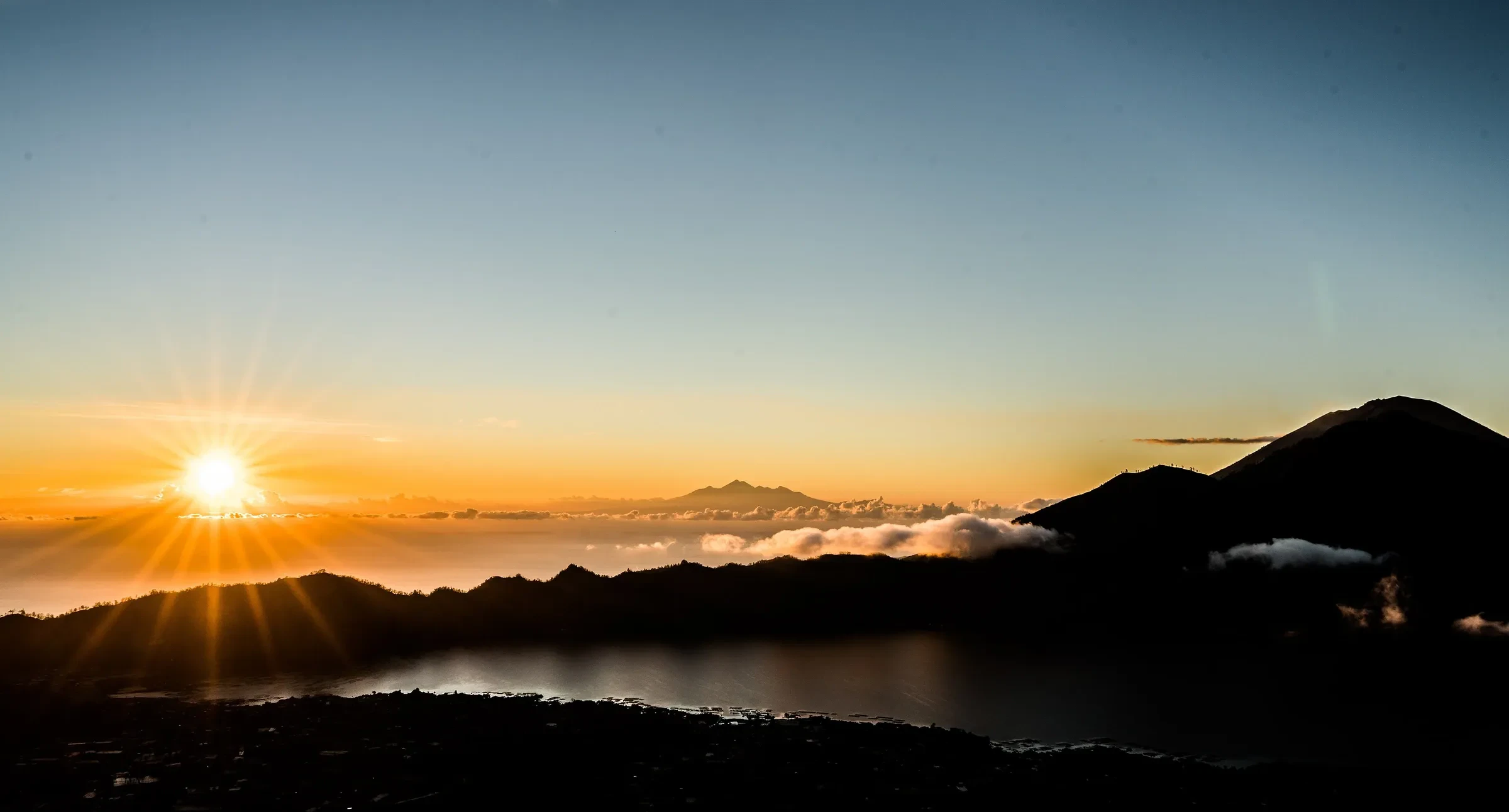
Mount Batur, an active 1,717m volcano above Lake Batur, is the region's signature early start: pickup around 2 to 3am, roughly two hours up a moderate but dark and dusty trail with a local guide (unguided ascents are strongly discouraged and most operators won't take you up without one), a summit sunrise over the caldera, and a simple breakfast cooked on the volcano's own steam vents before you head back down. It's a proper day out, not a quick add-on, so treat it as its own day: eat well the night before, carry water and a torch, and plan a quiet afternoon in Ubud once you're back. We cover the trek, its costs and safety in full in our Mount Batur guide.
What to eat in Ubud
Ubud is the spiritual home of babi guling, Balinese spit-roast pork; the long-running Ibu Oka is the name everyone knows, but it's now firmly on the tour-bus circuit, so ask your guesthouse for a quieter warung serving the same dish. Look out too for lawar (a mixed vegetable, coconut and minced meat dish), jaje Bali (traditional market sweets) and an Ubud-style nasi campur, which leans more vegetable-forward than the coastal version. A half-day Balinese cooking class, usually starting with a market visit around 8:30am, is a good way to spend a slower day, and a good icebreaker if you're travelling alone. For more of the island's food, see our Indonesian food guide and our Balinese food guide.
How long to spend in Ubud
Two to three nights covers Ubud town, the Monkey Forest, Tegallalang and one or two temples without rushing. Add a night for the Mount Batur sunrise trek, since the early start and the tiredness afterwards effectively take up two days either side of it. If you have longer, Ubud is also the jumping-off point for Sidemen's quieter rice terraces, Munduk's waterfalls and highland coffee, and Amed's black-sand snorkelling, all of which sit within an hour or two of the town by road. Rather than repeat that route here, our Ubud and central Bali itinerary lays out the full day-by-day plan.
If you'd rather not plan the logistics yourself, our Bali Express trip routes through Ubud with the Mount Batur sunrise trek included and led by local Batur guides, as part of a wider week through Canggu, Ubud, Nusa Penida and Sanur with a SoloNomads Trip Host along for the whole thing.
Getting there and around
Ubud is about 1 to 1.5 hours from Bali's airport (Denpasar, DPS) by car or private transfer, and a similar 1 to 2.5 hours from Canggu depending on traffic; per 2026 listings an airport taxi or app ride costs roughly IDR 300,000 to 500,000, and a pre-booked private transfer roughly IDR 450,000 to 700,000. Once you're there, the centre is walkable, and a car with a driver is the easiest way to reach Tegallalang, Tirta Empul, Gunung Kawi and the Batur trailhead, since public transport barely exists in this part of Bali. You'll also need a car and driver, or an organised trip, to visit Sidemen, Munduk or Amed. Remember the IDR 150,000 Bali tourist levy, paid on entering Bali; it covers the whole island, Ubud included, and isn't a separate charge here. Full visa and levy rules are in our Bali visa guide, and daily costs are broken down in our Bali cost guide.
Best time to visit Ubud
April to October, Bali's dry season, is the best window, and it also gives the Mount Batur trek its best odds of a clear sunrise; November to March brings more cloud cover on the summit and a slipperier volcanic path. Being inland and slightly higher than the coast, Ubud stays a little cooler and greener year round than Canggu or Uluwatu. See our Bali best time to visit guide for a full month-by-month breakdown, including Galungan and Kuningan, which Ubud is a good spot to see with its penjor bamboo poles lining the streets.
Keep planning
- Bali travel guide for the whole island
- Ubud and central Bali itinerary for the full day-by-day route
- Mount Batur guide for the sunrise trek in detail
- Canggu guide for the coastal half of most Bali trips
- Nusa Penida guide if you're adding an island after Ubud
- Bali cost guide and Bali visa guide for budgeting and paperwork