Ubud is Bali's slow, green counterpart to the surf coast: rice terraces, water temples, yoga studios, and one genuinely tough early morning up an active volcano. Two or three nights covers Ubud's highlights, but not much more than that. This route gives Ubud its due, then uses it as a base to reach two places many visitors skip: Sidemen, a rice-terrace valley that is usually quieter than Tegalalang, and Munduk, a cool coffee-growing hill village with a run of waterfalls.
5 stops
- Minibus
Is this route for you?
This suits travellers who want Bali's culture and nature side rather than its beach clubs: rice terraces, temples, a proper hike, and slow mornings with good coffee. It's a good match if you've already done a surf town on a previous trip, or if you're combining this with South Bali on the same visit.
It's not the route to pick if a beach club and a surf lesson are the point of the trip; start with Canggu or Uluwatu instead and treat Ubud as a shorter add-on. It's also a poor fit for anyone who can't manage an early-hours climb: the Mount Batur trek starts at 2am to 4am and involves about two hours of uphill walking on loose volcanic ground in the dark. If Batur is the one thing putting you off, our Mount Batur guide has the full detail on what the climb actually involves.
Day by day
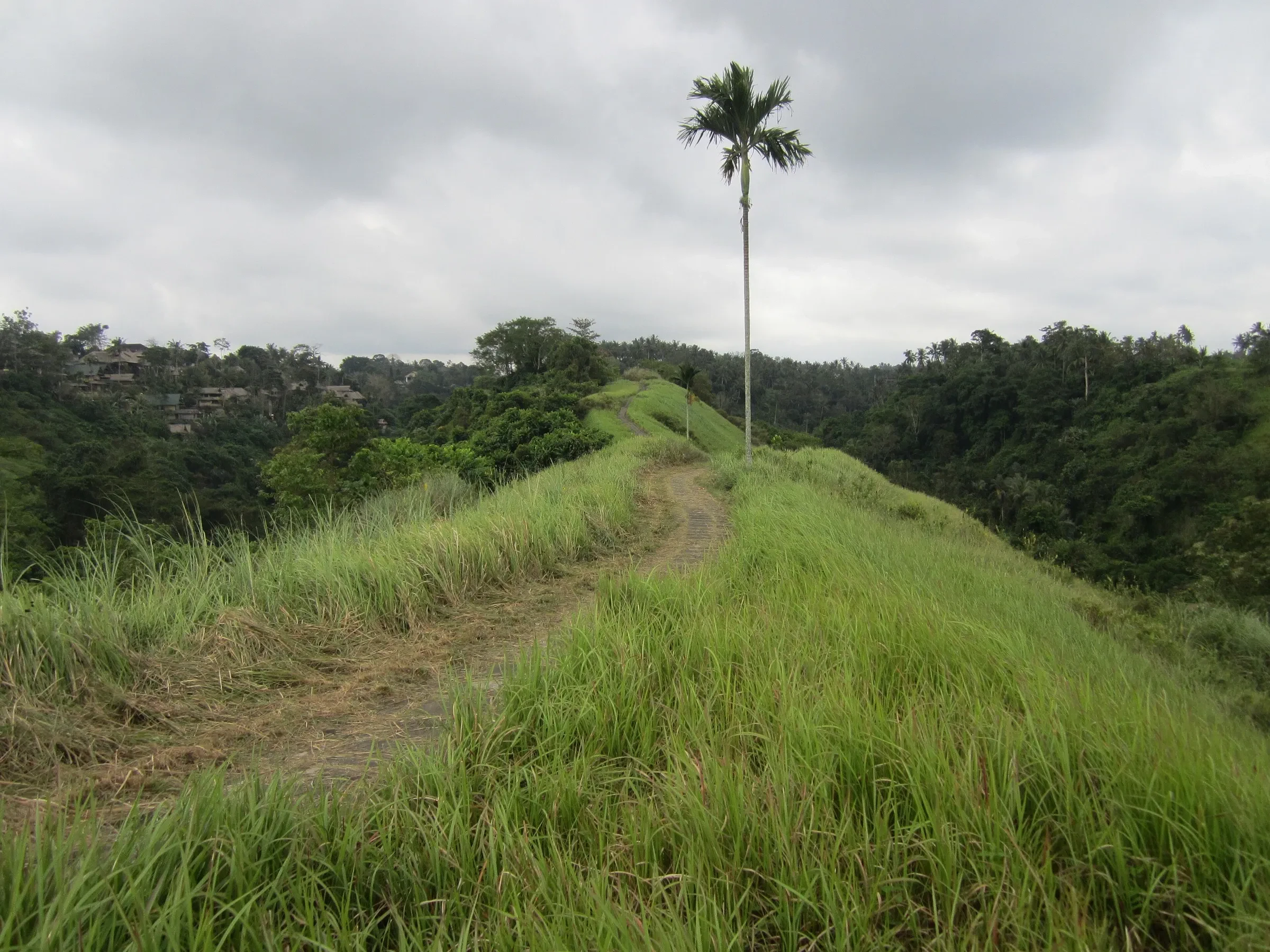
Arrival and the Campuhan Ridge
Ubud
Getting there fly into Denpasar (DPS), then a taxi, app ride or private car to Ubud, about 1 hour to 1 hour 30 minutes depending on traffic; per 2026 listings an airport taxi or app ride costs roughly IDR 300,000 to 500,000 (about £13 to £21)
- Afternoon
- settle in, then walk the Campuhan Ridge, an easy, free trail along a grassy spine just outside the centre, at its best in the late afternoon light
- Evening
- Ubud's central market and art shops, then dinner at a local warung rather than one of the tourist-facing cafes on the main strip
Eat babi guling (Balinese spit-roast pork) at a local warung; Ubud is well known for it, and your guesthouse can point you to a local place
Local tip book your Mount Batur trek for day 3 ahead of time rather than on the day
Tegalalang, Tirta Empul and Gunung Kawi
Ubud
- Morning
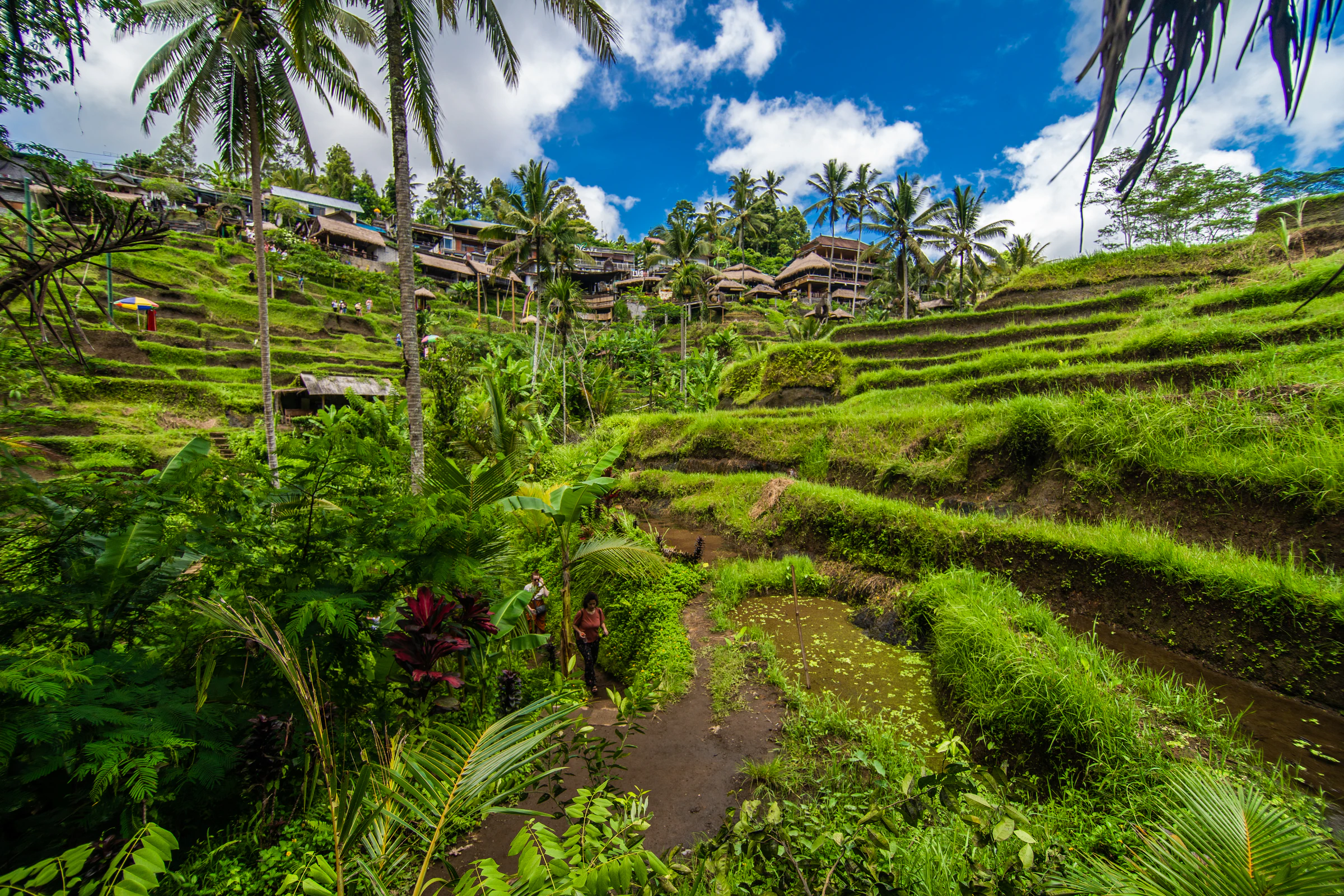
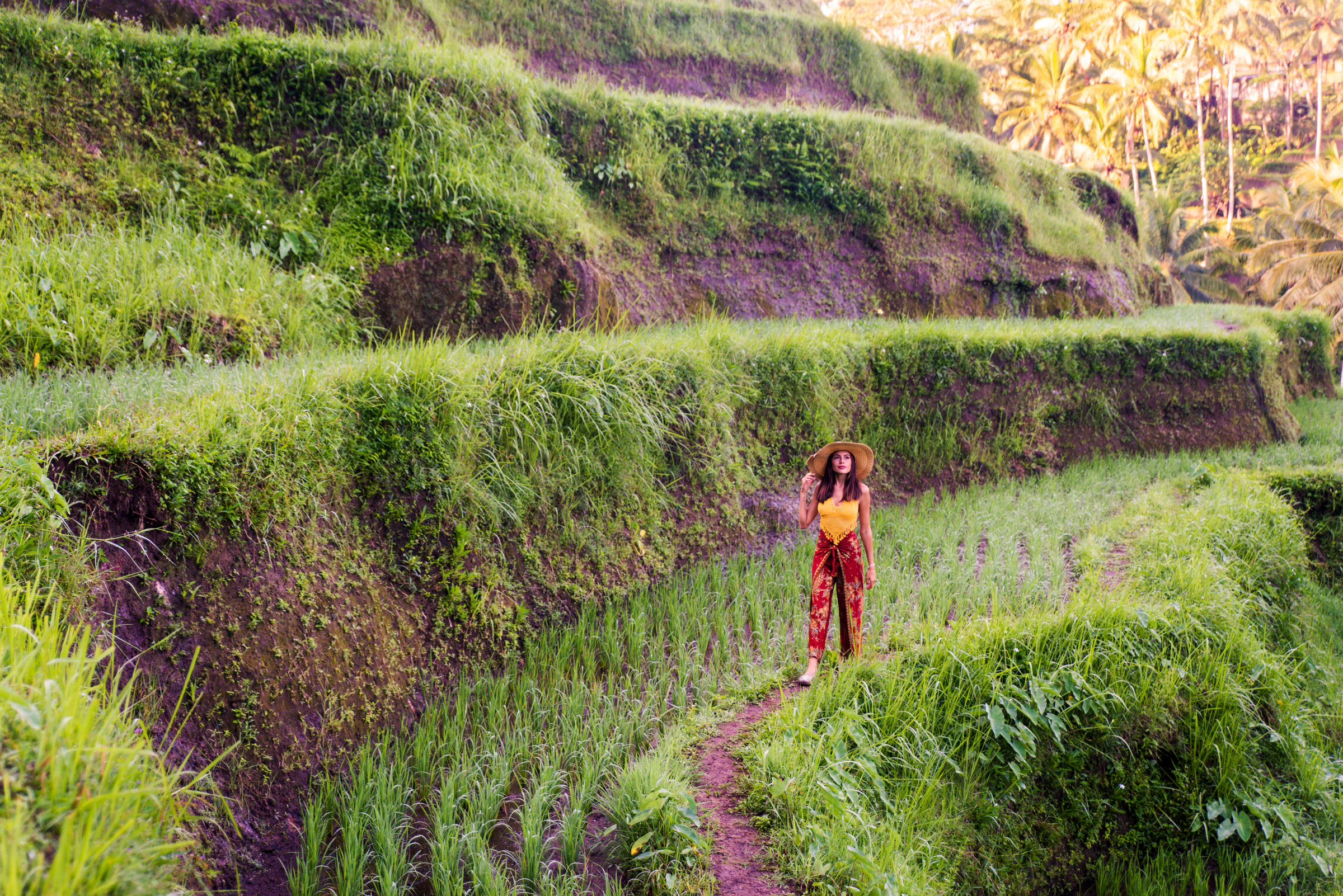
- Tegalalang's rice terraces, by 8am if you can manage it; this is Bali's most-photographed spot and also its most crowded, so an early start buys you a clearer path and cooler air
- Afternoon
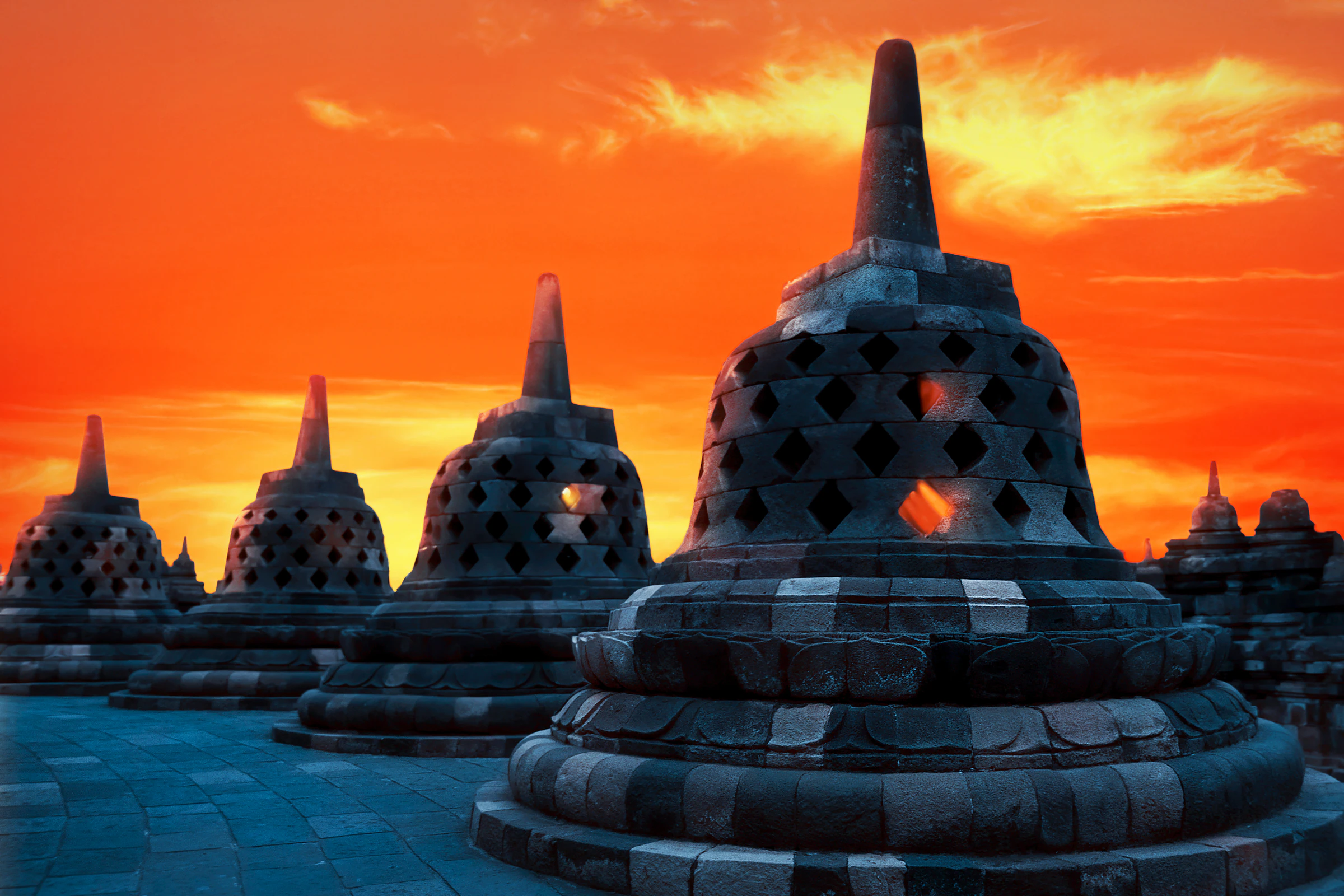
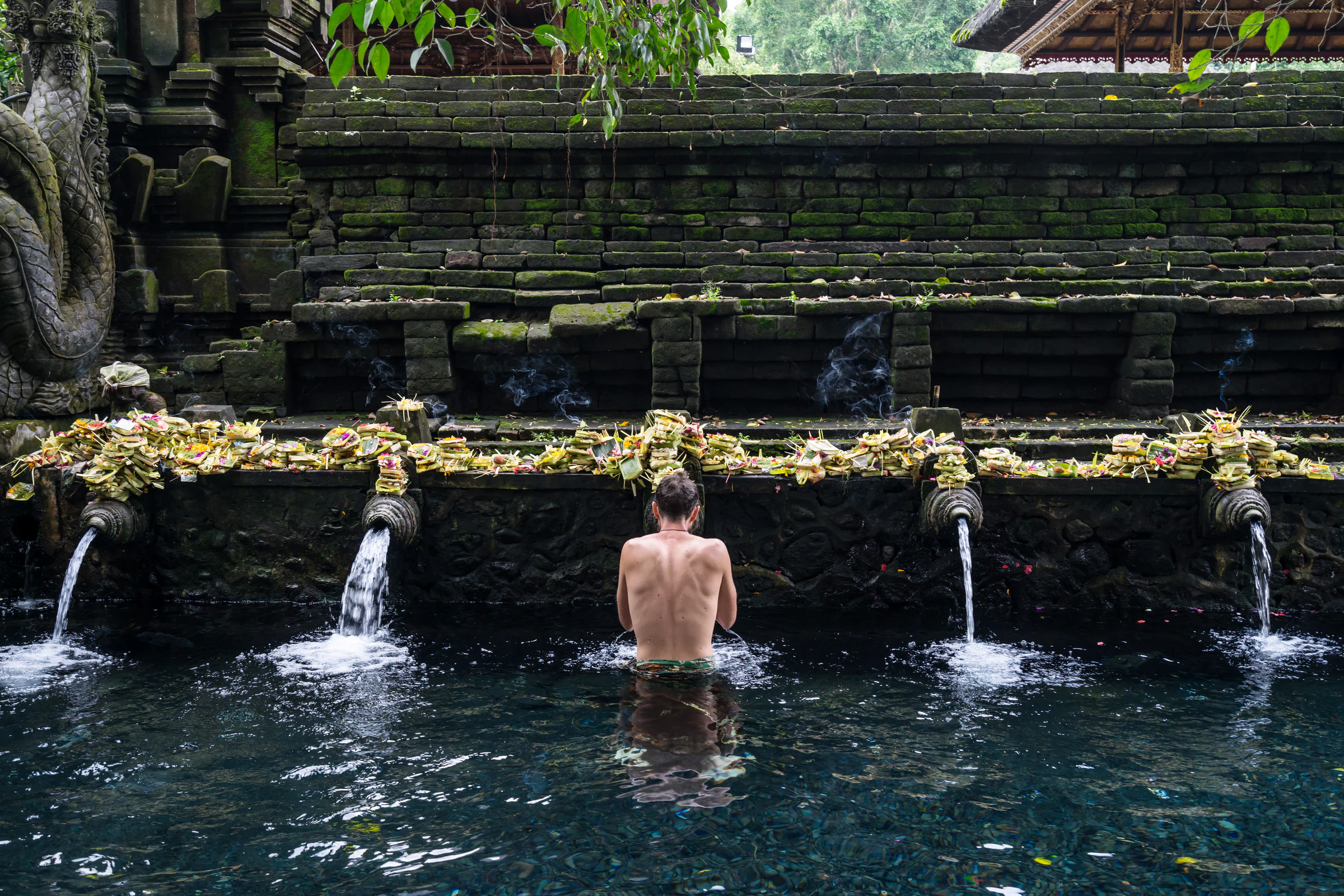
- Tirta Empul, the holy spring-water temple where you can join the purification bathing line in a sarong, then Gunung Kawi, 11th-century rock-cut shrines in a river gorge nearby, a quieter contrast to Tirta Empul's crowds
- Evening
- free, or an Ubud cooking class, which many guesthouses can book for you
Eat lawar, a mixed vegetable, coconut and minced-meat dish often part of a ceremonial spread, and jaje Bali, the traditional market sweets sold from stalls near the centre
Local tip cover your shoulders and knees at both temples, and wear the sarong offered at the entrance. Tegalalang entrances charge roughly IDR 15,000 to 50,000 and Tirta Empul about IDR 50,000 to 75,000 per 2026 listings (sources differ), so carry cash and check at the gate
The Mount Batur sunrise trek
Ubud
- Morning
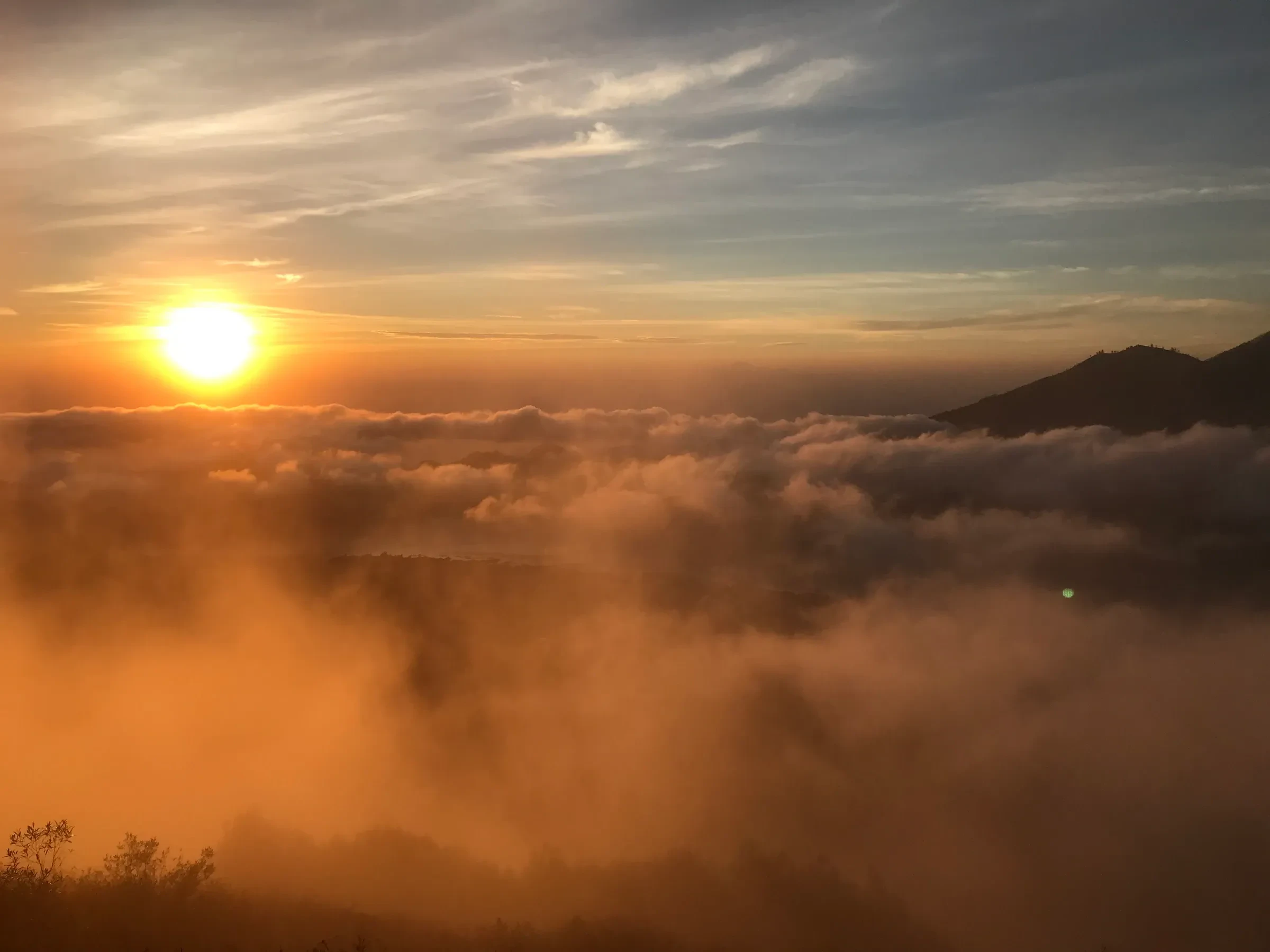
- pickup around 1:30am to 2am for the drive to Toya Bungkah, then a torchlit climb of about 700 metres over one and a half to two hours with a registered local guide (the local trekking associations run the routes and require one); breakfast is cooked on the volcano's own steam vents, usually eggs, banana sandwich and toast, before the sunrise over the crater lake
- Afternoon
- a soak at the Toya Devasya hot springs on the lakeshore before the drive back, then rest; you'll want it
- Evening
- an early, quiet dinner in Ubud
Eat a substantial dinner the night before this day, since the volcano breakfast is a snack, not a meal
Local tip it's cold at the summit before dawn even though Bali is tropical at sea level, so bring a warm layer, and wear shoes with grip for the loose scree. Ask your guide association about the current volcano alert level before you go. Our Mount Batur guide has full pricing and safety detail
Into the quieter rice-terrace valley
Sidemen
Getting there Ubud to Sidemen by private car, about 1 hour 30 minutes; agree the price with your driver before you set off
- Afternoon
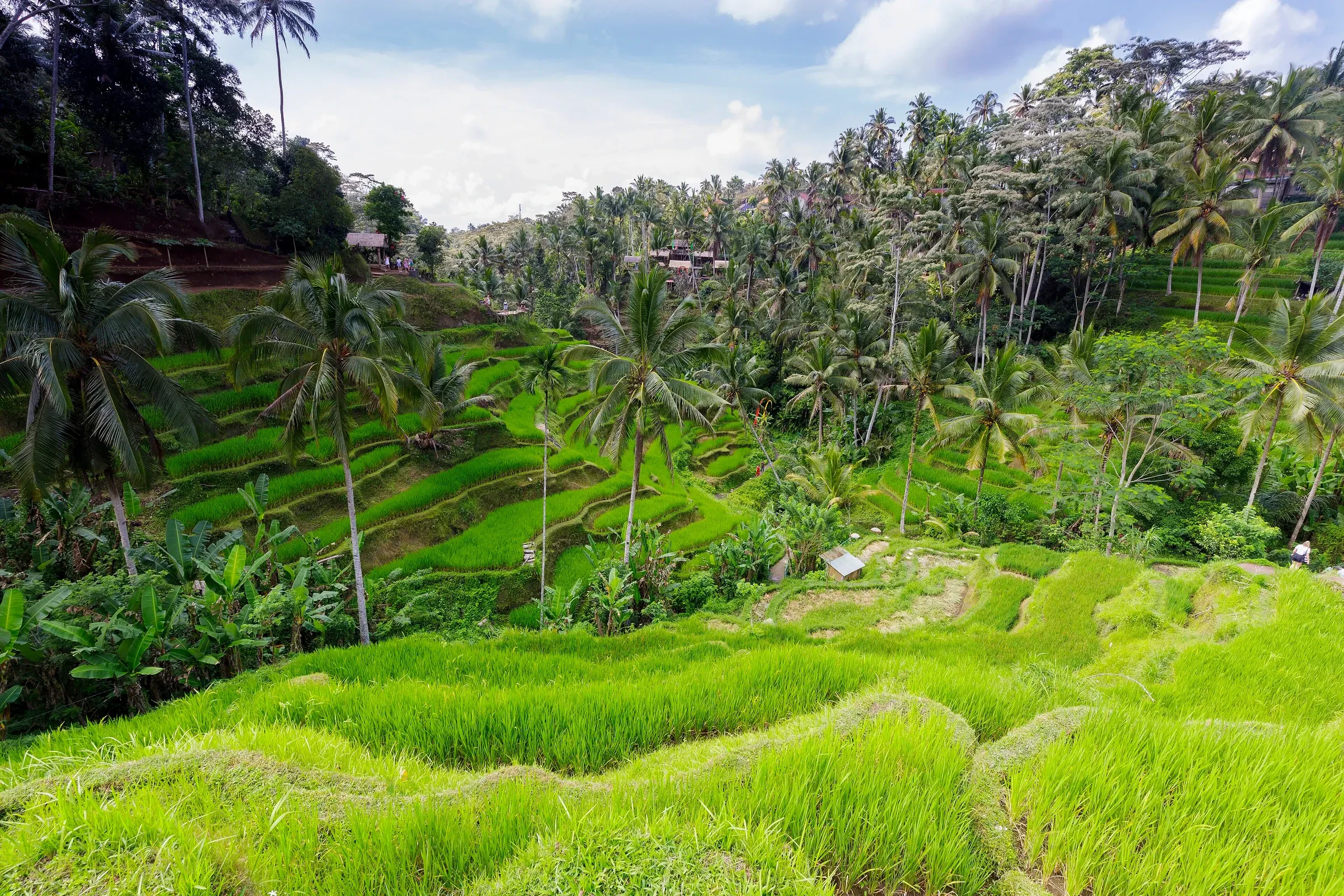
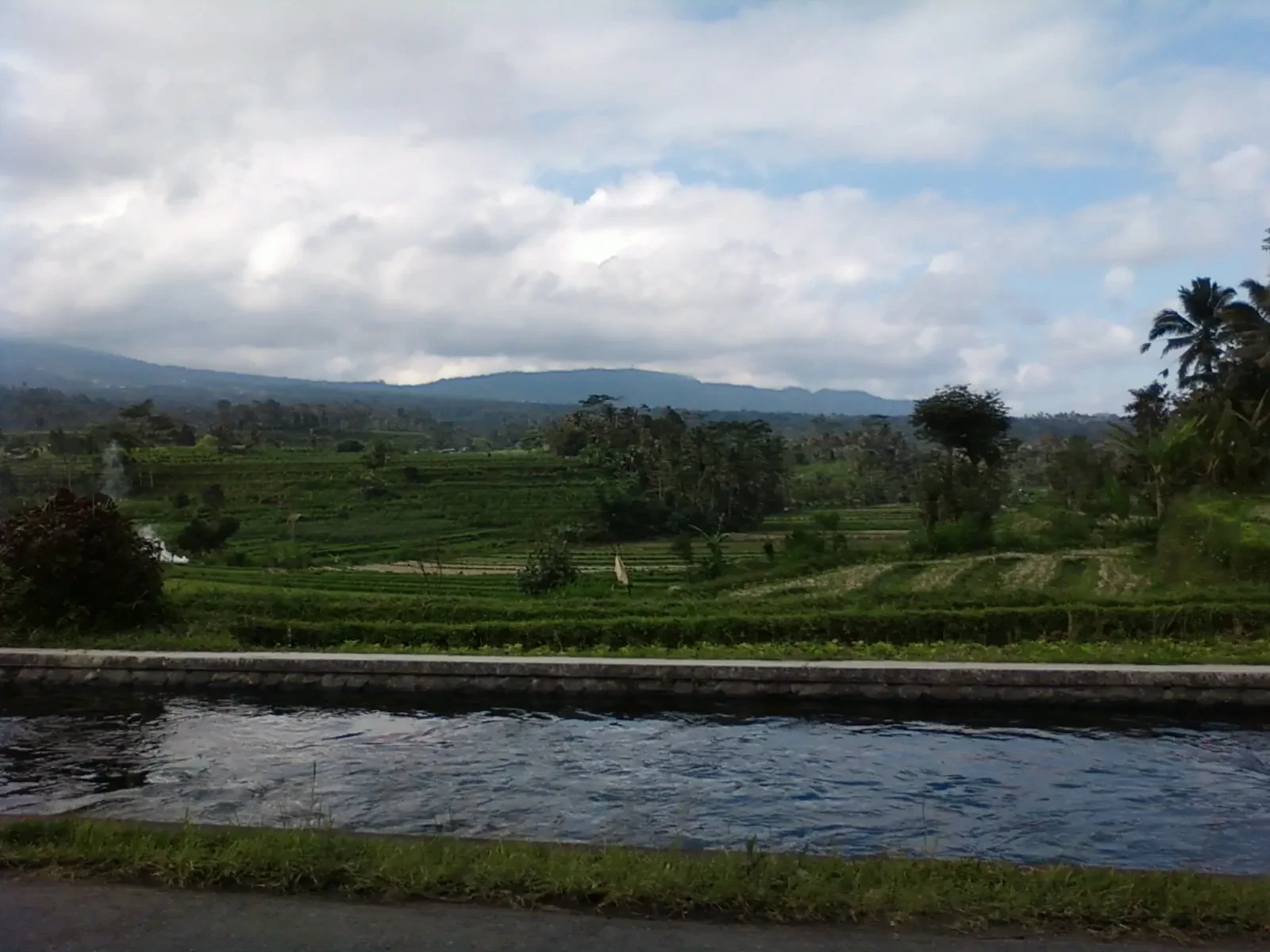
- settle in, then a short walk through Sidemen's rice terraces, noticeably less commercialised than Tegalalang, with Mount Agung as a backdrop on a clear day
- Evening
- sunset over the valley from a warung terrace
Eat a home-style Balinese spread, rice with several small vegetable and protein dishes, served family-style rather than à la carte, which is how most Sidemen guesthouses do dinner
Local tip Sidemen has no real nightlife and few restaurants outside guesthouses, which is the point; bring a book or download something to watch offline
Waterfalls and coffee in the highlands
Munduk
Getting there Sidemen to Munduk by private car, about 2 hours 30 minutes, mostly on winding mountain roads around Kintamani; agree the price with your driver before you set off
- Afternoon
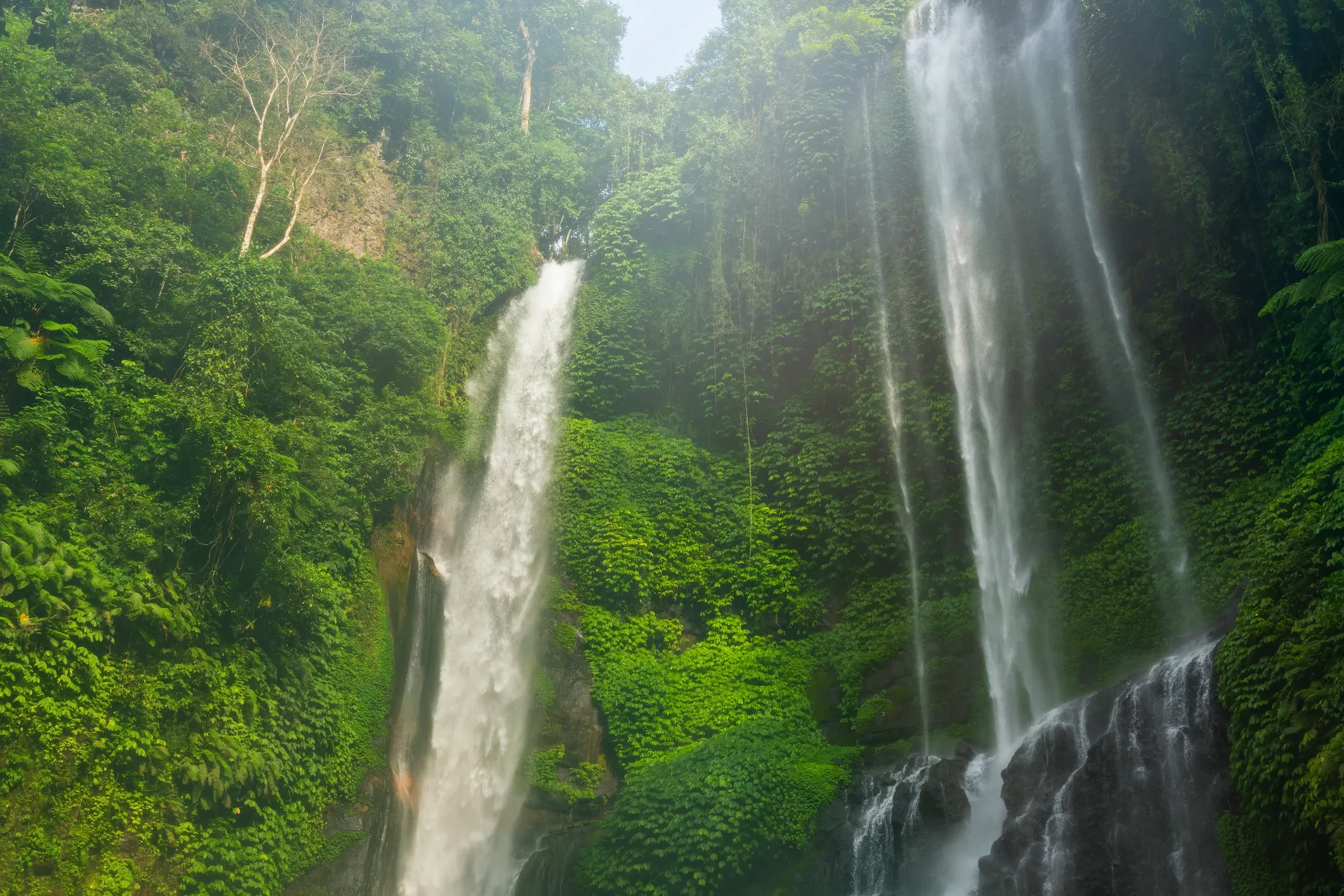
- a waterfall walk from Munduk village, either the shorter Munduk and Melanting falls (individual entry fees around IDR 20,000 to 50,000 each, per 2026 listings) or the longer trip to Sekumpul, a cluster of tall waterfalls that sits further away, so allow a half day. The Sekumpul treks include a local guide, and the village sets the fees, so they vary (medium-length treks run roughly IDR 125,000 to 150,000 per person)
- Evening
- dinner at a coffee-plantation guesthouse, in cooler mountain air than the coast
Eat Bali highland coffee, grown on the slopes you've just walked through
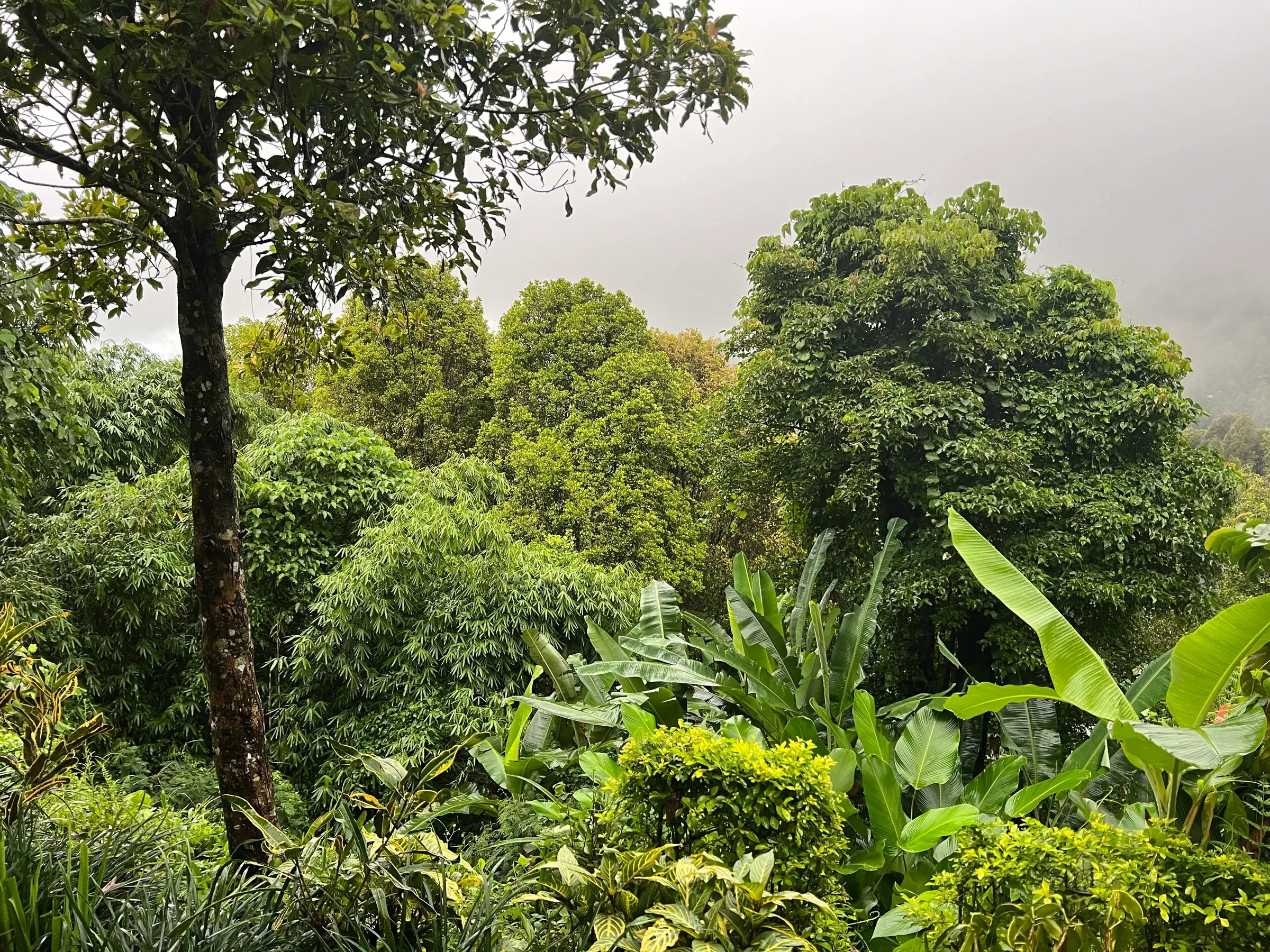
Local tip Munduk sits in the highlands, so it is cooler and often cloudier than the coast; pack a light layer even in the dry season
A slower day, or the Sekumpul trek
Munduk
- Morning
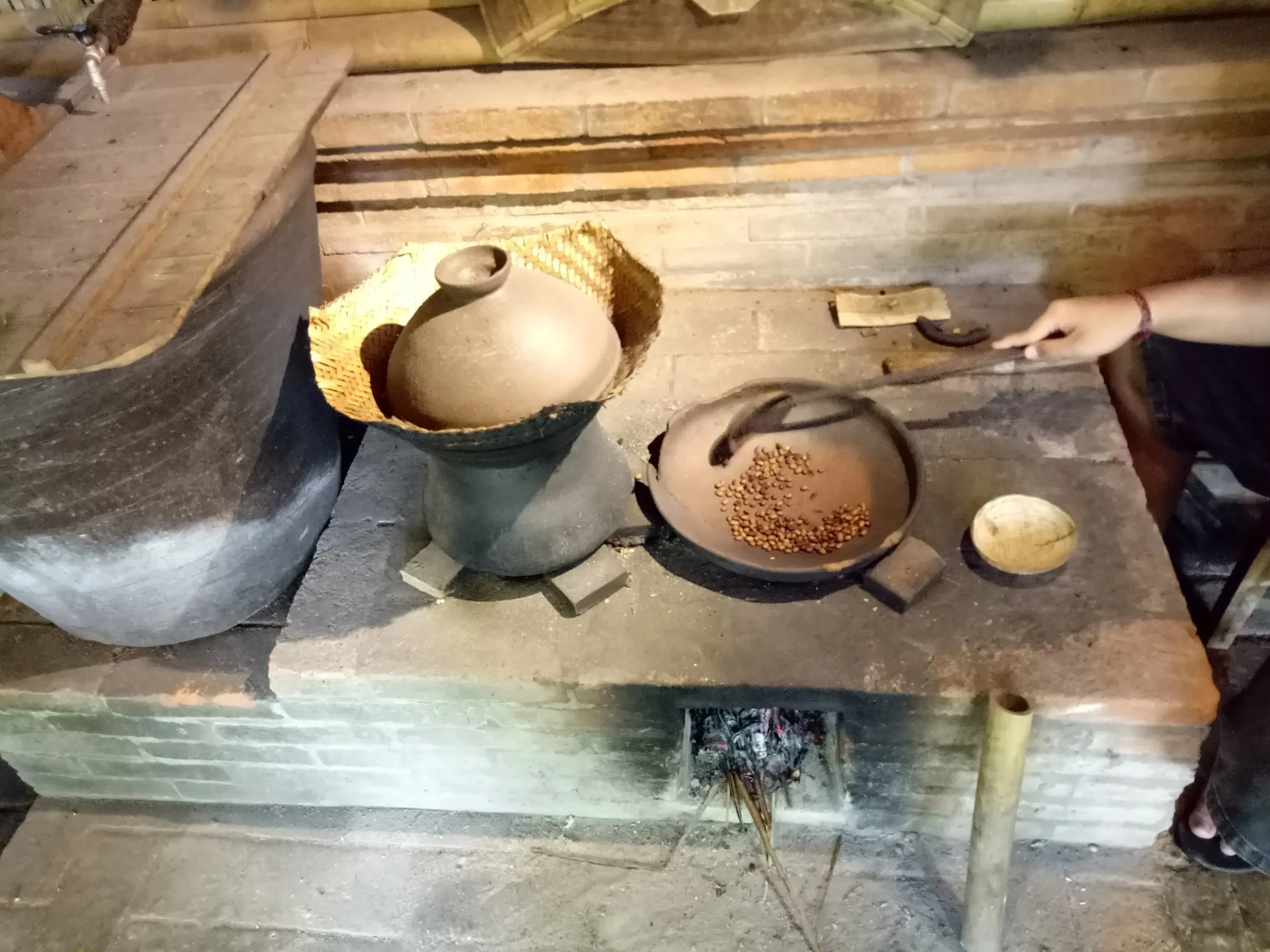
- if you didn't do Sekumpul the day before, this is the day for it; otherwise a slow morning at a coffee plantation, watching the beans dried and roasted
- Afternoon
- free, or a shorter walk to one of Munduk's closer waterfalls
- Evening
- a last highland dinner
Eat nasi campur, Munduk-style, more vegetable-forward than the coastal version
Local tip only pay waterfall entry fees at the official signed entrance; 2026 guides report fake checkpoints asking for cash near Sekumpul
Return and depart
Denpasar / south coast
Getting there Munduk to Denpasar or the south coast by private car, about 2 hours 30 minutes to 3 hours
- Morning
- a last coffee before the drive back
- Afternoon
- onward to the airport, or continuing to Canggu or Uluwatu if your trip carries on
Eat a last stop for nasi goreng or mie goreng on the way, at whichever warung your driver rates
Local tip book flights out from Denpasar from around mid-afternoon onwards, to give the drive down from Munduk some slack
Adding Amed, or doing the full loop
The 7-day route above covers Ubud, Sidemen and Munduk. Two ways to extend it:
- Swap Munduk for Amed. From Sidemen, it's about 1 hour 30 minutes to 2 hours to Amed's black-sand coast instead of continuing to Munduk. Amed trades waterfalls and coffee for shore snorkelling straight off the beach and a half-day trip to Tulamben, where the USAT Liberty wreck lies in 5 to 28 metres of water, close enough to shore for snorkellers as well as divers.
- Do both. With about three more nights (10 days in all), loop Ubud, Sidemen, Munduk and Amed in that order before heading back to the coast. This is the version that earns the "central and north Bali" billing properly, since it strings together three places most one-week visitors never reach.
Either way, don't try to fit more than one of these extensions into a single day trip from Ubud: the roads around Kintamani and the highlands are slower than they look on a map, and each place needs an overnight rather than a flying visit.
What it costs
| Item | Typical price (IDR) |
|---|---|
| Dorm bed at a social hostel in Ubud | 250,000 to 450,000 |
| Nasi campur at a warung | 20,000 to 50,000 |
| Tegalalang entrance (per 2026 listings) | roughly 15,000 to 50,000 |
| Tirta Empul entrance (sources differ) | about 50,000 to 75,000 |
| Shared Mount Batur sunrise trek (guide, transport, breakfast) | about 500,000 to 800,000 per person |
| Kintamani area fee (foreign visitors) | 50,000 |
| Toya Devasya hot spring entry | 80,000 to 100,000 |
| Sekumpul medium trek (guide included, village-set fees) | 125,000 to 150,000 per person |
| Private car and driver, per day (8 to 10 hours) | about 650,000 to 900,000 |
Food, drinks and local transport come to roughly IDR 280,000 to 450,000 a day (about £12 to £19, or US$16 to US$25), before a bed, the Batur trek and any private cars between towns. Our Bali cost guide has the wider island picture, including the IDR 150,000 Bali tourist levy paid on entering Bali.
Getting there, away and around
Fly into Denpasar (DPS); most international connections route through Singapore, Kuala Lumpur or Jakarta. From the airport, a car to Ubud takes about 1 hour to 1 hour 30 minutes; per 2026 listings a taxi or app ride costs roughly IDR 300,000 to 500,000.
There's no public transport worth relying on between Ubud, Sidemen and Munduk. Almost everyone covers this route by private car with a driver, either booked for each leg individually or for the whole loop as a multi-day hire. Grab and Gojek work across Bali, though some areas, including parts of Ubud, have informal no-pick-up zones where local taxi groups object, and the apps thin out once you're in the hills. Renting your own scooter for the mountain legs isn't recommended: the roads to Kintamani and Munduk are narrow, shared with local traffic, and considerably harder than Bali's flatter south.
Best time for this route
April to October, Bali's dry season, is best across the board: clearer skies for the Batur sunrise, drier trails at Sekumpul and Munduk, and easier mountain roads. The wet season runs roughly November to March and is wettest from December to February, which is when the full extended loop is least pleasant: the steep roads around Kintamani and Munduk are slower, and the Batur summit is cloudier and slipperier.
Central Bali's temple calendar runs on the 210-day Balinese pawukon cycle rather than the Western one, so Galungan and Kuningan, the biggest temple festival, falls on different dates each year:
If your visit lands during it, Ubud's temples and streets fill with penjor, the tall bamboo poles decorated for the occasion, and it's a good time to be near Tirta Empul specifically. Our Bali festivals guide has the full year-by-year calendar.
What to eat on this route
Central Bali's food leans more vegetable-forward and ceremonial than the coast's grilled seafood: babi guling (spit-roast pork) in Ubud, lawar (a mixed vegetable, coconut and meat dish), ayam betutu (slow-cooked, banana-leaf-wrapped spiced chicken, a Gianyar speciality), tipat cantok (a rice-cake and vegetable salad with peanut sauce), and Bali highland coffee grown around Munduk. Our Balinese food guide covers where to find each dish and what it should cost.
Doing the Ubud part with a Trip Host
Our Bali Express trip covers three nights in Ubud with the Mount Batur sunrise trek included, and your Trip Host travels with the group throughout. It doesn't extend to Sidemen or Munduk.