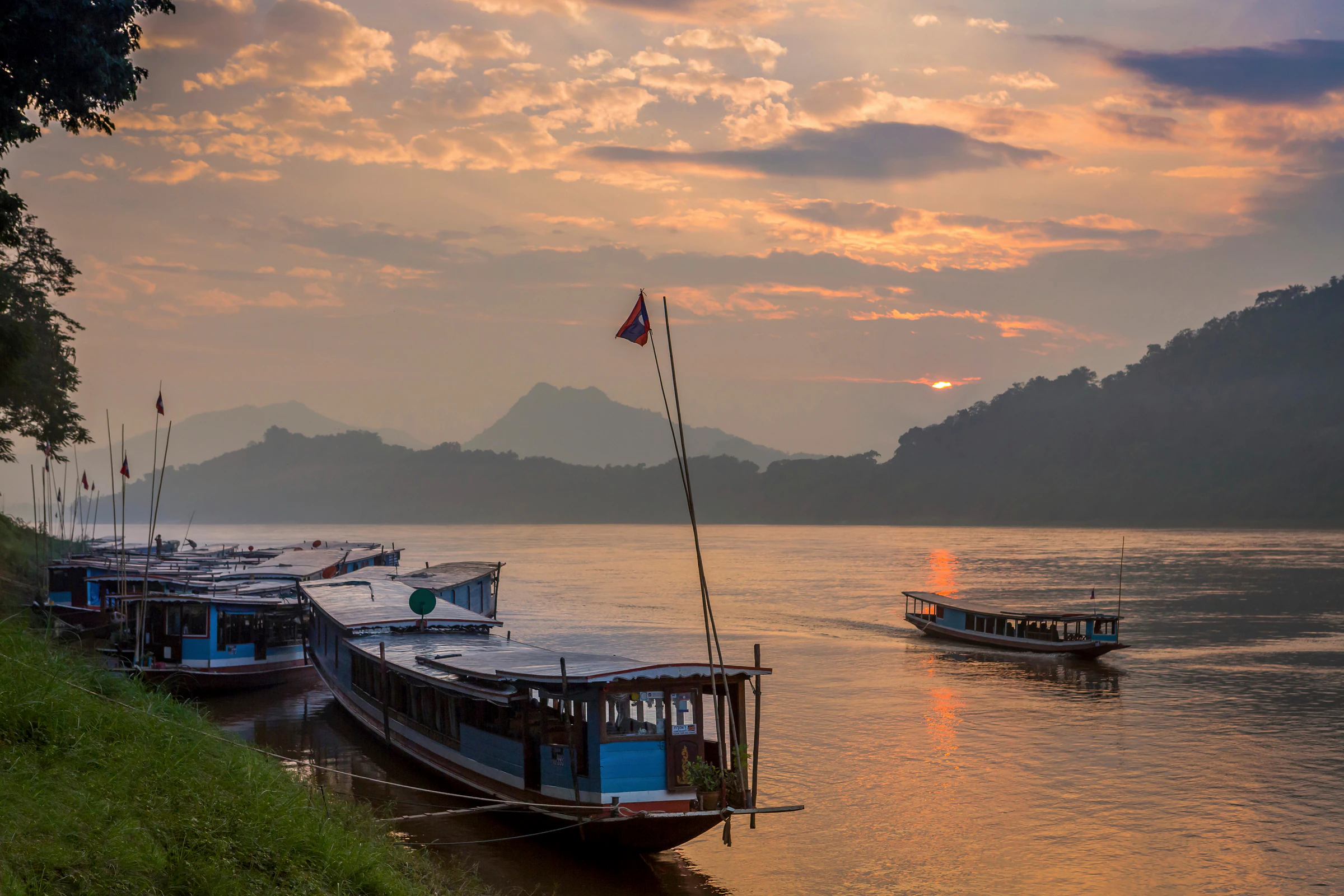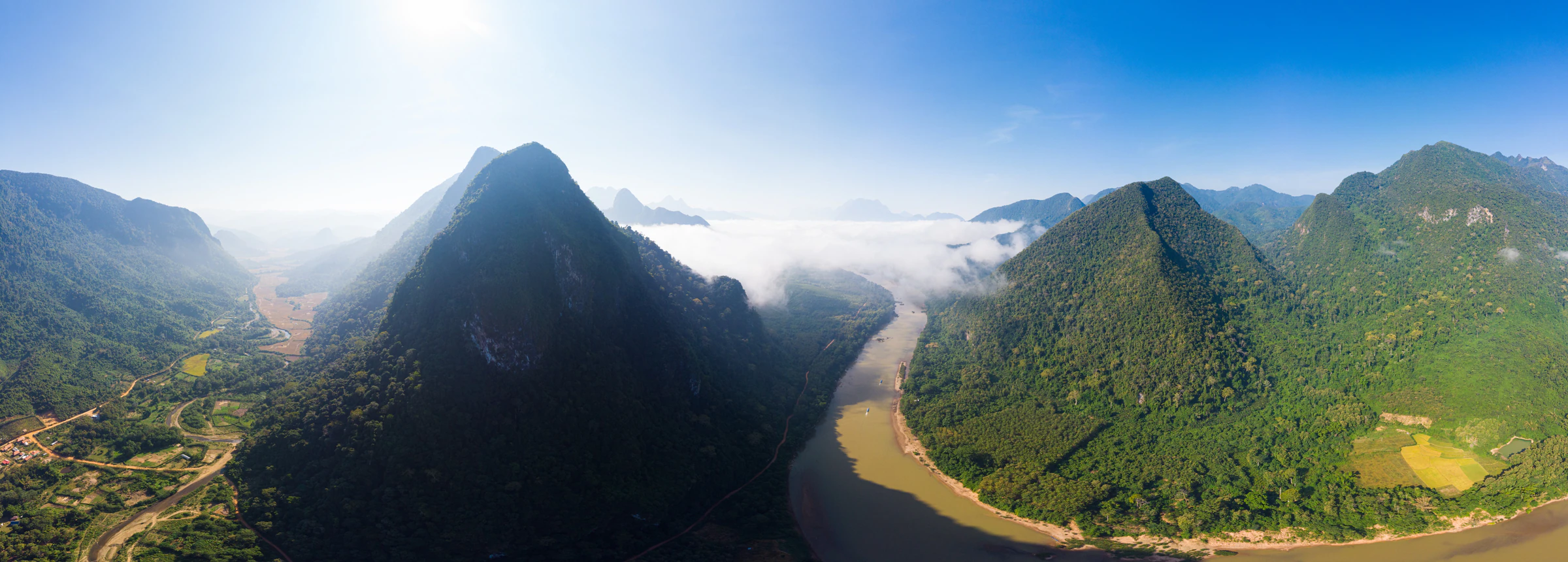
Laos rewards travellers who pick one or two regions properly rather than rushing the whole country. Below is what each place is actually like, who it suits, how long to give it and when to go, grouped the way most routes are built: north, centre, then south.
The north: Luang Prabang, Nong Khiaw, Luang Namtha and the Plain of Jars
The north is where almost every Laos trip starts. It has the country's best-known town, its most accessible trekking hills, and a UNESCO plain of ancient stone jars that only the more curious travellers bother detouring for.
Luang Prabang
Who it suits: first-time visitors, and anyone short on time who wants temples, food and one big waterfall in a compact base. How long: 2 to 4 nights. Best months: November to February, when it's cooler and dry.
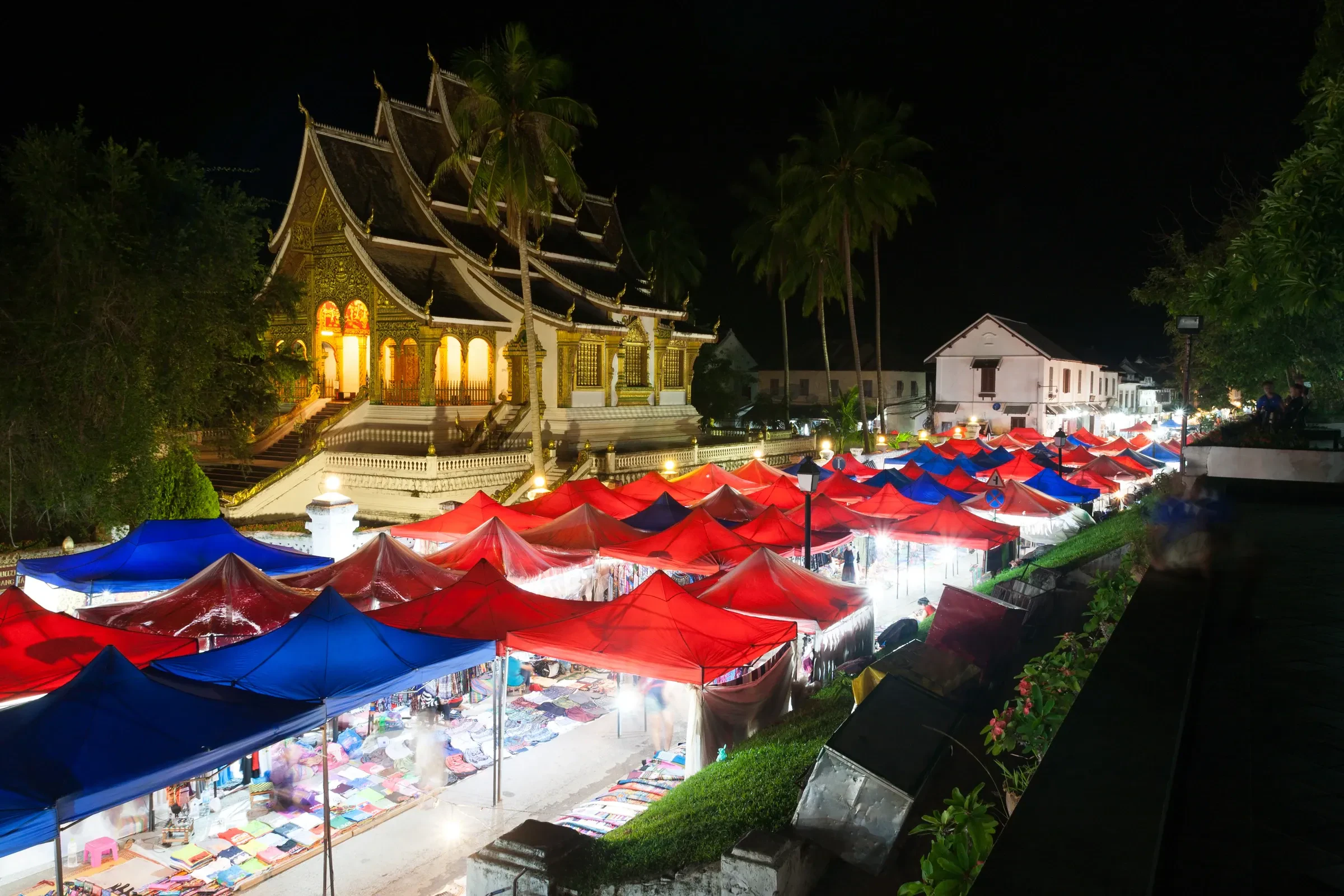
Almost everyone starts here, and for good reason: the morning alms, Kuang Si Falls and the night market are all within easy reach of a walkable old town. See the Luang Prabang guide for how many days to give it and what to prioritise.
Nong Khiaw
Who it suits: travellers who want river and karst scenery without arranging a full trek themselves. How long: 1 to 2 nights, added onto a Luang Prabang stay rather than visited alone. Best months: the same dry window, November to February.
A limestone river town about 4 hours by minivan from Luang Prabang, with a viewpoint climb and onward boats to the smaller village of Muang Ngoi. It's covered as a detour in the Luang Prabang to Vientiane route guide, and summarised alongside the rest of the north in the Laos itinerary hub.
Luang Namtha
Who it suits: trekkers, and anyone continuing overland towards Yunnan on the Laos-China Railway. How long: 2 to 3 nights if you're trekking; a night if you're just passing through. Best months: November to March, before the hot season makes the trekking trails less comfortable.
Further north again, and less visited than Luang Prabang or Nong Khiaw. It's the base for multi-day treks into ethnic minority villages and national protected areas. There's no standalone Luang Namtha guide on the site yet; it's covered as part of the north in the Laos itinerary hub.
The Plain of Jars
Who it suits: history-minded travellers with room for a genuine detour, or anyone doing a full month in Laos. How long: a day around Phonsavan, usually built into a longer loop rather than a side trip from Luang Prabang. Best months: the dry season, November to March.
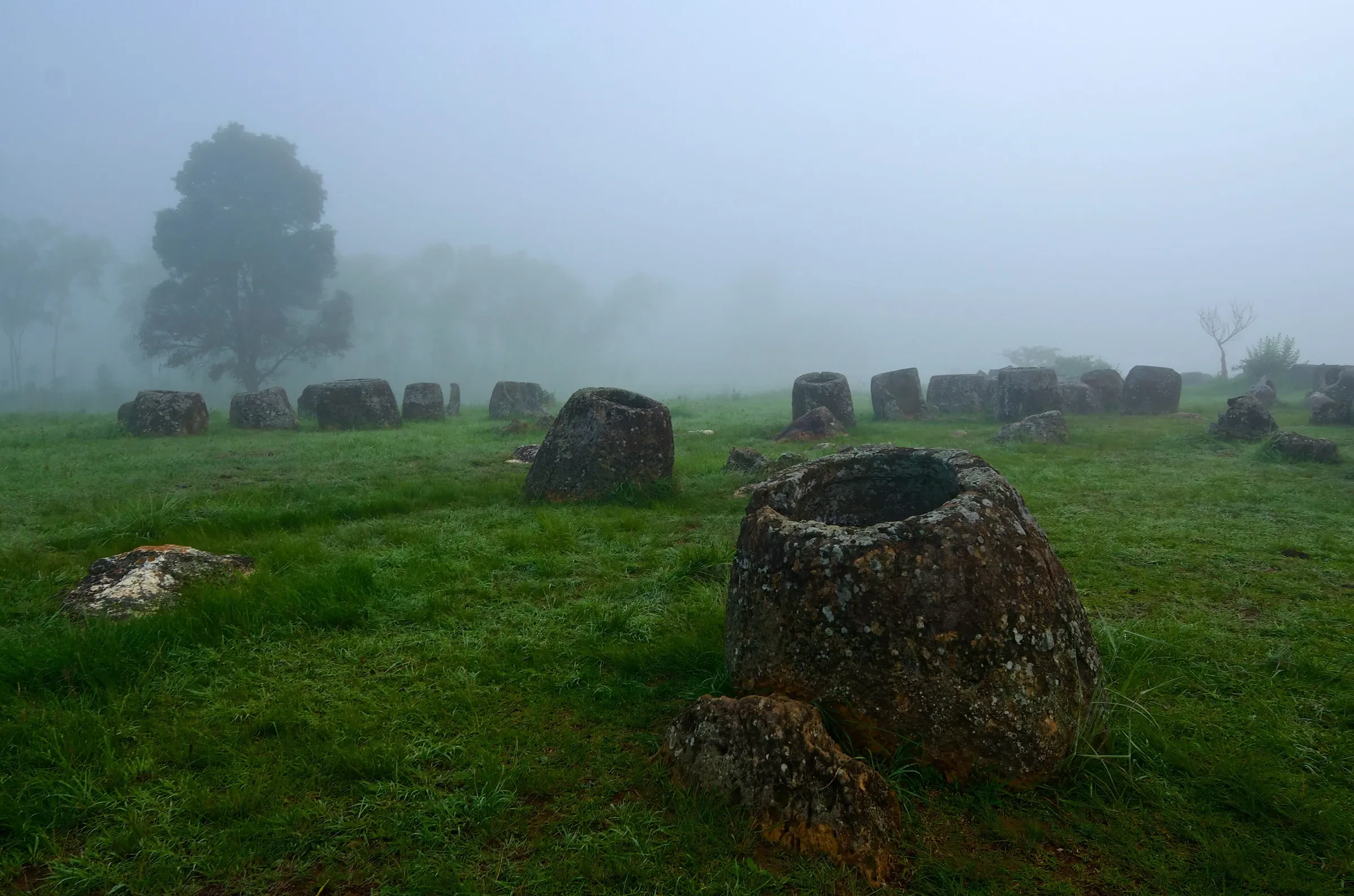
Thousands of Iron Age stone jars, scattered across fields outside Phonsavan, became a UNESCO World Heritage Site in 2019. It's out of the way for shorter trips, which is why it only really fits a 1-month route; the Laos travel guide covers where it sits in a longer itinerary. Stick to marked paths here and in other rural parts of the country: unexploded ordnance from the Vietnam War era is still a real hazard off the cleared trails.
The centre: Vang Vieng, Vientiane and Thakhek
The middle of the country is where most itineraries pick up the pace, with a couple of adventure days, a capital stopover, and, for riders, a proper multi-day motorbike loop.
Vang Vieng
Who it suits: travellers who want a couple of active, sociable days between the north and the capital. How long: 2 to 3 nights. Best months: November to March.
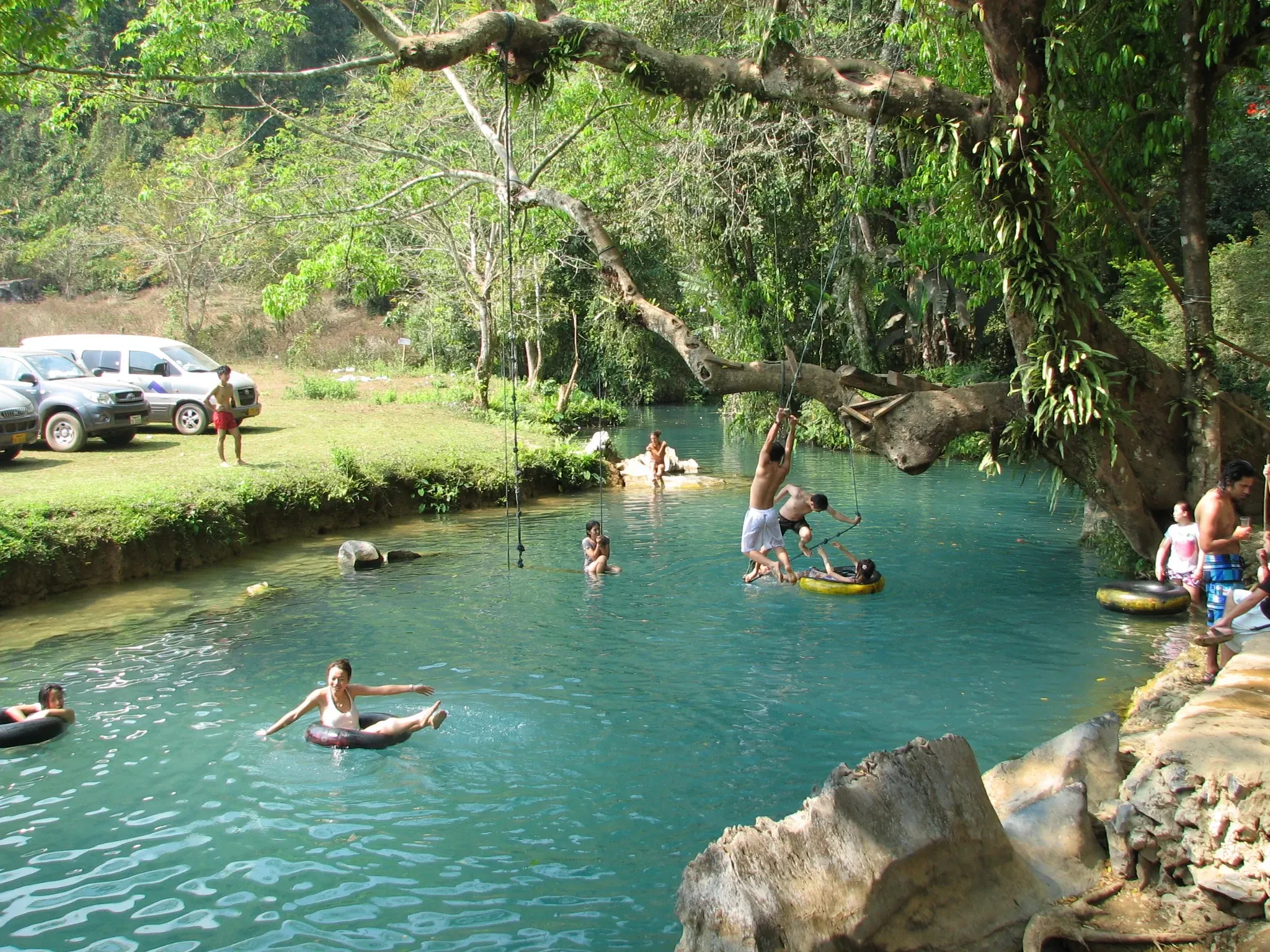
Kayaking the Nam Song, swimming the Blue Lagoons and climbing to a limestone viewpoint fill a couple of days easily, and the Laos-China Railway has cut the journey here from both Luang Prabang and Vientiane to about an hour. Stick to beer or sealed bottles and cans from a licensed shop or bar. In November 2024 six foreign tourists died after a night out in the town, in a case linked to methanol in spirits, and in July 2026 the authorities said they could not formally establish the cause. A hot-air balloon also hit power lines in March 2026, so ask any balloon operator about its safety record. The Vang Vieng guide covers tubing's history, the lagoons and how to do the town safely.
Vientiane
Who it suits: anyone wanting an easy capital stopover, or catching the sleeper train onward to Bangkok. How long: 1 to 2 nights. Best months: year round, cooler and more comfortable November to February.
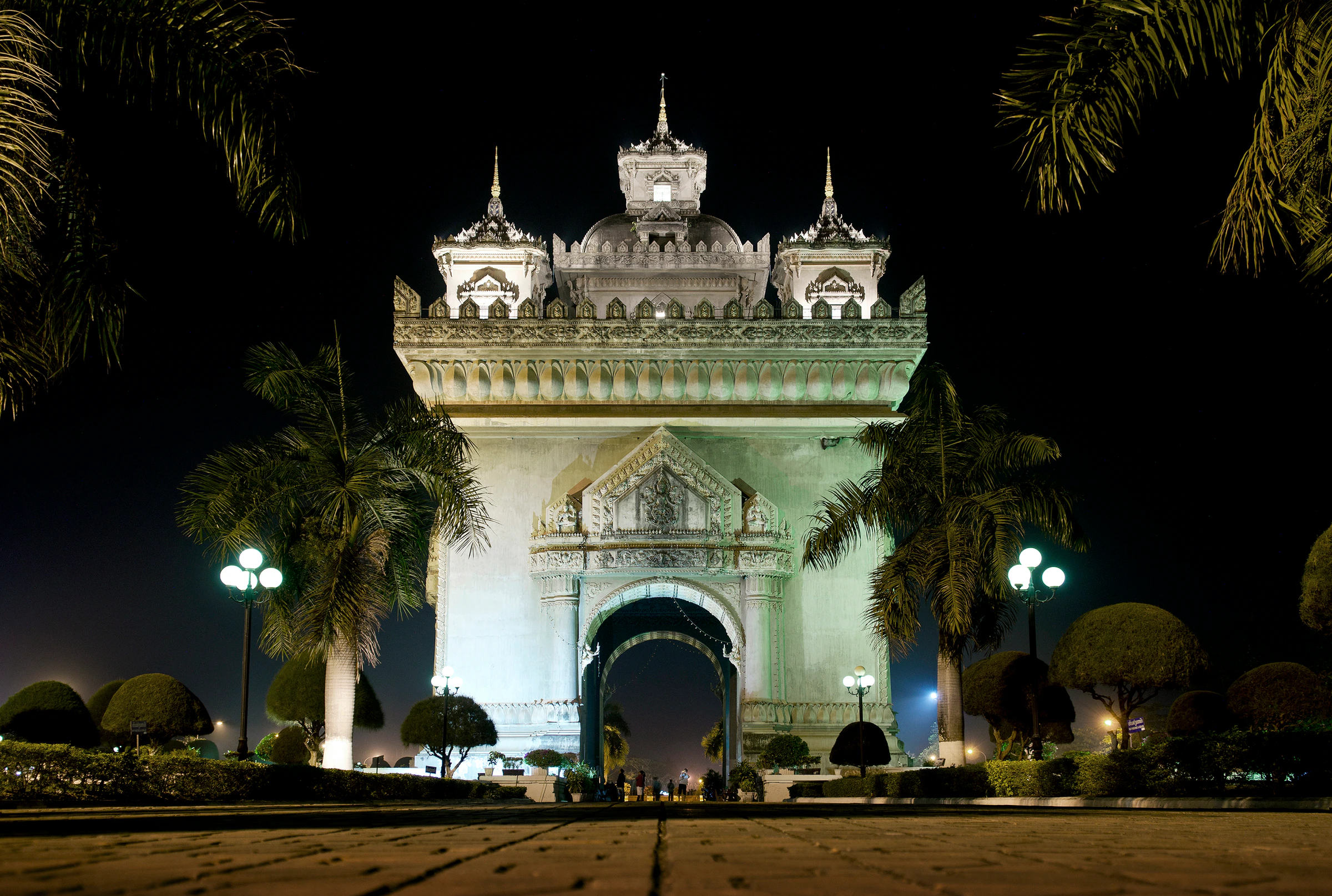
Vientiane is small and low-key as capitals go: Pha That Luang, Patuxai, the COPE Visitor Centre and a riverside night market cover most of it in a day or two. The Vientiane guide has the full list and onward travel options.
Thakhek and Kong Lor
Who it suits: riders after a proper multi-day motorbike loop, and anyone wanting the Kong Lor river cave. How long: 3 to 5 days for the full loop. Best months: November to February, when the loop's roads are driest.
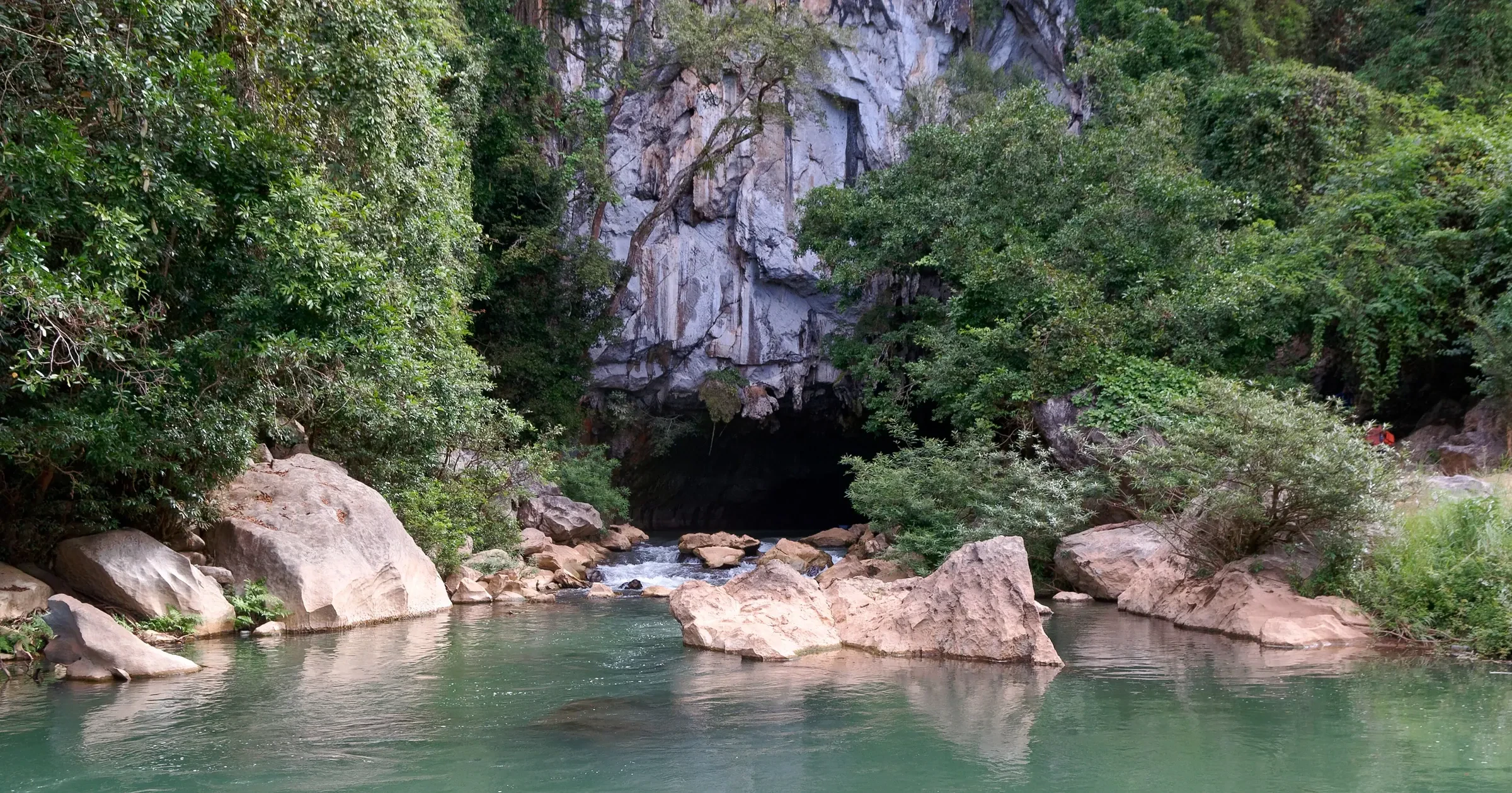
The Thakhek Loop covers around 450 km of karst country, caves and river crossings, with Kong Lor's 7.5 km cave passage as the highlight. It needs a motorbike licence and proper insurance to ride yourself; the Thakhek Loop guide covers the route, costs and what riding here actually requires.
The south: Pakse, the Bolaven Plateau and the 4000 Islands
Laos's far south sees far fewer visitors than the north, which is exactly the appeal for travellers who've already done the busier route.
Pakse
Who it suits: almost everyone heading south, as the region's transport hub rather than a destination itself. How long: 1 night, mostly used to break up onward travel. Best months: November to February.
Pakse is where southern routes start and end. Thakhek is about 350 km away (5 to 7 hours by road) and the sleeper bus from Vientiane takes 10 to 12 hours, with onward transport to the Bolaven Plateau and the 4000 Islands. The Southern Laos itinerary guide covers how to route a week or ten days through the region from here.
The Bolaven Plateau
Who it suits: coffee drinkers, waterfall chasers and riders who want a shorter loop than Thakhek's. How long: 2 to 3 days for the loop from Pakse. Best months: November to February; the loop's dirt sections turn to mud in the wet season, which runs from May to October.
A cooler highland loop past coffee farms and several waterfalls, usually ridden or driven from Pakse over 2 to 3 days. It's covered inside the Southern Laos itinerary guide, and runs on its own as a shorter Bolaven Plateau motorbike trip for anyone who wants just that loop rather than the whole south.
The 4000 Islands (Si Phan Don)
Who it suits: travellers wanting a slow, low-key few days to close out a Laos trip. How long: 2 to 3 nights. Best months: November to February.
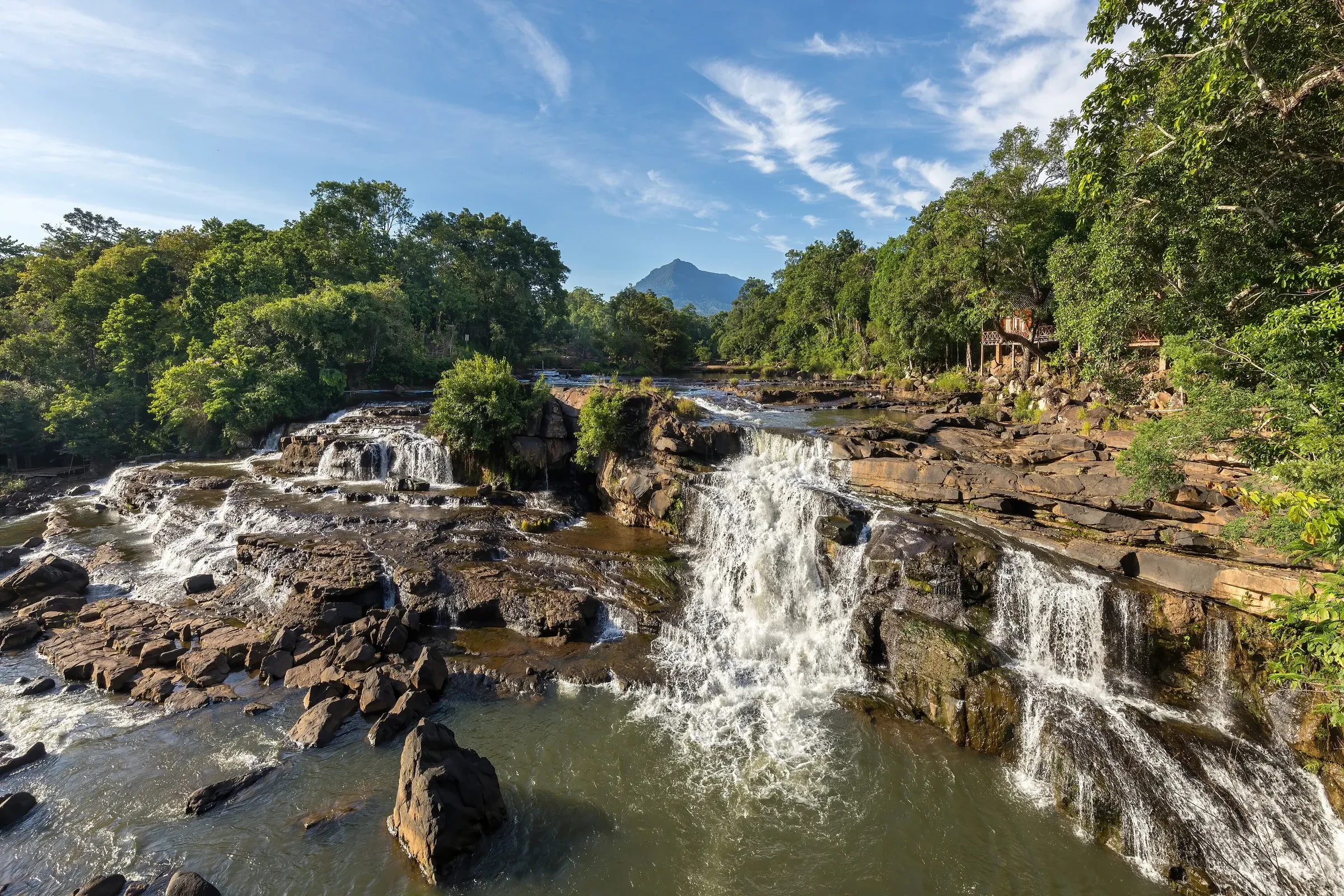
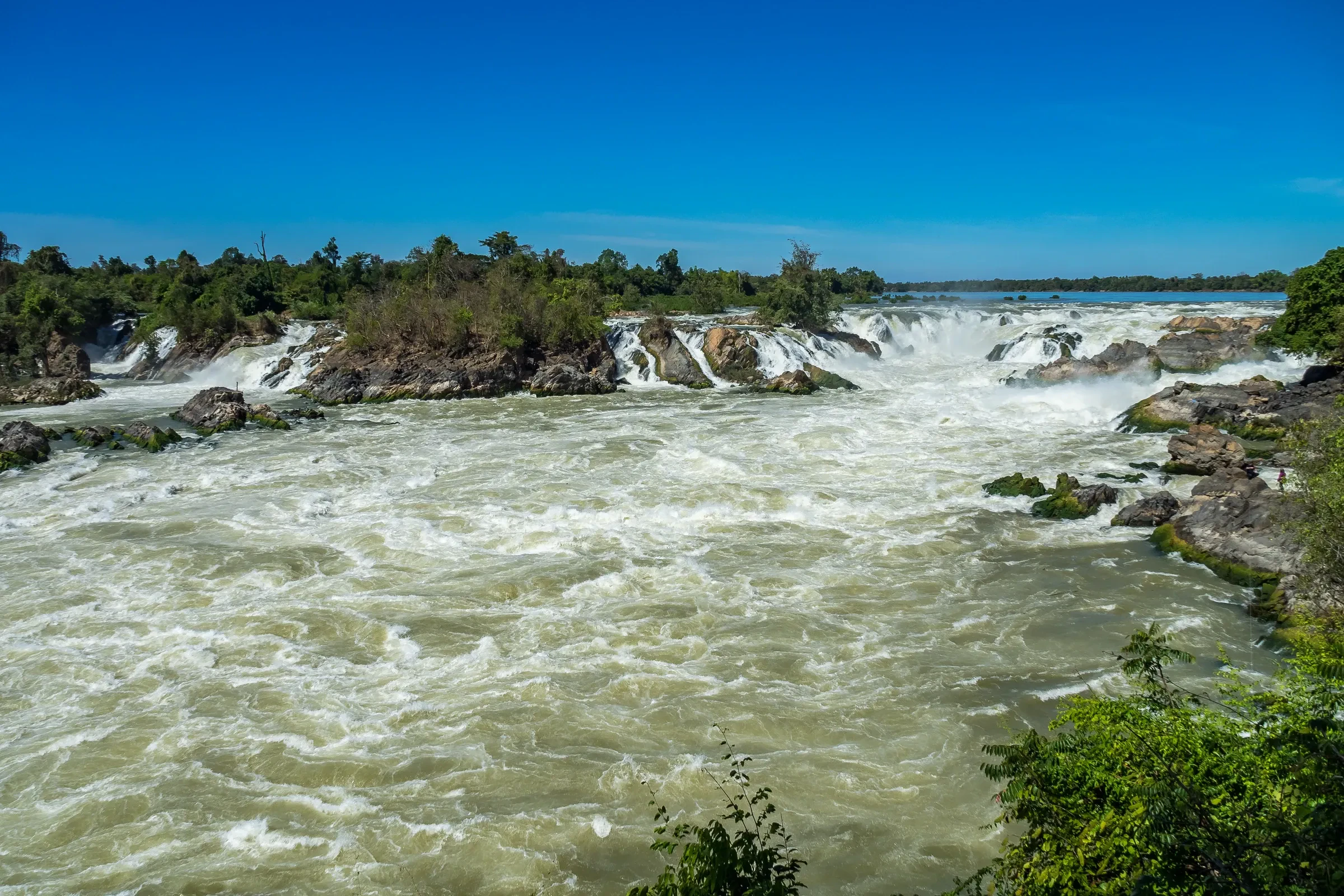
Si Phan Don, right on the Cambodian border, is a scatter of Mekong river islands where Don Det and Don Khon are the places to base yourself, plus the wide Khone Phapheng Falls nearby. Worth knowing before you go: the Irrawaddy dolphins that older guides mention near Don Khon are gone. The last one in that stretch of river died in February 2022, so don't pay for a boat trip sold as dolphin watching on the Lao side. The 4000 Islands guide covers Don Det versus Don Khon and getting there from Pakse.
Choose by interest
| If you want... | Go to |
|---|---|
| Temples, food and an easy first stop | Luang Prabang |
| Quiet river and karst scenery, minimal planning | Nong Khiaw |
| Multi-day trekking | Luang Namtha |
| History and UNESCO sites off the usual route | The Plain of Jars |
| Kayaking, lagoons and an active couple of days | Vang Vieng |
| An easy capital stopover | Vientiane |
| A proper motorbike loop and cave adventure | Thakhek and Kong Lor |
| Coffee farms and waterfalls | The Bolaven Plateau |
| Slow river days to end a trip | The 4000 Islands |
Keep planning
For full day-by-day routes that link these places together, see the Laos itinerary hub, which breaks routes down by length from 1 week to 1 month. For what to actually do once you're in each place, see our things to do in Laos guide. If food is what's driving your route, our Lao food guide covers what to eat and where. Planning around a specific date? Check the Laos festivals calendar. If you're still weighing up whether the old Mekong route from Thailand is worth the extra days, our Mekong slow boat guide lays out what it actually involves. And before you book anything, the Laos visa guide covers entry rules and how to get there.
Prefer to travel with a group rather than stringing this together solo? See our Laos group trips.