What makes Vientiane worth a stop
Next to Luang Prabang's old town or Vang Vieng's karst scenery, Vientiane is often the one people skip, and that's fair, up to a point. It's a workaday capital of wide boulevards and government buildings rather than a headline sight. But it earns its place at the end, or the start, of a Laos route: a museum most travellers say adds real context to the country, a gold stupa that's the national symbol, and an easy riverfront walk with sunset views across the Mekong to Thailand.
What to see in Vientiane
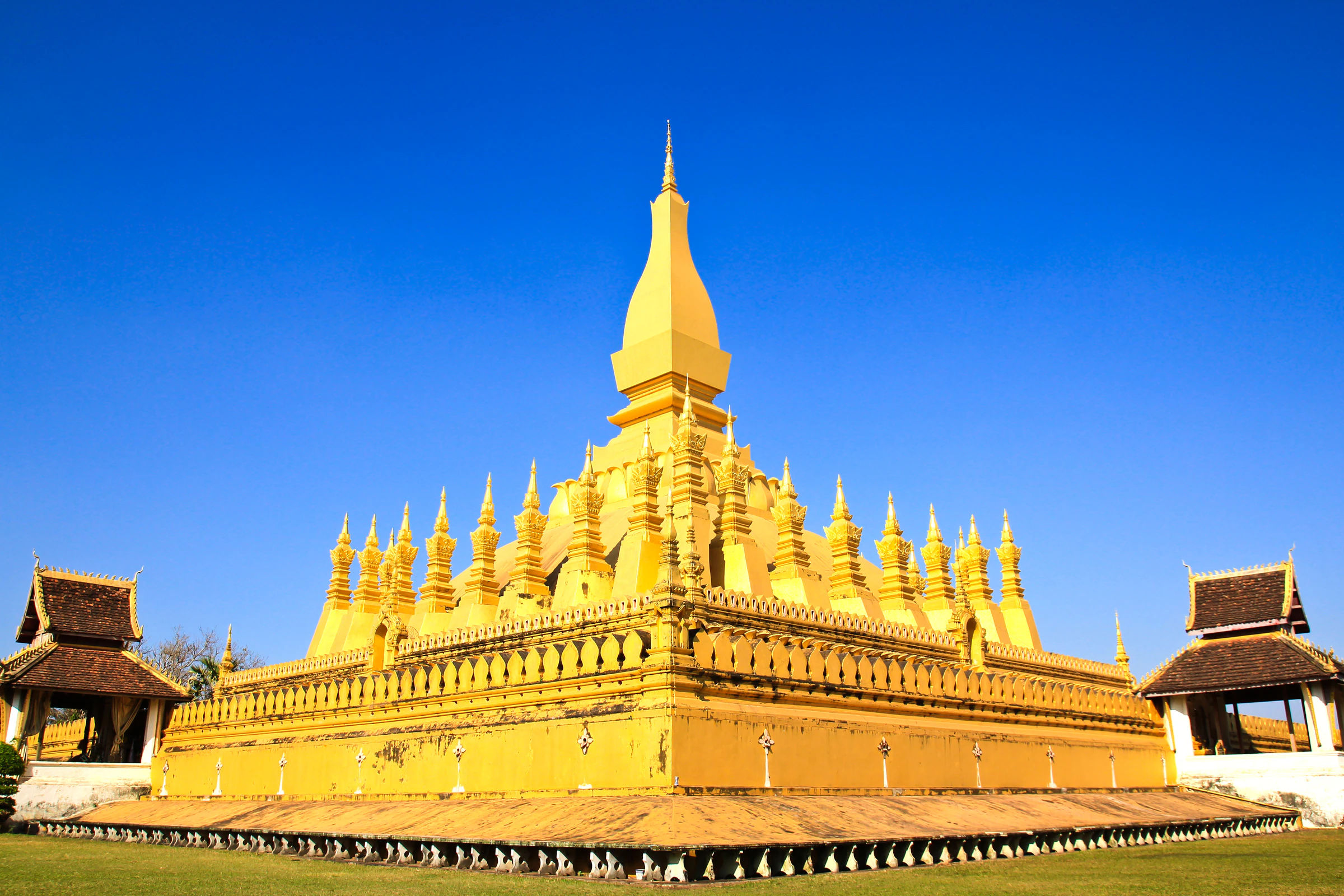
Pha That Luang
Laos's most important national monument: a gold-covered Buddhist stupa said to hold a relic of the Buddha, and the country's national symbol (it appears on the national emblem). It's open Tuesday to Sunday, about 8am to 5pm with a lunch break, and closed on Mondays. Foreigners' entry fees are reported anywhere from 5,000 to 30,000 kip, so carry small notes. It also hosts Boun That Luang, the country's biggest religious festival, usually in November. See our Boun That Luang guide for dates and what happens.
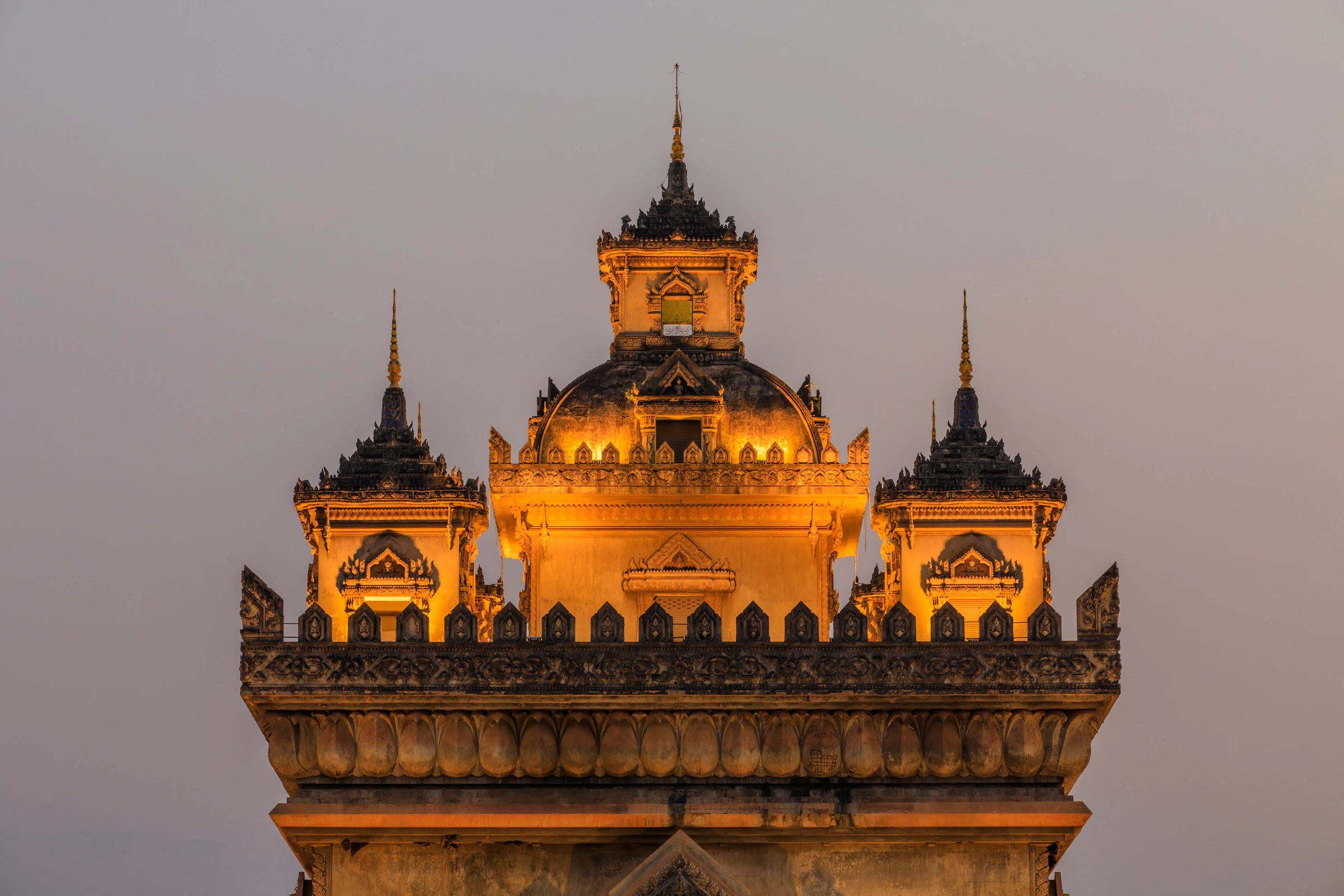
Patuxai
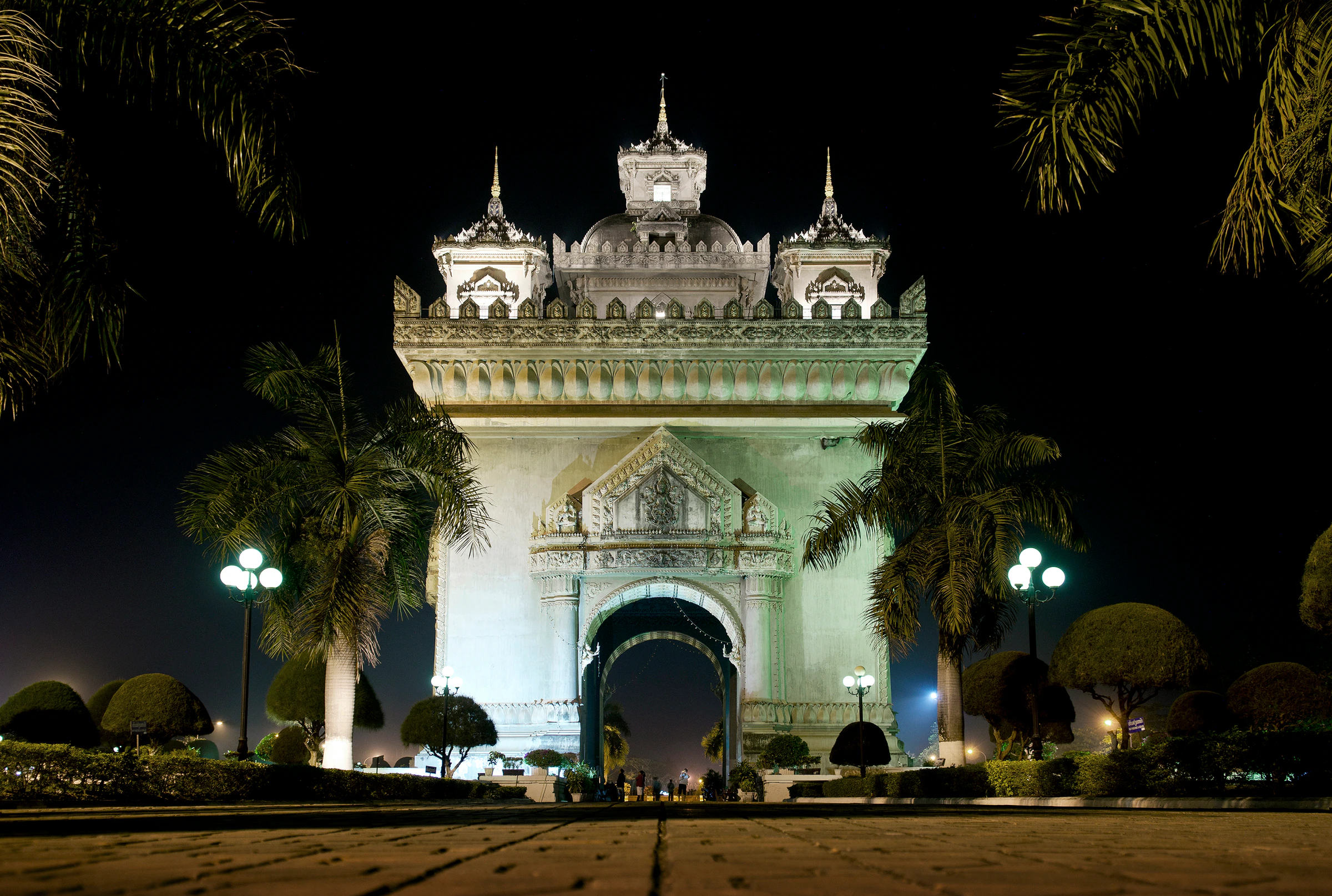
Vientiane's Arc de Triomphe-style war memorial has an odd backstory. It was built in the late 1950s from cement the US had sent to extend the runway at Vientiane's military airport, which the Royal Lao government diverted into a monument instead. It's a short walk from the centre and looks best lit up at night. Walking through the arch and the park around it is free; a small fee gets you up the stairs to the viewing deck.
Wat Si Saket and Haw Phra Kaew
Two small sights close together in the old centre. Wat Si Saket, built in 1818, is known for the thousands of tiny Buddha images set into its cloister walls. Haw Phra Kaew, nearby, is a former temple that now works as a museum of Buddhist art. Both charge a small fee (listings give 5,000 kip) and close for lunch. Wat Si Saket opens daily; Haw Phra Kaew is shut on Mondays.
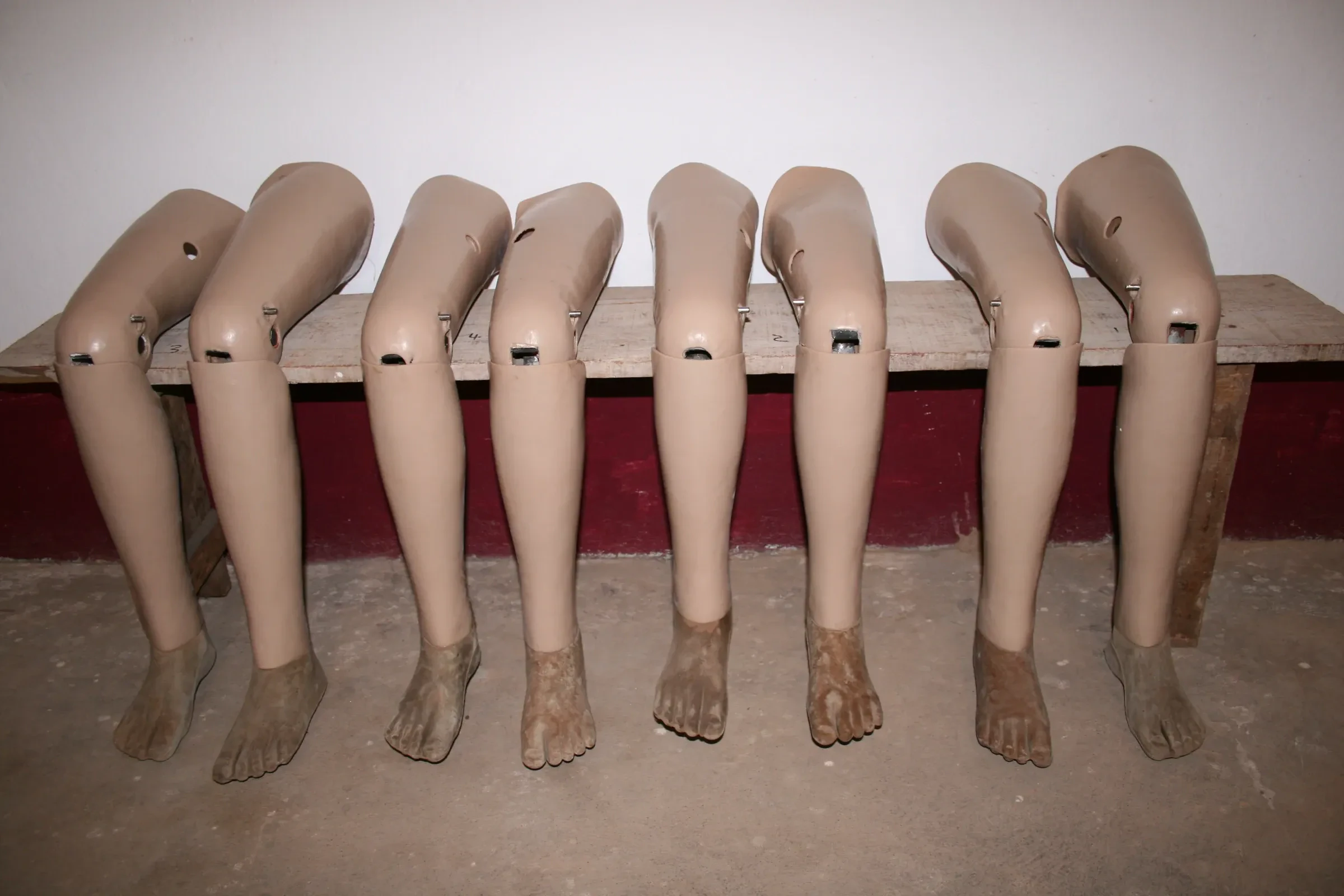
The COPE Visitor Centre
A sobering museum on the legacy of unexploded ordnance from the bombing of Laos during the Vietnam War. Entry is free (it's donation-based), and it's open daily 8:30am to 4pm, closed on major Lao holidays such as Lao New Year. Go before lunch if you have an afternoon bus or flight.
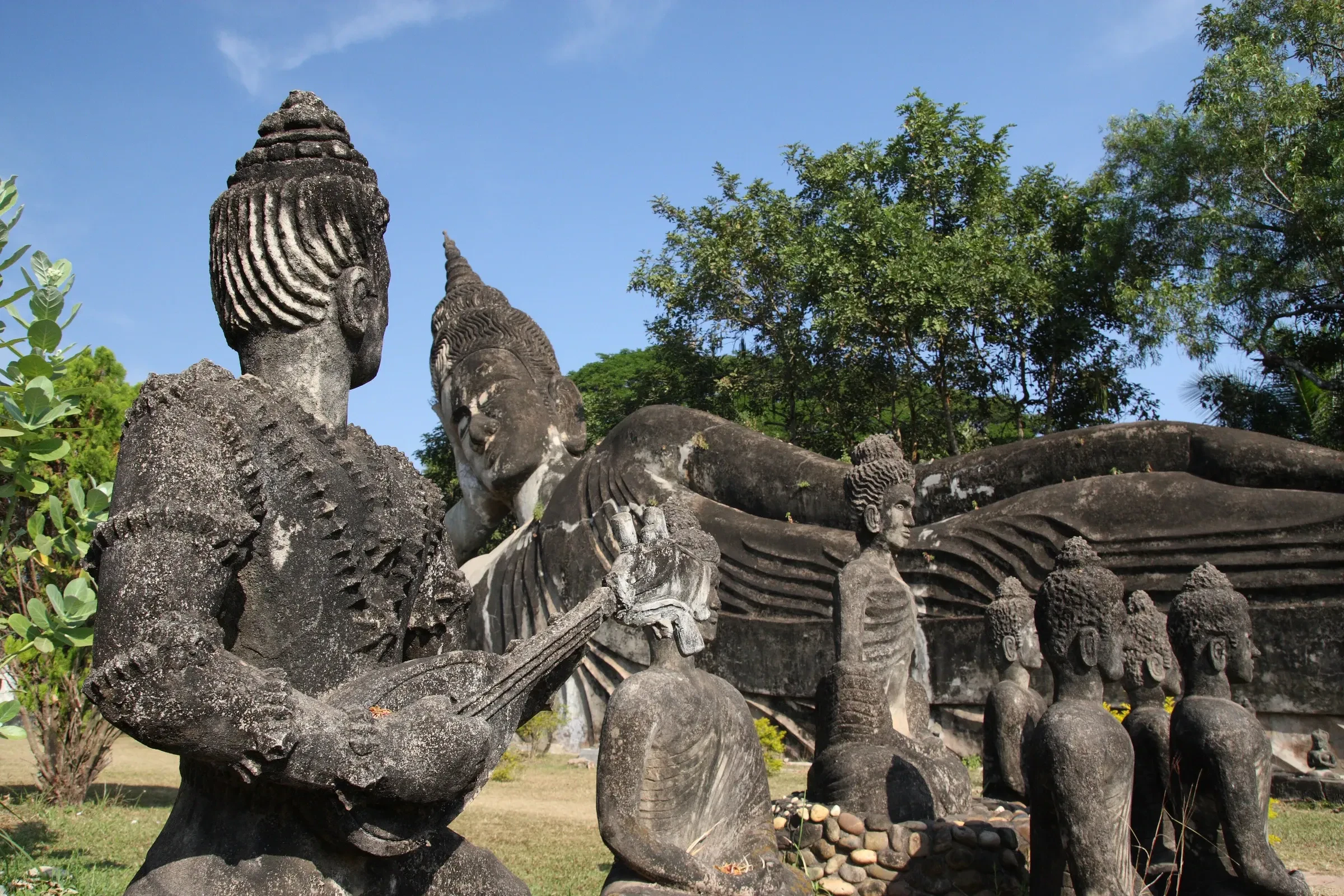
Buddha Park (Xieng Khuan)
A field of concrete Buddhist and Hindu sculptures about 25km southeast of the centre, best done as a half-day trip by tuk-tuk or shared songthaew. There's a foreigner entry fee, but listings disagree on the amount (anything from about 15,000 to 60,000 kip), so confirm it on the day. Most listings give opening hours of about 8am to 4pm or 5pm.
The night market and Chao Anouvong Park
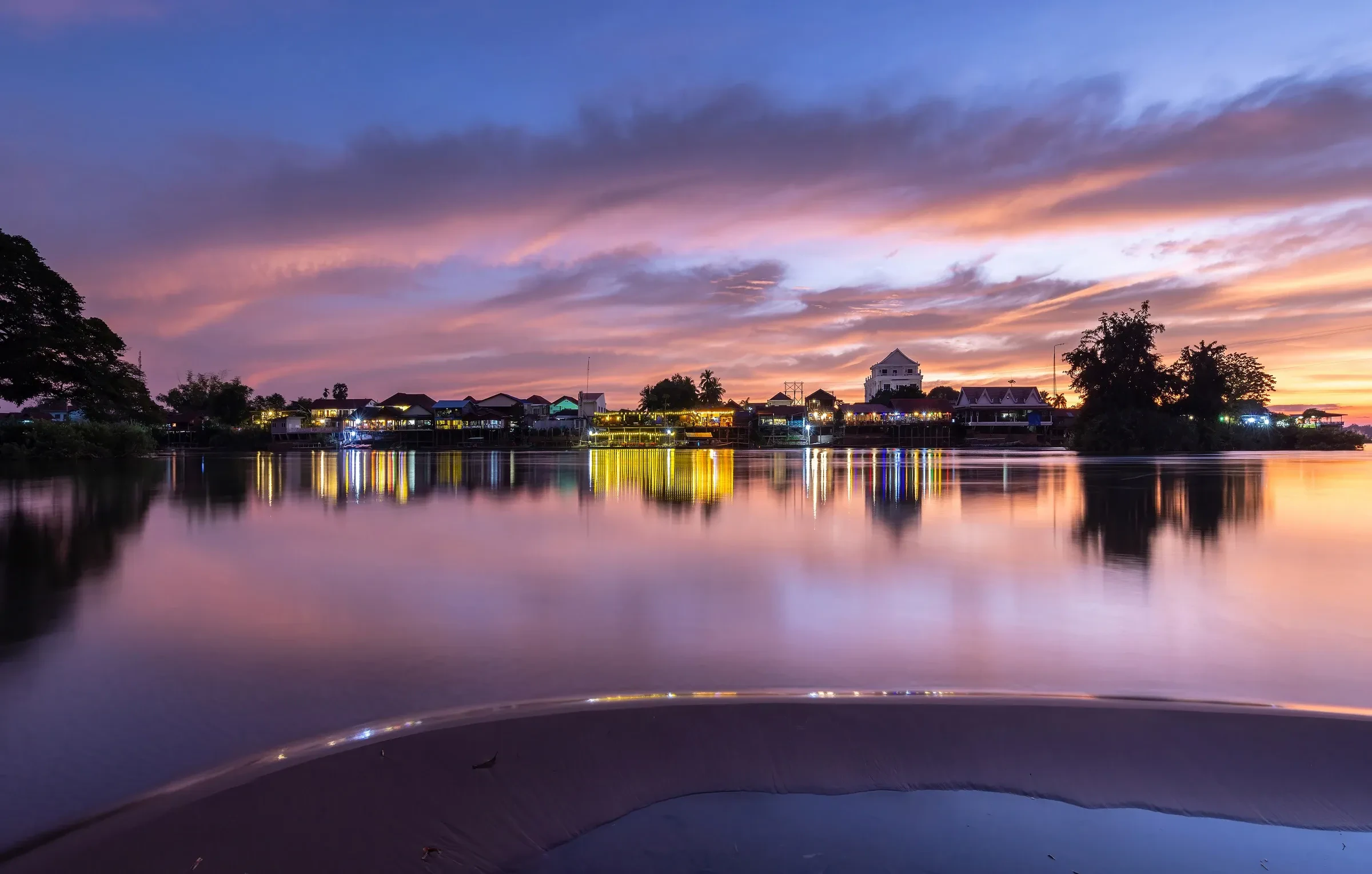
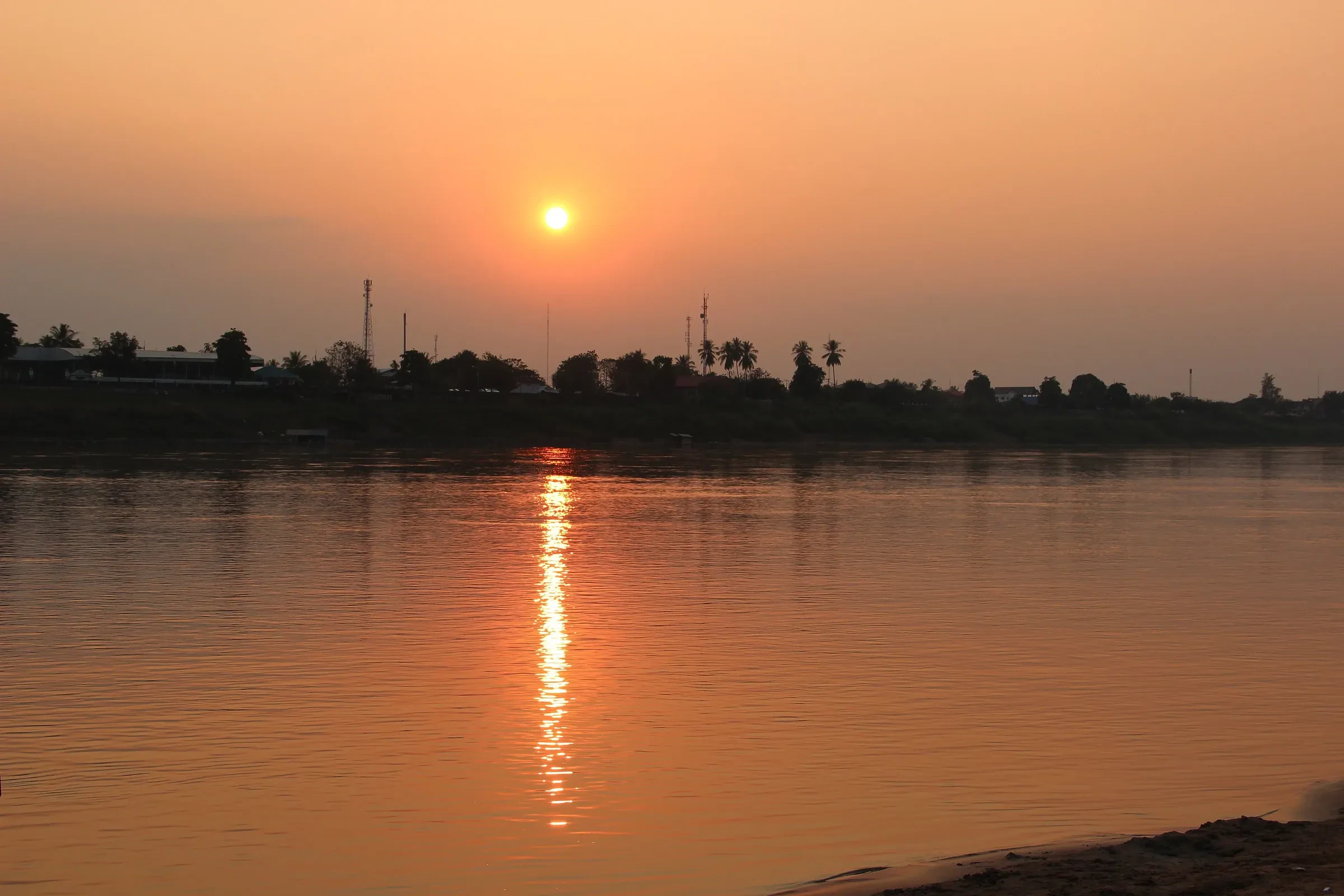
The riverside night market strip is the easy evening option: stalls of Lao street food and handicrafts along the Mekong. Chao Anouvong Park, just along the riverfront, is where locals and travellers gather for sunset, looking across to Thailand on the far bank. Get there by 5pm for a bench with a clear view.
What to eat in Vientiane
Order laap, Laos's national dish, a herby minced meat salad with lime, fish sauce and toasted rice powder, at a local restaurant rather than a tourist-facing one. Round it off with a Beerlao by the river. For a fuller rundown of Lao dishes, see our Lao food guide.
The Laos-China Railway connection
The Laos-China Railway (LCR), completed in December 2021, is the reason Vientiane now works as a quick stop rather than a dead end. Fast trains link Vientiane, Vang Vieng and Luang Prabang, about 2 hours end to end, several times a day. A 2nd-class ticket from Vientiane to Luang Prabang costs about 360,000 kip, and Vientiane to Vang Vieng about 170,000 to 190,000 kip. Tickets are released only a few days ahead (reports say 3 to 7) on the LCR Ticket app, and they sell out in high season, so book as soon as your dates are fixed.
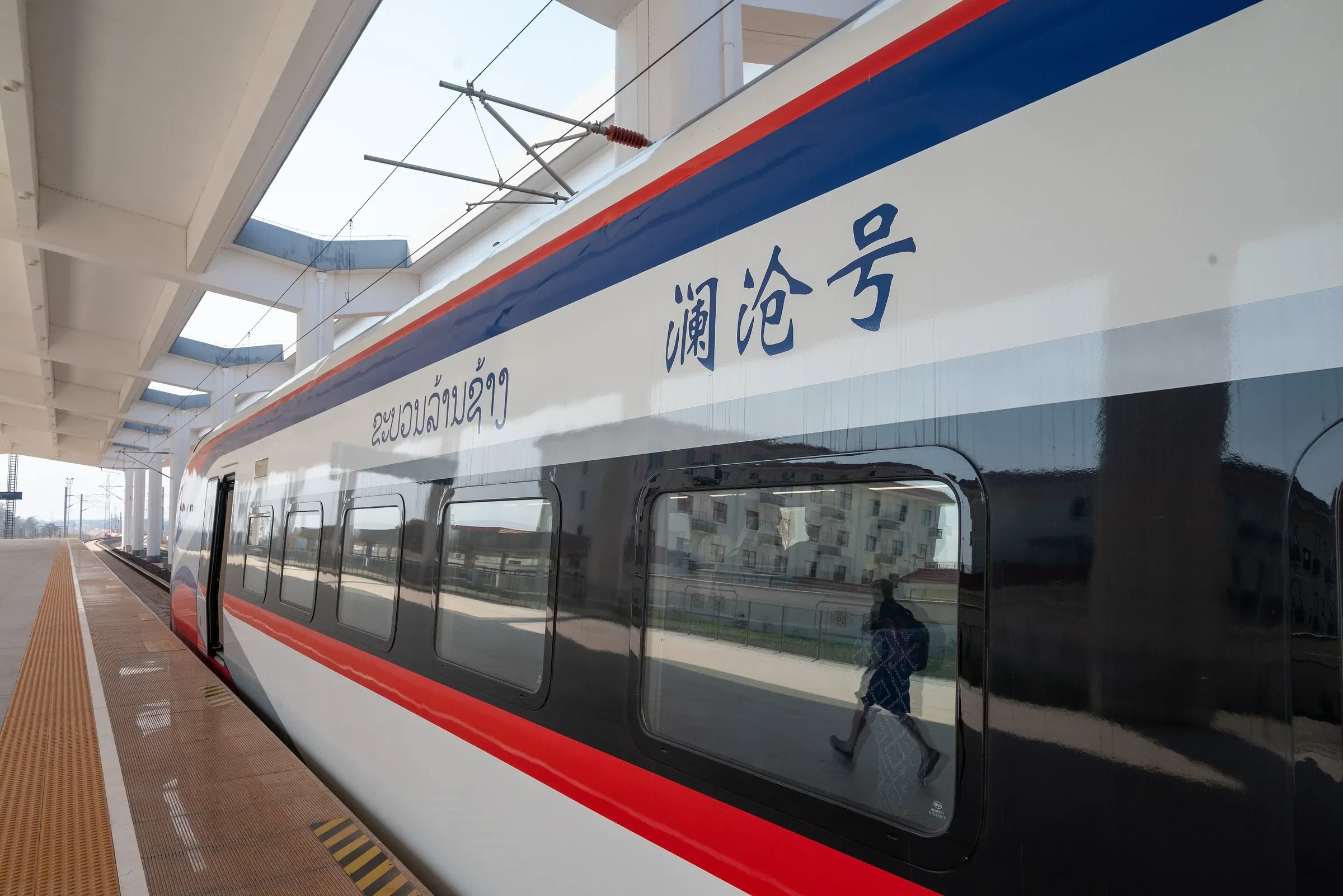
One thing to plan around: Vientiane's LCR station is about 14km outside town, roughly a 30 minute tuk-tuk or taxi ride. Agree the fare before you get in, since drivers waiting at the station tend to ask well over the going rate. Bring your passport for every journey; security at LCR stations is airport-style, with the usual restrictions on knives, aerosols and lighters.
This is a different station from Khamsavath, the Thai-Lao railway terminus about 4km from the centre, near Pha That Luang, which the Nong Khai trains and the Bangkok sleeper use. Don't mix the two up when you're planning a pickup or an onward taxi.
How long to spend in Vientiane
One full day is enough for Pha That Luang, Patuxai and the COPE Visitor Centre, with an evening at the night market and Chao Anouvong Park. Give it two days if you also want Buddha Park, or if you're arriving on an evening train and want a proper morning rather than a rushed half day before an onward departure. Most itineraries that include Vientiane, ours among them, treat it as the last stop of a Luang Prabang and Vang Vieng route rather than a base in its own right. See our Luang Prabang, Vang Vieng and Vientiane guide for how that fits together over a week or 10 days.
Getting to Vientiane
Wattay International Airport has direct flights from Bangkok (Don Mueang, with Thai AirAsia, from around US$80 one way) and from Hanoi and Singapore. It's a short ride from the centre: the airport taxi counter lists about 57,000 kip for a sedan in 2026 listings, and tuk-tuk drivers outside quote more, so agree the price first. Overland, the Thai-Lao Friendship Bridge at Nong Khai is the main road crossing from Thailand. Trains from Nong Khai and the Bangkok sleeper both end at Khamsavath station, about 4km from the centre. For full visa and border details, see our Laos visa guide.
Getting on to Vang Vieng and Luang Prabang
From Vientiane, the LCR is the way to go: about 50 to 55 minutes to Vang Vieng, and around 2 hours through to Luang Prabang, against a bus ride that reports put at 8 to 11 hours. Buses still run and cost less, but with fast trains several times a day, most solo travellers now take the train unless tickets have sold out. See our Vang Vieng guide and Luang Prabang guide for what to do once you arrive.