February
Sayaboury Elephant Festival
1 to 28 February 2027 (expected) · Sayaboury (Xayaboury) province
A festival of elephant parades and a blessing ceremony, run partly to raise money for Laos's shrinking elephant population.
April
14 to 16 April 2027 (expected) · Luang Prabang and Vientiane
Laos's April new year, opening with Buddha-image-washing ceremonies before giving way to citywide water fighting.
October
Boun Ok Phansa and the boat races
26 to 27 October 2026 (expected) · Luang Prabang (illuminated boat processions) and Vientiane (dragon-boat races)
Marks the end of Buddhist Lent, with illuminated boats floated down the Mekong at dusk followed by long-boat races.
November
21 to 24 November 2026 · Vientiane, around the That Luang stupa
Laos's most important national religious festival, a week of monk processions and a candlelit walk around the golden stupa.
December
Hmong New Year
1 to 15 December 2026 (expected) · Hill-tribe areas of northern Laos, notably around Luang Prabang and Xieng Khouang
A harvest and new year celebration among Laos's Hmong minority, with a courtship ball-tossing game and family feasting.
Laos's festival calendar is smaller and quieter than its neighbours', but what's here is distinctive: a national water fight timed to the same new year as Thailand's Songkran, a candlelit walk around the country's most sacred stupa, and a Mekong festival of illuminated boats that most visitors have never heard of. Here's what's on each month, what it's actually like, and how to plan a trip around it.
How Laos's festival dates are set
Pi Mai Lao, the Lao New Year, belongs to the same family of festivals as Thai Songkran and Cambodian Choul Chnam Thmey: it's fixed close to the solar new-year point in mid-April and barely drifts from year to year. Boun Ok Phansa and Boun That Luang both follow the shared Theravada Buddhist lunar calendar, falling on the full moons of the 11th and 12th lunar months respectively, about a month apart, so their exact dates shift each year the way Thailand's Loy Krathong does. Hmong New Year follows the Hmong lunar calendar but is set locally by each village rather than by any national announcement, so it plays out over a loose window rather than a single date. The Sayaboury Elephant Festival has no calendar rule at all: its organisers announce the dates only a few weeks ahead, usually for February. The 2026 festival ran from 9 to 16 February.
February
The Sayaboury Elephant Festival brings elephant parades, student performances and merit-making ceremonies to Sayaboury (Xayaboury) province, and it celebrates the elephant as Laos's national animal. The 2026 edition ran from 9 to 16 February, with the official opening on Saturday 14 February and about 50 elephants taking part.
It's also a debated event. The programme has included elephant rides and performing elephants, and the welfare concerns around both are part of the conversation in Laos. We'd skip the rides, and if elephants are why you're visiting, an observation-only sanctuary is a better choice. The province announces exact dates only a few weeks ahead, so the 2027 dates aren't known yet (it's usually February).
April
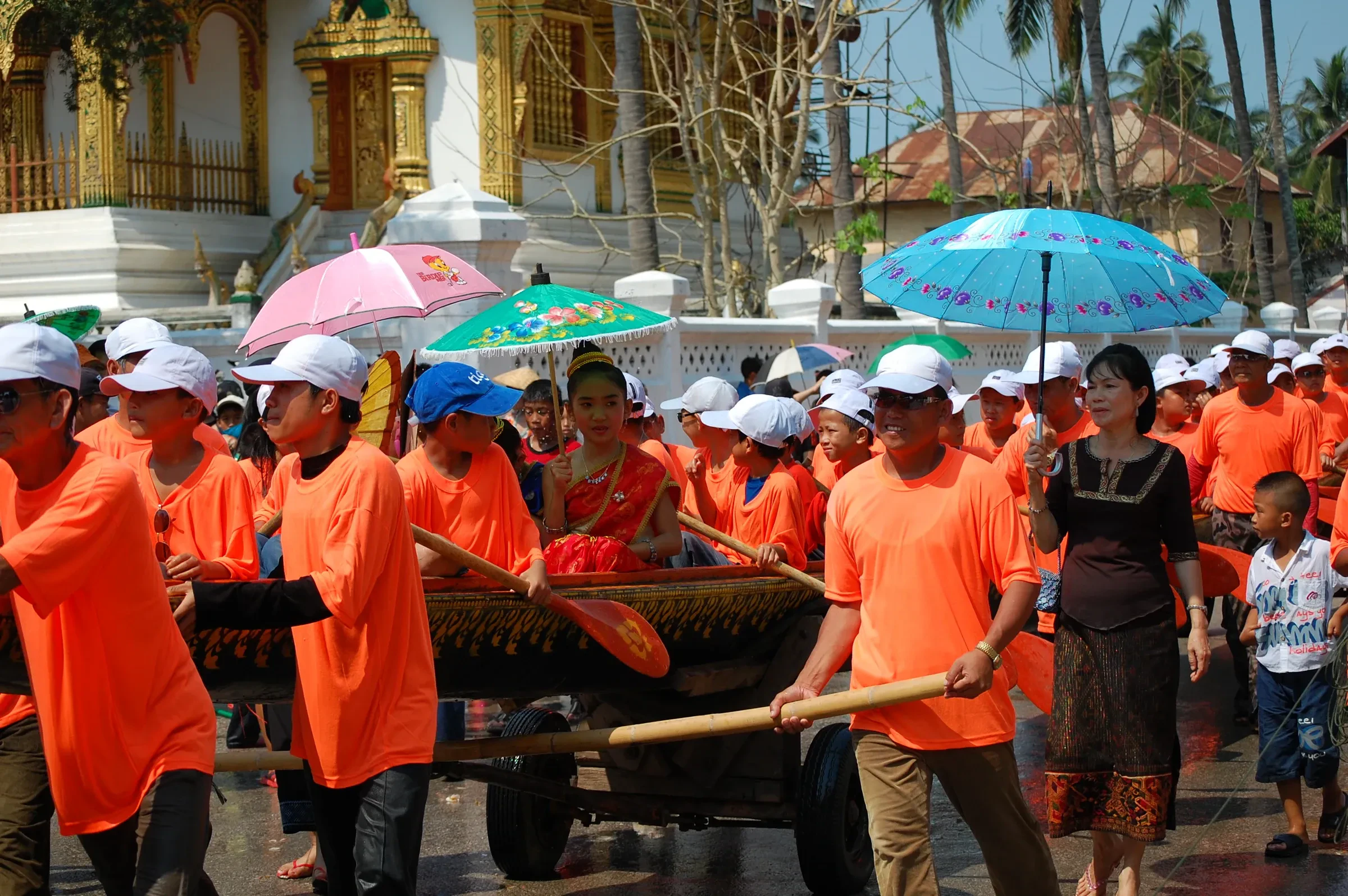
Pi Mai Lao, the Lao New Year, opens with quieter Buddha-image-washing ceremonies before giving way to the citywide water fighting most visitors picture, with Luang Prabang and Vientiane the two biggest and most visitor-friendly places to be. It falls in mid-April with little year-to-year drift, which makes it one of the easiest Laos festivals to plan a trip around. In 2026 the public holiday ran from 14 to 16 April, and Luang Prabang's own celebrations stretched from 11 to 20 April. The 2027 holiday is expected on 14 to 16 April.
October
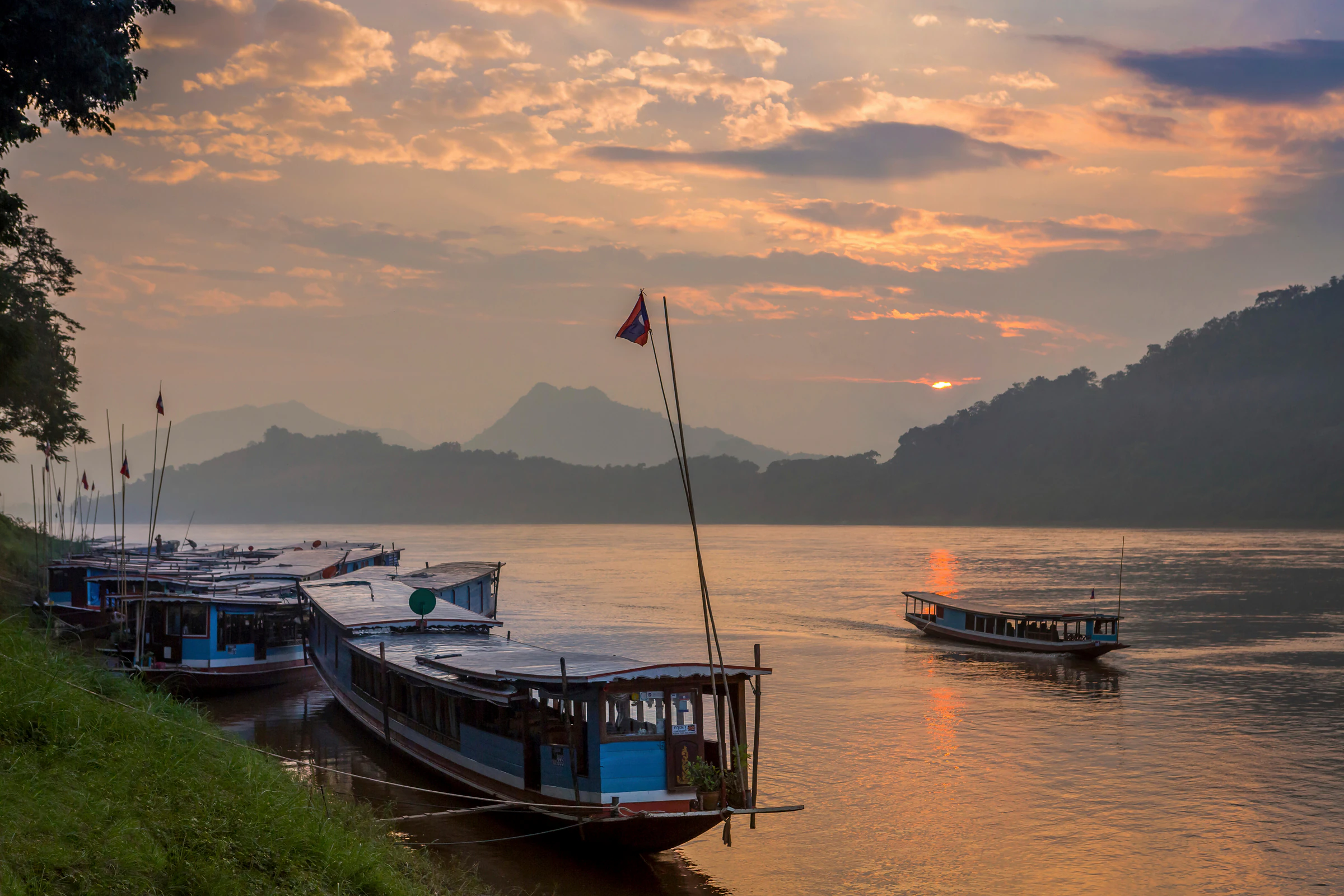
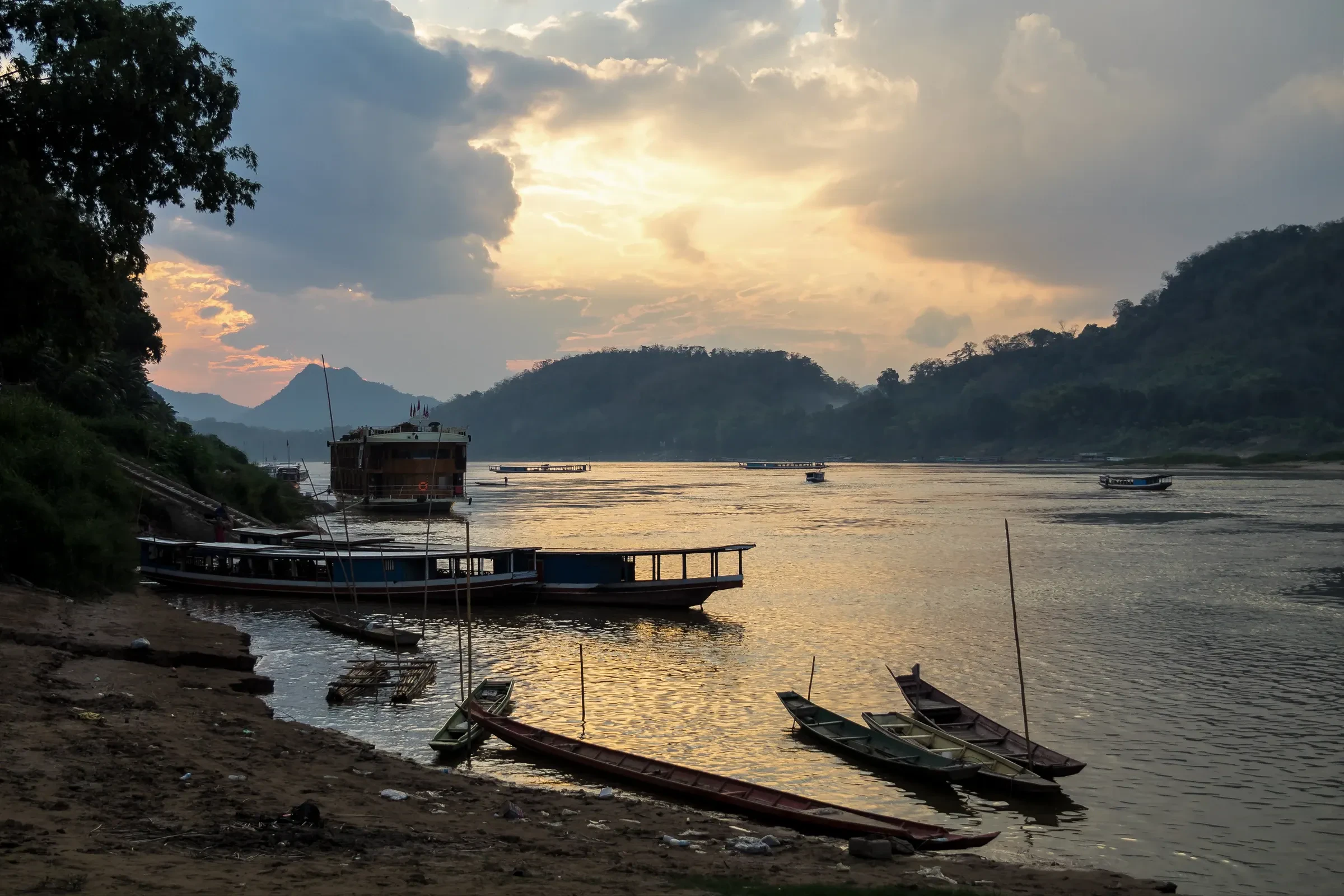
Boun Ok Phansa marks the end of Buddhist Lent, with illuminated boats floated down the Mekong at dusk in Luang Prabang, followed by long-boat races on the river in Vientiane. It's a gentler, less internationally known cousin of Thailand's Loy Krathong, falling on the same shared Buddhist lunar calendar about a month before Boun That Luang. In 2026 the end of Lent is expected on 26 October, with the Vientiane boat races on 27 October. Local dates can vary by a day, so confirm in town.
November
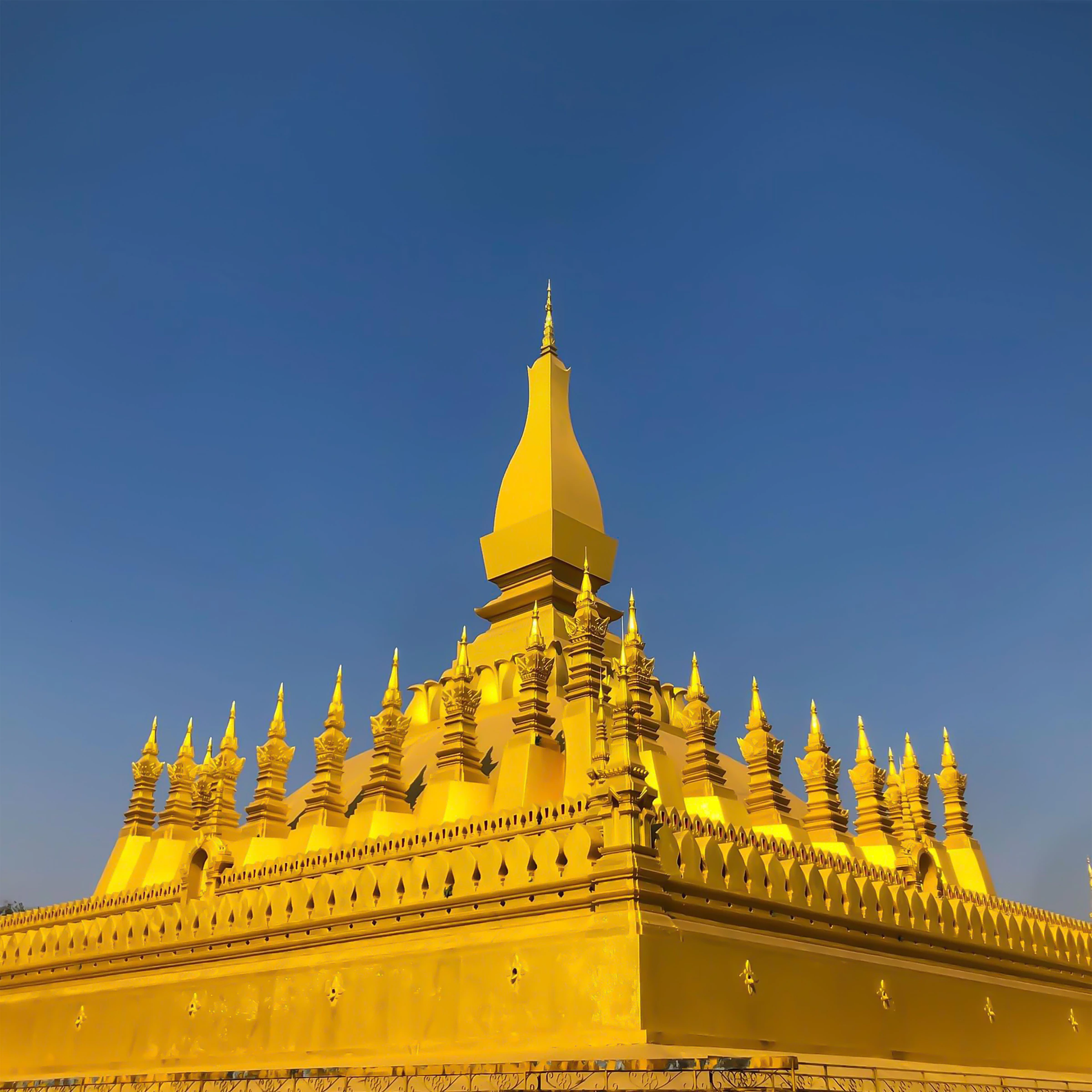
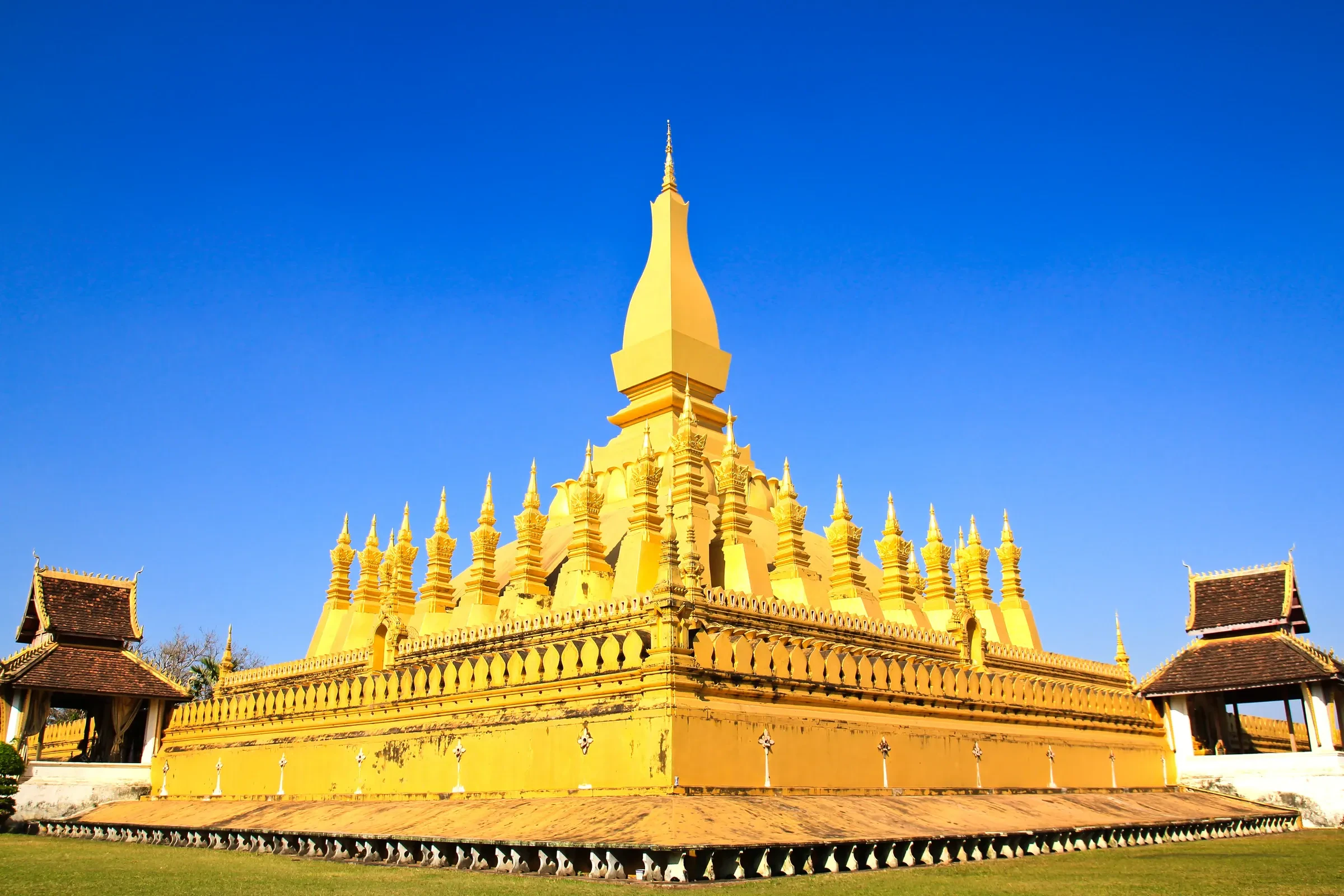
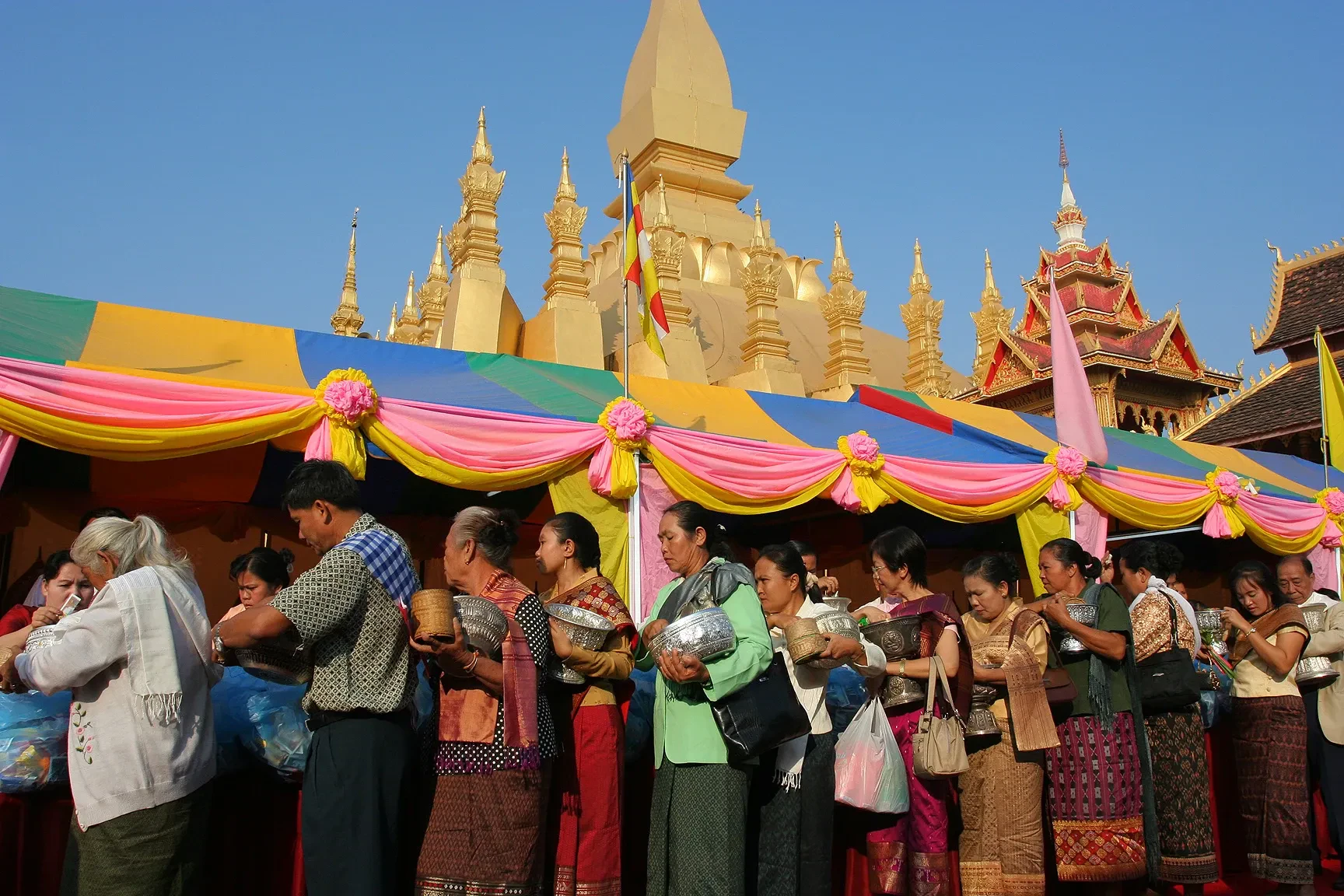
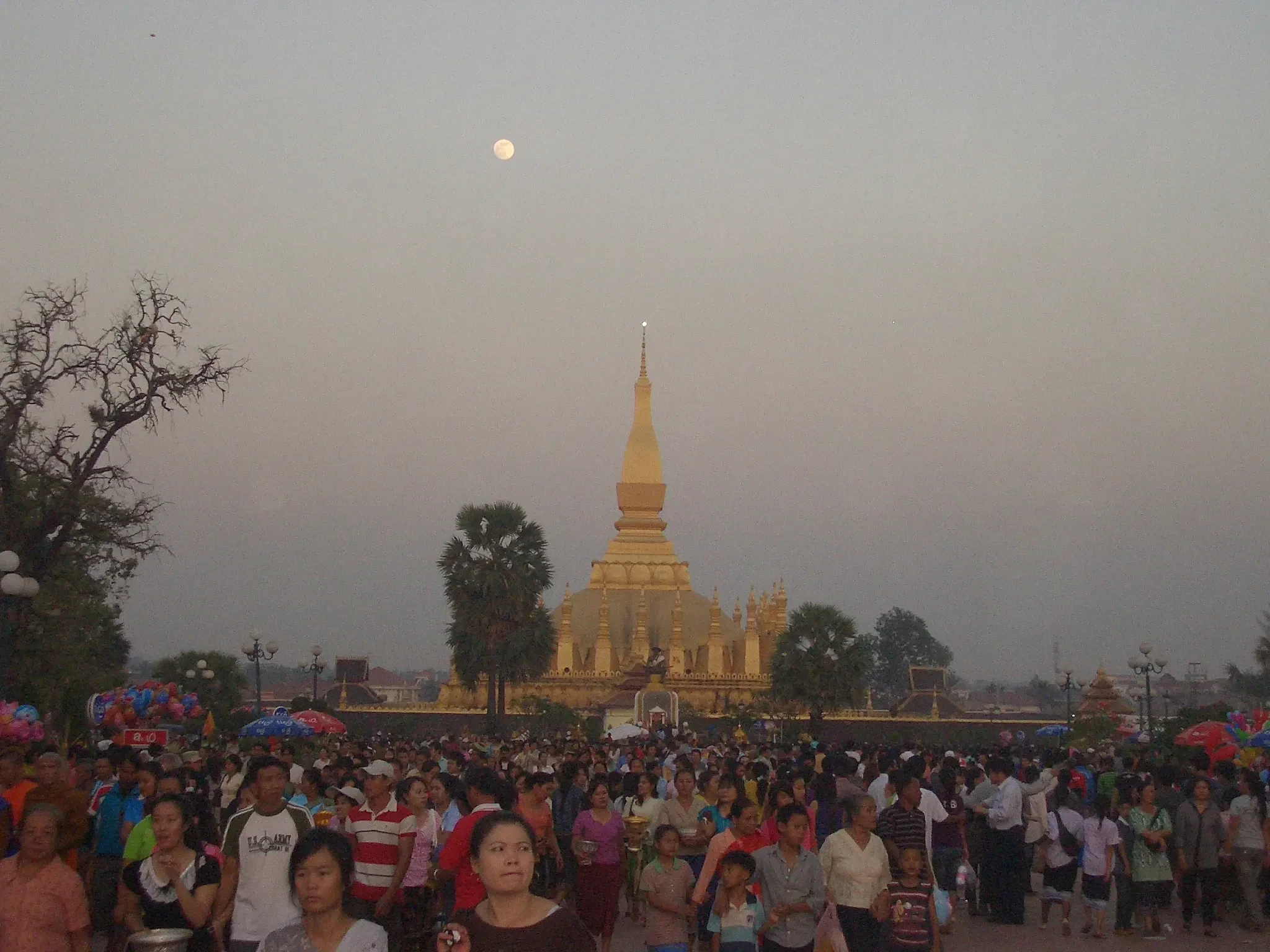
Boun That Luang, Laos's most important national religious festival, fills Vientiane for a week around the golden That Luang stupa: a trade fair for several days beforehand, then dawn alms-giving, wax castle processions and a candlelit walk around the stupa on the final night. It falls on the same lunar month as Thailand's Loy Krathong, and the 2026 festival climaxes on 24 November, with the festival and trade fair listed from 21 to 24 November.
December
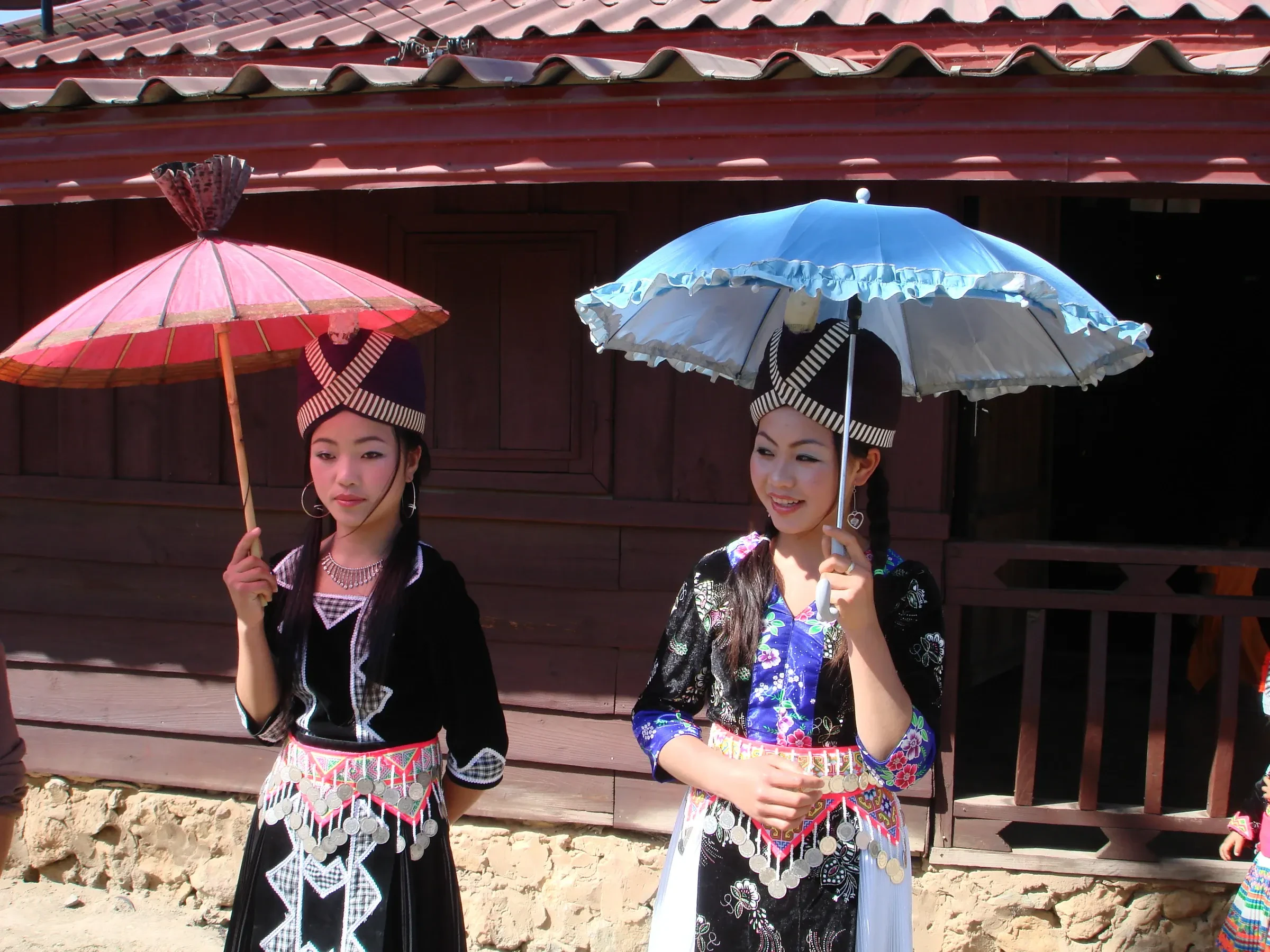
Hmong New Year brings a harvest and new year celebration to hill-tribe areas of northern Laos, notably around Luang Prabang and Xieng Khouang, with a courtship ball-tossing game and family feasting. Because each village sets its own date, there's no single national schedule to check, so ask locally if you want to catch a specific village's celebration. Any 2026 window is a broad estimate, roughly 1 to 15 December.
Planning a trip around a festival
Book Luang Prabang and Vientiane hotels early for Pi Mai Lao and Boun That Luang. Both draw domestic and international visitors to the same handful of towns, and rooms fill and prices rise as the dates approach.
Pi Mai Lao's real danger is the roads, not the water. As with Songkran across the border, avoid riding a motorbike during the three days of water fighting, and keep your phone in a waterproof pouch.
The Sayaboury Elephant Festival and Hmong New Year can't be booked far in advance in the usual sense. Both are set close to the time, either by organisers or by individual villages, so check for a firm date only a few weeks or months out rather than planning a trip around them a year ahead.
Boun That Luang's final night draws dense, candlelit crowds. Keep valuables close, agree a meeting point if you're travelling with others, and watch your footing around everyone else's open flames during the walk.
Dress and behave with the occasion in mind. Cover shoulders and knees at temples and during Boun That Luang's ceremonies, and remember that Hmong New Year is a family and community occasion rather than a staged event for visitors.
Which festival suits you
| You want | Try |
|---|---|
| A no-holds-barred party | Pi Mai Lao's water fights in Luang Prabang or Vientiane |
| A calm, reverent evening | Boun That Luang's candlelit walk around the golden stupa |
| Something few foreign visitors have seen | Boun Ok Phansa's illuminated boats on the Mekong |
| Elephants, with caveats | The Sayaboury Elephant Festival, though it includes rides and performances |
| Genuine hill-tribe culture | Hmong New Year in a northern Laos village |