6 stops
- Bus
- Motorbike
Is this route for you?
This is a route for people who actually want to ride, not just reach Kong Lor Cave by the easiest means available. Unlike the Luang Prabang cluster or the Mekong slow boat, there's no comfortable minivan alternative that covers the same ground: renting and riding a motorbike is close to the whole point. The main route is sealed, but side tracks and the road into Kong Lor village can be rough, and some pump-to-pump gaps are long, so it suits riders who've handled a motorbike before, not a total first-timer on their first day abroad.
If that's not you, two other Laos routes get you the same region without the riding: the Luang Prabang to Vientiane railway route stays in the north, and a Southern Laos itinerary covers Pakse and the 4000 Islands by bus and boat instead.
Day by day
Gear, paperwork and one last city night
Vientiane
- Morning
- check your motorcycle licence and International Driving Permit are both in your daypack, not checked luggage, and rent or buy a proper helmet if your rental in Thakhek won't guarantee a good one. Afternoon: a walk along the Mekong riverfront and through the older French quarter. Evening: an early dinner and night, since the bus south starts early.
Eat khao piak sen, a thick rice-noodle chicken soup, from any of the riverfront stalls
Local tip pack light and waterproof: panniers on a rented bike are small, and rain gear is far easier to buy in Vientiane than on the loop itself.
Arrival and the bike handover
Thakhek
Getting there Vientiane to Thakhek by bus or VIP van, about 6 to 9 h depending on the service
- Morning
- the bus south.
- Afternoon
- arrive in Thakhek, check into a guesthouse, and go through the motorbike properly with the rental shop, checking brakes, lights, horn, tyre tread and existing scratches, and photograph it before you ride off. Ask directly whether they check licences, and don't take "no one asks" as the same thing as "you're covered."
- Evening
- a quiet dinner and an early night before the riding starts.
Eat feu, Lao-style noodle soup, at any of Thakhek's simple riverfront restaurants
Local tip Thakhek itself is a pleasant, sleepy town, worth twenty minutes on foot before you go for the old market and the Mekong promenade.
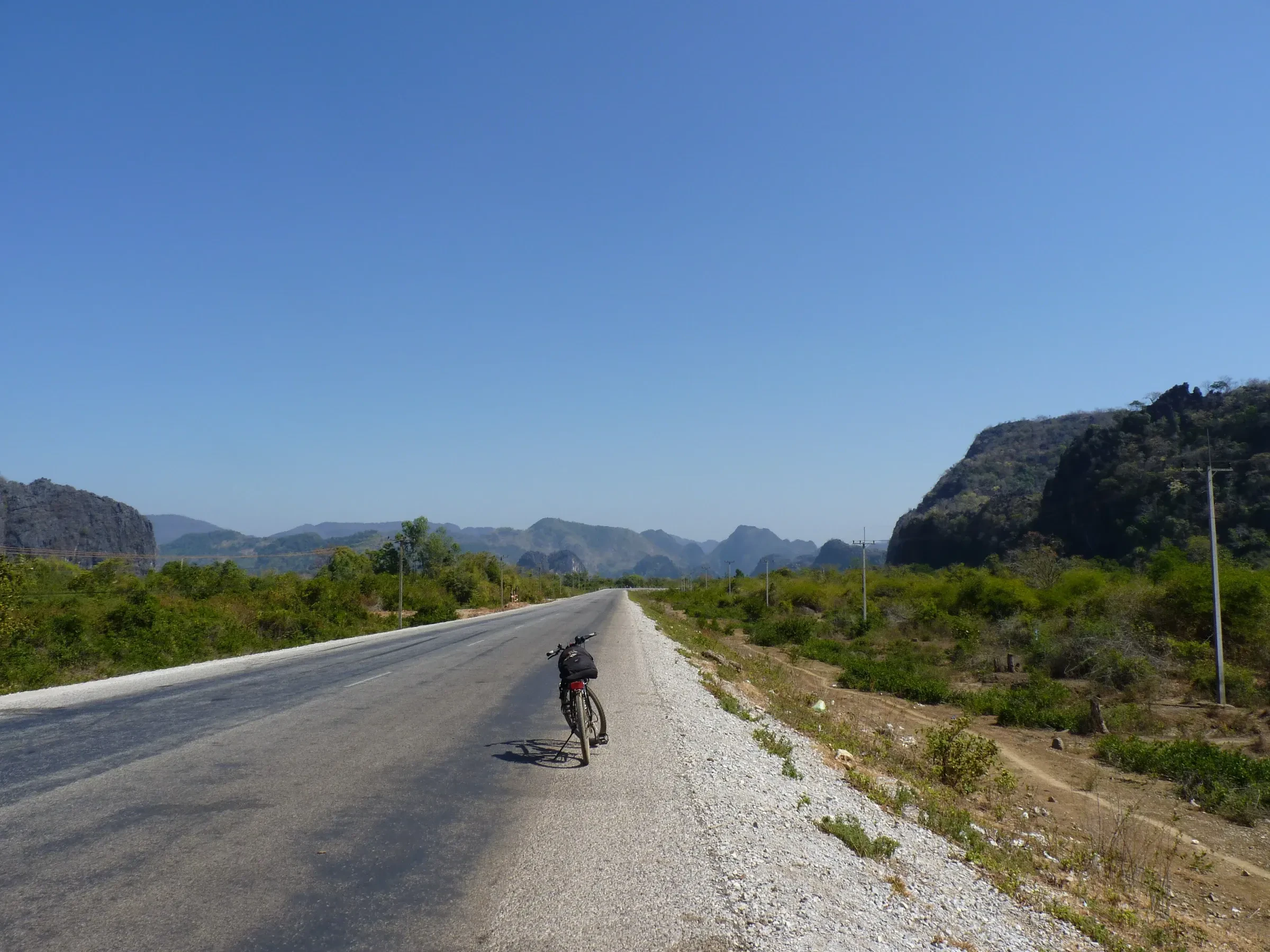
Into the karst
Kong Lor village
- Morning
- ride out of Thakhek, fuel up at the edge of town, and head north through increasingly dramatic karst scenery towards Nakai and the Kong Lor turn-off. The ride to Kong Lor is about 250 km, a long day, so some riders break it at Nakai or Lak Sao.
- Afternoon
- arrive in Kong Lor village and settle in ahead of the cave.
- Evening
- a village dinner and an early night.
Eat a simple bowl of Lao noodle soup at a village stall
Local tip some stretches between pumps run to 50 km or more, so top up in Nakai or Lak Sao even if your tank looks fine. Roadside stalls also sell petrol in bottles as a backup.
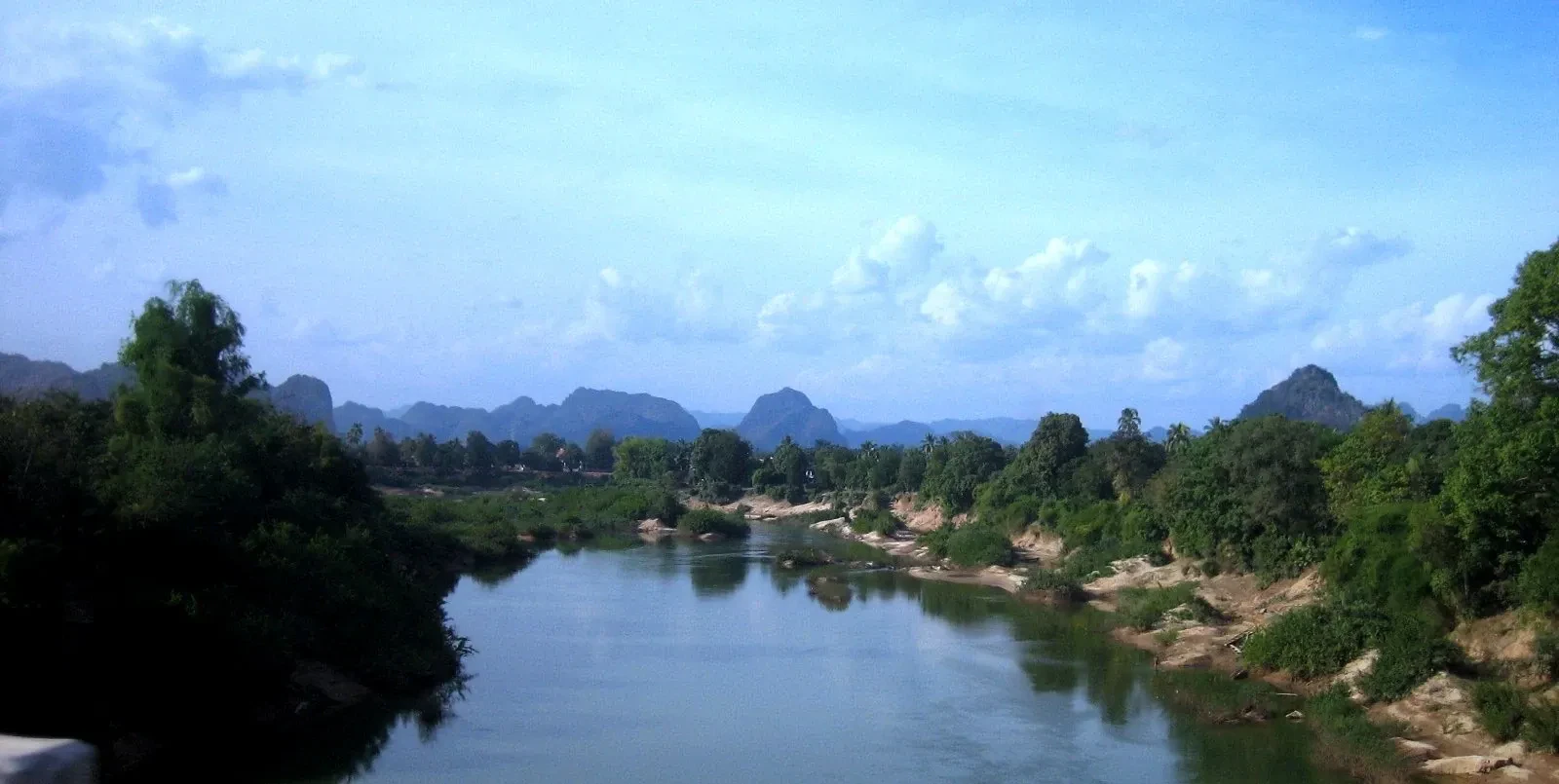
The cave itself
Kong Lor village
- Morning
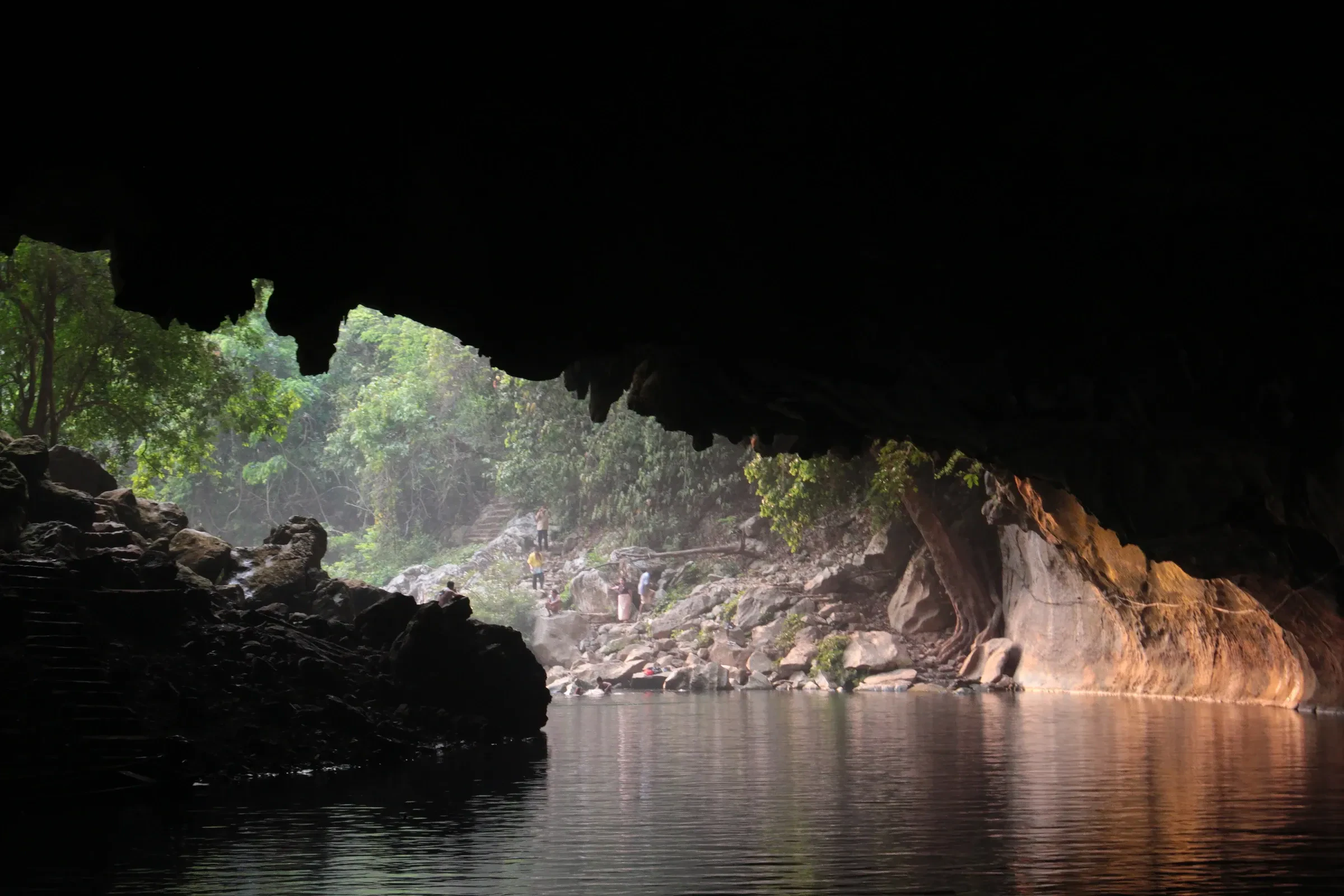
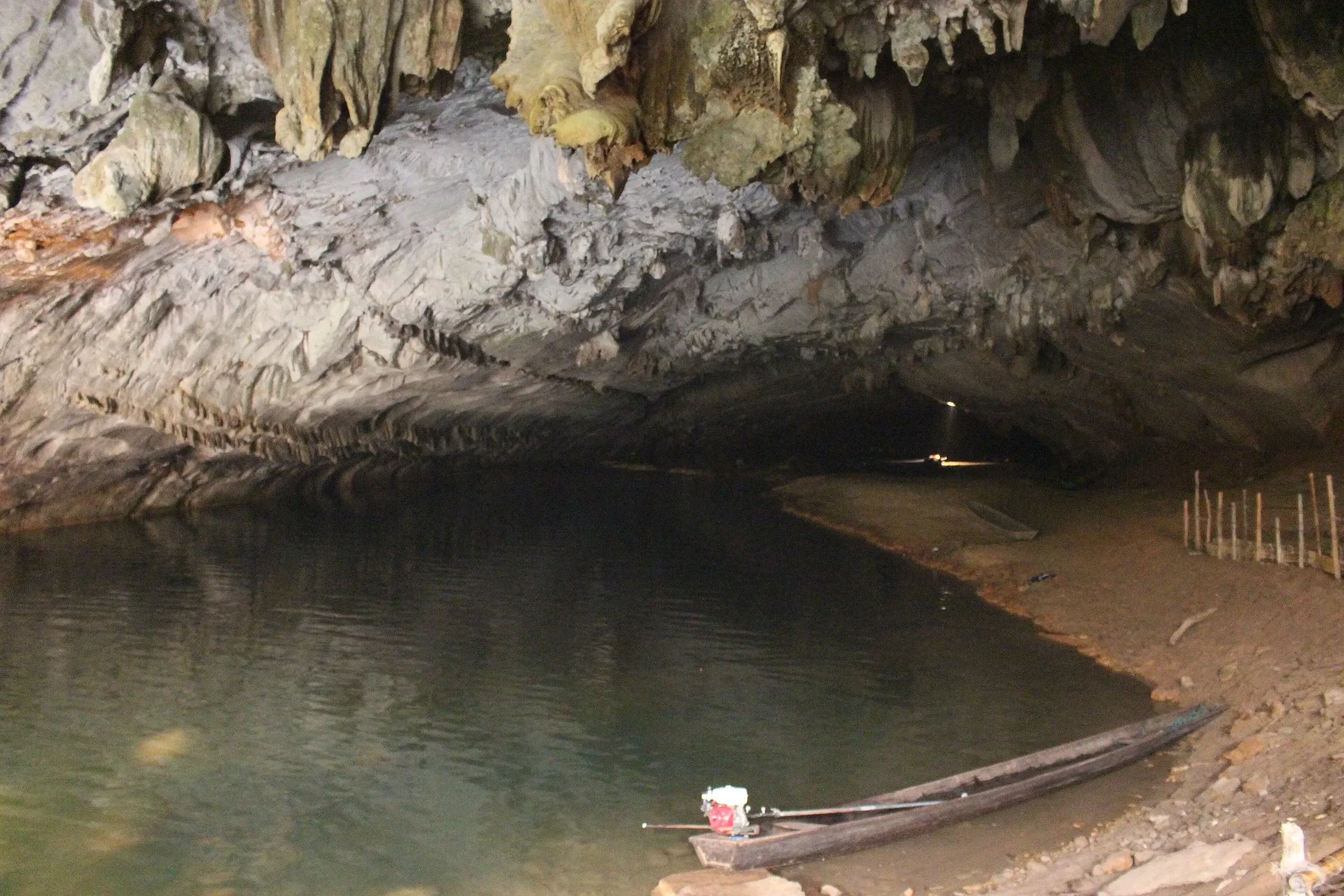
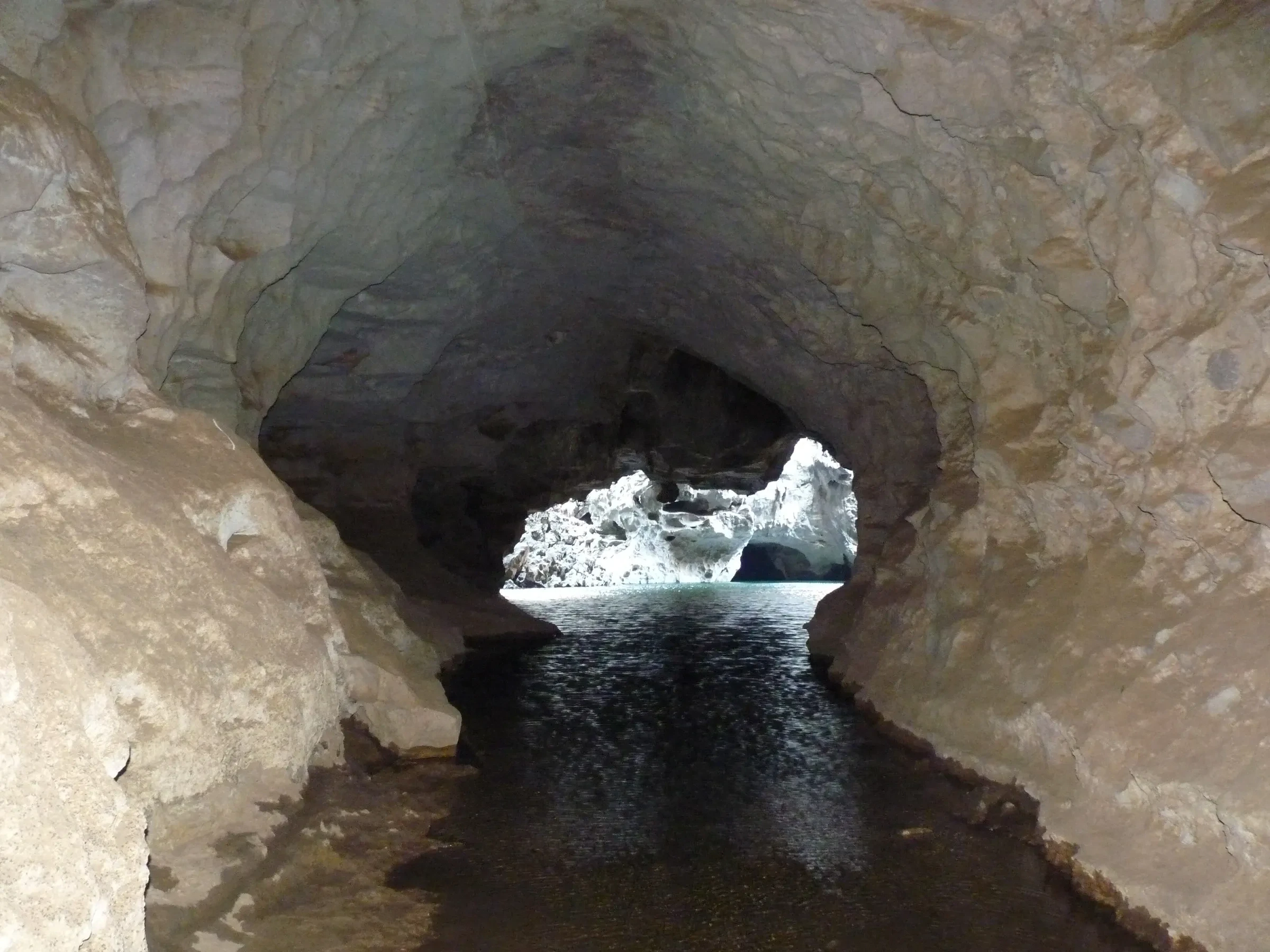
- the reason for the whole trip: a longtail boat carries you and a driver 7.5 km through Kong Lor Cave along an underground river, with a stop partway to walk among the rock formations by headlamp. Boats run through the day, but the last one leaves mid-afternoon (3:30pm in one 2026 report), so go in the morning. You pay a boat fee and a small park and cave entry fee on the day. Recent sources disagree on the boat price, so we don't quote one; ask in the village. A life vest and headlamp normally come with the boat, and the return leg is quicker than the roughly 40-minute journey in.
- Afternoon
- back to the village to dry off and rest; some riders use the afternoon for a nearby hot-spring stop.
- Evening
- fresh river fish, grilled, is the village's speciality.
Eat grilled river fish and sticky rice
Local tip wear your helmet for the ride to the boat dock, and keep the life vest on for the whole passage even where the water looks shallow, and bring a dry bag for your phone or camera.
The loop's second half
Na Hin area
- Morning
- ride on around the loop's quieter back half, taking in viewpoints, smaller caves and rural villages. The whole way back to Thakhek is about 185 km, which fast riders do in a single day; this plan spreads it over two, with a night near Na Hin. Hot-spring stops are signed along the way, but we couldn't confirm any fee or opening days for 2026, so ask locally before counting on one.
- Afternoon
- the main road is sealed, but side tracks to caves and viewpoints turn muddy fast after rain. Ride to conditions, not to a schedule.
- Evening
- overnight at one of the small guesthouses that have grown up along this stretch specifically to serve loop riders.
Eat whatever rice or noodle dish the guesthouse is cooking that day; choice is limited, and that's part of the route's charm
Local tip if it's rained recently, ask the guesthouse owner about that day's road conditions before setting off. A stretch reported as fine last month can have potholes or washouts after a storm.
Back to the start
Thakhek
Getting there the final riding leg back into Thakhek, roughly 4 to 5 h depending on your pace
- Morning
- ride.
- Afternoon
- return the motorbike. Go through the same condition check as day 2 and get written confirmation that there's no damage charge. Ask the shop what it expects for fuel on return.
- Evening
- a final dinner by the Mekong.
Eat sindat, Lao-style barbecue, if you want to celebrate finishing the loop
Local tip build in slack on this day, since a late arrival back with a tired rider is when small mistakes happen.
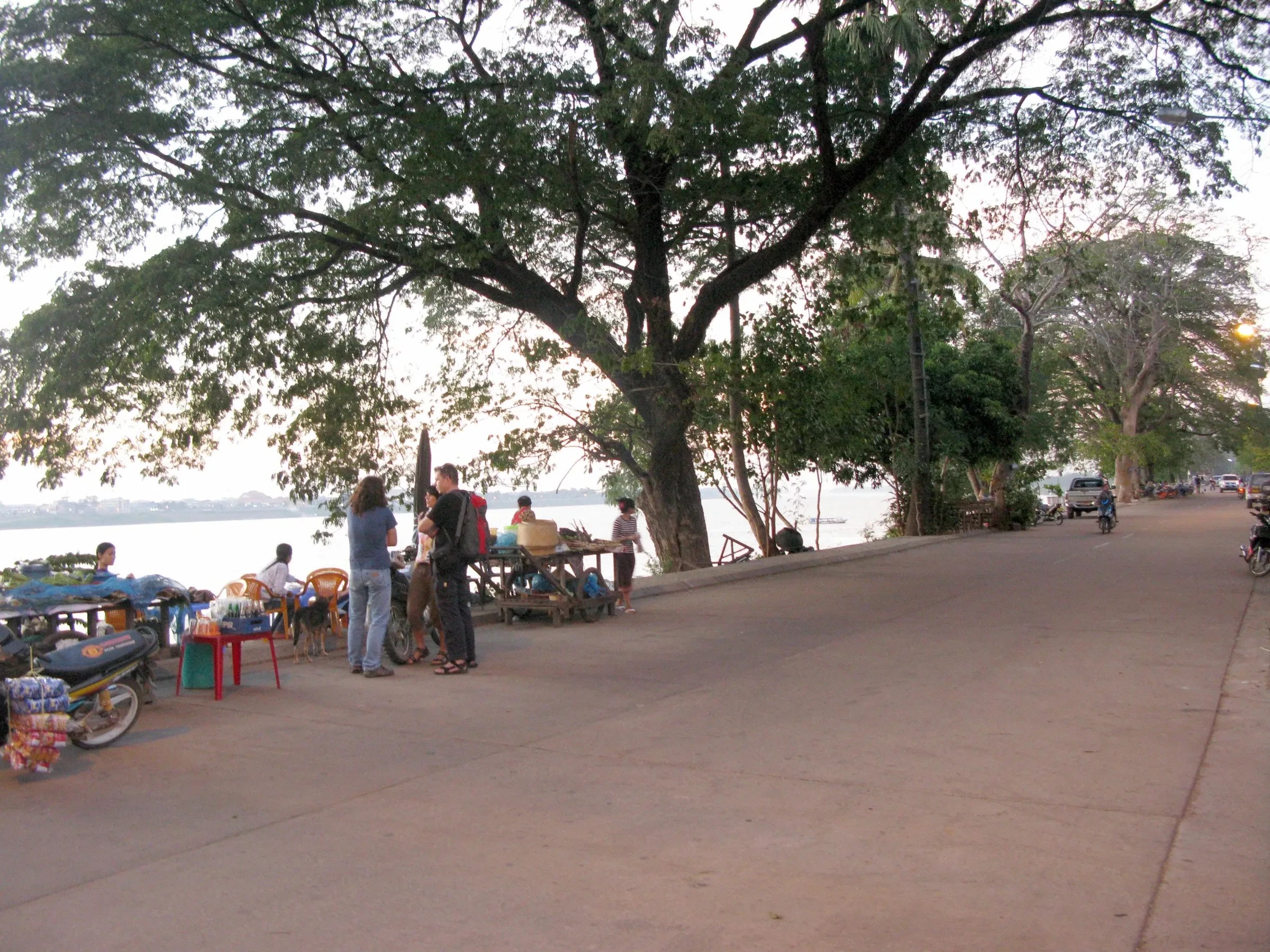
Back to the capital
Vientiane
Getting there Thakhek to Vientiane by bus, about 6 to 9 h
- Morning
- the bus north (or, for the longer version below, a bus south to Pakse instead).
- Afternoon
- arrive in Vientiane with time to spare before an onward flight or the next leg of a longer Laos trip.
Eat one more bowl of khao piak sen before you go
Local tip check your bus company's exact departure point in Thakhek the night before, since some use a different stand for the Vientiane and Pakse routes.
The 10 days version
Combine the loop with a run south to Pakse and the 4000 Islands, matching how our Southern Laos itinerary picks up from here.
| Day | Where | What | Eat |
|---|---|---|---|
| 1 | Vientiane | Gear and paperwork | Khao piak sen |
| 2 | Thakhek | Bus from Vientiane, bike handover | Feu |
| 3 | Kong Lor village | Ride out through the karst | Village noodle soup |
| 4 | Kong Lor village | Cave day | Grilled river fish |
| 5 | Na Hin area | Loop's second half | Whatever's cooking |
| 6 | Thakhek | Ride back, return the bike | Sindat |
| 7 | Pakse | Bus from Thakhek, about 5 to 7 h | Southern Lao rice dishes |
| 8 | Don Det | Van and boat from Pakse, about 2 h 30 plus 10 min | Mekong fish |
| 9 | Don Det | 4000 Islands; Khone Phapheng falls is a separate half day by boat and tuk-tuk | River-village cooking |
| 10 | Pakse | Return by van and boat, onward travel | - |
What changes: after day 6 you don't ride any further. The motorbike stays in Thakhek and buses and river transport take over, following our 4000 Islands guide for what's there.
What it costs
Renting a bike is the main extra: about US$5 to 10 a day, depending on the bike (manual and dirt-oriented bikes cost more than a semi-automatic). Fuel, guesthouses and food vary by season and stop, and we haven't found one reliable price list for the loop, so we don't put kip figures on them here. For the country as a whole, most backpackers spend about US$20 to 35 a day including a bed; see our Laos guide. Kong Lor's boat and entry fees are paid on the day, and sources disagree on the boat price. Prices move and the kip has been sliding against the dollar through 2026, so ask before you pay.
Getting there, away and around
Buses and VIP vans run several times a day between Vientiane's main bus station and Thakhek, taking about 6 to 9 hours depending on the service; the same route works in reverse for the return leg, or continues south to Pakse in about 5 to 7 hours (about 350 km) if you're doing the 10-day version. Check our Laos visa guide for entry rules before you land in Vientiane.
Motorbike rental shops cluster in central Thakhek. A semi-automatic is the easier choice; manual or dirt-oriented bikes cost more and suit riders who've used one before. Shops often don't check licences, but as the next section covers, that doesn't mean you're legal or covered if something goes wrong.
Licence, IDP and insurance: what riding here actually requires
Check this before you book anything. Riding a motorbike in Laos needs a motorcycle licence that is valid there. For most visitors that means the motorcycle category on your home licence plus an International Driving Permit that covers motorbikes. Rental shops in Thakhek often don't check either document, and roadside enforcement is inconsistent, but World Nomads says it is illegal to ride without a licence even if nobody asks when you rent.
Insurance is the other catch. World Nomads says insurance won't cover illegal activity, and also won't cover accidents where no helmet was worn. If you crash without the right licence, your insurer has a straightforward reason to refuse the claim, whether or not the rental shop ever asked to see your paperwork. Read your policy's motorbike wording before you go. If you already hold a full motorcycle licence at home, get the IDP sorted before you leave. If you don't, this route is a good reason to build up licensed riding experience first.
Wear a helmet on every ride, on paved roads and unpaved ones alike. Helmets are mandatory under Lao law, and on a loop with little other traffic they matter even more.
Best time to ride, and road conditions
November to February is the cool, dry season and the easiest time to do this loop, with comfortable riding temperatures. The rainy season runs May to October: expect slippery roads, muddier side tracks and potholes after storms, so ride slower and plan shorter days. April is best avoided too, for the same heat that affects the rest of Laos.
The main loop has been sealed since 2017, and a March 2026 guide describes the whole main route as sealed road with only optional dirt side tracks. The access road into Kong Lor village has been reported as rougher, with wooden bridges. Conditions change: a landslide or a washout can turn an easy section rough with little warning. Ask other riders or your guesthouse for the latest each morning rather than trusting an old blog post. Fuel stops can be 50 km or more apart in places, so fill up whenever you pass a pump.
What to eat on the loop
Food here is simple rather than a destination in its own right. Lao-style noodle soup (feu) turns up in every town, fresh grilled river fish in Kong Lor village, and sticky rice with whatever's cooking at a roadside stall on the loop's quieter stretches. For the fuller picture of Lao food beyond this route, see our Lao food guide.
Keep planning
- Up: the full Laos itinerary hub for every route and length
- Across: Luang Prabang to Vientiane if you'd rather stay in the north without riding, or a Southern Laos itinerary to continue past Thakhek
- Sideways: things to do in Laos and Lao festivals for what else to build a trip around
- Down: browse Laos group trips for trips that cover this part of Laos