What makes Si Phan Don special
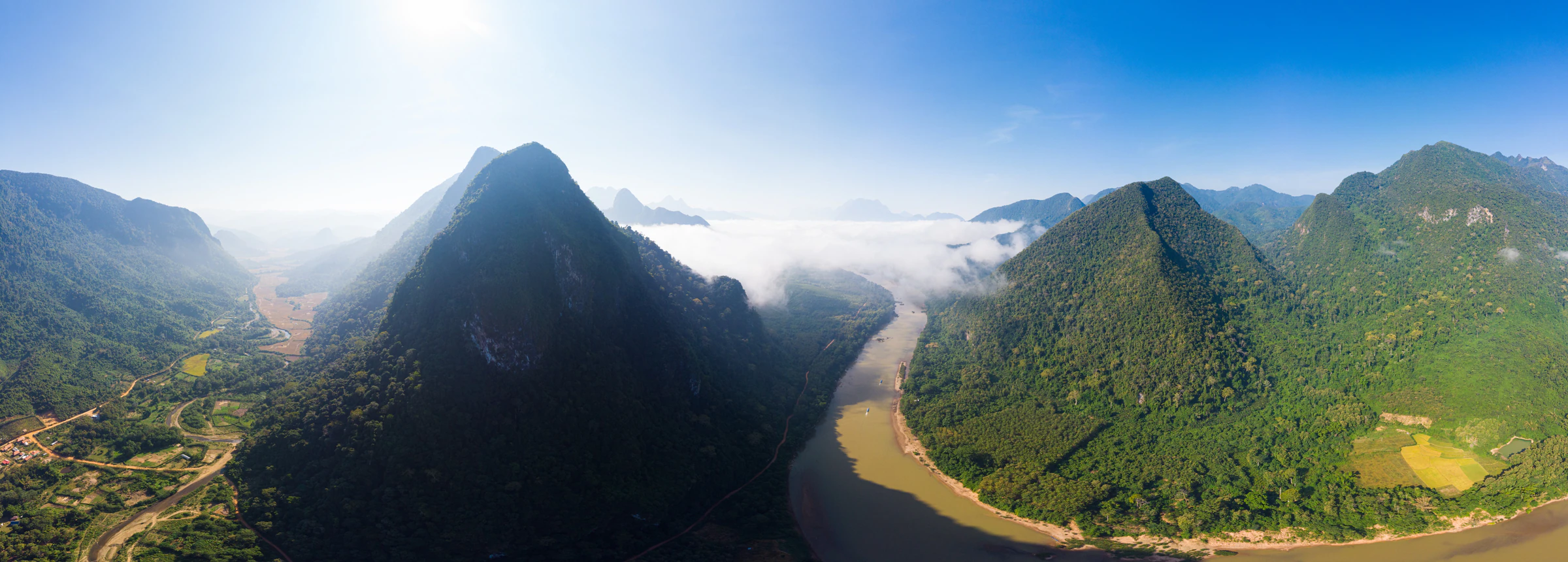
Si Phan Don means "four thousand islands" in Lao. Nobody has ever counted anywhere near that many, but the Mekong genuinely does splinter into hundreds of islands and sandbars here as it widens before dropping over Southeast Asia's biggest waterfall by volume. There are no cars on the two islands most people stay on, so a bicycle is about as fast as anything on the ground. That, more than any single sight, is the point: after the motorbike miles of the Bolaven Plateau or the Thakhek Loop, this is where a southern Laos trip stops moving for a few days.
Where to go within Si Phan Don
Don Det
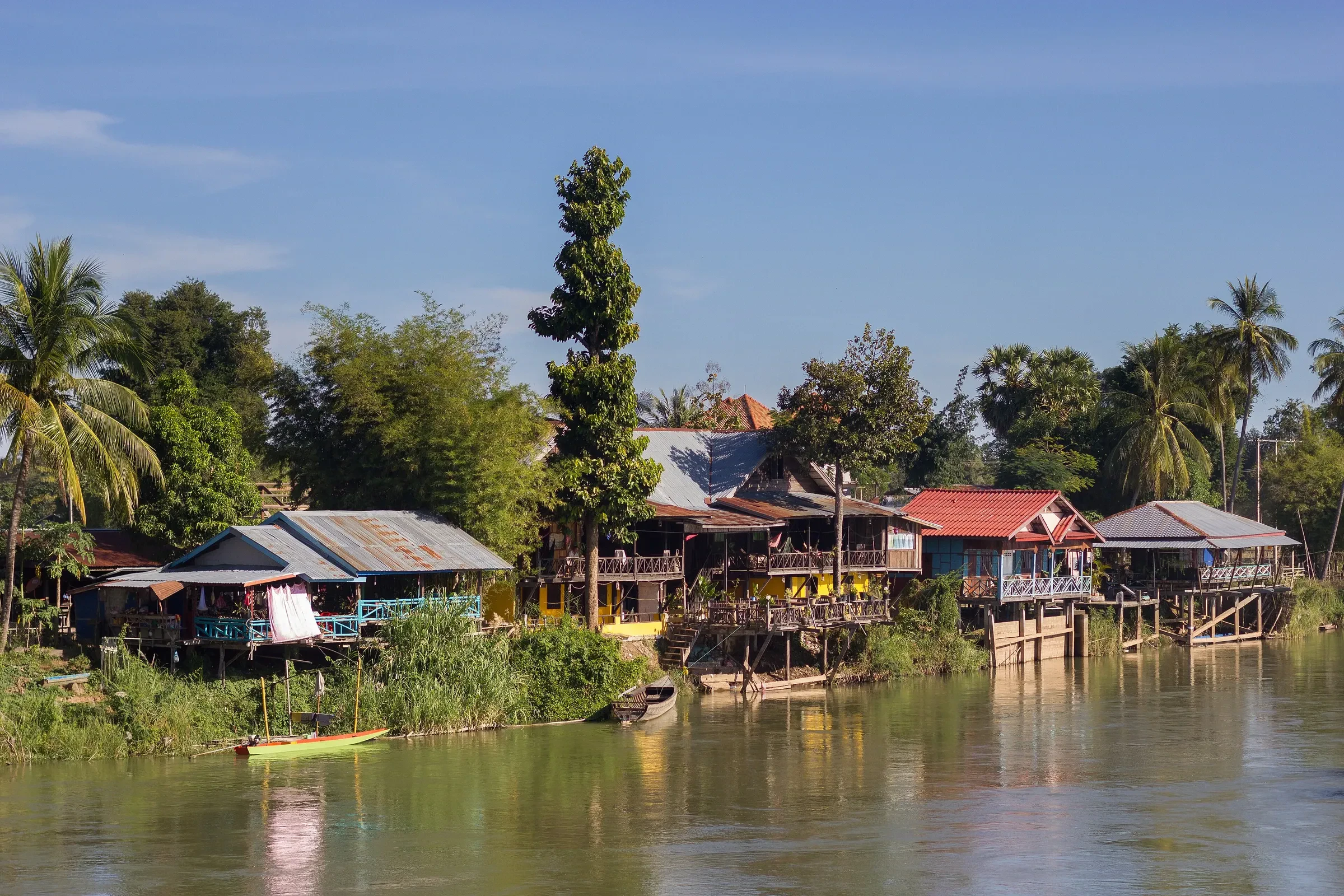
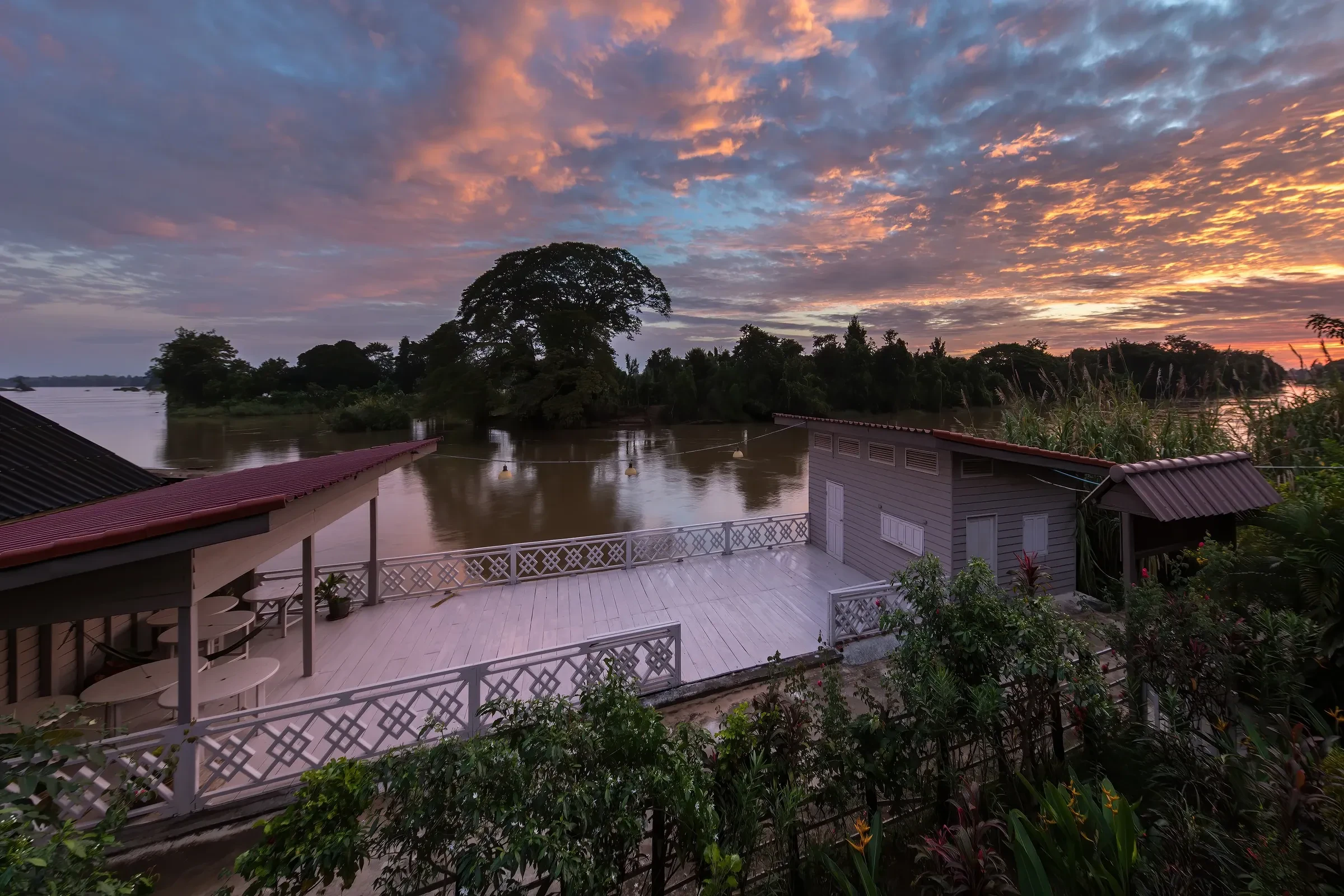
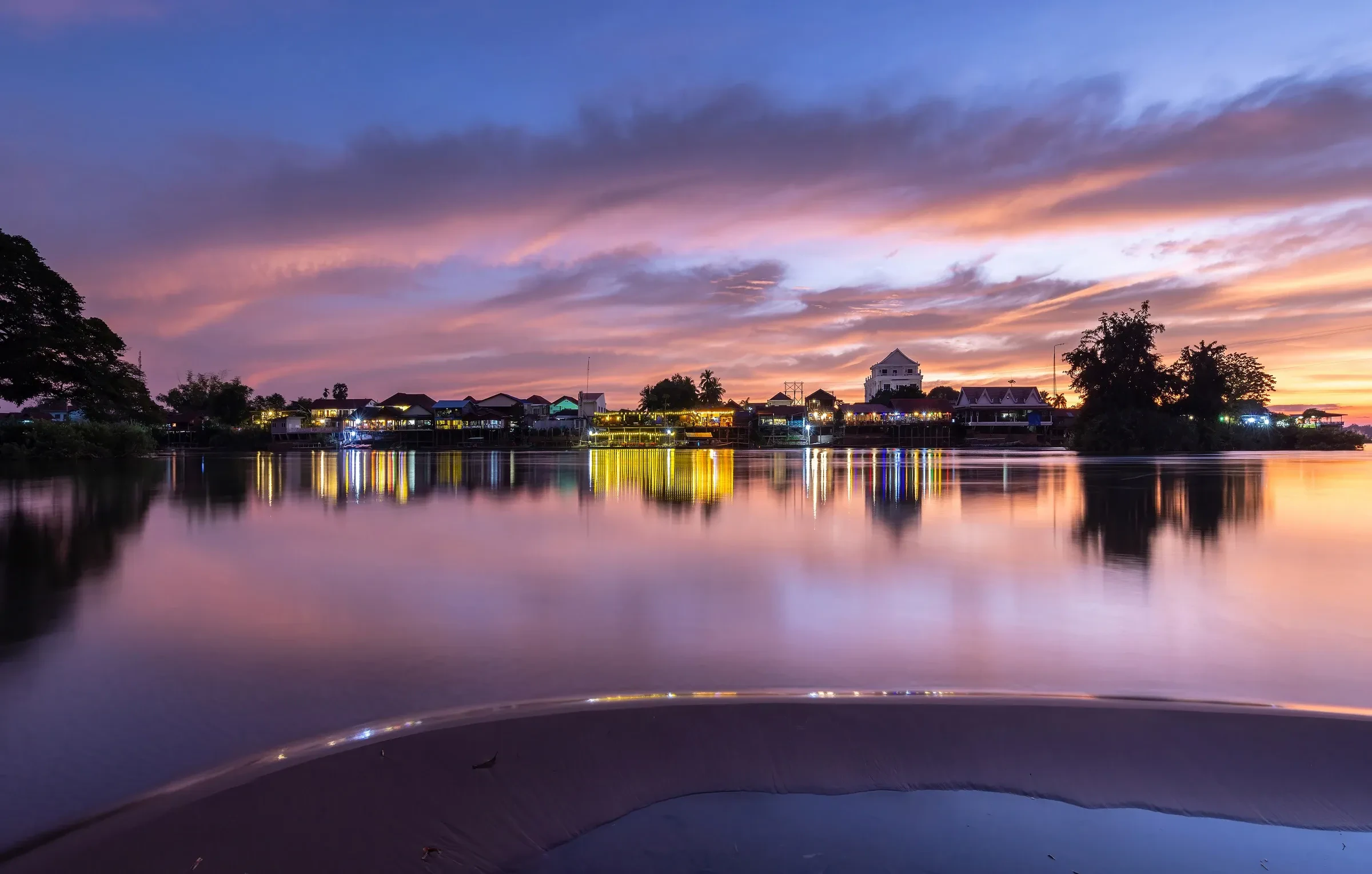
Don Det is the backpacker base: guesthouses and riverside bungalows strung along the east and west sides of the island, a short strip of bars and restaurants, and hammocks facing the sunset over the Mekong. Give it 2 nights minimum, and use it as a launch pad for Don Khon and the falls rather than a destination on its own.
Don Khon
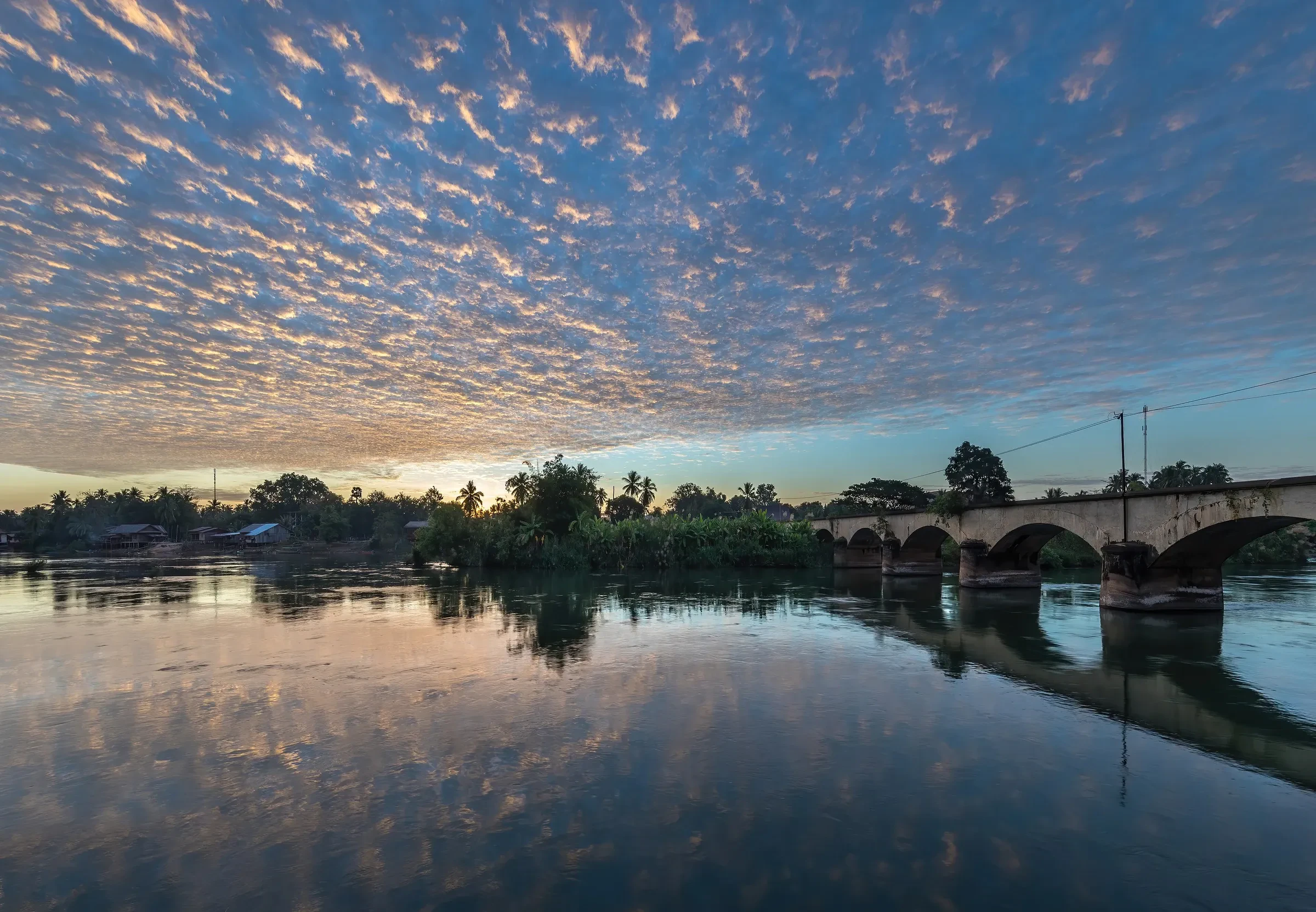
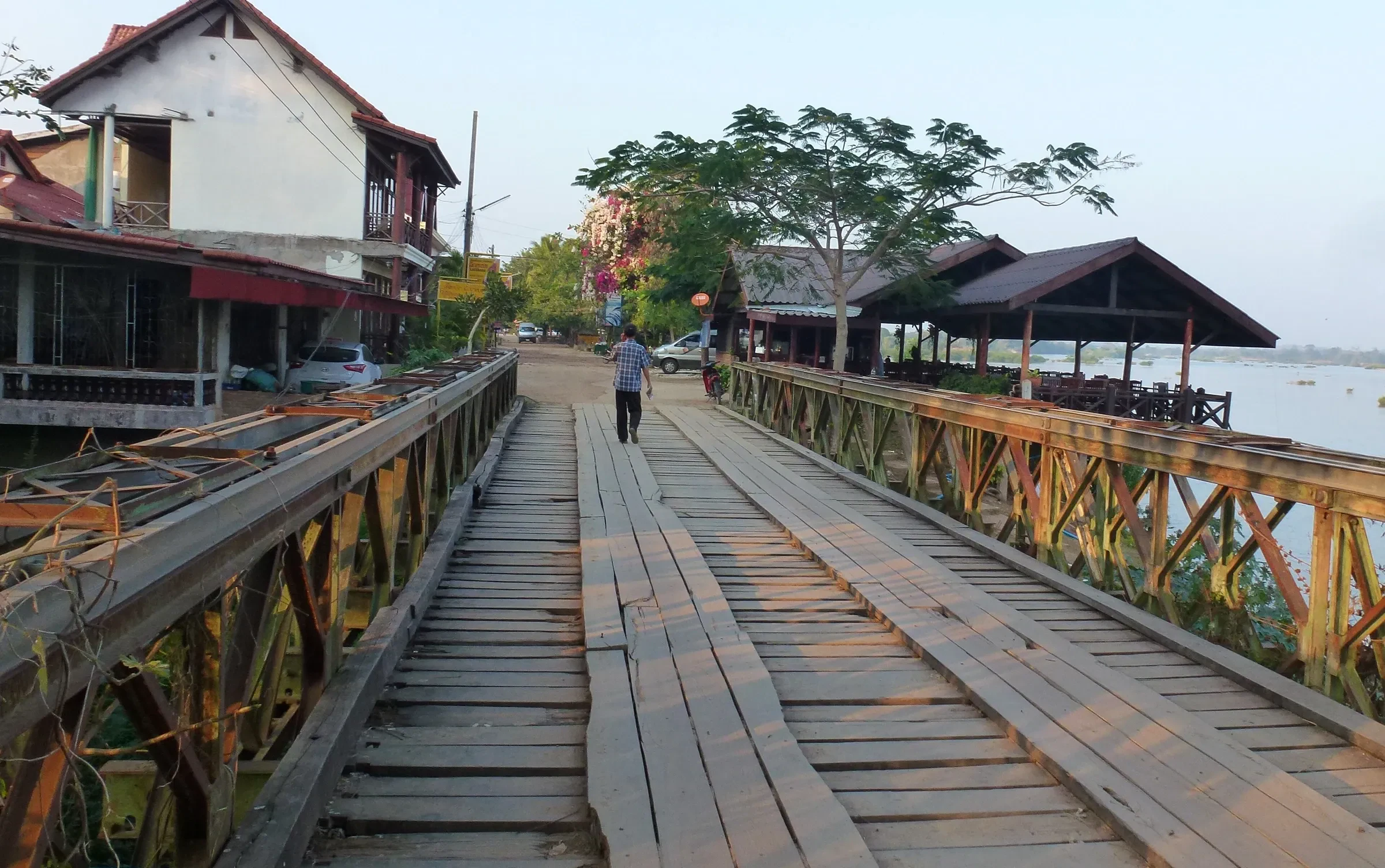
An old French-built railway bridge, left over from the colonial line built to move goods around the falls, joins Don Khon to Don Det. It's quieter, greener and best covered by bicycle over a slow half day or full day, and it's home to Li Phi Falls. A day trip from Don Det covers it comfortably; only stay overnight if you want to be further from Don Det's bars.
Don Khong
The largest island in the group, about 18 km long, sits further north and sees far fewer foreign visitors than Don Det or Don Khon. There's little to actively do beyond cycling its quiet lanes, visiting a temple or two and swimming off Khong Yai beach, which is exactly why some travellers use it as an overnight stop on the way in or out rather than a base for the falls.
Things to do
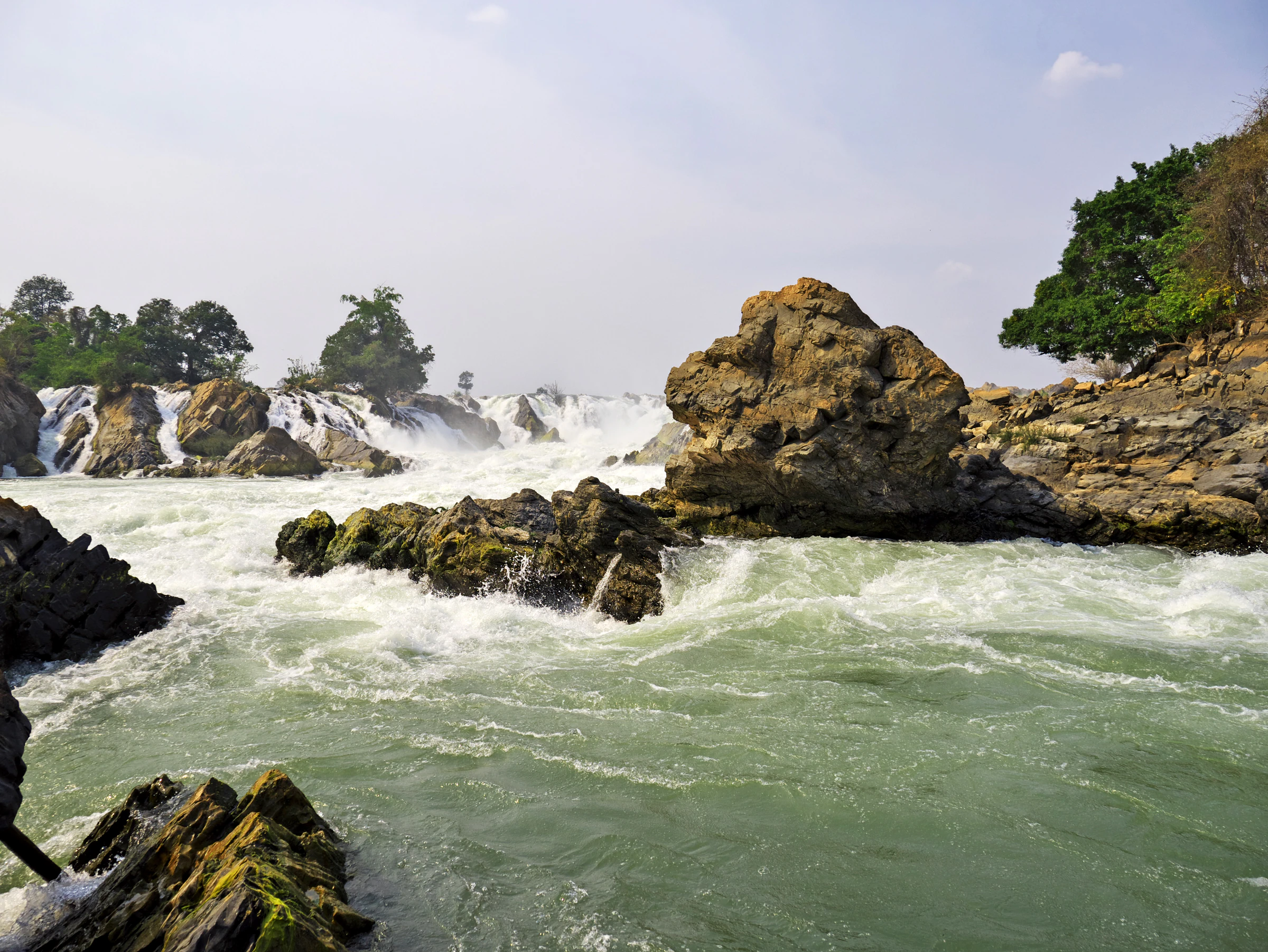
Khone Phapheng Falls. This isn't a single dramatic drop but a wide, churning stretch of rapids where the whole Mekong forces itself through rock, and it's often called the largest waterfall in Southeast Asia by volume. It sits on the mainland, not on the islands: you take the boat to Nakasong and then a tuk tuk south for about 20 to 30 minutes, so plan a separate half day rather than a stop on the Don Khon loop. Entry is about 55,000 LAK. In the dry season (roughly November to March) the individual cascades and exposed rocks are easier to see; in the wettest months (roughly June to September) the river is high, many of the falls are submerged and the spray is heavy.
Li Phi Falls (Tat Somphamit), Don Khon. A set of narrow, fast rapids rather than a single drop, about 2 km south of the old railway bridge and seen from wooden walkways along the bank. Entry is roughly 30,000 to 35,000 LAK (listings differ); a suspension bridge and a zipline are optional paid extras, but the walkways alone are worth the stop. Keep to the walkways: this is fast, powerful water, not a swimming spot.
The Irrawaddy dolphins, honestly. The dolphins once watched for from the southern tip of Don Khon are gone. The last one in this stretch of the Mekong, right on the Laos-Cambodia border, died in February 2022, after years of decline from dams, gillnets and destructive fishing methods; WWF had already called the group functionally extinct some years before that. Don't pay for a boat trip sold as dolphin watching on the Lao side. There are none left to see. Irrawaddy dolphins do survive around Kratie, a few hours further into Cambodia, which is a natural next stop if you're crossing the border that way.
Cycling between the islands. Bicycles rent for roughly 10,000 to 25,000 LAK a day from guesthouses and restaurants on Don Det. Listings disagree on whether crossing the bridge to Don Khon costs anything (some mention a 20,000 LAK day pass), so ask where you're staying. There's no better way to see either island.
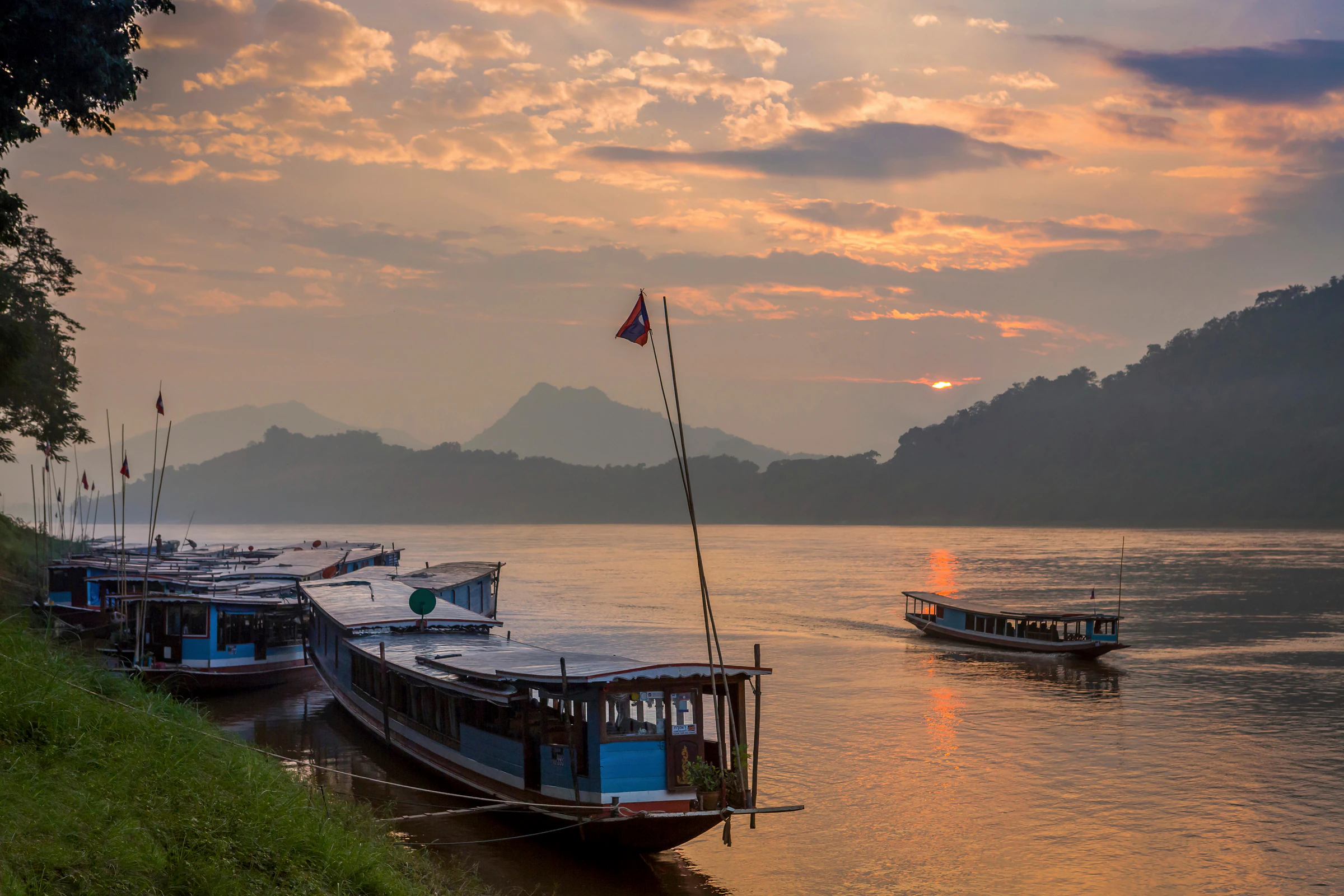
A Mekong sunset from a hammock. It's the most photographed moment on this whole route, for good reason. Any riverside bar on Don Det's west side works. Arrive with time to spare.
What to eat
Fresh Mekong fish, grilled or in a soup, turns up on nearly every menu on Don Det and Don Khon, alongside the backpacker cafe staples (banana pancakes, fruit shakes, simple noodle dishes) that fill the gaps between meals here. It isn't a food destination in the way Luang Prabang or Vientiane are; the islands' restaurants cook simply and lean on the river for their best ingredient. For dishes worth planning a whole day around elsewhere in the country, see our Lao food guide.
Best time to visit
November to February is the clear window: cooler, drier weather across the south, which runs hotter overall than northern Laos. April is the country's heat peak and worth avoiding outright. The rainy season runs from May to October. Khone Phapheng carries its biggest volume of water then, though high water also hides some of the individual falls. Expect muddy paths, and check conditions before you head out to the falls.
Getting there and around
From Pakse. Tourist minivan and boat combo tickets run most mornings from Pakse to Don Det and take roughly 3.5 to 4 hours in total. Listings range from about $6 for a slow local bus to $11 or more for a tourist bus or minivan. The last stretch is a short longtail boat from the Nakasong pier, about 20 to 25 minutes. Book the day before through a guesthouse or travel agent in Pakse. Flying into Pakse from Vientiane (about 1 to 1.5 hours) is far more comfortable than the overnight bus if you're starting from the capital; see our Laos visa and entry guide for the flight and overland options into the country as a whole.
Crossing to or from Cambodia. The Nong Nok Khiene (Laos) to Trapeang Kriel (Cambodia) border is the one official crossing between the two countries that is open to foreign travellers, and Don Det is the natural jumping-off point for it. Guesthouses and agents on the island sell through tickets to Siem Reap or Phnom Penh that bundle the minivan, the border stop and the onward bus. Arrange a Cambodia e-visa in advance rather than relying on the visa-on-arrival desk, and keep your passport in your hand until you've seen your stamps. Travellers describe this crossing as one where officials ask for extra payments: a blog post published in April 2026 and updated in May 2026 reports a US$2 "exit stamp" fee on the Lao side and a US$2 "entry stamp" fee on the Cambodian side, on top of the visa. We found no official fee schedule that lists these. Going the other way, a Laos e-visa isn't accepted at any Cambodian land crossing, so anyone entering Laos from Cambodia needs a visa on arrival or one arranged in advance instead.
Getting around once you're there. There are no cars on Don Det or Don Khon, so it's bicycle, on foot, motorbike or the odd tuk tuk for longer hops. Wikivoyage reported no ATMs on Don Det in February 2025, and some shops that exchange cash charge a commission, so bring enough Lao kip from Pakse (and a little US dollar cash for the Cambodia side).
Staying safe on the islands
The river. The UK Foreign Office warns that tubing, kayaking and swimming in the Mekong can carry significant risks, including strong currents and hidden obstacles. The river's water level changes with the seasons. Don't swim or tube alone, don't do either after drinking, and stay out of the water near the falls. Ask your guesthouse about conditions that day.
Drugs and "happy" menus. Laos has severe penalties for drugs. The UK Foreign Office says even very small quantities can mean arrest, detention and a long jail sentence, and that drug trafficking can carry the death penalty. That includes cannabis, and it includes "happy" or "special" items on a menu. Don't buy, carry or order any of them.
Bikes and paths. If you rent a motorbike, helmets are mandatory under Lao law. Landmines and other unexploded weapons remain a hazard throughout Laos, so stay on marked paths and tracks.
How long to spend, and which route to use
2 to 3 nights is enough for Don Det, a full day on Don Khon and the falls, and one properly unstructured day with nothing planned. Treat the 4000 Islands as the final leg of a longer southern Laos trip rather than a standalone journey. Our southern Laos itinerary builds a full 1 week or 10 day route around Pakse, the Bolaven Plateau's coffee farms and waterfalls, and this stretch of the Mekong. If you're mapping a longer Laos trip first, start at our Laos itinerary hub to choose a length, see the Thakhek Loop guide for the other classic loop further north, or head back to our Laos travel guide for the whole country.