Tet Trung Thu is a harvest-season festival built around the full moon and, above all, around children, which is why it's often called the Children's Festival. Vietnamese families mark it with mooncakes, paper lanterns and lion dances. It isn't a public holiday, so offices, shops and transport all run as normal. This guide covers what it is, what happened in 2026, where to see it as a visitor, and how it connects to Hoi An's lantern nights on the same full moon.
What Tet Trung Thu is
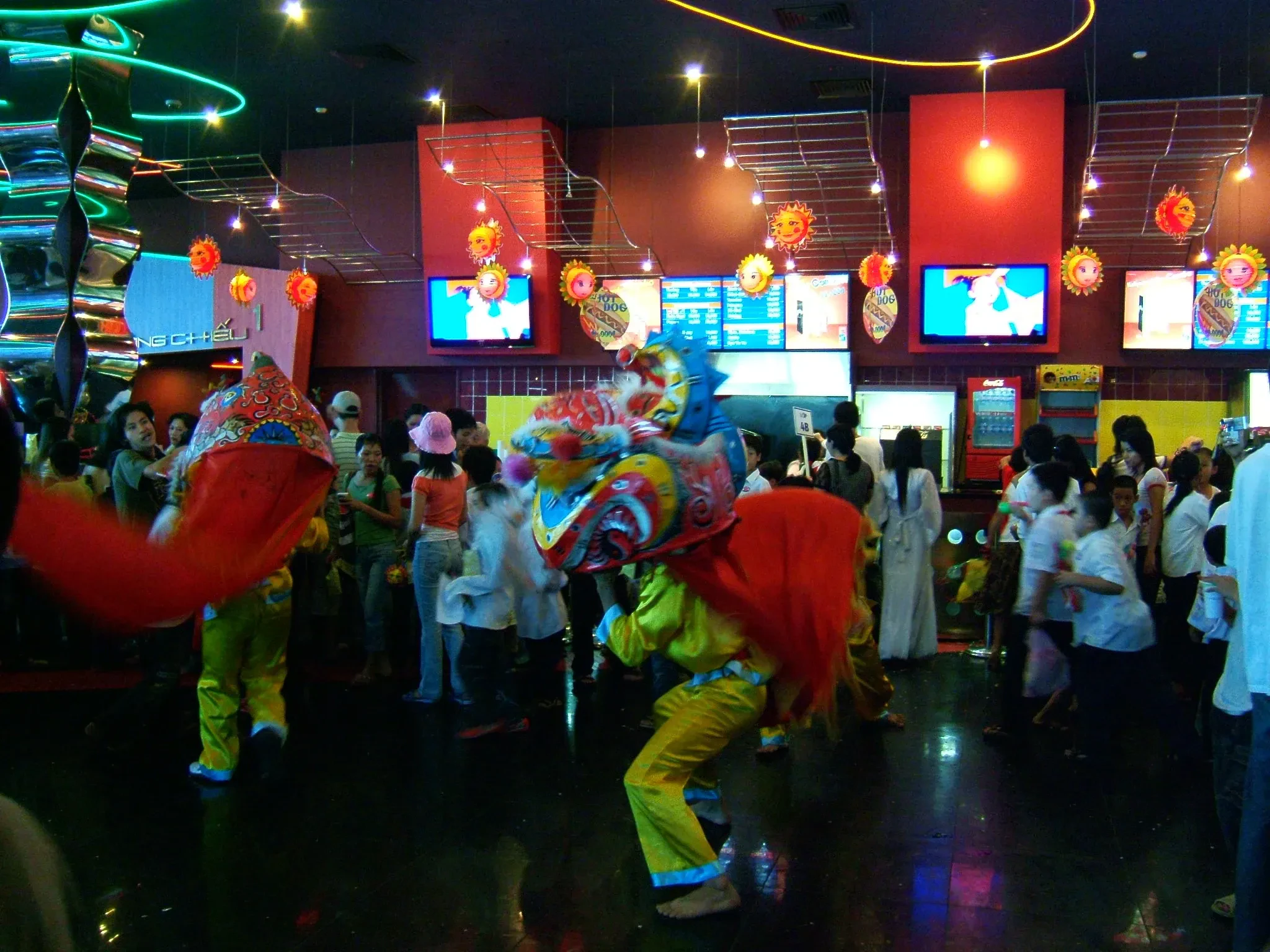
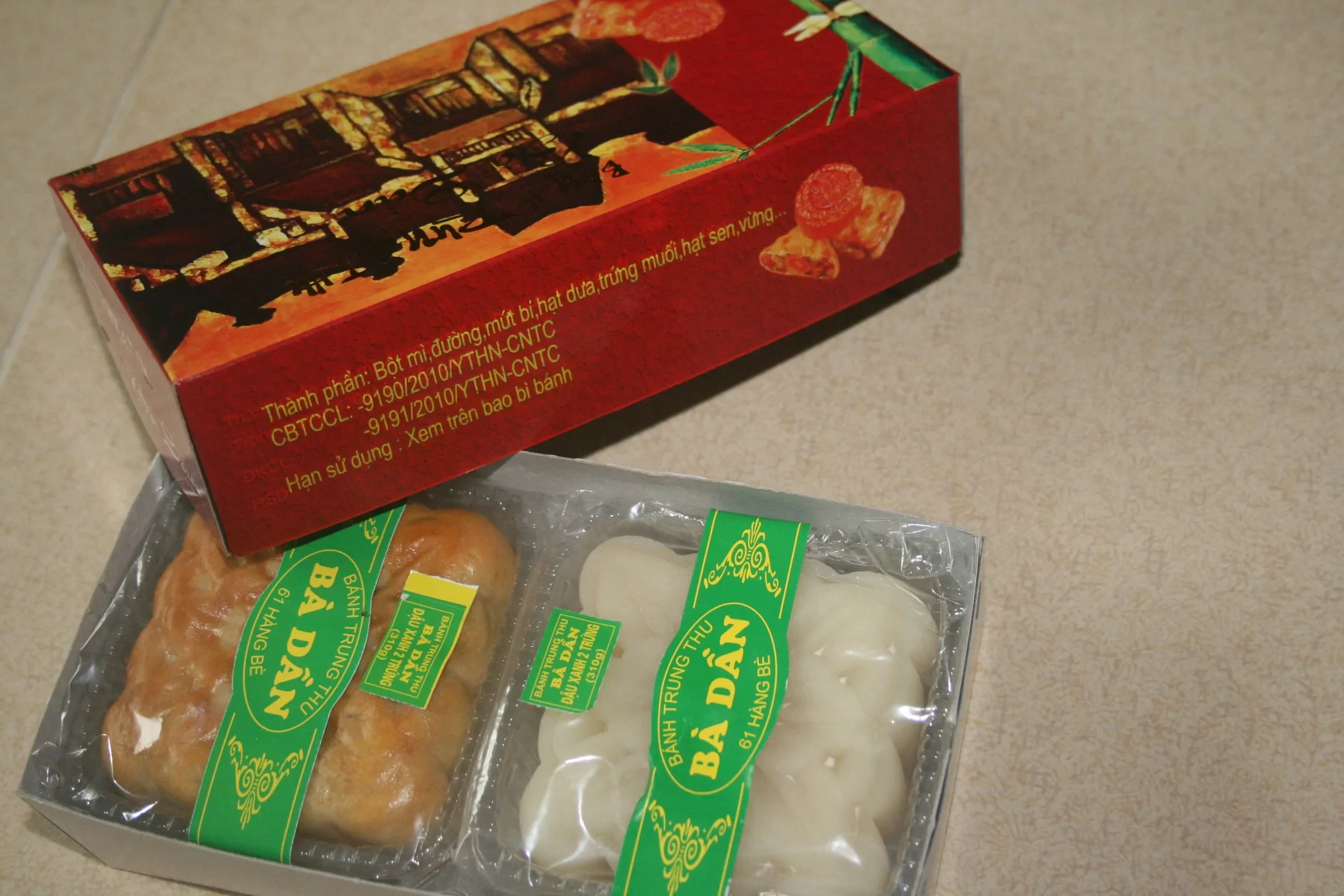
The festival marks the full moon of the eighth lunar month, traditionally the point when the harvest was in and families had time to gather. Parents give their children lanterns and mooncakes, and lion or unicorn dance troupes move from street to street and shopfront to shopfront, drumming and dancing for good luck while children follow behind. Workplaces and friends also exchange boxes of mooncakes in the weeks before, the way people exchange chocolates at other times of year.
What happened at Mid-Autumn Festival in 2026
The festival fell on Friday 25 September 2026. Some travel sites give 26 September, and one Vietnam News piece says 27 September, but the lunar calendar puts the 15th day of the eighth month on the 25th.
Most of the reporting we found came from Hoi An. According to Vietnam News, the town ran a programme in the days before the festival: an exhibition on the Thien Cau (Sacred Dog) folk dance at the Museum of Folk Culture, "Music and Moon" folk music at the Sa Huynh Culture Museum from 23 to 25 September, and an Old Quarter Night on 24 September recreating town life in the early 20th century, with lion dances and bai choi singing. Lantern and mask making for visitors was a focus. Travel sites also reported the Old Town's streets closed to traffic from 6pm to 10pm during the festival period. Sources differ by a day on when the Hoi An programme started and finished.
In Hanoi, Hang Ma street and the Old Quarter filled with lanterns, masks and toys, with activities around Hoan Kiem Lake. We found no attendance figures or records reported for either city.
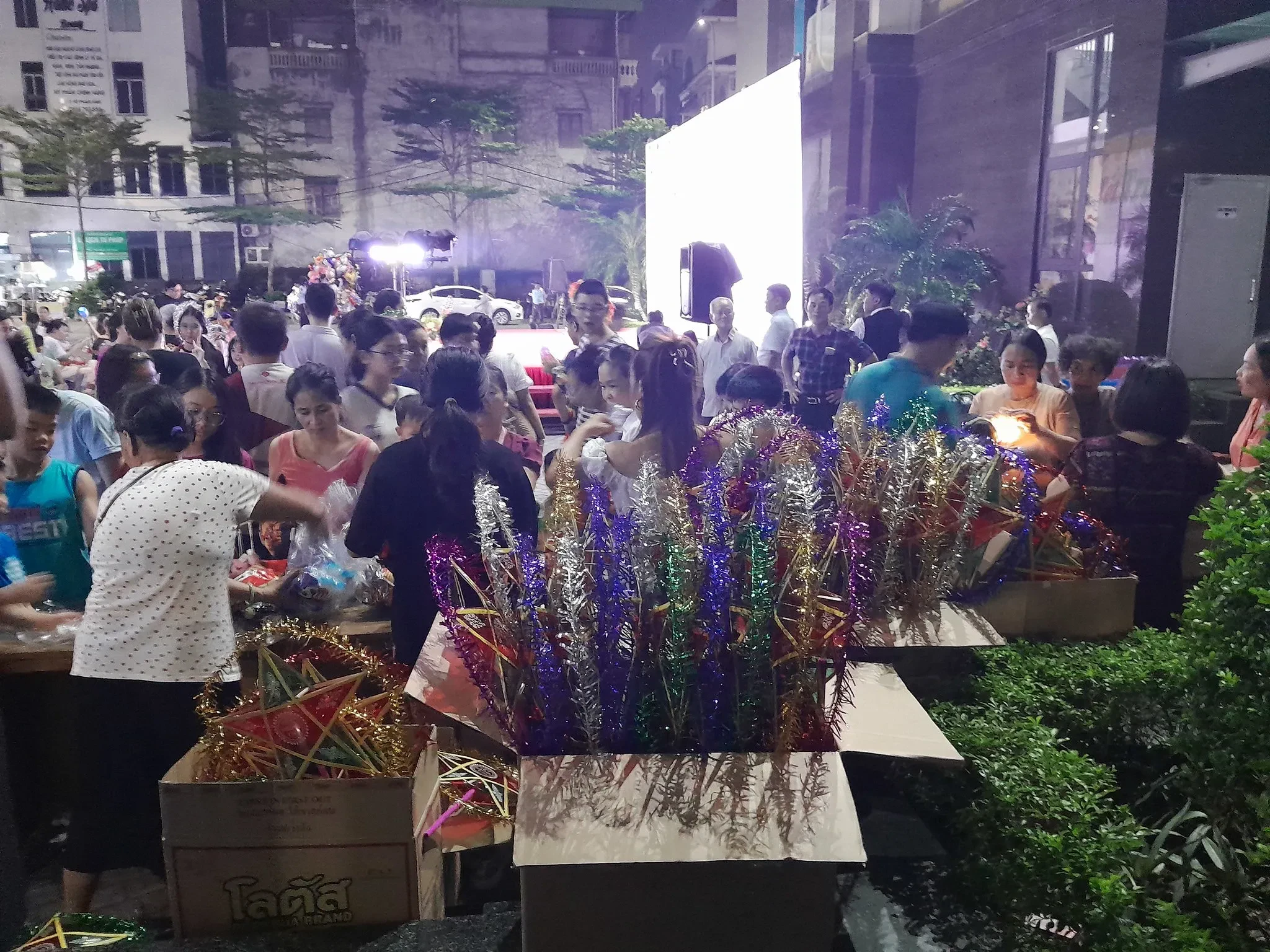
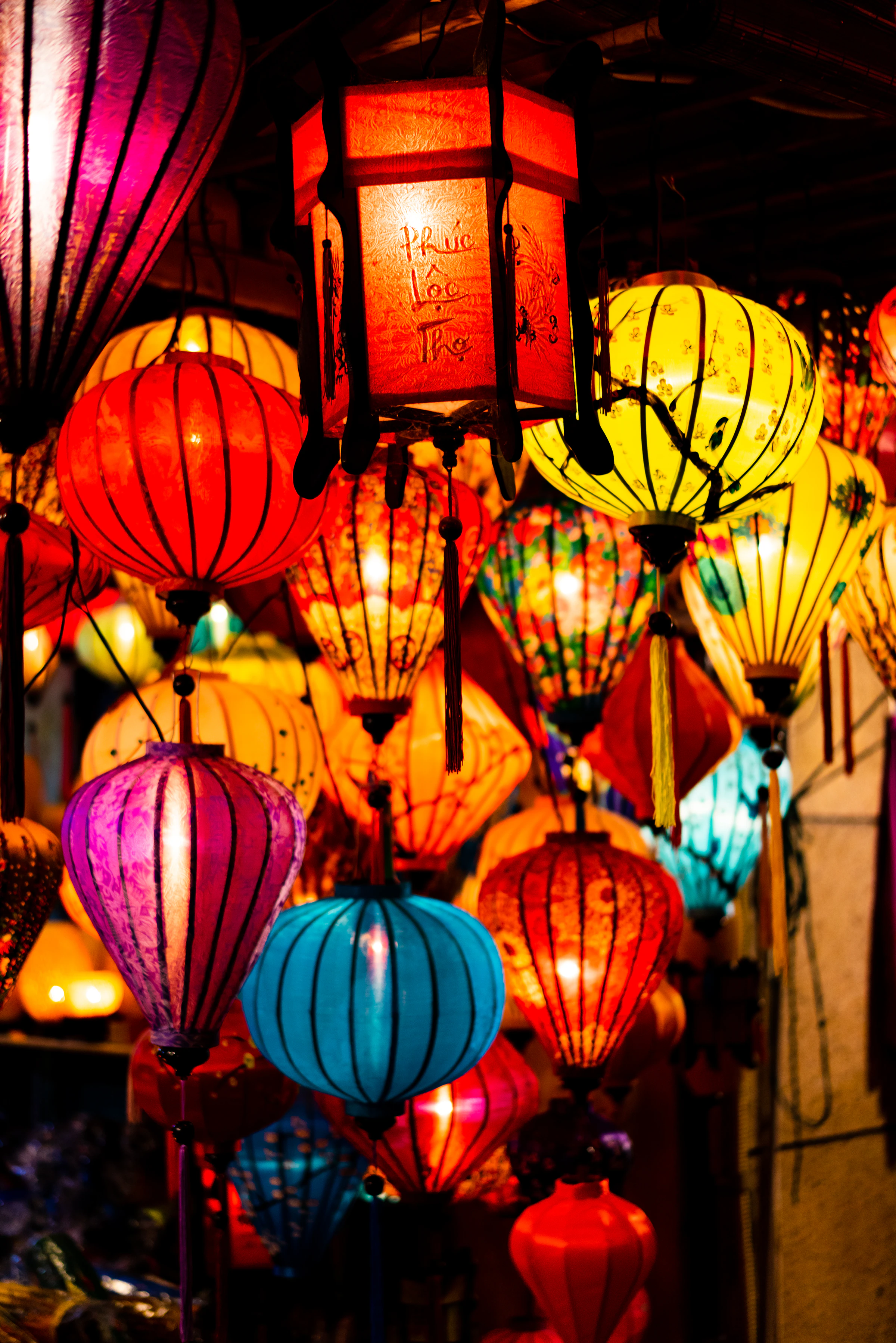
The festival is known as the Children's Festival, built on lantern parades, lion dances and mooncakes. Hoi An pairs it with its silk lantern-making heritage, and Tuyen Quang's parade has earned Vietnam Guinness records for its giant lantern models.
Where to see it
Hanoi's Hang Ma street
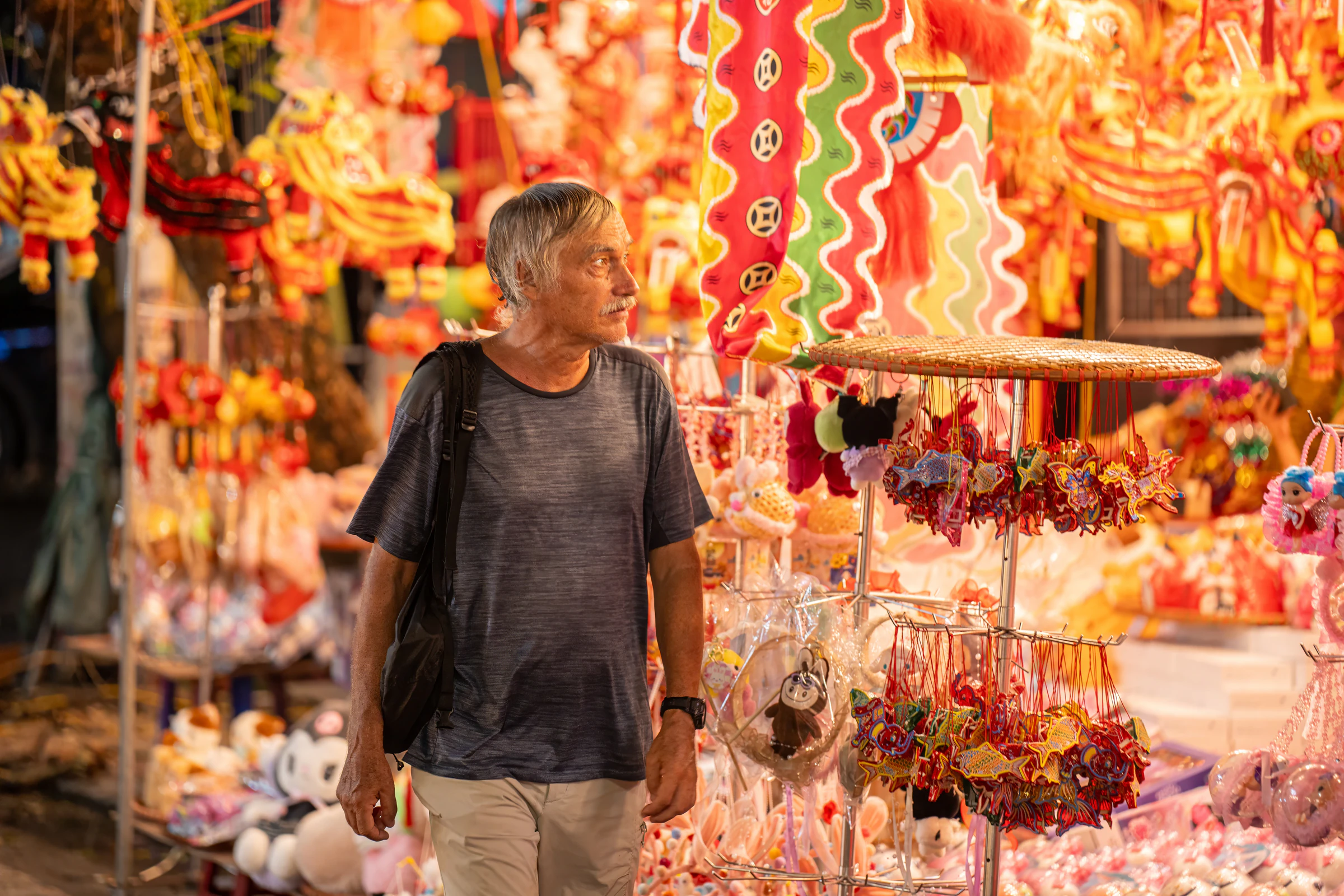
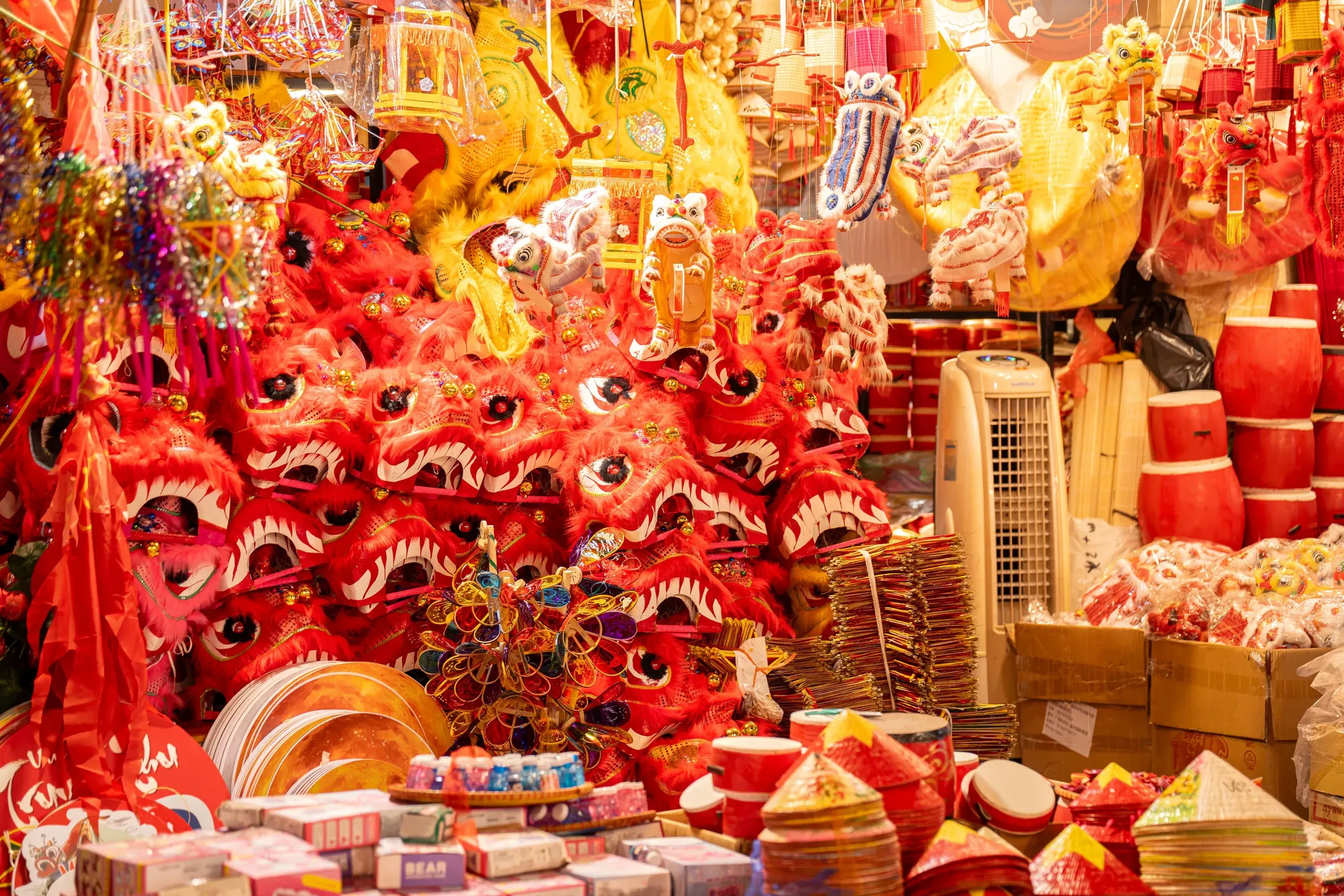
Hang Ma, in Hanoi's Old Quarter, was historically the street for paper votive goods. For weeks before Mid-Autumn it turns into a dense run of stalls selling star-shaped lanterns, papier-mache masks, lion heads, frog drums and modern light-up toys. Crowds build every evening and peak after about 8pm on the nights closest to the full moon, when local authorities close the street and its surrounding lanes to traffic and it becomes a walking market. It's the best option if you only have a night or two in Hanoi around the festival. See our things to do in Hanoi guide for the rest of the Old Quarter.
Tuyen Quang's giant lantern parade
Tuyen Quang, a town in the northern mountains about 3 hours from Hanoi by bus, has run an annual lantern parade since 2004 and now holds Vietnam Guinness records for its Mid-Autumn lantern models. Local wards build giant lanterns, some up to 3 metres tall and 12 metres long, and parade them through the town centre alongside food stalls and folk games. It's louder and bigger than Hanoi's version, and worth the trip if you have a spare day and want to see the festival as a real community event rather than a street of shops.
Hoi An, on the same full moon
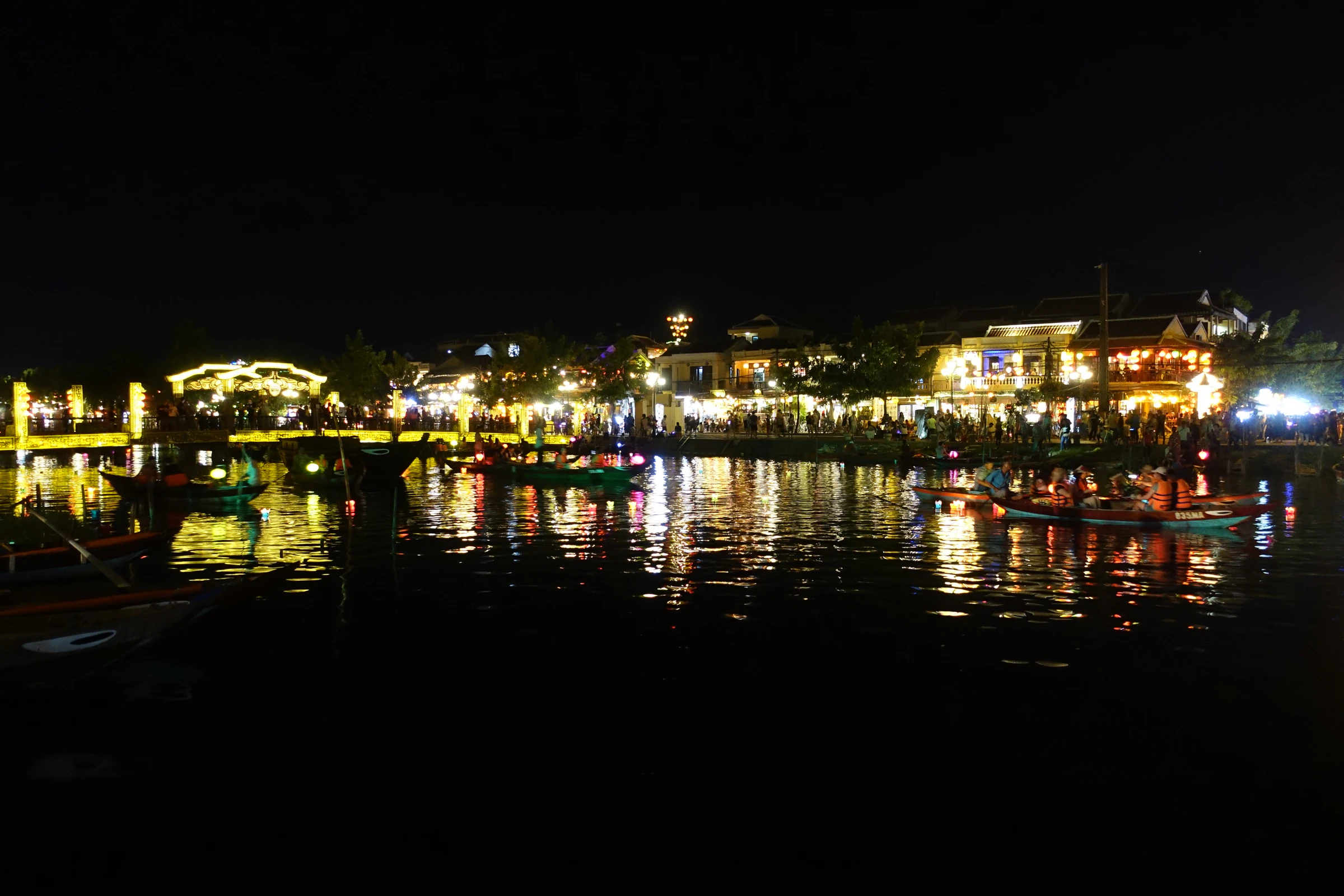
Because Mid-Autumn always falls on the full moon, it lands close to that month's Hoi An lantern night, held on the 14th day of the lunar month, the evening before. In 2027 that's Tuesday 14 September, the night before the expected 15 September Mid-Autumn Festival itself. See our Hoi An lantern festival guide for how that separate monthly event works and its full list of dates. If your trip covers both Hanoi and Hoi An around mid-September, you can catch Hoi An's lanterns on the river one evening and Hanoi's Mid-Autumn atmosphere a day or two either side.
What happens
In the days before the festival, Hang Ma street and markets across the country fill with lanterns and mooncakes, and families and workplaces exchange mooncake boxes. On the night itself, children carry lanterns in small processions, lion and unicorn dance troupes tour the streets to drumming, and families gather to eat mooncakes and seasonal fruit while watching the moon. It plays out as a home and neighbourhood event rather than a single staged show, which is exactly why Hang Ma street and Tuyen Quang's parade are the two places where a visitor can actually watch it happen in public.
What to wear and bring
Wear comfortable, closed shoes: Hang Ma street and the lanes around it get dense and slow moving in the evenings before the festival. Bring cash in small notes for lanterns, mooncakes and street snacks, and keep bags and phones zipped and close in the crowds. A portable charger is worth carrying if you plan to be out taking photos into the evening.
A Mid-Autumn trip through Vietnam
We don't have a trip timed around Mid-Autumn Festival. If you want to see Hanoi's Old Quarter and Hoi An together at another time of year, our Northern Vietnam itinerary covers Hanoi in depth, and trips like Vietnam North to South run Hanoi and Hoi An back to back. See our Vietnam trips for the full list of departures.
Keep planning
Read the Vietnam festivals calendar for what else is on around this time of year, Vietnamese food for more on mooncakes and other seasonal dishes, and Tet in Vietnam for the country's biggest festival, in February.