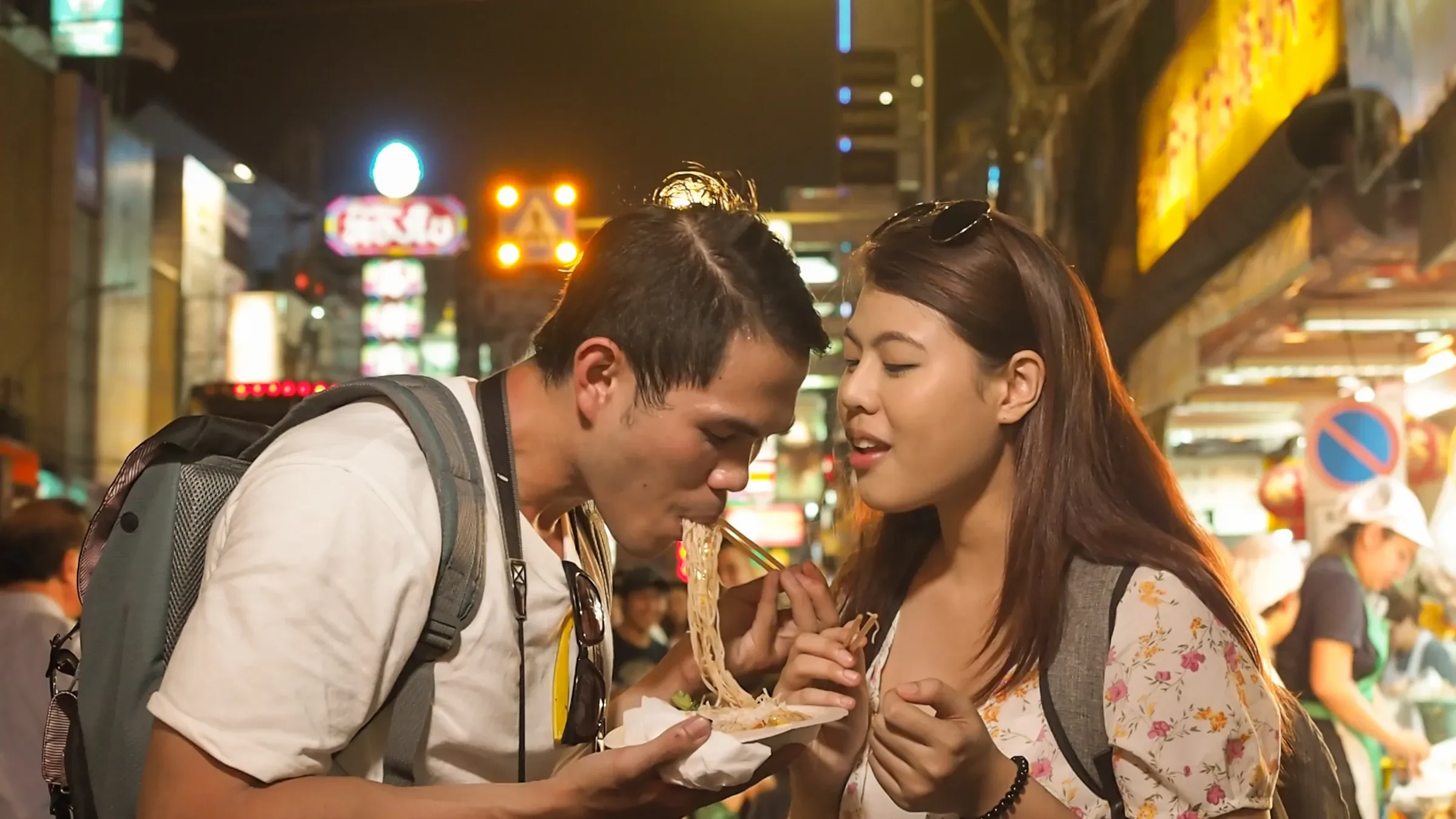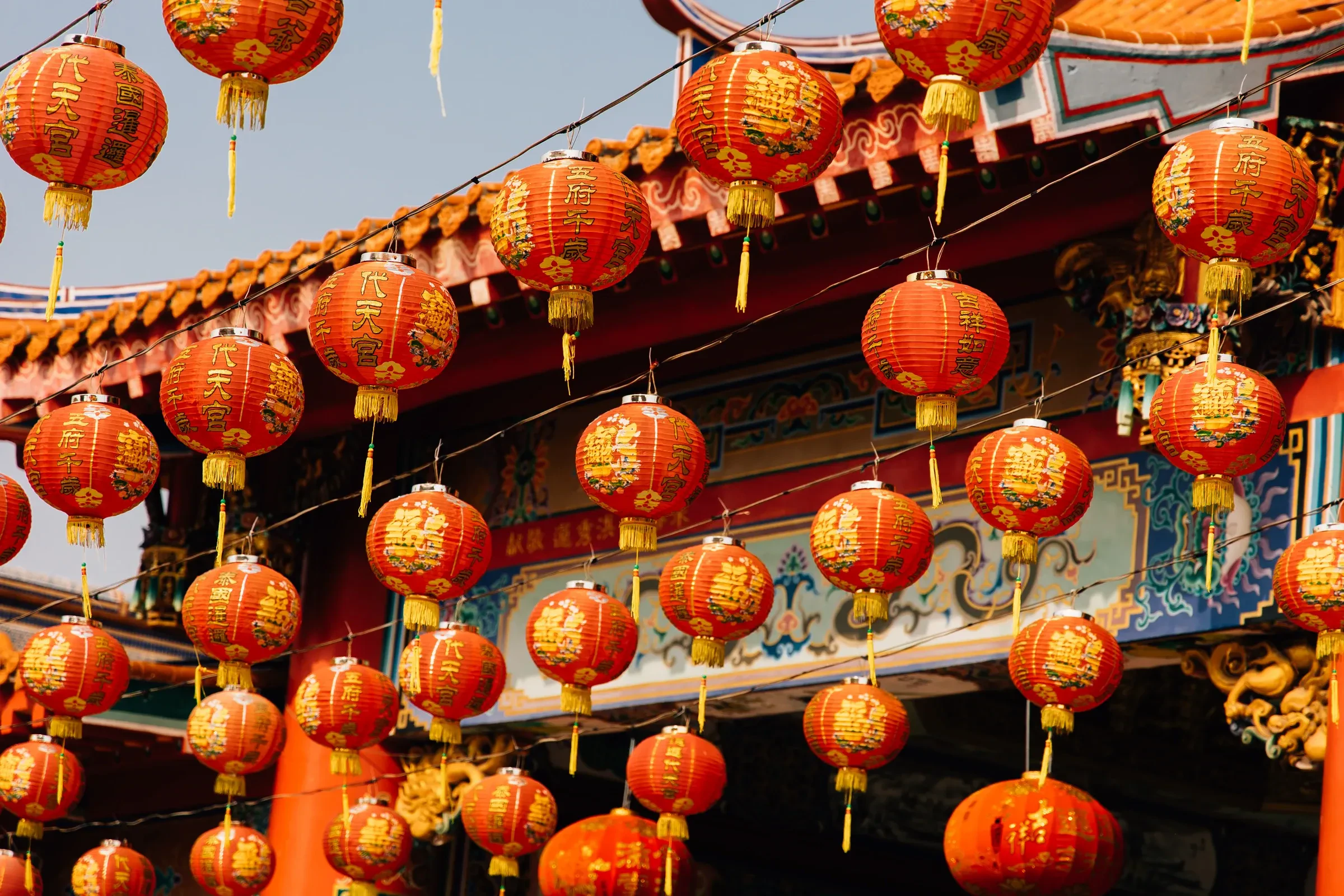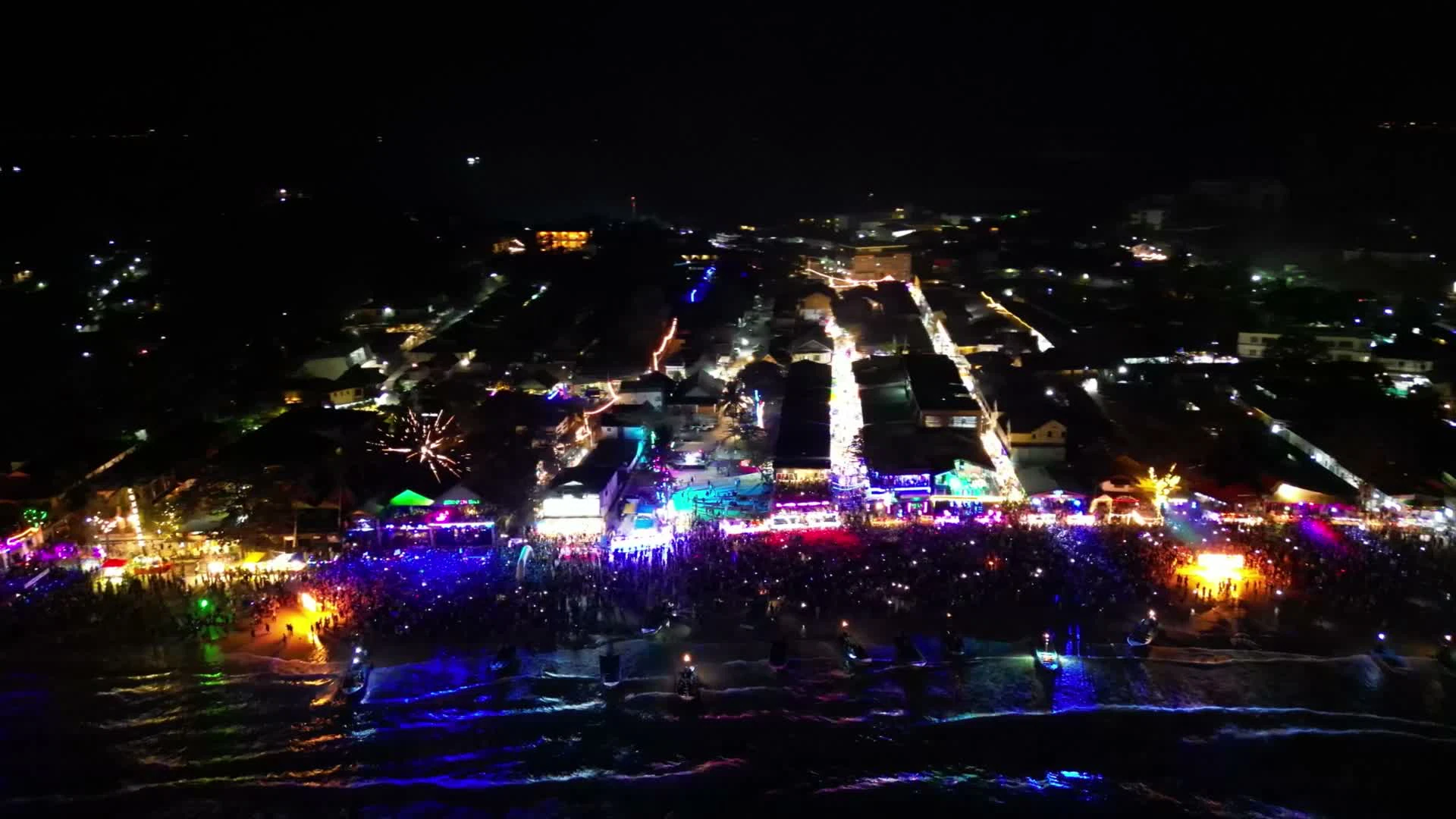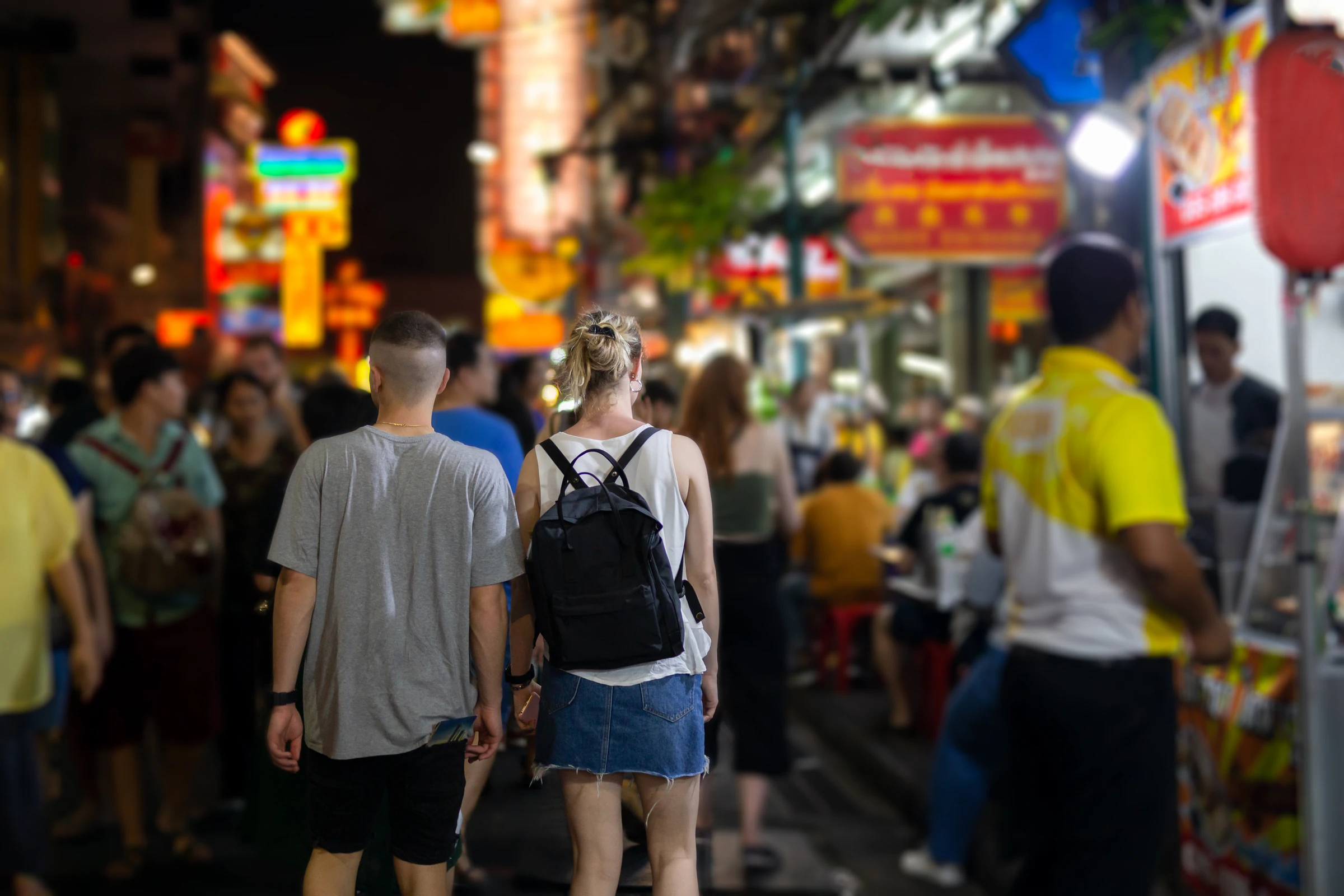
In Bangkok, Chinese New Year centres on Yaowarat, the city's Chinatown and home to a long-established Thai-Chinese community. In a normal year, the neon-lit street that's already a favourite food crawl turns into a full street party for a night, then settles back into an ordinary (if very good) place to eat.
What Chinese New Year in Bangkok is
Thailand's ethnic-Chinese community, concentrated for generations around Yaowarat Road, marks the lunar new year with the same core traditions found across the region: family reunion meals, ancestor worship, house cleaning to sweep out the old year, and plenty of red and gold for good luck. What makes Bangkok's version stand out is the public street event layered on top. Yaowarat closes to traffic, an opening ceremony gets the night going, and lion and dragon dance troupes work their way down the street to drums and firecrackers.
The event is usually organised jointly by Bangkok's city administration, the Tourism Authority of Thailand (TAT), the Samphanthawong district office and Chinatown's own business community. Its opening ceremony has in past years been presided over by a member of the Thai royal family or senior city officials. Who will open the 2027 event hasn't been announced.
What happened at Chinese New Year in Bangkok in 2026
Lunar New Year day in 2026 was Tuesday 17 February, and the Yaowarat street celebration planned for 17 and 18 February did not go ahead. The Samphanthawong district office announced on 2 February that it was cancelled because the dates fell inside the national mourning period after the death of Queen Sirikit, the Queen Mother (Daily News, in Thai). There was no road closure and no dragon or lion parade down the street.
Some things did run. TAT's lantern and light installation lit Yaowarat Road between Odeon Circle and the Chaloem Buri junction from 6pm to 11pm every night, from 7 February to 1 March. Its theme was "Ride the Fortune, Share the Future", marking 51 years of Thai-Chinese diplomatic relations, with light tunnels and lanterns along roughly 500 metres of road. Local reports describe small lion dance and Chinese performances on 16 and 17 February, though they disagree on whether these were at the Pichaiyas Building or on Yaowarat itself. Elsewhere, TAT ran a festival at Siam Paragon from 14 to 18 February with four Chinese art troupes, and a programme in Hat Yai from 17 to 20 February.
Yaowarat itself stayed open and busy with its usual street food. Visitor numbers for the street weren't reported. TAT had forecast about 1.25 million international arrivals nationwide between 13 and 22 February.
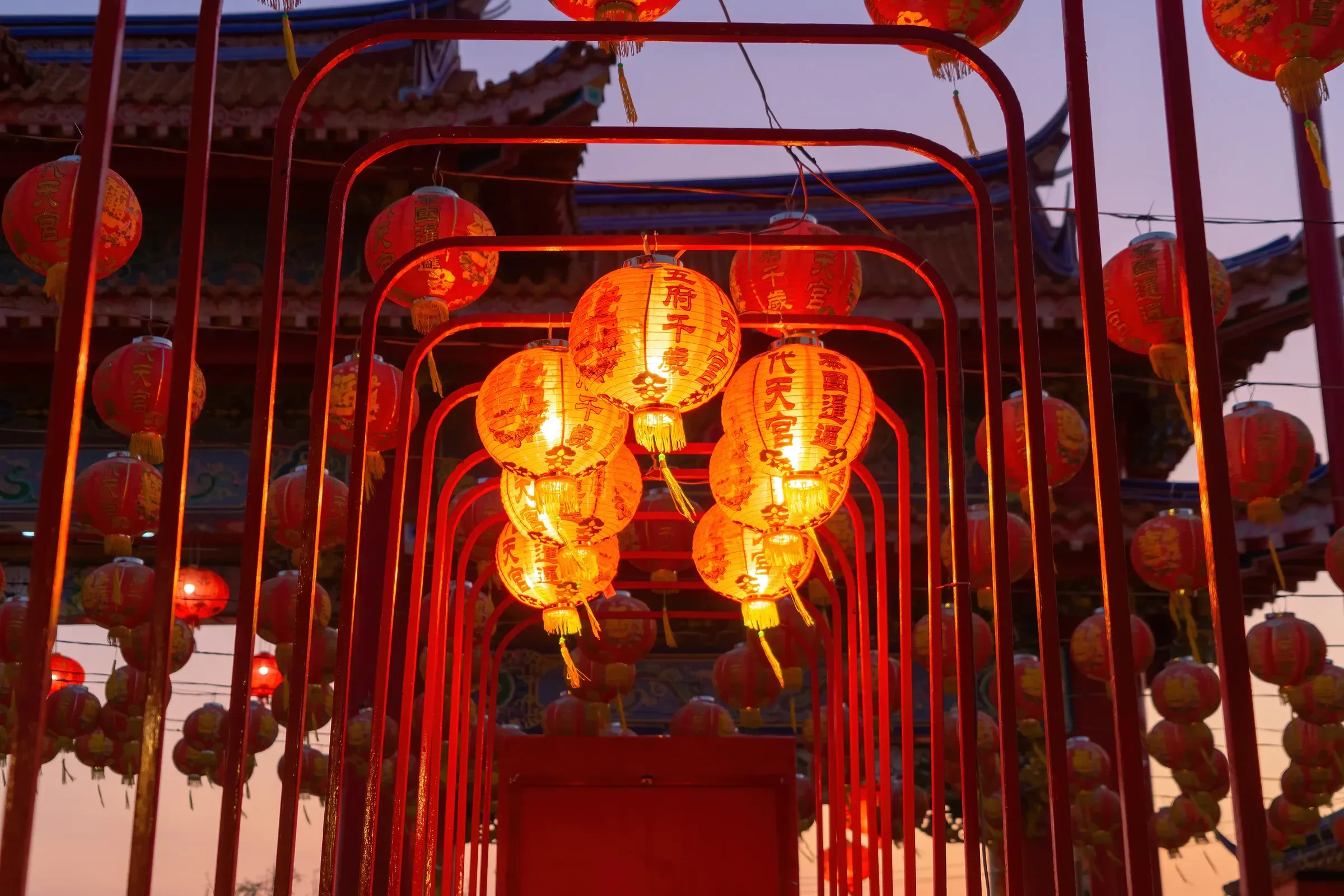
Yaowarat is Bangkok's Chinatown, and in a normal year it hosts the city's biggest Lunar New Year street celebration, with the road closed to cars from midday into the night. The 2026 cancellation was tied to that year's mourning period and tells us nothing about 2027, which simply hasn't been announced.
Where to see it
Yaowarat Road, Bangkok
This is the main event. In a normal year, Yaowarat, and the ceremonial arch at Odeon Circle that marks its western end, closes to traffic for the celebrations, usually from around midday until late at night. Expect lion and dragon dances working down the street, firecrackers, an opening ceremony, and the usual Yaowarat food stalls extended and multiplied for the occasion. The nearest MRT stop, Wat Mangkon on the Blue Line, puts you in the middle of it without much of a walk.
Phuket Town
Old Phuket Town runs its own multi-day Chinese New Year event centred on Thalang Road, where Sino-Portuguese shop-houses are strung with red lanterns and the street fills with food stalls and performances. Local shrines, including Kuan Im Teng and Jui Tui, are worth visiting for the merit-making rather than just the street party. Phuket's old town sometimes holds its main festival nights on the closest weekend rather than the exact lunar new year date, so check the specific 2027 dates closer to the time rather than assuming they land on 6 February.
What happens day by day
- New Year's Eve. Families gather for a reunion dinner and pay respects at home shrines and ancestral altars. This part of the festival happens indoors and isn't really a spectator event.
- New Year's Day, the public celebration. On Yaowarat in a normal year, the road closes to traffic around midday, the crowds build through the afternoon, and the opening ceremony, lion and dragon dance performances and firecrackers run through the evening into the night.
- The two weeks after. Red lanterns and decorations stay up around Chinatown, leading to the Lantern Festival that traditionally closes the 15-day new year period.
How to join in
Watching is the main way visitors take part, and that's entirely normal here. This isn't a festival that expects outsiders to do more than turn up, eat well and enjoy the show.
What to wear and bring
- Comfortable, closed shoes. Yaowarat gets genuinely packed on a main night, and you'll be standing and shuffling more than walking freely.
- Small notes for food stalls, since a busy street market is not the place to be relying on cards.
- Something to cover your ears near the main stage, if loud, sudden firecracker noise bothers you or you're there with young children.
Chinese New Year and our Thailand trips
Our Thailand trips aren't built around Chinese New Year, which falls on 6 February 2027, but a Yaowarat evening is already part of the first night on two of our Thailand trips, so you'll get a taste of Chinatown even outside the festival itself.
Thailand Express and Thailand Complete both spend their first evening in Bangkok with a Chinatown food crawl along Yaowarat Road. Neither is built around the festival, so check the trip pages for current dates before assuming they overlap. If you want to build a longer Thailand trip around the festival yourself, our Thailand itinerary guide covers how the regions fit together at different trip lengths.