What the Surin Elephant Round-up is
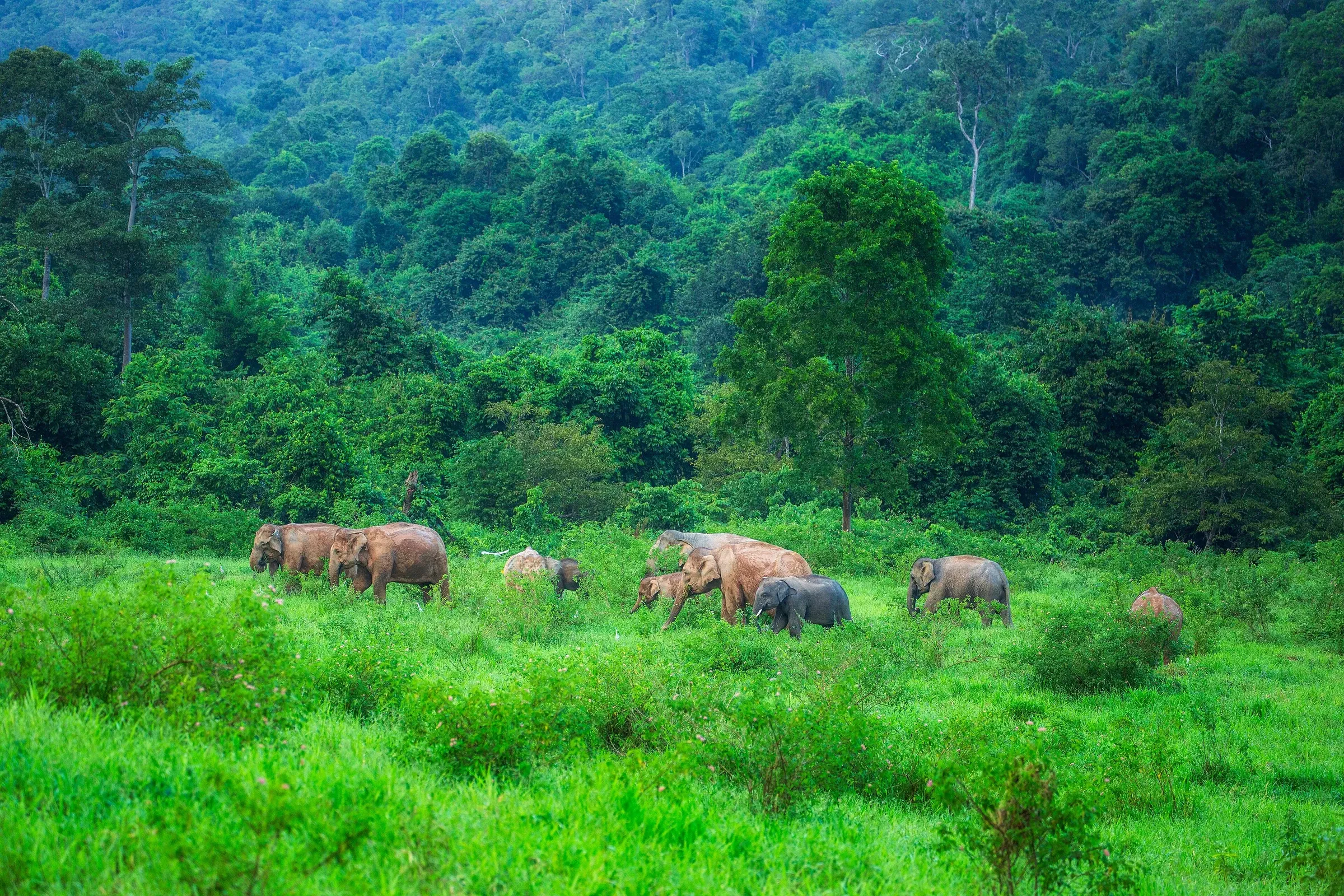
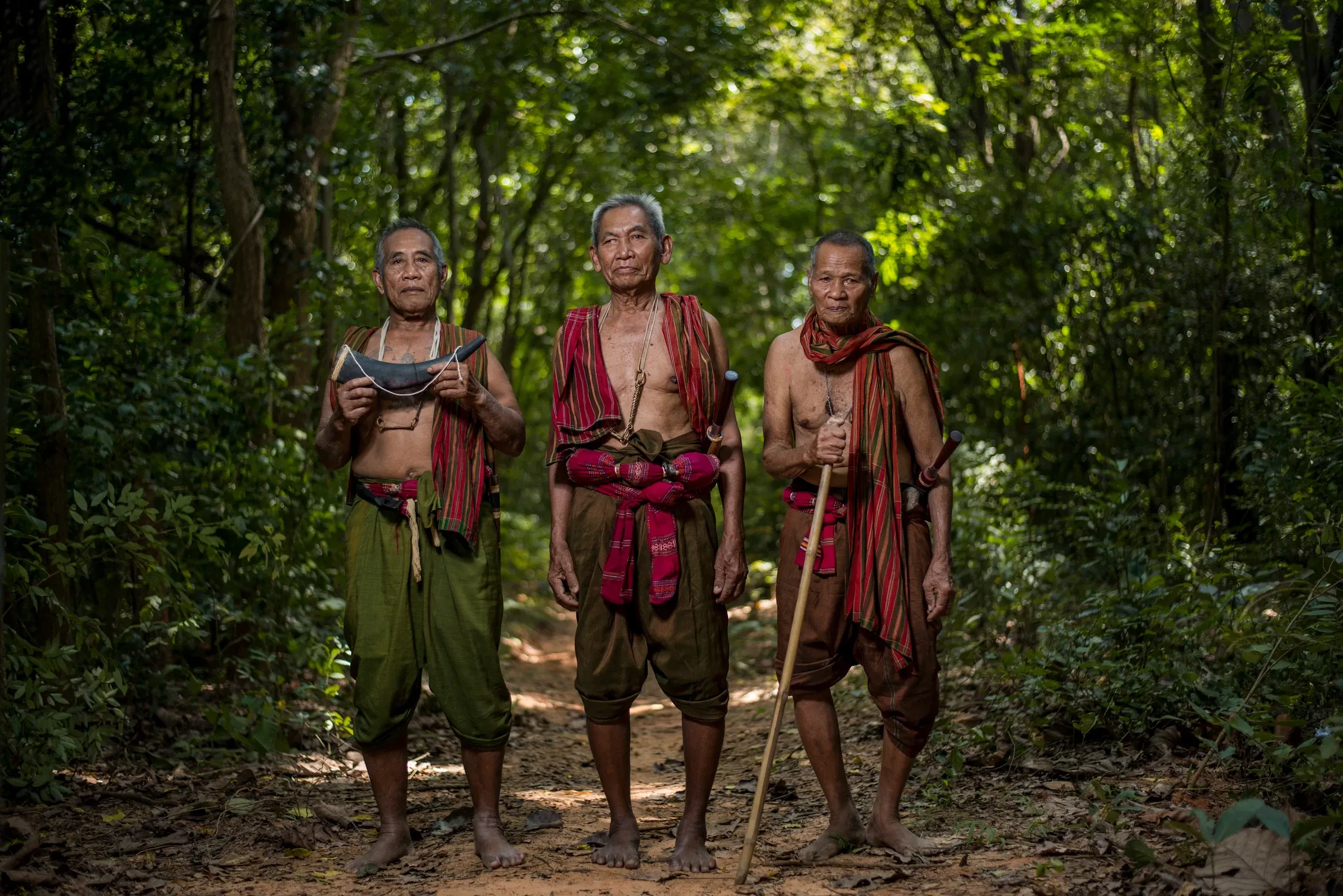
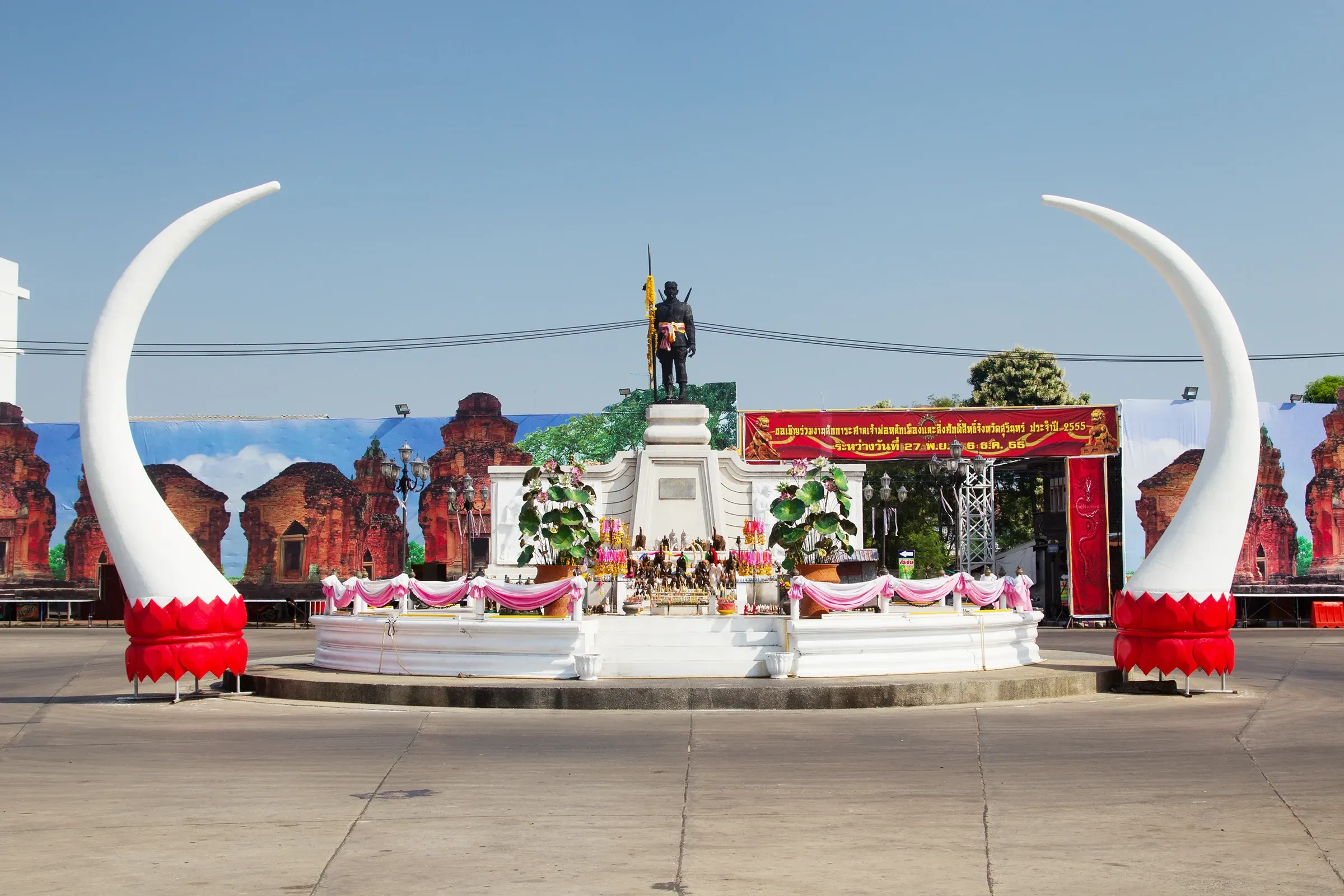
Surin province has a centuries-old tradition of catching and training wild elephants, rooted in the Kui (also spelled Kuy or Suay) people of Ban Ta Klang, a village often called the "elephant village." In the Ayutthaya era, royal elephant hunts here supplied animals for war and ceremony, and the practice continued in various staged forms for centuries. The modern festival dates to the 1960s, when Cambodia's civil war and elephants' declining economic value as working animals left many mahout families needing a new source of income, and mahouts turned the round-up into a tourism event, organised with Thailand's Tourism Authority.
Today Ban Ta Klang has one of the largest concentrations of domesticated elephants anywhere in Thailand, and the mahout-elephant relationship there is genuinely multi-generational: many families have worked with elephants for their whole lives, and the bond is a real part of Kui identity, not a performance put on for visitors.
What happens, day by day
Side events and an elephant fair run for several days around town, but the days everyone comes for are the Friday and the weekend.
Friday is the elephant breakfast and the parade. A huge buffet of fruit, sugarcane and vegetables is laid out in town for the elephants, a spectacle that once set a Guinness World Record when 269 elephants ate through more than 50 tonnes of produce. Afterwards, a procession of elephants in ceremonial dress, often 200 or more, parades through Surin town.
Saturday and Sunday are the main shows at Si Narong Stadium (in 2025 they ran on 22 and 23 November). The programme has traditionally included a recreation of a historical elephant capture, a mock battle re-enacting a Siamese-Burmese war fought with fireworks and blank rounds, and a run of circus-style acts: elephants playing football and tug of war, throwing darts and painting pictures. Isan music, silk weaving demonstrations and food stalls run around the event.
The animal welfare question
We think this is worth being upfront about, rather than only showing the spectacle. The welfare charity World Animal Protection says that behaviours like playing football, painting and balancing acts don't come naturally to elephants, and that fear, control or reward-based training is used to produce them. Its assessment of Thailand's elephant tourism industry, covering 236 venues and nearly 2,850 elephants between February 2024 and January 2025, found that about two in three captive elephants still live in poor conditions, including short chaining. The Round-up's stadium shows include several of exactly these acts.
One travel writer who visited backstage at the Round-up (a personal account, not a formal audit) described mahouts using a bull hook during preparation, and elephants kept on short chains between performances. We haven't verified that account ourselves, but it's consistent with practices that welfare groups have documented more broadly across Thailand's elephant tourism industry, so we're not treating it as an isolated claim.
We don't sell tickets to the stadium show or arrange elephant rides on any of our trips, and we'd encourage you to think about which parts of the festival you actually want to watch. The street parade and the elephant breakfast, which have usually been free to watch, don't involve the same trick performances as the stadium shows.
What to wear and bring
Late November in Isan is dry and hot, typically 30 to 33°C by day and cooler in the evening. Bring a wide-brimmed hat, sunscreen and plenty of water, since both the parade and the stadium show happen outdoors for hours. Wear comfortable shoes for standing and walking on dusty ground, and carry cash in small denominations. Surin is a small provincial town, and card acceptance is limited outside a few hotels.
Getting to Surin
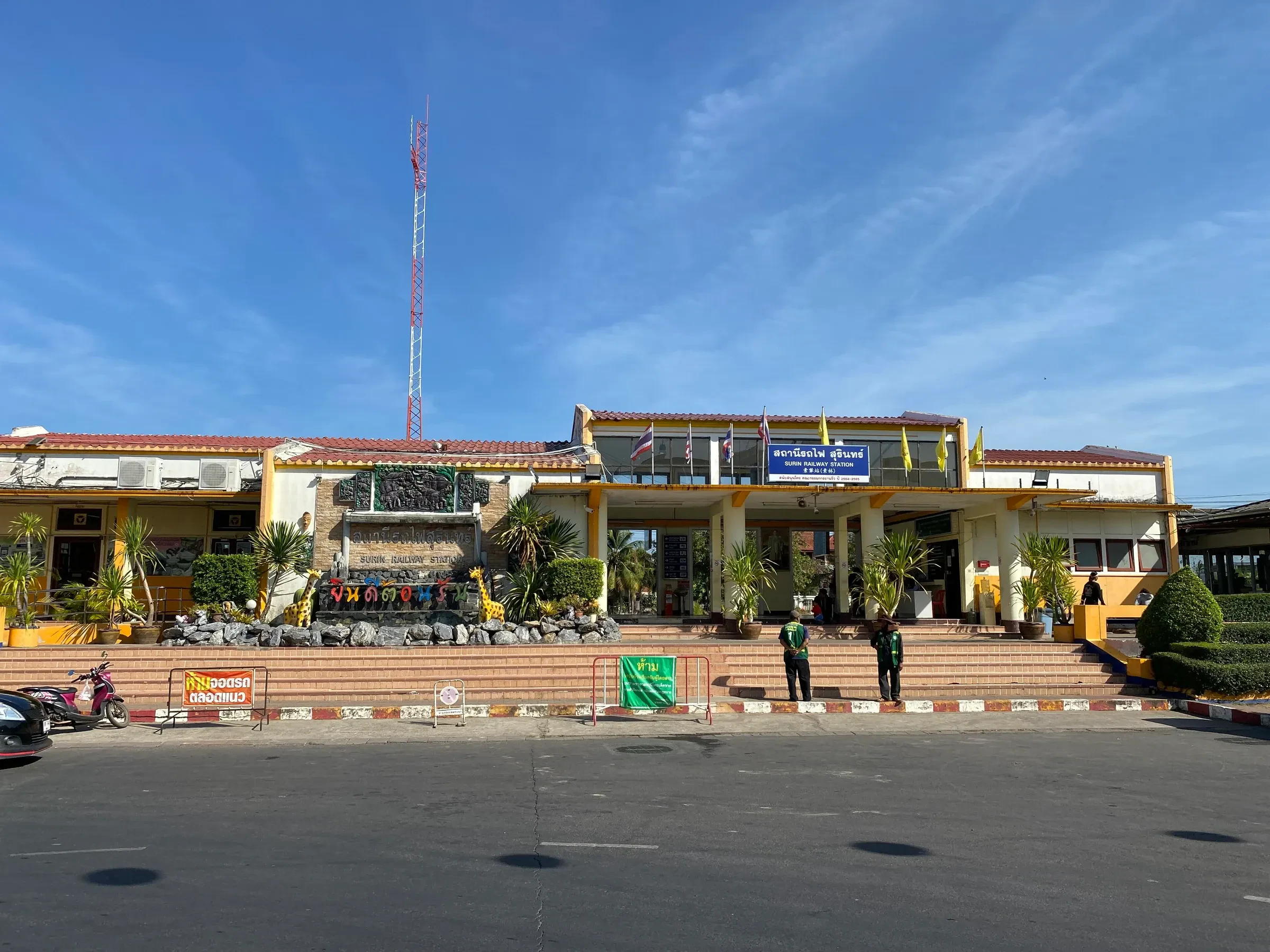
The most reliable option is the overnight sleeper train from Krung Thep Aphiwat (Bang Sue) station in Bangkok, which takes about 7 hours. Surin has its own small airport (PXR), but it has had no regular scheduled flights for years, so don't plan around it. The practical way to fly is into Buriram or Ubon Ratchathani and continue to Surin by road, about 1 to 2 hours depending on which airport. Stay in Surin town centre, near the main square, for the easiest access to both the parade route and transport to the stadium.
A gentler way to spend time with Surin's elephants
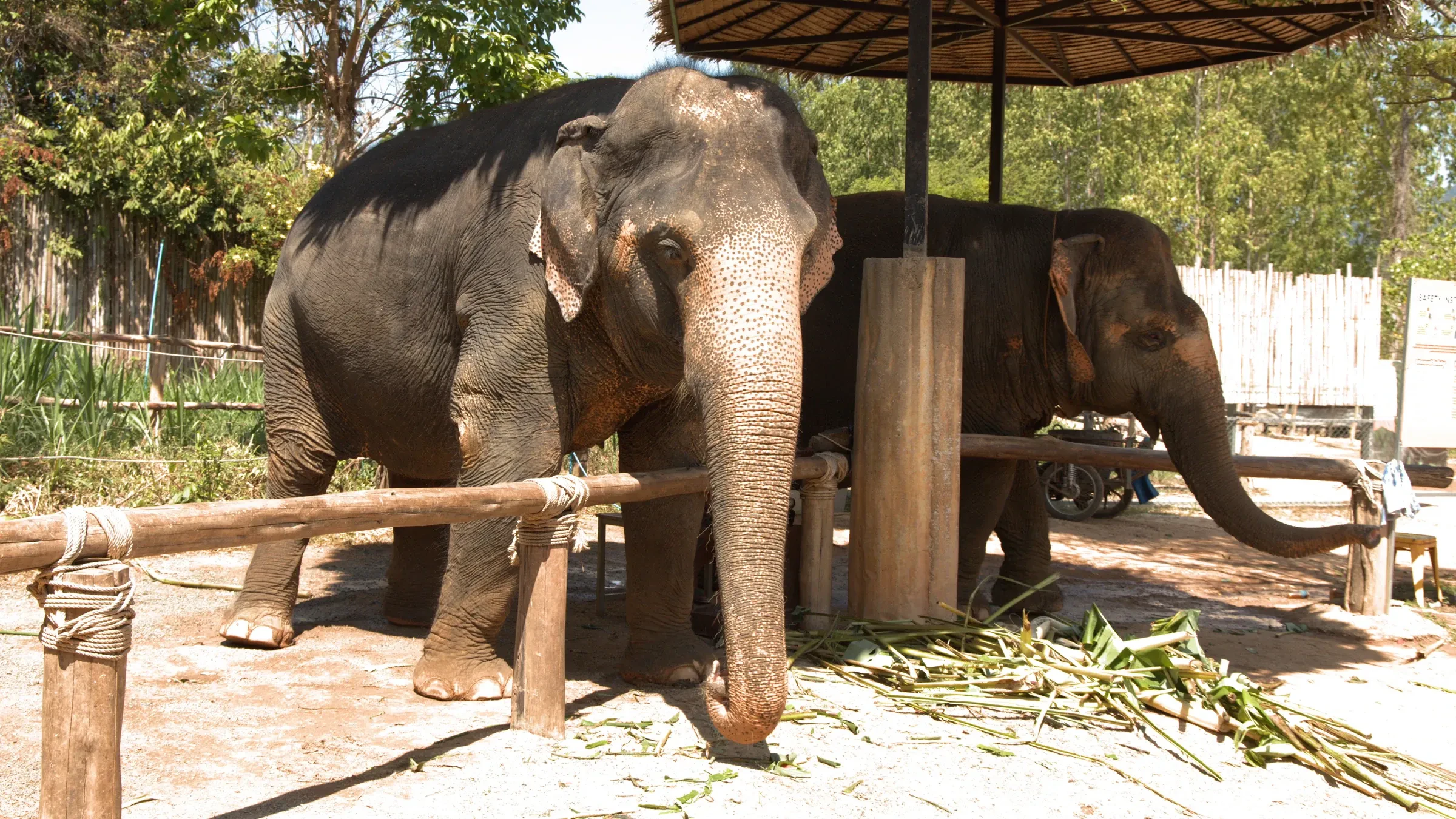
If you'd rather see Surin's elephants without the show, Ban Ta Klang is also home to the Surin Project, founded in 2009 by Lek Chailert of the Save Elephant Foundation. Mahouts who join the project agree to unchain their elephants for at least three hours a day and to stop offering rides or performances. Visitors can join guided walks to observe the elephants interacting more naturally, rather than watching them perform. It's a longer, quieter alternative to the festival weekend, and it runs across the year, not just in November.
Surin and our trips
No SoloNomads trip currently visits Surin, since it sits off our main Thailand routes. If you'd like to combine a Round-up visit with a wider trip, our Thailand Express and Thailand in 2 Weeks trips cover Bangkok and the north, and Surin can be added independently before or after either one. See our Thailand itinerary hub for how to plan the rest of the trip around it.