What the Bali Arts Festival is
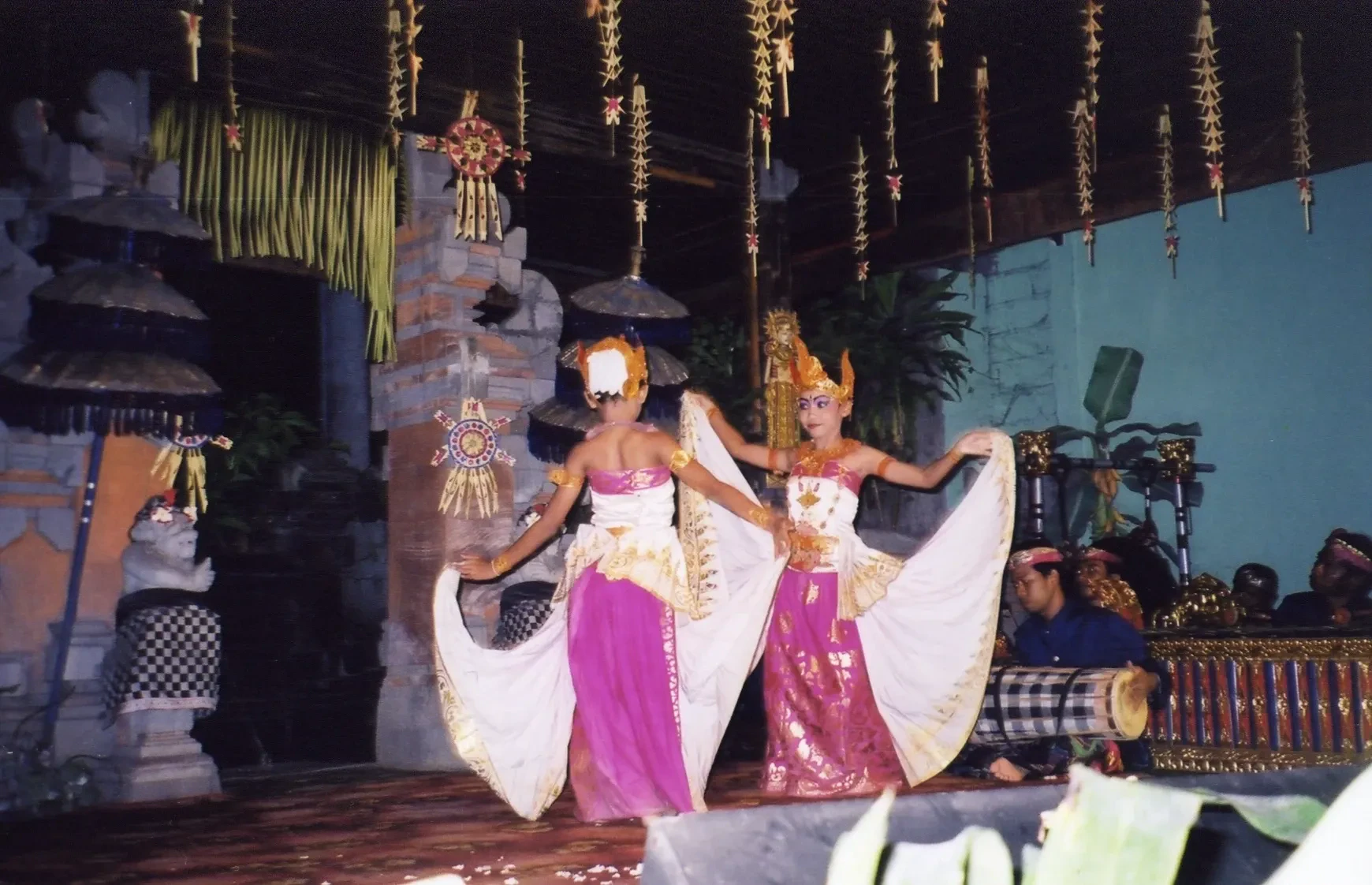
Pesta Kesenian Bali has run every year since 1979, when Governor Ida Bagus Mantra started it to keep Balinese art and performance from thinning out as tourism grew. It's now described as Indonesia's longest-running arts festival: a month of daily traditional dance, gamelan orchestras, craft exhibitions and Balinese food, with villages and regencies from across the island taking turns to perform. It isn't staged for tourists. It's a genuine cultural showcase that happens to be open to anyone who wants to watch.
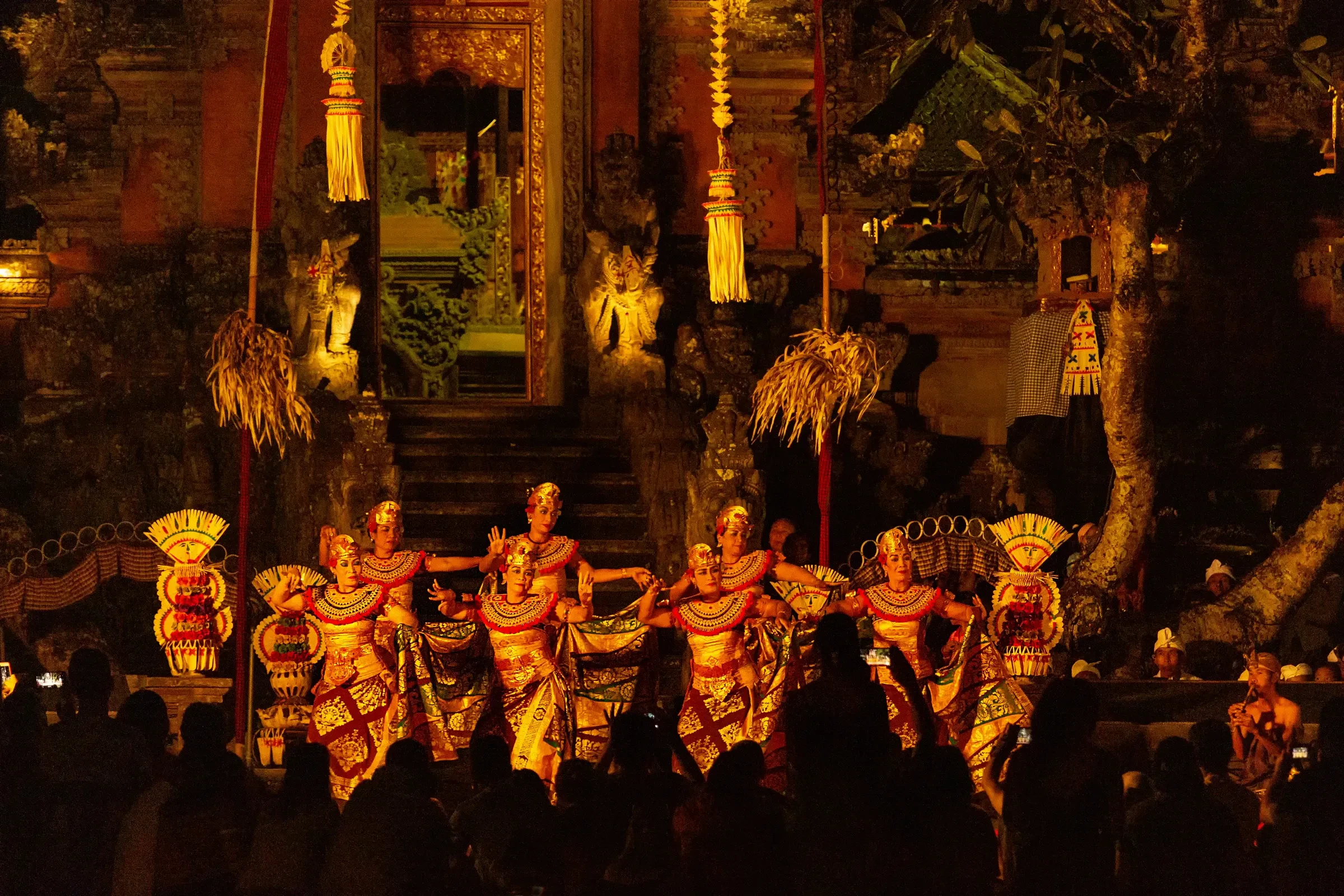
What happened at the Bali Arts Festival 2026
The 48th edition ran from 13 June to 11 July 2026 under the theme "Atma Kerthi: Jiwa Sidha Parisudha", which the organisers framed as honouring the perfect soul. It opened with a parade in Denpasar on Saturday 13 June that included children, artists with disabilities, and groups from other parts of Indonesia and abroad. Governor Wayan Koster closed it on 11 July.
The governor's closing figures, reported by Antara Bali, put total attendance at 1,822,857, about 200,000 more than the 1.6 million of 2025. He also reported 673 arts groups and around 20,929 artists taking part, against 517 groups in 2025, and 879 works on show, up from 592. Foreign visitors were counted at 5,743, up from 2,416 the year before. These are the provincial government's own numbers, not an independent audit.
It's worth a look for its age and its size. It has run for more than four decades, it fills a whole month rather than a weekend, and the performing groups come from villages and regencies across the island, not from a touring company.
Where to see it
- Taman Werdhi Budaya Art Centre, Denpasar. The main venue, with several stages and halls running performances and exhibitions at the same time through the month. This is where nearly everything happens, so it's the one place worth building time around.
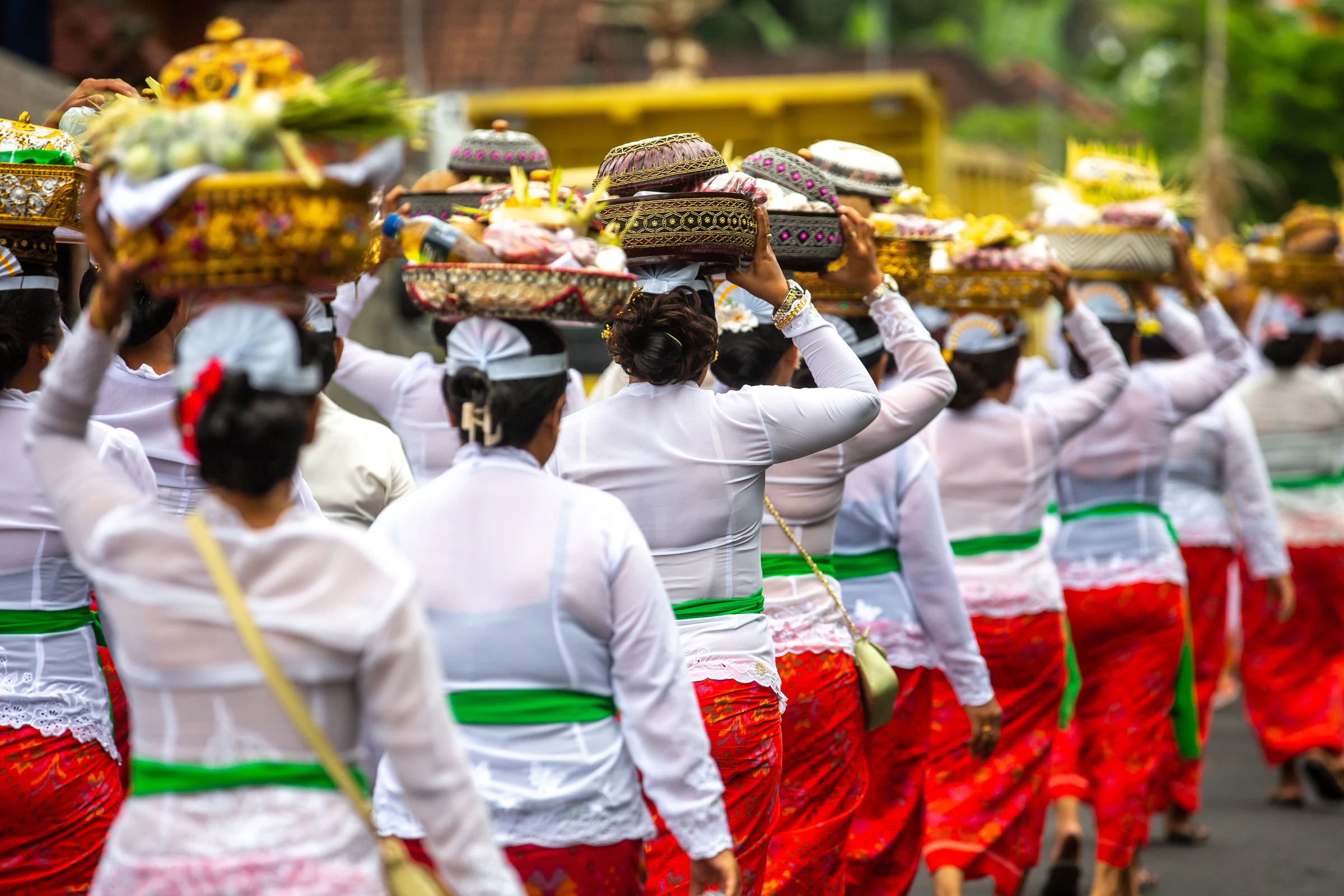
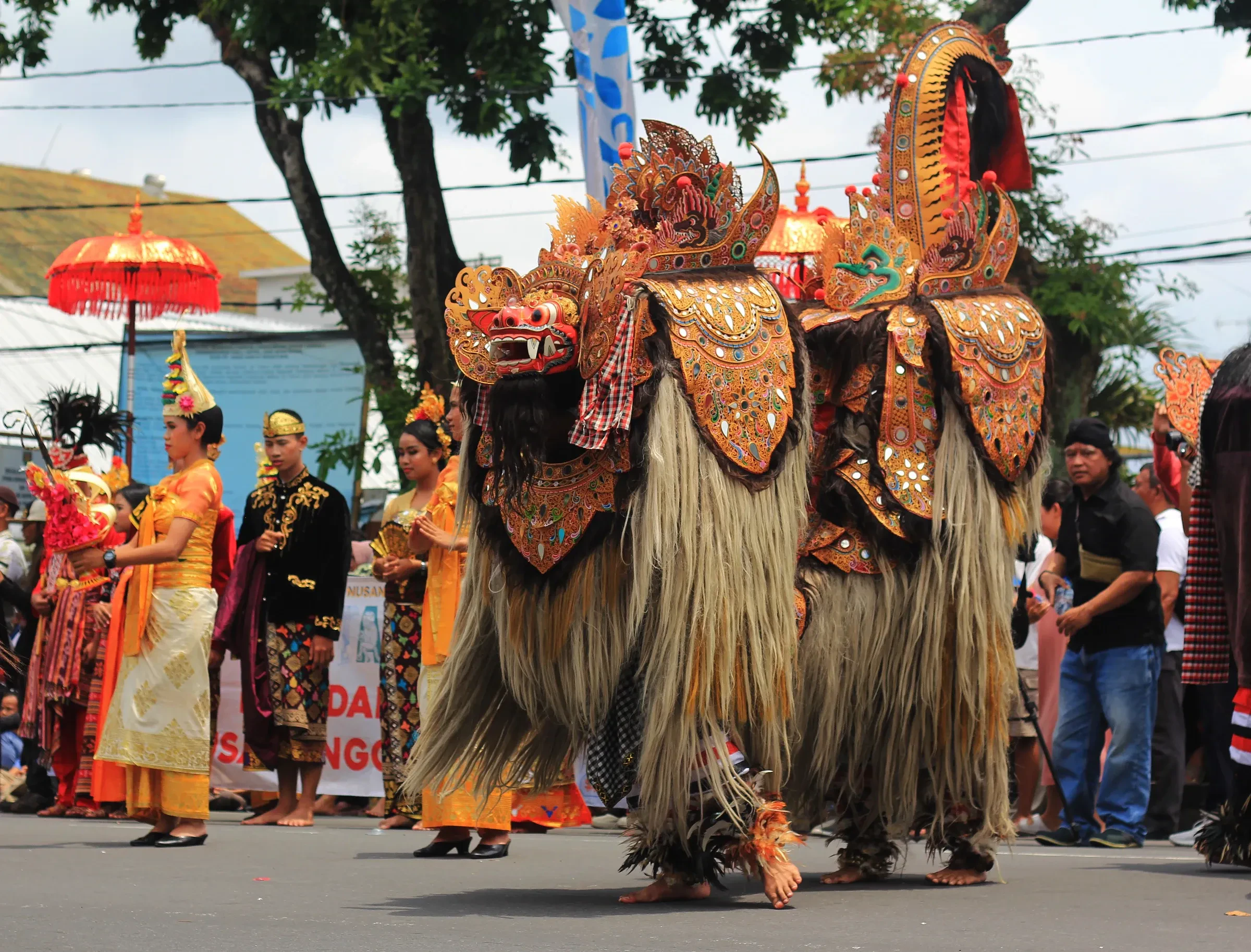
- Bajra Sandhi Monument, Renon. The starting point of the opening parade, when performers from across Bali's regencies process through the city to the art centre. If you can only catch one day, the opening is the most visually dense.
- Ubud, about 40 minutes' drive away, is a sensible base if you'd rather not stay in Denpasar itself. It has far more traveller-friendly guesthouses and cafes, and you can day-trip in for the parts of the programme you want to see. Our Ubud guide covers the town in full.
What happens day by day
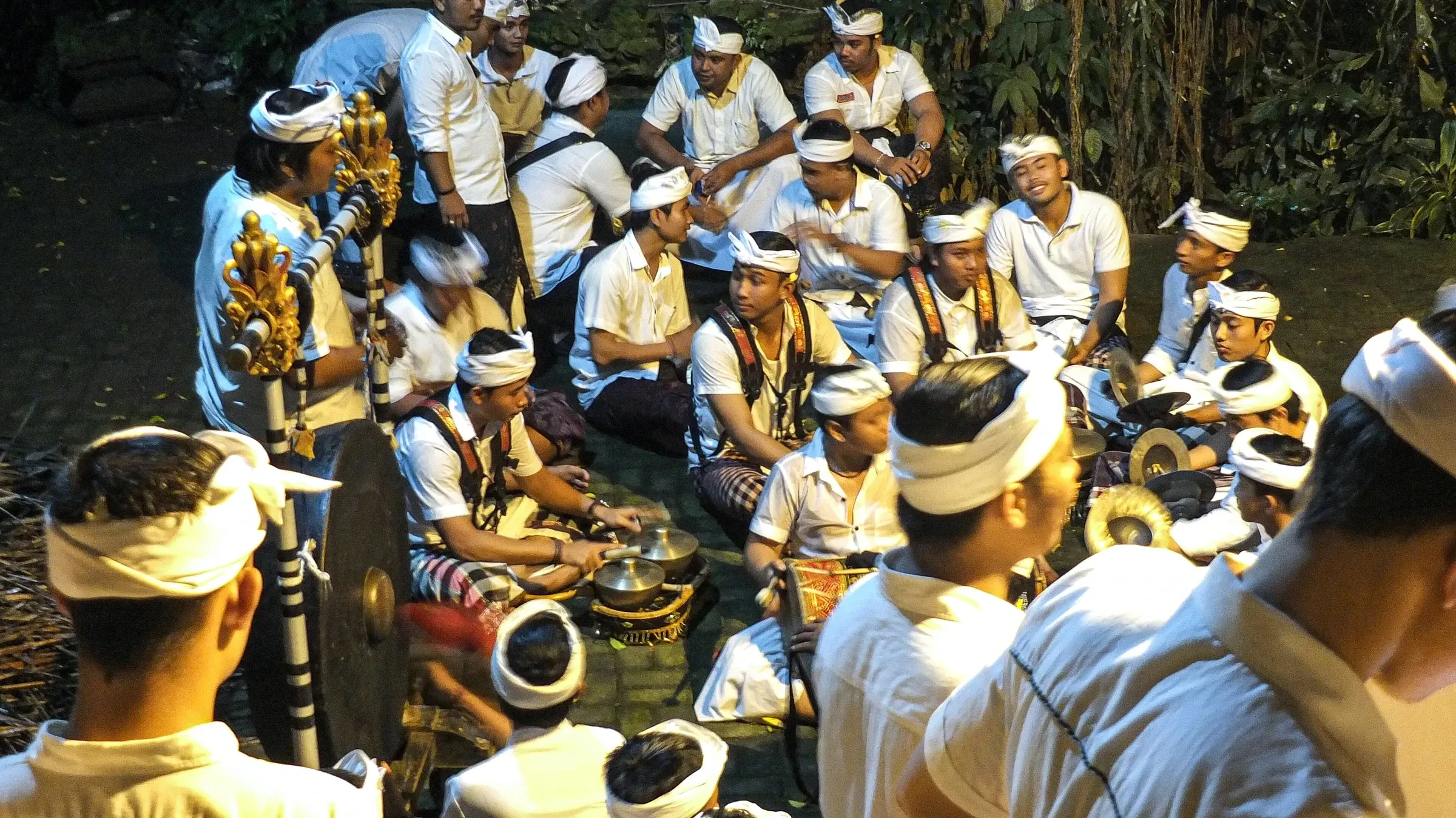
The festival opens with a parade from the Bajra Sandhi Monument to the art centre, with dancers, gamelan groups and decorated floats representing Bali's regencies. After that, the pattern repeats for most of the month: daily dance and gamelan performances rotate through the art centre's stages, craft and textile stalls sell weaving, carving and offerings from different villages, and food stalls serve regional Balinese dishes you won't always find on a Canggu or Ubud menu. Bigger set-piece nights, like drama performances and cross-regency competitions, are scheduled throughout the run rather than only at the start or end, so check the week's programme once you're on the island rather than assuming any single day is the big one.
How to join in and what to expect
What to wear and bring
Light, modest clothing works for daytime visits. Bring a scarf or sarong if you plan to move between the festival grounds and a temple on the same day. Denpasar in June and July is warm and mostly dry, so sun protection, water and comfortable shoes for a lot of standing and walking between stages are the main things to pack. Evenings can get properly crowded around the more popular dance performances, so arrive early for a seat if there's one particular show you want to see.
Safety
The festival itself is a low-key, family event with no crowd risks beyond normal city precautions: keep an eye on bags in the busier exhibition halls, and expect Denpasar's traffic to be heavier than usual on parade days. We haven't found any published record of safety incidents at the festival itself, so treat this section as general travel sense rather than a specific warning.
Building a trip around it
The festival doesn't anchor a single travel route the way Nyepi or Galungan do, since it runs for a whole month and Denpasar isn't typically a multi-night stop on its own. The easiest way to fit it in is to time an Ubud stay so you can day-trip into Denpasar for a performance or the opening parade, then carry on with the rest of a south Bali itinerary. None of our small-group Bali trips is built around it, so it isn't a fixed stop on any itinerary. If you're travelling with us in June or July, ask your Trip Host whether the plan has room for an afternoon at the art centre.