What the Bali Kite Festival is
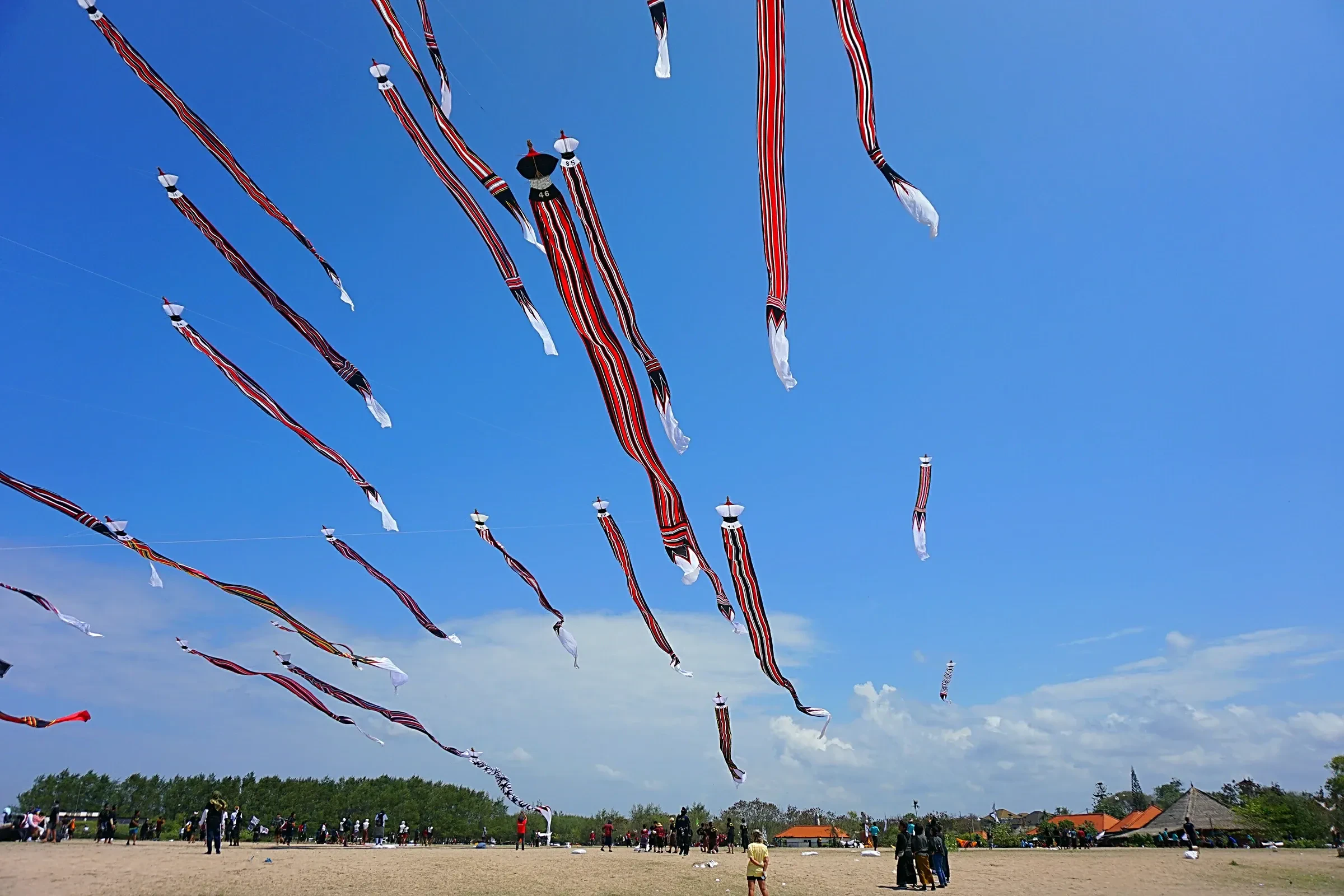
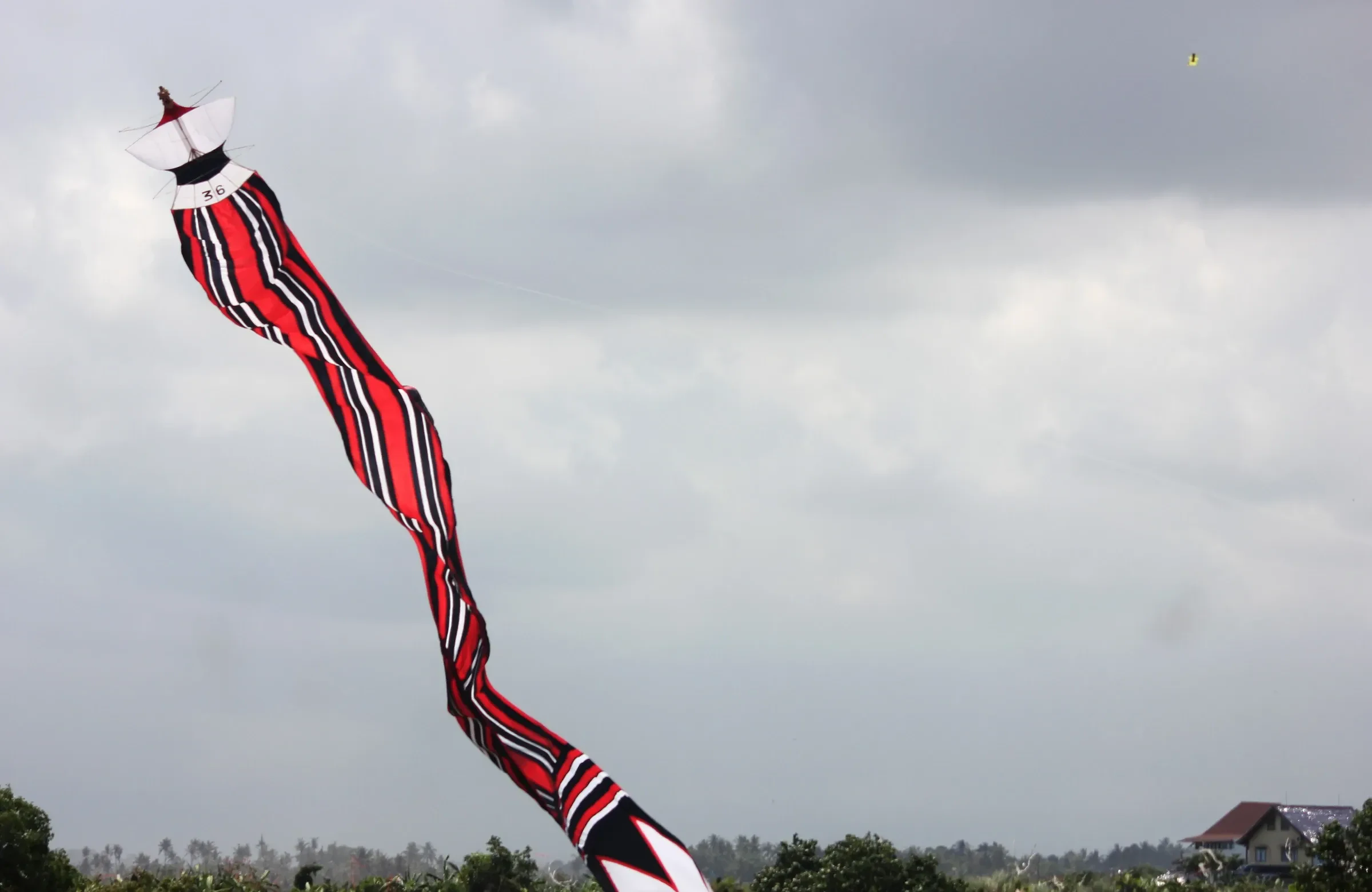
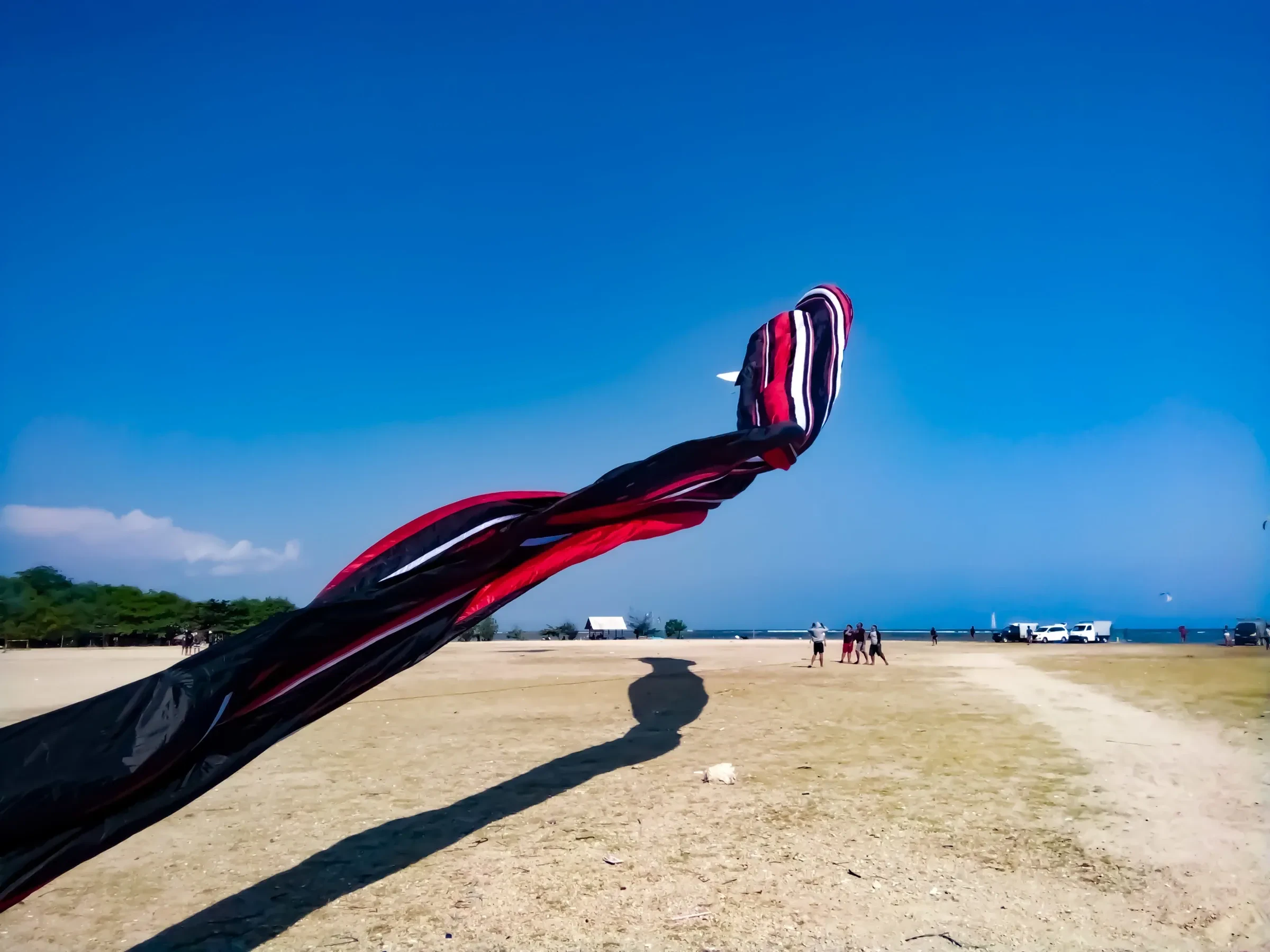
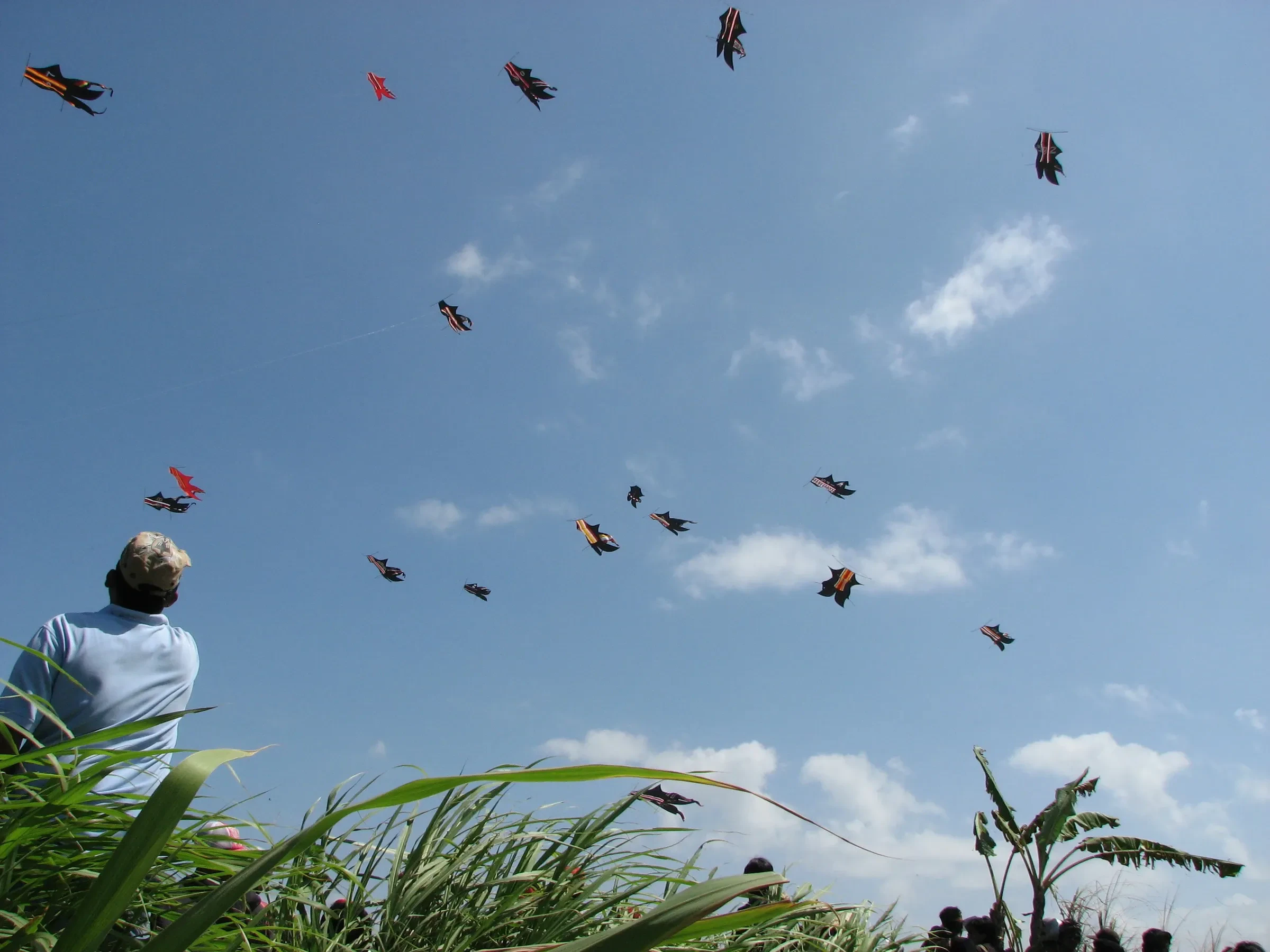
Bali's giant kites started as a religious offering, sent up on the dry season's wind to ask the gods for a good rice harvest. Some are enormous: the traditional *bebean* (fish shaped), *janggan* (bird shaped, with tails running tens of metres long) and *pecukan* (leaf shaped) kites can stretch close to ten metres, and need a dozen or more people to launch and hold steady, since a strong gust can lift a flyer clean off the sand.
You can still see that religious root in the ceremony that opens each event, though the festival has grown into a real competitive sport too. Village kite clubs, called *sekaa layangan*, spend months building and repainting their kites, then compete on size, craftsmanship and how long a kite holds its line. Two events make up the season each year: the Yadnya Cakra Fest, a village-team competition in Denpasar, and the bigger Rare Angon International Kite Festival at Mertasari Beach, Sanur, which also brings in international flyers and their own show kites.
What happened at the Bali Kite Festival 2026
The Yadnya Cakra Fest ran on 18 and 19 July 2026. Reports disagreed on where it was held, so we haven't named a venue. The Rare Angon International Kite Festival followed on 23 to 26 July at Mertasari Beach, Sanur.
According to Indonesian public broadcaster RRI, Rare Angon drew 96 overseas kite flyers from 23 countries, plus about 1,000 flyers from across Indonesia. Denpasar's deputy mayor opened it officially on 25 July. There were 26 competition categories for traditional kites. The international flyers performed as shows rather than competing.
Around the competition there were workshops, baleganjur (a traditional percussion ensemble), contests for several kite styles, night kite flying and food stalls. Modern sport kites flew alongside the traditional *bebean*, *janggan* and *pecukan*. Organisers said they want the festival to become a leading tourism draw for Sanur. We found no reported visitor numbers for either event.
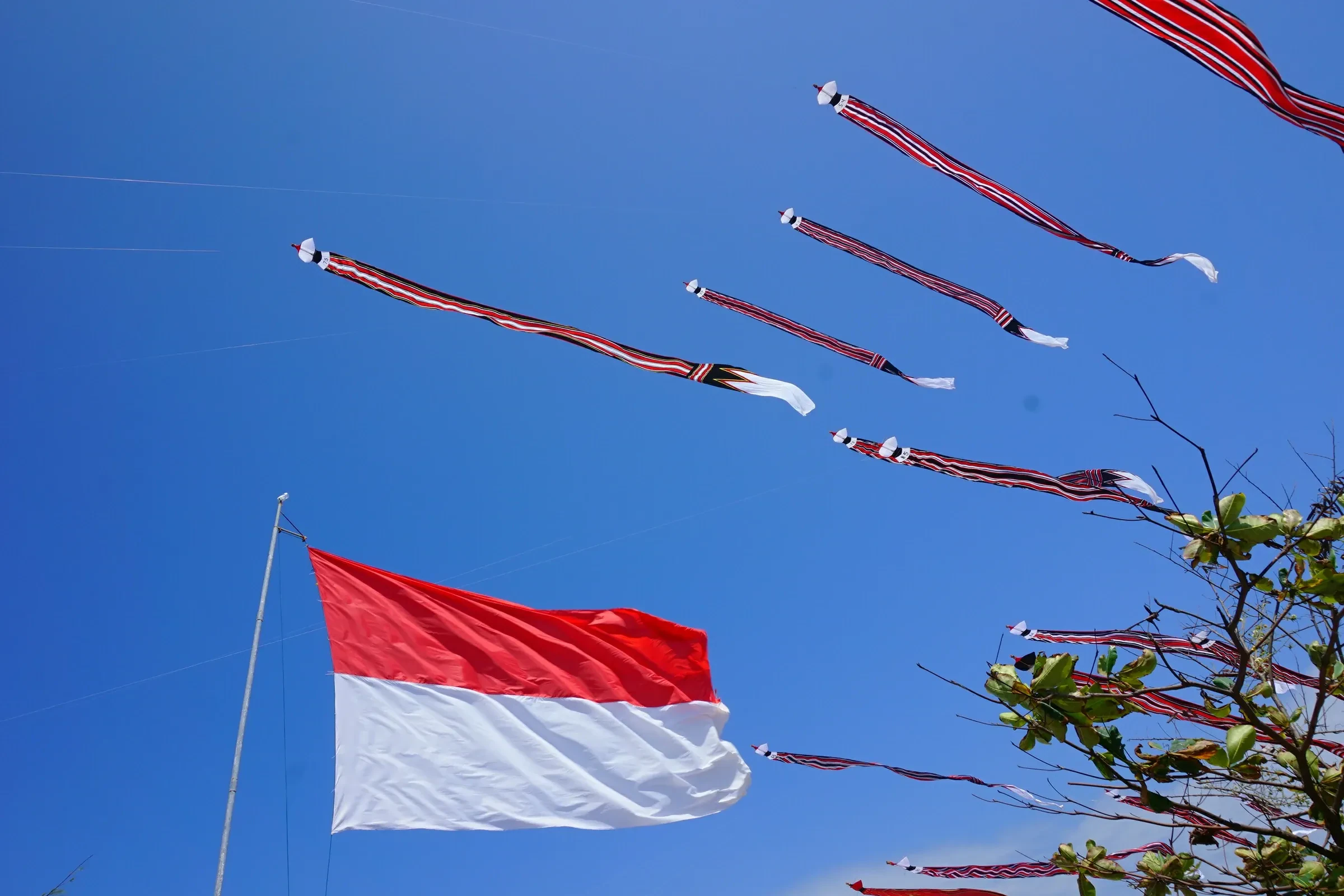
What makes it worth seeing is the size. Traditional kites are about four metres wide and almost ten metres long, village teams fly them, and a *janggan* tail can pass 100 metres. *Janggan* kites are treated as sacred and often get a ceremony before their first flight. The tradition began as an offering to the harvest gods and a call for wind and rain, and it was formalised as a festival in the 1970s.
Where to watch
Mertasari Beach, Sanur, is the better first stop for most visitors. Rare Angon is the larger of the two events, it runs over several days, and it sits inside Sanur, where solo travellers are often already based for the beach and the boats to Nusa Penida. The wide, flat beach gives an open view from anywhere along the sand, and the cafes on Sanur's beachfront make it easy to watch from the shade with a drink in hand.
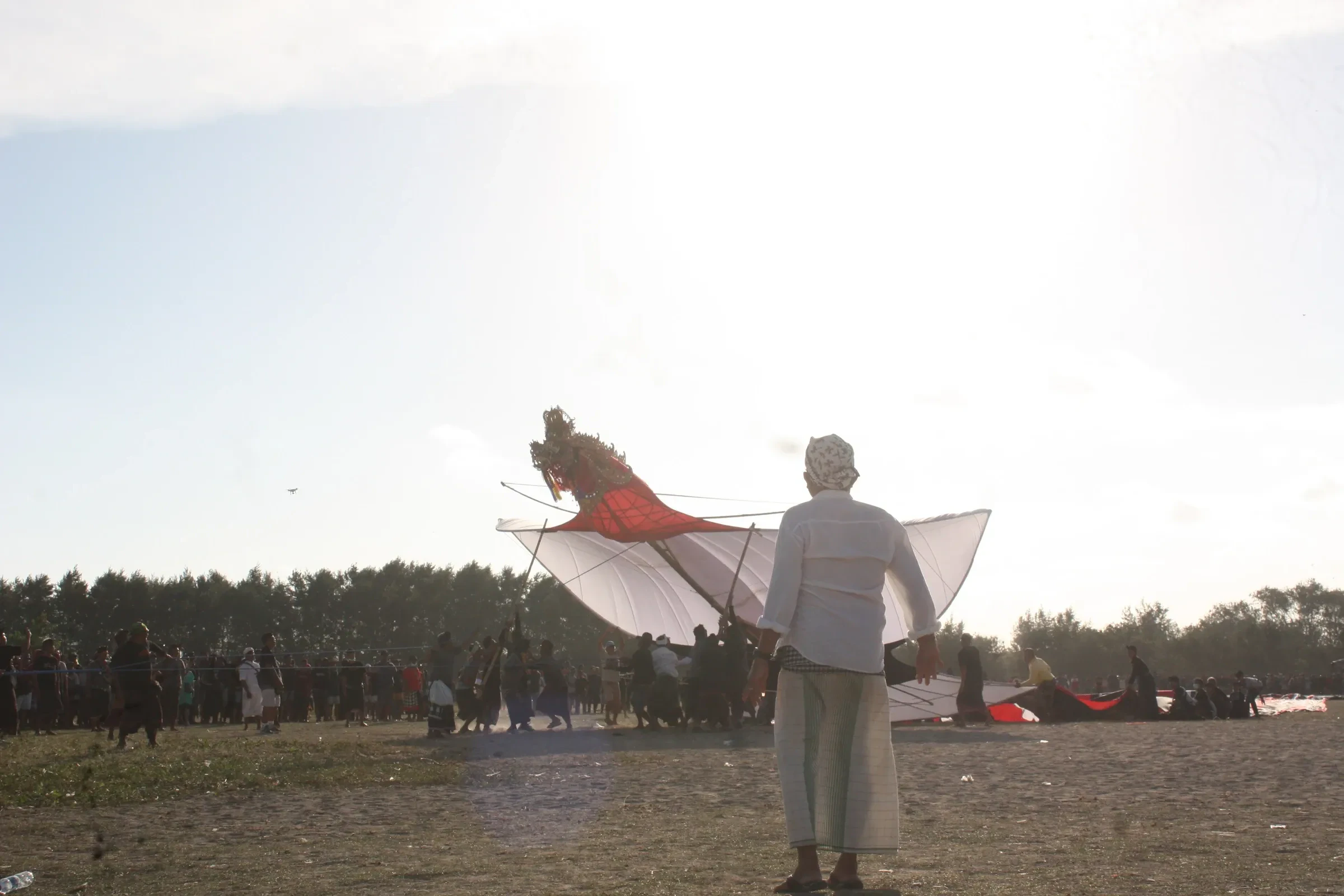
Padang Galak, a beach in Denpasar, is the older, more local setting for village kite competitions and a short taxi ride from Sanur. Reports differ on where Yadnya Cakra was held in 2026, so confirm the venue on the official listing before you go. The giant *janggan* kites carry bamboo hummers, called *guangga*, that produce a low droning sound as they fly, audible well before you spot the kite itself.
Both beaches are free to watch from, no ticket needed. Turn up by mid-morning on a competition day: launching needs a steady wind, so the biggest kites tend to go up from around 9am into early afternoon, and both the crowd and the parking thin out once the wind drops.
What happens, day by day
The Yadnya Cakra Fest is a short, two-day event, as it was in 2026. It opens with a short offering ceremony, then teams from Denpasar's *banjar* (village wards) launch and judge their kites through the day, competing on size, craftsmanship and how steadily each one holds its line.
The Rare Angon International Kite Festival at Mertasari Beach runs longer, over about four days in 2026. International flyers bring more elaborate, sculptural show kites, and the programme added workshops, a night kite session and food stalls along the beach. Allow extra time for traffic and parking around the Sanur beachfront on the busier days.
Joining in and etiquette
What to wear and bring
Dress as you would for any day at a Bali beach: light, breathable clothing, a hat and sunscreen, since there's little shade on the open sand through the middle of the day. Bring cash in small notes for the food stalls that set up around the beaches, and a bottle of water, since queues at the handful of vendors can get long on the busiest days. A light waterproof isn't a bad shout toward August, when the dry season still occasionally throws up a short shower.
A trip around it
Mertasari, the Rare Angon festival's beach, sits inside Sanur, which is also the final stop on our Bali Express route from Canggu through Ubud and Nusa Penida. The trip isn't built around the kite season, so if you want to see the festival with a group, check the trip page for current dates. Otherwise, Sanur is an easy add-on to a Bali itinerary built around Canggu and the Bali Arts Festival, which runs earlier in the dry season.